
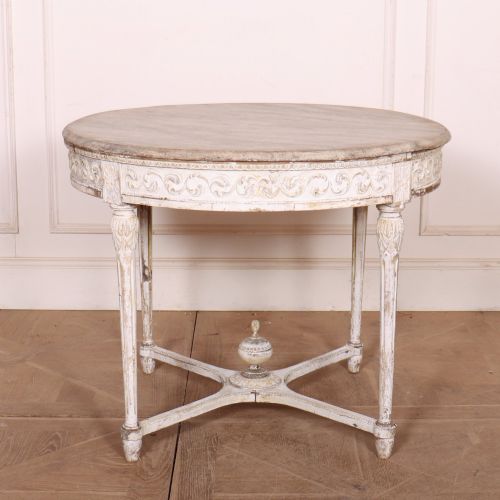

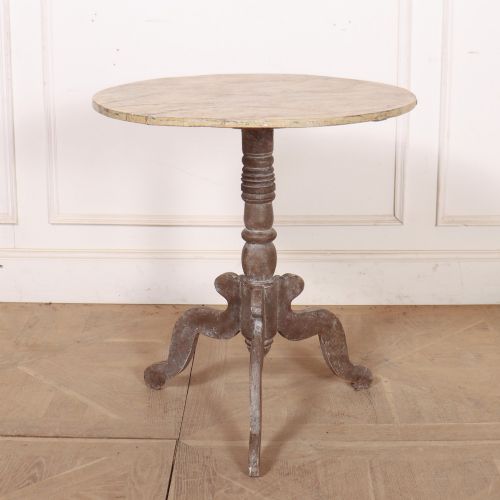
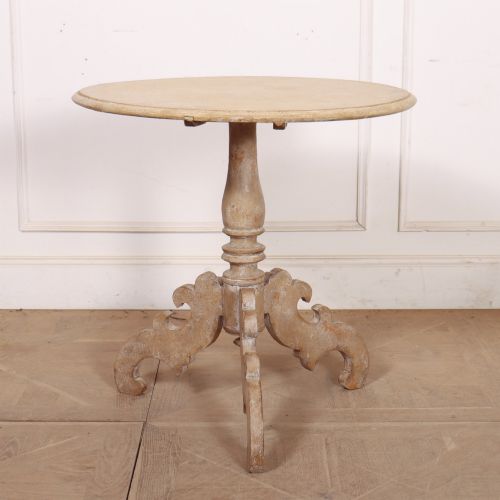
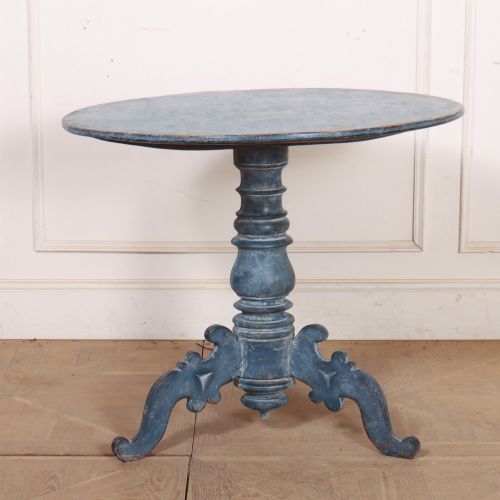


Swedish Country Table
A swedish country table brings grounded scandinavian character to a room, offering practical surface space through robust regional forms.
What They Are
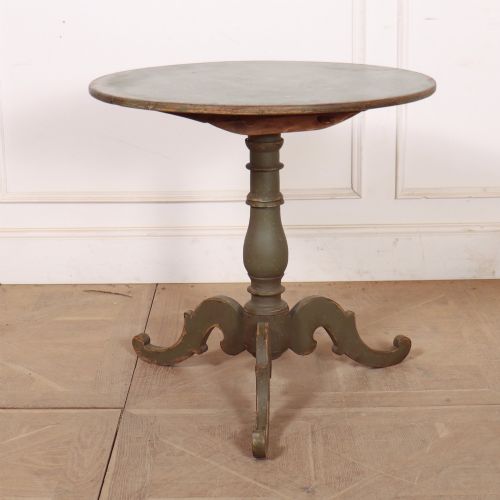
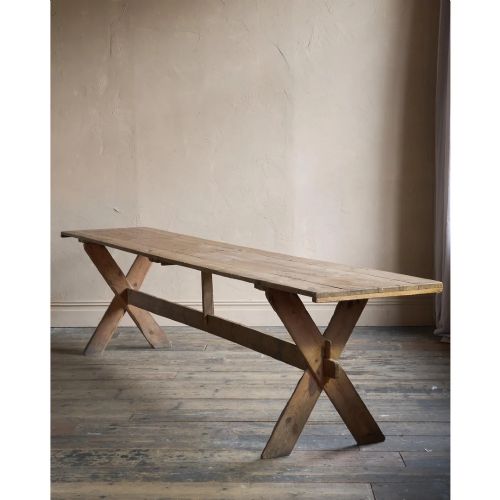
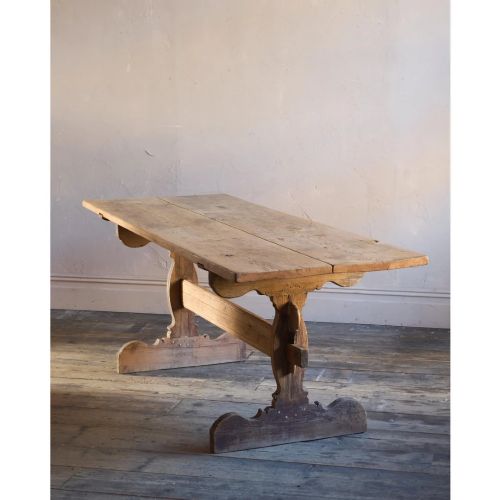
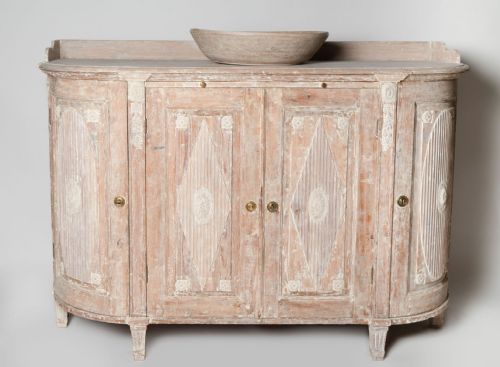
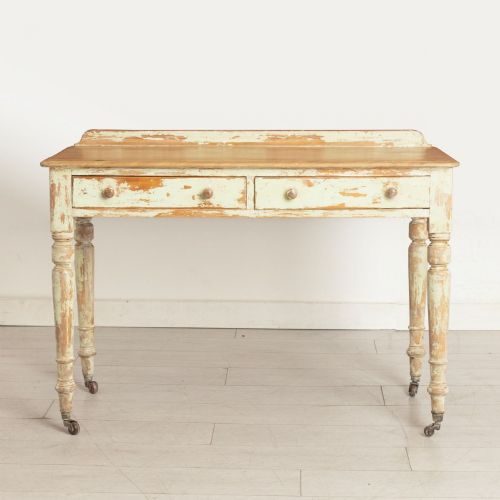
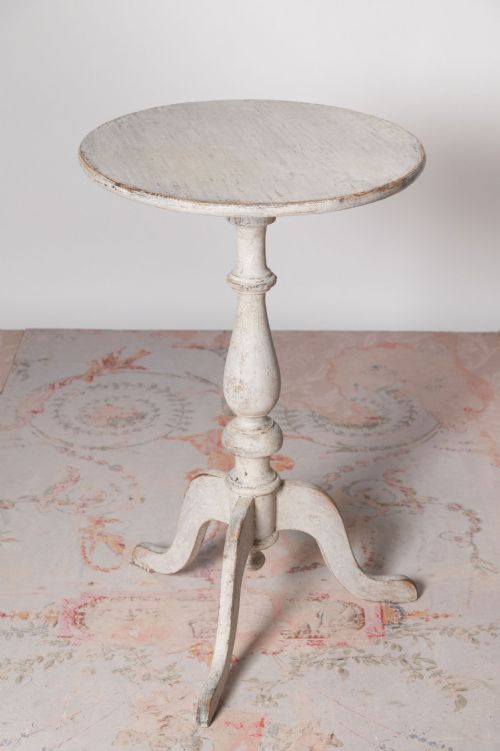
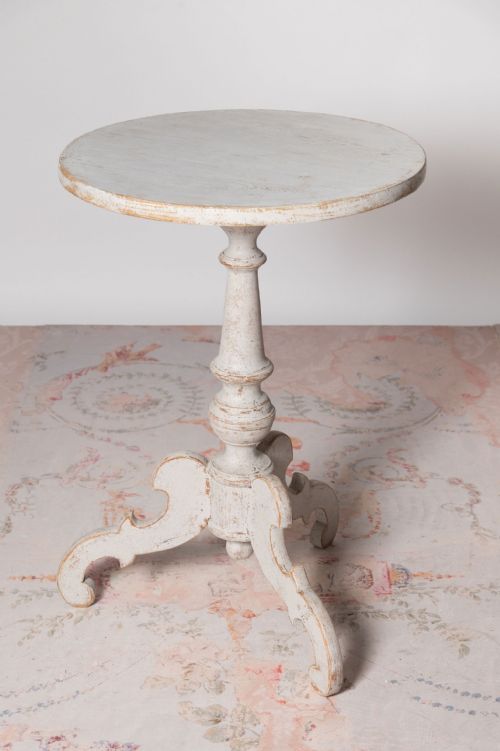
When you search for a swedish country table, you encounter practical wooden furniture designed for domestic and rural use across the Scandinavian countryside. The selection encompasses diverse forms ranging from dining tables and prep tables to smaller side tables, occasional pieces, and writing desks. These furnishings originate primarily from the eighteenth century, the nineteenth century, and around nineteen hundred.
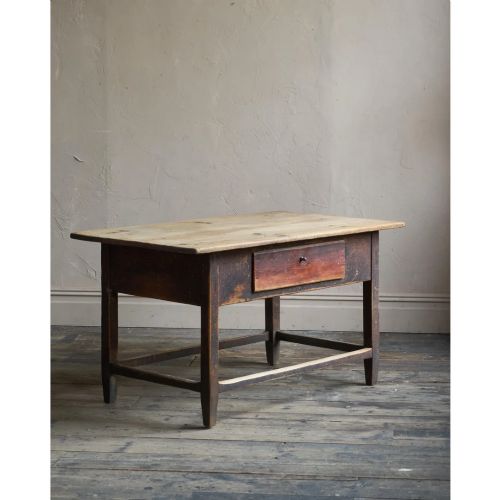
The pieces you meet on this page lean heavily into regional Scandinavian country and rustic farmhouse aesthetics, alongside occasional expressions of Swedish Biedermeier. Common utilitarian formats include bakers tables, baking tables, and tables featuring box stretchers for added stability. Their fundamental purpose remains functional, offering solid surfaces built for daily rural life.
How They Were Made
Makers constructed these tables predominantly using accessible regional timbers such as pine, softwood, and birch, sometimes incorporating hardwood or decorative alder root veneer for specific surfaces. Carpenters utilised straightforward structural joinery suitable for heavy domestic labour and food preparation. Brass elements occasionally appear on particular forms as functional or decorative hardware.
Many surfaces feature layers of historic paint applied over the raw wood, ranging from simple protective coats to decorative finishes. The combination of local softwoods and painted treatments defines the material reality of these Scandinavian furnishings, reflecting the resourcefulness of regional woodworkers.
Retail Price Guide 2026
Typical UK retail prices for swedish country table, calculated from the Sellingantiques database of over a million retail prices indexed since 2003. This retail price guide relies exclusively on Sellingantiques data; no external sources or auction records are used, so the figures do not describe the wider market.
Baking tables carry the faint, flour-dusted memory of generations who kneaded rye bread before the morning fire.
What Varies in Quality
The distinction between ordinary utility items and superior examples lies in the integrity of the original construction and the character of the surface finish. Tables retaining their authentic early paint layers possess a visual depth that modern repainting cannot replicate. The choice of timber also influences the piece, with figured alder root veneer marking out more ambitious occasional tables from standard softwood work.
Proportion and structural balance separate basic utilitarian benches from refined domestic writing and dining furniture. Examples that maintain their original box stretchers and unaltered height demonstrate a higher degree of surviving historical integrity. Quality rests on how cleanly the original function aligns with surviving physical evidence.
The Swedish Country Table Glossary
- Box stretcher
- A horizontal framework connecting the lower legs of a table to provide structural rigidity. This support is particularly common on heavy work tables and baking surfaces.
- Alder root veneer
- A thin decorative layer sliced from the root growth of the alder tree, prized for its swirling grain patterns. It appears on selected occasional tables to create a striking surface appearance.
- Bakers table
- A heavy utilitarian work table designed for kneading dough and food preparation, often featuring a generous overhanging top. These pieces prioritize clean functional surfaces.
- Birch
- A pale, close-grained hardwood native to northern Europe that offers a sturdy structure and smooth finish. It was frequently utilised for nineteenth-century writing and side tables.
- Scandinandinavian country
- A vernacular design tradition focused on utility, simplicity, and local materials. It emphasises functional forms over elaborate ornamentation.
Frequently Asked Questions
What is a swedish country table used for?
These tables served various domestic functions in rural homes, acting as surfaces for dining, food preparation, baking, and writing.
Today, buyers place them in kitchens, living rooms, and studies to provide functional workspace and distinct regional character.
How do I date a painted table?
Dating relies on examining the timber species, construction methods, and the composition of the paint layers present on the wood.
Earlier pieces from the eighteenth century often display heavier wear and distinct joinery compared to nineteenth-century examples and those from nineteen hundred.
Are these tables made of pine?
Pine and softwood form the primary structural materials for many of these regional pieces, chosen for their local abundance and workability.
Alternative materials such as birch and hardwood also appear, alongside decorative alder root veneer on specific occasional formats.
What is a box stretcher?
A box stretcher is a set of low horizontal rails joining all four legs together near the floor to reinforce the frame.
This construction detail adds essential stability to hardworking tables designed for heavy daily use.