

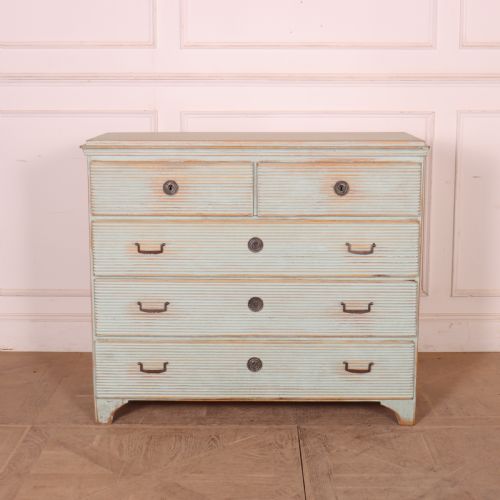


Swedish Country Dresser
A swedish country dresser brings practical storage and pale timber tones to a room.
Swedish Country Dresser
A swedish country dresser and its related storage forms serve as functional farmhouse furniture designed for domestic use. The pieces span periods from the nineteenth century into the twentieth century, bringing utility and traditional Scandinavian character to an interior.
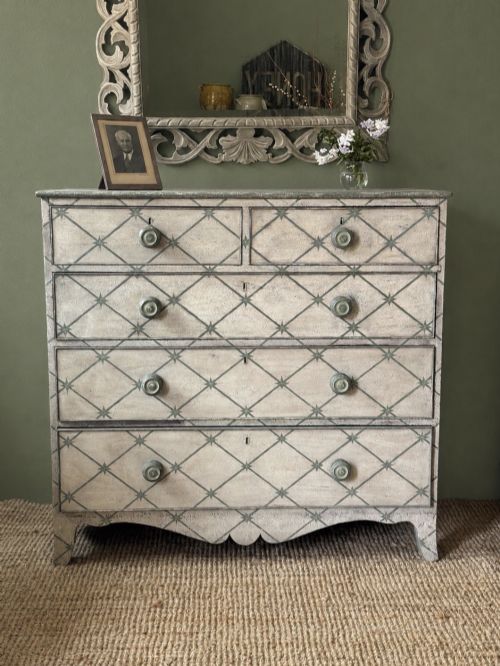
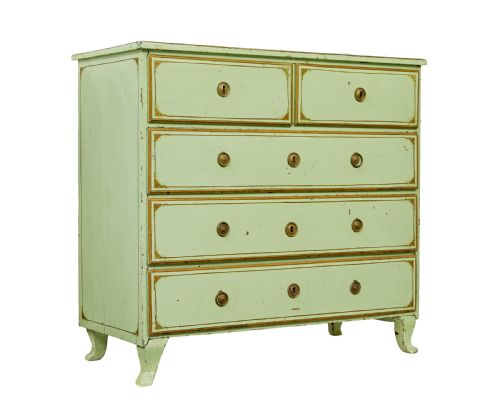
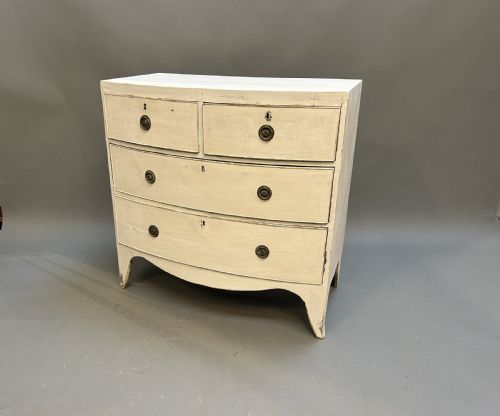
Most examples appearing here belong to the nineteenth century, taking the form of chests of drawers, cupboards, and kitchen cabinets. These storage items reflect regional Scandinavian country design, alongside Gustavian and Biedermeier influences.
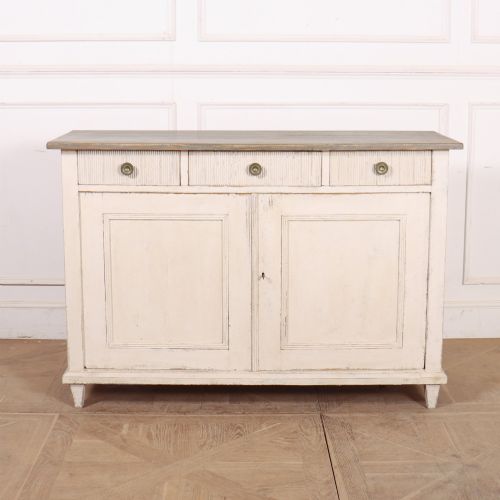
Makers and workshops utilised straightforward timber construction to build robust sideboards, buffets, and miniature dressers for everyday holding of household goods. The scale ranges from large linen cupboards to compact commodes with straight or fluted drawer fronts.
How they were made
Joiners relied primarily on pine, oak, and birch, often selecting satin or masur birch veneers for decorative surfaces. These soft and hardwoods provided a stable foundation for both fitted cabinetry and solid drawer construction.
Surfaces frequently received layers of paint, hand-painted folk art details, or specialised treatments such as scraped paint and ragwork effects. Iron and brass hardware completed the construction, securing doors and operating drawers.
Listings feature nineteenth-century pine, oak, and birch storage forms including commodes, cupboards, and kitchen cabinets.
What varies in quality
The refinement of the painted surface work distinguishes standard utilitarian pieces from more deliberate decorative expressions. Original scraped paint and detailed hand-painted folk art indicate a higher level of artisan investment.
Timber selection drives quality differences, particularly when makers utilised figured masur or satin birch instead of plain pine. The precision of inlaid details and fluted drawer fronts further separates basic storage from finer cabinet work.
Gemla Fabrikers
The Swedish Country Dresser Glossary
- Gustavian
- A Swedish neoclassical style popular in the late eighteenth and nineteenth centuries, known for restrained symmetry and pale finishes. It takes its name from King Gustav III.
- Masur Birch
- A decorative timber showing a distorted grain pattern that creates natural swirling figures. Craftsmen favoured it for drawer fronts and surface panels.
- Commode
- A low cabinet or chest containing drawers or doors, used for domestic storage. In Scandinavian contexts, these often feature painted finishes.
- Ragwork
- A decorative painting technique where fabric or rags are used to manipulate wet paint on a surface. This creates mottled textures and patterned finishes on country furniture.
- Biedermeier
- A Central European and Scandinavian style emphasising utility and clean lines without excessive ornamentation. Furniture from this period prioritises honest wood grains and comfortable domestic function.
Swedish Country Dresser: Frequently Asked Questions
What is a swedish country dresser used for?
These pieces provide domestic storage for kitchenware, linens, and household goods.
Cupboards and chests organise belongings while adding traditional Scandinavian character to a room.
How do I identify a gustavian piece?
Gustavian items exhibit restrained neoclassical lines and pale painted surfaces.
They reflect the lighter aesthetic favored in Swedish design during the nineteenth century.
Are these pieces made of solid wood?
Construction relies heavily on timbers such as pine, oak, and birch.
Some finer surfaces incorporate decorative birch veneers over a stable wooden core.
How do I care for painted wooden furniture?
Keep painted storage items away from direct sunlight and moisture to protect the historic finishes.
Dust surfaces gently with a soft cloth without applying harsh chemical polishes.