

Swedish Country Antiques
These Swedish country antiques bring enduring painted pine, birch and rustic utility into modern rooms.
Swedish Country Antiques
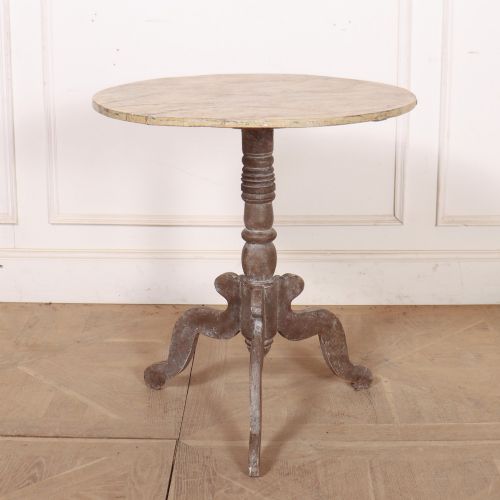
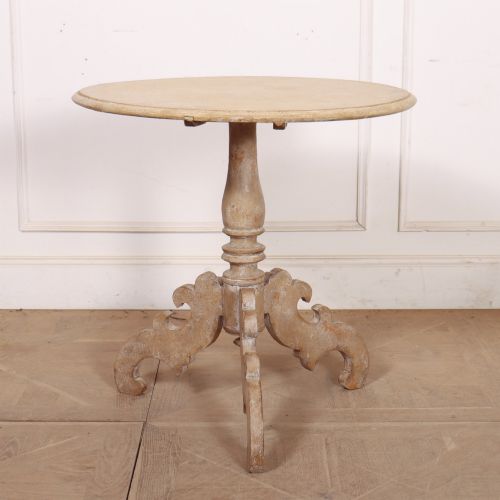
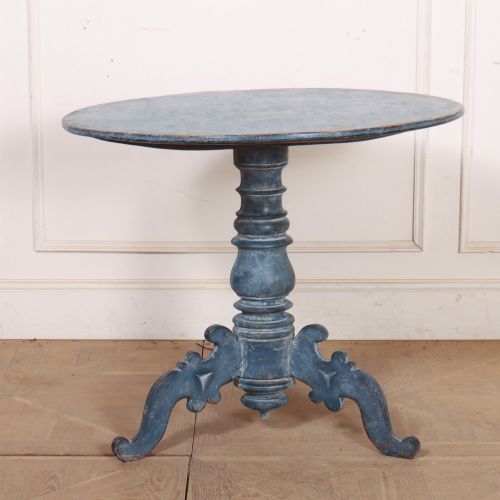
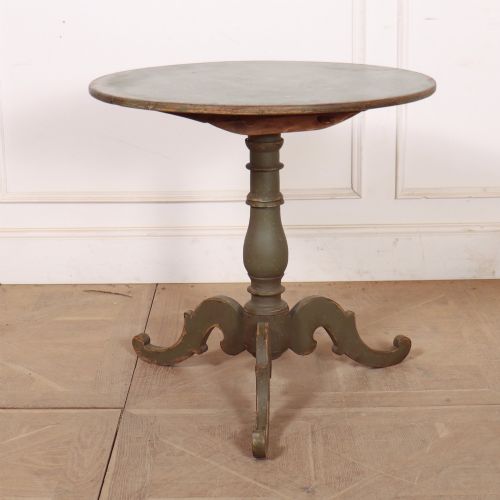
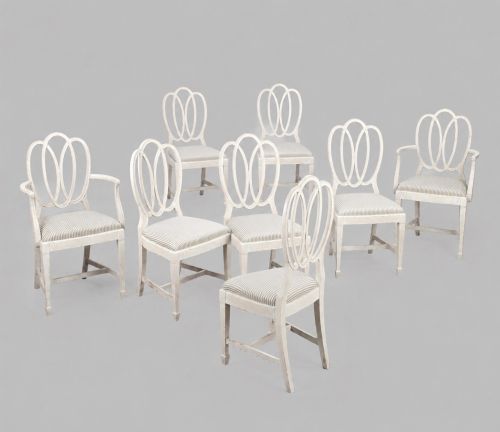
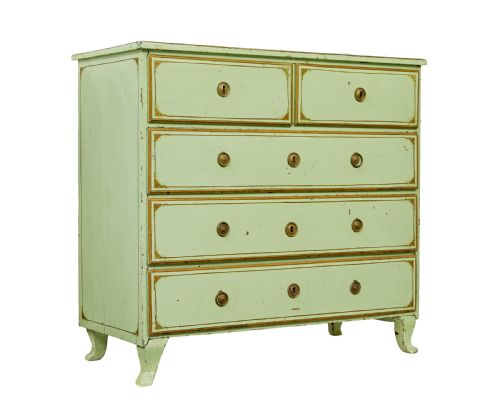
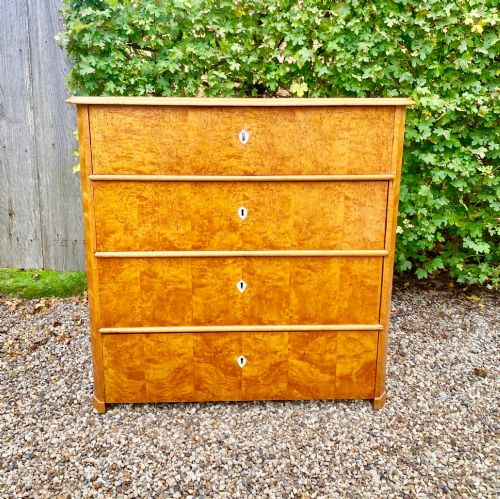
When you search for swedish country antiques, you find domestic furniture and treen rooted in domestic life from the eighteenth and nineteenth centuries. These pieces span practical forms such as chests of drawers, lamp tables, dining tables and cupboards intended for everyday utility.
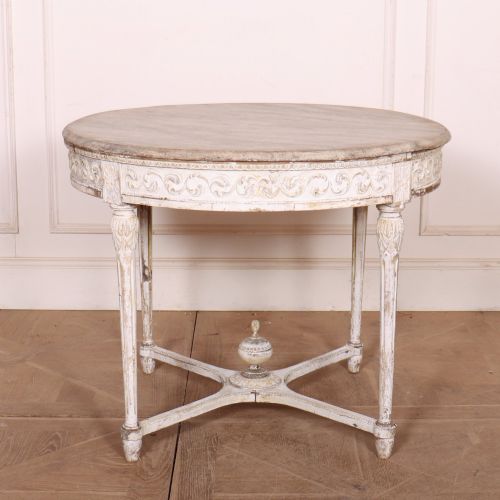
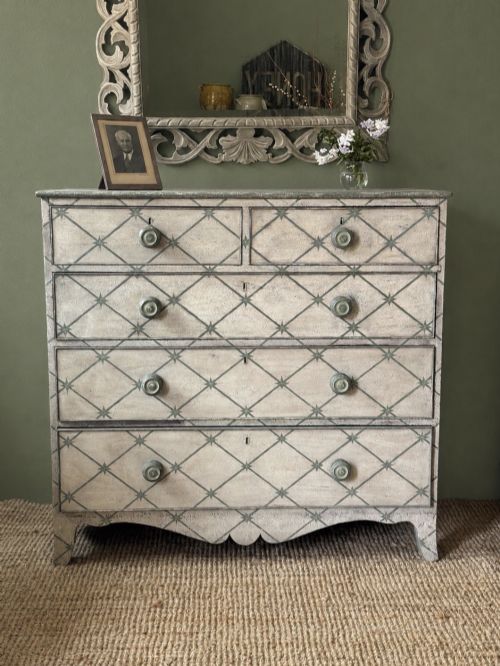
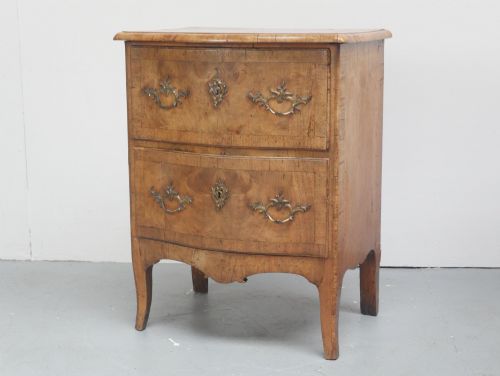
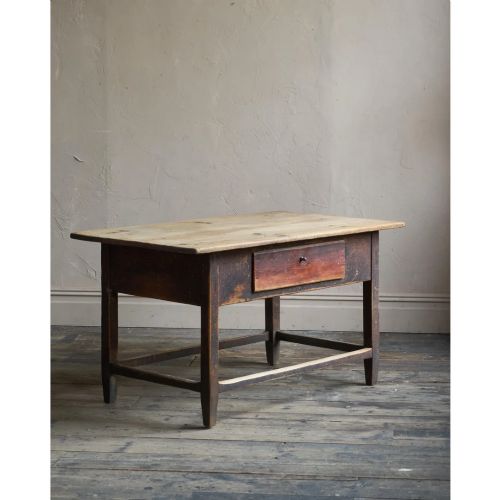
The most common examples on this page are nineteenth-century painted lamp tables and pine chests of drawers. Alongside these sit side tables, corner cupboards, rocking chairs and occasional bowls dating from the eighteenth century onwards.
Origins vary across Scandinavian folk art, Gustavian and rustic farmhouse traditions. Buyers often select them to anchor a room with calm proportions and historic paint finishes.
Materials and construction
Makers relied primarily on softwoods like pine, alongside native hardwoods such as birch and oak. Construction methods prioritized straightforward joinery suitable for regional workshops and domestic requirements.
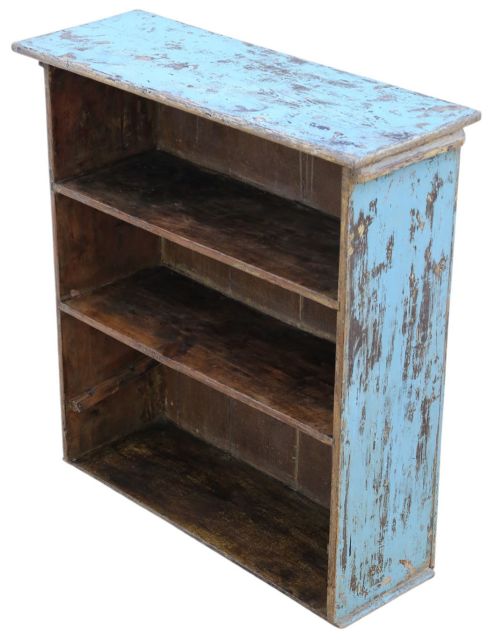
Surfaces frequently received layers of paint, often in blue or neutral tones, applied over pine and softwood bodies. Over decades, this paint weathered naturally to create the patinated finishes seen on marriage chests and side tables.
Swedish Country Antiques Retail Price Guide 2026
Typical asking prices for swedish country antiques among the pieces listed under this phrase on Sellingantiques today, from the lower quarter to the upper quarter. They describe what is for sale here now, not the wider market.
Current listings feature pieces spanning the 18th, 19th and early 20th centuries, constructed primarily from pine, birch and painted wood.
Judging quality and surface
The distinction between ordinary and exceptional pieces rests in the survival of original paint surfaces and restrained carving. Tables and chests that retain their early or original pigment carry greater authenticity than later re-paintings.
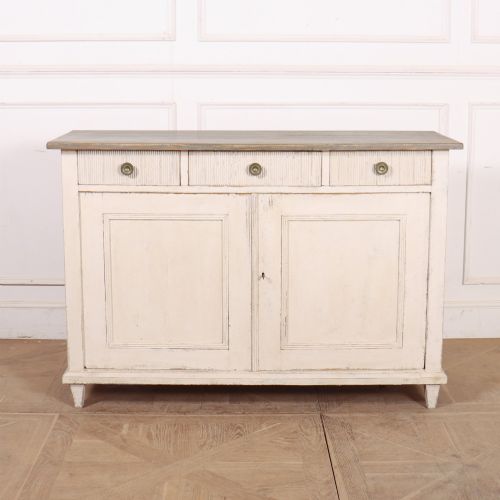
Proportion and structural integrity also separate fine examples from simpler items. Well-turned lamp tables, crisp fluted drawer fronts on commodes and balanced proportions across corner cupboards demonstrate the maker's eye.
The Swedish Country Antiques Glossary
- Gustavian
- The Swedish interpretation of neoclassical style, defined by restrained carved detail, straight tapered legs and pale painted finishes. It emerged during the late eighteenth century under King Gustav III.
- Slagbord
- A traditional Scandinavian dropleaf dining table supported by swinging gate legs. These tables offered flexible surface space in modest rural homes.
- Marriage chest
- A painted trunk or box traditionally commissioned to mark a wedding, frequently inscribed with initials and dates. These chests served for storage and symbolised the start of a household.
- Treen
- Small handmade wooden household objects such as bowls, spoons and boxes. They display the utility and turning skills of regional makers.
- Pine
- A softwood widely utilised across Scandinavian furniture making for its accessibility and workability. It forms the structural carcass for many painted chests and cupboards.
Swedish Country Antiques: Frequently Asked Questions
How do I identify original paint?
Original paint surfaces show natural thinning, fine craquelure and appropriate wear around handles and edges from generations of daily use. Later overpainting often feels flat, hides the underlying wood texture or lacks the tonal depth developed over centuries.
Examining the paint layers under magnification helps reveal historic preparation coats and ground pigments beneath the top finish.
Where were these pieces used?
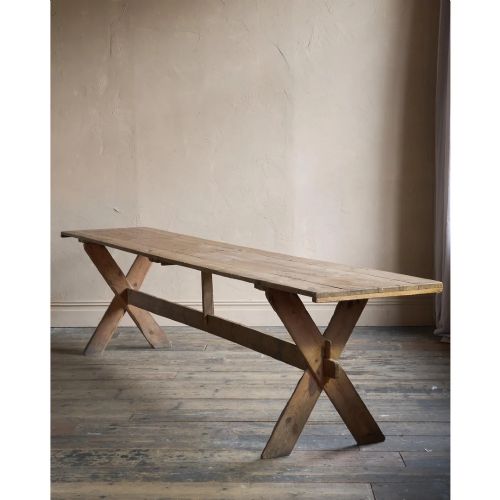
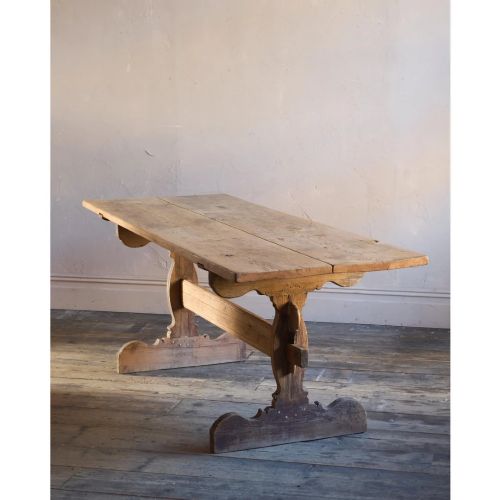
These items originated in rural Swedish homes, farmhouses and provincial manor houses where durability and simple storage mattered most. Cupboards, chests and trestle tables equipped families to store textiles, provisions and dining wares.
Today, their restrained scale and functional forms allow them to transition easily into modern hallways, bedrooms and sitting rooms.
How do I care for painted wood?
Protect painted furniture by keeping pieces away from direct sunlight and maintaining stable indoor humidity levels to prevent timber movement. Dust surfaces gently with a dry, soft cloth rather than utilising harsh cleaning sprays or abrasive polishes.
Allowing the antique finish to age naturally preserves the character and integrity of the historic paint.
What defines Gustavian style?
Gustavian design strips away heavy Baroque ornament in favour of clean neoclassical lines inspired by French fashion adapted to Scandinavian restraint. It relies on symmetrical forms, fluted columns, straight tapered legs and soft grey, white or cream paint.
This aesthetic creates a sense of light and space within traditional and contemporary interiors alike.