




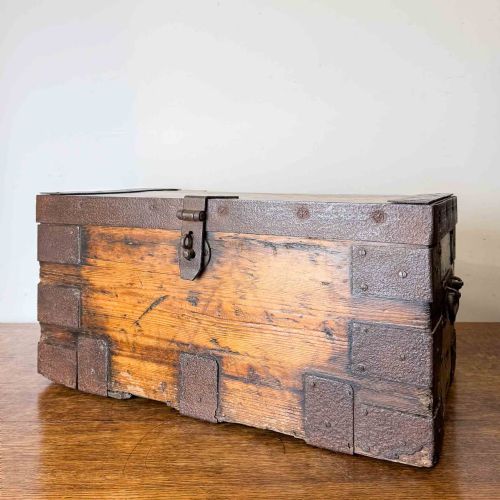


Vintage Money Box
A vintage money box is a small depository for coin savings, and the examples gathered here span cast iron mechanicals, earthenware pots, and iron strongboxes.
Vintage Money Box
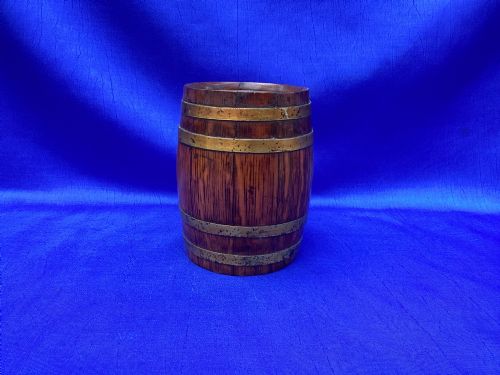
A vintage money box encompasses a diverse array of small receptacles designed to secure coins, ranging from mechanical cast iron banks to earthenware pots and heavy iron strongboxes. When searching for a vintage money box, collectors encounter various domestic and utilitarian forms spanning the nineteenth and early twentieth centuries. The selection includes mechanical banks, barrel money boxes, and puzzle book boxes alongside traditional ceramic figures.
The objects originate from English, French, Swedish, and American workshops, displaying distinct regional traits in their construction and decoration. Earthenware examples from regional potteries sit alongside industrial cast iron safes and carved hardwood figural pieces. This variety reflects the different ways households and individuals stored their savings across the Victorian and Edwardian eras.
Materials and construction
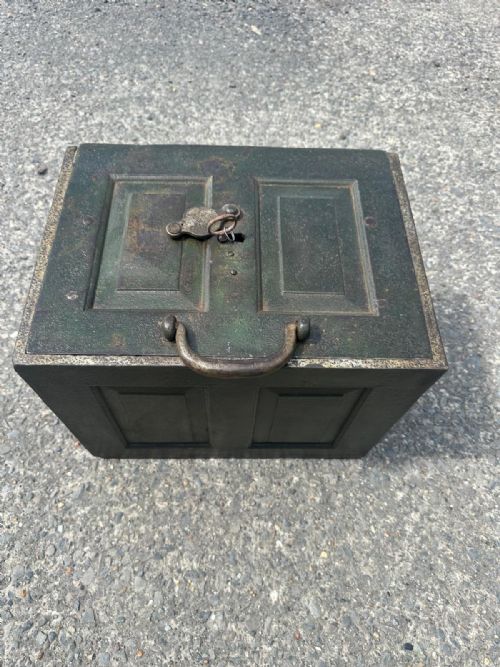
Makers utilised durable metals such as cast iron, brass, bronze, and tinplate to form robust safes and mechanical banks, frequently applying hand-painted finishes for visual detail. Iron strongboxes often incorporate internal locking mechanisms and straps of iron to reinforce the wooden or metal body.
Organic materials like oak, elm, pine, and carved hardwood provide the structure for barrels, puzzle books, and figural boxes. Earthenware pieces rely on traditional clay bodies shaped by hand or on a wheel, finished with glazes or paint before firing.
Vintage Money Box Retail Price Guide 2026
Typical asking prices for vintage money box among the pieces listed under this phrase on Sellingantiques today, from the lower quarter to the upper quarter. They describe what is for sale here now, not the wider market.
Materials represented in the inventory include cast iron, brass, earthenware, painted spelter, pine, elm, oak, and lacquered wood.
What separates the finest examples
Quality rests upon the preservation of original painted surfaces, patination, and the complexity of internal mechanisms in mechanical banks and combination safes. Examples retaining their original keys, working locks, and untouched polychrome paint command greater attention from collectors.
The refinement of the casting in iron pieces and the skill evident in hand-carved woodwork or regional pottery dictate the standing of an individual piece. Superior craftsmanship shows in crisp detail on figural subjects and robust, uncompromised joinery on timber strongboxes.
John Harper Co.·Milners of Liverpool
The Vintage Money Box Glossary
- Mechanical bank
- A cast iron or tin coin container that performs an action when a lever is pressed or a coin is inserted. These devices were popular in the late nineteenth century.
- Strongbox
- A heavily reinforced secure box made from iron, steel, or bound timber, designed to protect valuables and currency. They often feature complex internal locking levers.
- Verwood pottery
- Earthenware produced in the Dorset pottery tradition, known for traditional lead-glazed domestic wares and utilitarian forms. Pieces from this tradition often display rustic local characteristics.
- Spelter
- An alloy of zinc and lead cast into decorative figures and objects, frequently painted to resemble bronze. It provides a lighter and less costly alternative to solid bronze.
- Patina
- The surface sheen and colour acquired by materials through age, handling, and wear over decades. Good patination indicates natural ageing rather than artificial alteration.
Vintage Money Box: Frequently Asked Questions
How do mechanical money banks work?
Mechanical banks operate through internal spring-loaded levers and linkages activated by the weight of a coin or the manipulation of an external trigger. When a user inserts a coin and presses the mechanism, figures move to deposit the currency inside.
These animated actions were designed to encourage saving among children through entertainment. The complexity of these internal components varies between different models and manufacturers.
What is an iron strongbox used for?
An iron strongbox serves as a portable secure container for storing currency, important documents, and small valuables within a household or office. Their heavy metal construction and integral locks provided basic security before domestic wall safes became common.
Many examples feature reinforced iron straps and specialised locking mechanisms requiring specific keys. They are collected today for their industrial aesthetic and robust blacksmithing.
Are earthenware money pots fragile?
Earthenware money pots are susceptible to cracking and chipping if dropped or handled without care, due to the porous nature of fired clay. Unlike metal safes, historic ceramic pots often required breaking to retrieve the accumulated coins.
Surviving examples that remain intact are consequently scarcer, as most were destroyed to empty their contents. Displaying them safely involves placing them on stable surfaces away from heavy traffic.
How can I tell a Victorian cast iron bank apart from later copies?
Victorian cast iron banks exhibit crisp casting details, heavy weight, and specific surface textures associated with nineteenth-century foundry work. The fasteners used in construction typically consist of older slot-head screws or riveted pins rather than modern hardware.
Examining the paint layers under magnification helps reveal age-appropriate wear and oxidation beneath the surface finish. Reproductions often feel lighter and display softer surface definition in the cast figures.