


Swedish Birch Table
When you search for a swedish birch table, you enter a world of pale, figured wood and restrained Scandinavian elegance.
Swedish Birch Table
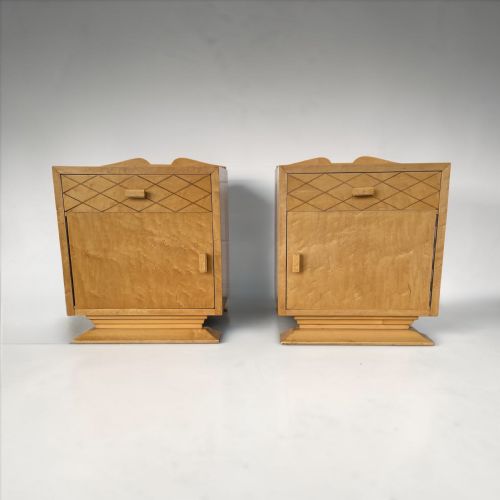
A swedish birch table encompasses a variety of forms designed for daily living, from occasional and centre tables to writing desks and coffee tables. These pieces emerge predominantly from the nineteenth century through the art deco period of the 1920s and 1930s, reflecting shifts in Nordic interior taste.
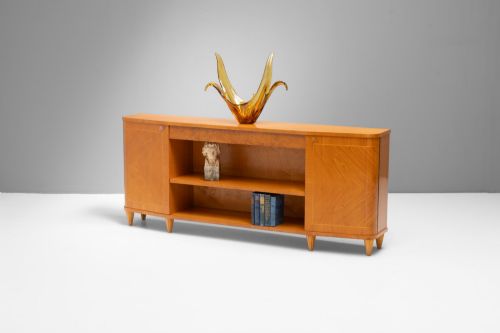
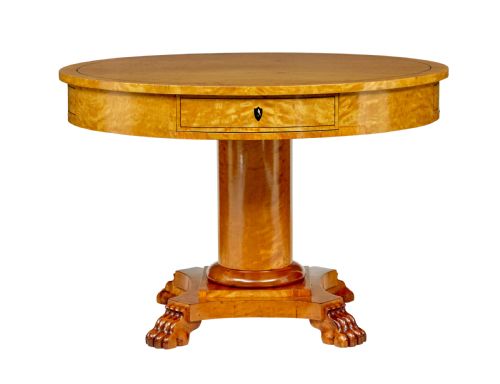
The nineteenth-century examples often display the rich grain figures of burr and satin birch, frequently aligned with Swedish Biedermeier or Empire styles. By the early twentieth century, simpler lines take precedence in Scandinavian art deco and Swedish grace designs, focusing attention squarely on the natural timber.
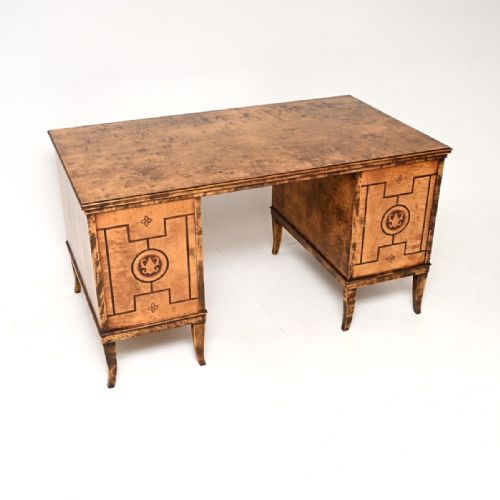
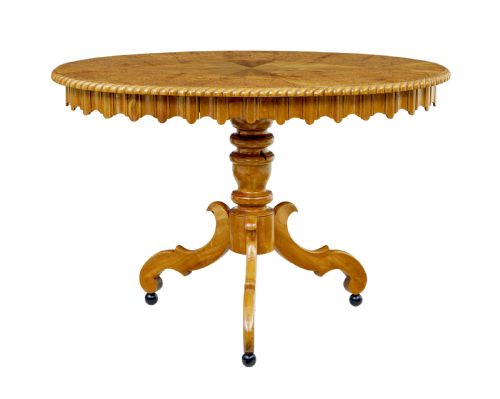
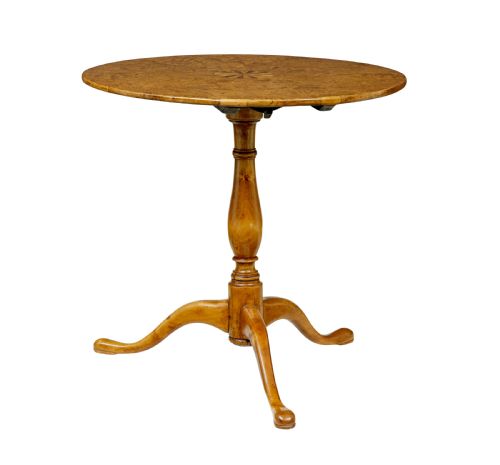
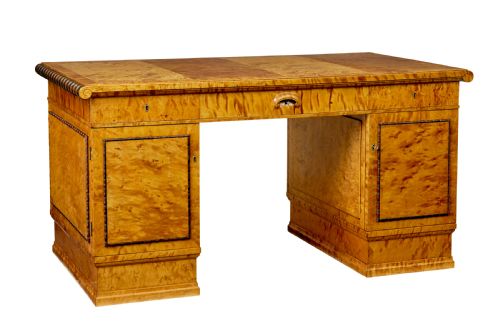
Occasional tables and side tables appear most frequently, serving practical functions in domestic spaces while showcasing the luminous quality of the wood. Larger centre tables and pedestal desks also surface, offering substantial surfaces marked by understated geometric forms.
Assessing quality
Quality rests heavily on the selection and matching of the birch veneer, where top-tier examples display dramatic, unbroken burr patterns across the entire surface. Inferior pieces rely on plain timber or show clumsy veneer patches that interrupt the natural flow of the grain.
Structural harmony also dictates value, distinguishing master joinery from routine production. The crispness of ebonised detailing and the stability of pedestal or tripod bases separate standard utilitarian items from exceptional cabinet work.
Listings feature pieces spanning the nineteenth century through the 1930s, dominated by solid birch, burr birch, and satin birch.
The Swedish Birch Table Glossary
- Burr birch
- A timber featuring distorted growth nodes that produce intricate, swirling grain patterns. Highly prized by Scandinavian cabinetmakers for decorative table tops.
- Satin birch
- A bright, pale timber with a natural sheen that reflects light across the surface. Frequently utilised in Biedermeier and nineteenth-century occasional tables.
- Ebonised wood
- Timber treated with a dark stain or finish to imitate ebony. Provides stark visual contrast against pale birch veneers.
- Biedermeier
- A central European design style spanning the nineteenth century, characterised by utilitarian comfort and clean lines. Scandinavian interpretations favour unadorned birch timbers.
- Tripod table
- A small freestanding table supported by a single central pillar resting on three feet. Common amongst nineteenth-century occasional and tea tables.
Swedish Birch Table: Frequently Asked Questions
How do I care for a birch table?
Maintaining a birch table requires protecting the pale wood and delicate veneers from excessive moisture and direct sunlight. Use coasters and dry dust with a soft cloth to preserve the finish.
Avoid harsh chemical cleaners, applying a suitable paste wax occasionally to nourish the timber and maintain its natural lustre.
How do I date a birch table?
Dating these tables involves examining the construction methods, hardware, and prevailing stylistic markers of the piece. Nineteenth-century examples often feature Biedermeier curves and rich burr veneers.
Twentieth-century pieces from the 1920s and 1930s lean towards streamlined art deco geometries and minimal ornamentation.
Where were these tables used?
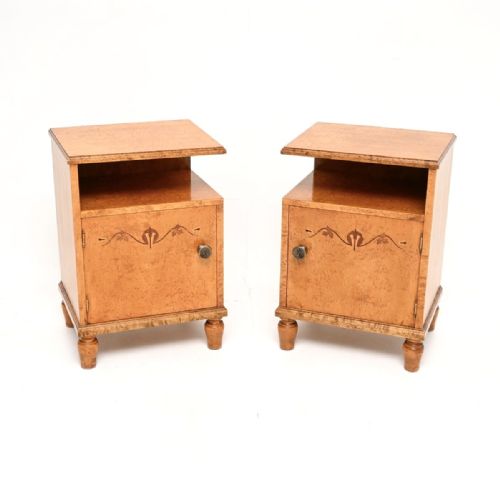
These tables served various domestic functions in Scandinavian homes, acting as centres for tea, writing, or display in parlours and drawing rooms. Smaller occasional and bedside models fit easily beside seating or sleeping quarters.
Larger centre tables anchored main living spaces, functioning as decorative focal points as well as practical surfaces.