
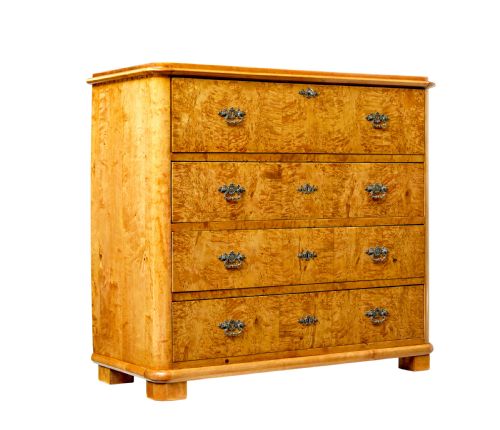


Swedish Birch Cabinet
A swedish birch cabinet brings pale grain and calm proportion to a room, ranging from Biedermeier secretaires to Art Deco bookcases.
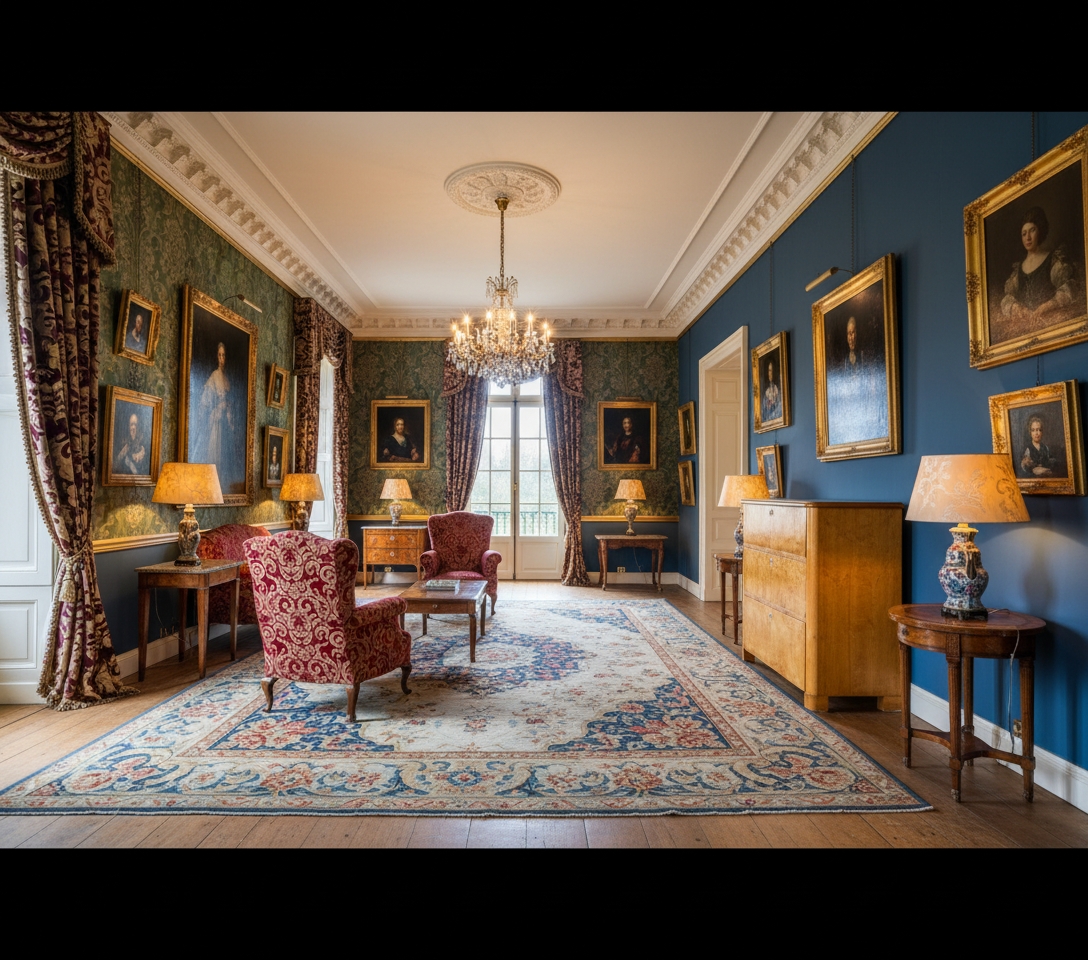
Swedish Birch Cabinet
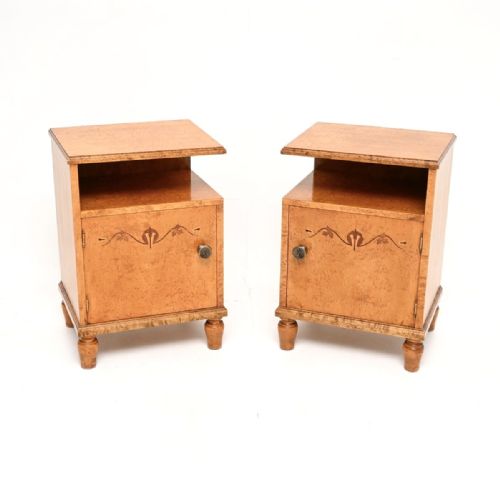
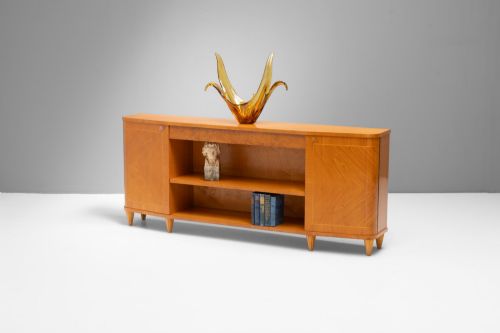
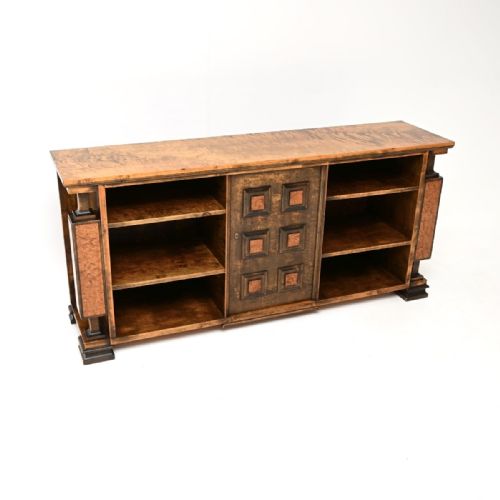
A swedish birch cabinet encompasses a variety of storage furniture originating from Scandinavia across the nineteenth and twentieth centuries. Buyers search for these pieces to introduce pale timber and clean architectural lines into domestic interiors. The selection spans utilitarian cupboards, tall bookcases, and refined display pieces.
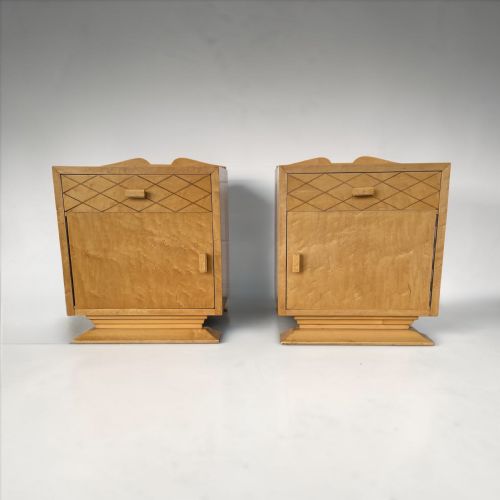
The most common examples encountered on this page date from the nineteenth century, particularly Biedermeier secretaire chests of drawers, alongside Art Deco and Swedish Grace designs from the nineteen-thirties. These range from modest bedside cabinets and small table boxes to grand architectural wardrobes and sideboards.
Forms include chests of drawers, fitted cupboards, low open bookcases, and bedside tables, often paired with contrasting woods such as walnut or elm. Pieces appear from periods including nineteen-hundred, nineteen-ten, and nineteen-forty, reflecting shifting regional tastes in domestic storage.
How they were made
Carpenters utilised native birch timber, plain birch veneer, and highly figured burr birch or satin birch to face cabinet carcases built from pine. Surfaces frequently display intricate grain patterns matched symmetrically across drawer fronts and cupboard doors.
Makers integrated contrasting details in ebonised wood, walnut, elm, and brass fittings, occasionally topping bedside cabinets with marble slabs. Construction methods combined solid timber framing with precise veneering techniques developed across successive stylistic periods.
Materials recorded across the inventory include satin birch, burr birch, ebonised wood, brass, glass, and marble.
What varies in quality
Quality rests upon the selection and matching of the birch veneer, where striking burr or satin grain figures distinguish superior cabinetmaking from plain timber construction. The handling of secondary woods like pine and the precision of inlaid details further separate standard production from masterwork execution.
Proportion and structural restraint define the finest examples, particularly in Biedermeier and Art Deco commissions where balanced forms govern the design. Signed works by documented makers demonstrate a higher grade of internal joinery and hardware integration.
Sandberg and Co·Otto Schulz·Boet·Oscar Nilsson·Nordiska Kompaniet
The Swedish Birch Cabinet Glossary
- Biedermeier
- A central European and Scandinavian design style prevalent in the nineteenth century, known for clean lines and polished wood surfaces without excessive ornamentation.
- Secretaire
- A desk form featuring a drop-front writing flap that conceals small drawers and pigeonholes within a chest of drawers or cabinet.
- Burr birch
- A timber cut from a tree growth or burl, yielding swirling, knotty grain patterns prized for decorative veneering.
- Satin birch
- A term historically applied to birch timber selected for a smooth, lustrous surface sheen resembling satin.
- Ebonised wood
- Timber treated with a dark stain or finish to imitate ebony, often used for contrasting mouldings and trim.
Swedish Birch Cabinet: Frequently Asked Questions
What periods do these cabinets come from?
The pieces span the nineteenth century through the mid-twentieth century, capturing shifts in Scandinavian design from early Biedermeier to Art Deco and Swedish Grace.
Dating relies on stylistic markers, construction methods, and materials recorded across nineteenth-century examples and nineteen-thirties modernism.
How do I identify a Biedermeier piece?
Biedermeier furniture prioritises clean structural lines, polished wooden surfaces, and minimal ornamentation, allowing the natural grain of birch to serve as the primary decoration.
These pieces often take the form of secretaire chests of drawers or cabinets with restrained architectural proportions.
What is satin birch?
Satin birch is a designation used for timber possessing a particularly smooth, light grain with a natural sheen that catches the light.
Cabinetmakers utilised this material extensively for decorative veneer panels on the fronts of chests and bedside cabinets.
Are these pieces made of solid wood?
Carcases are typically constructed from pine as a stable secondary wood, which is then faced with birch, burr birch, or satin birch veneer.
Some smaller forms or specific components utilise solid birch alongside applied decorative elements in contrasting timbers.
How do I care for birch furniture?
Keep wooden surfaces away from direct sunlight and excessive heat sources to prevent the natural timber and delicate veneers from drying out.
Clean gently with a dry or slightly damp cloth, avoiding harsh chemical polishes that might damage historic finishes.