



Sunset Canvas Painting
A sunset canvas painting captures the fading light of day through rich brushwork, offering timeless atmosphere for any room.
Sunset Canvas Painting
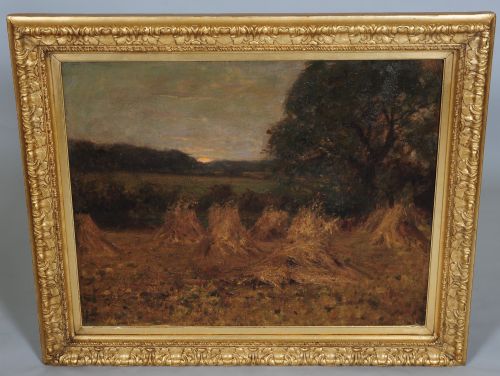
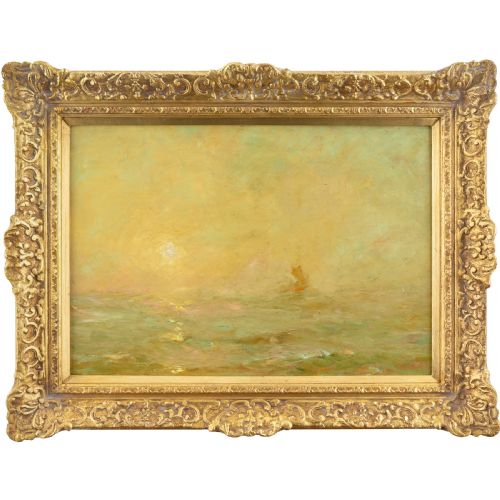
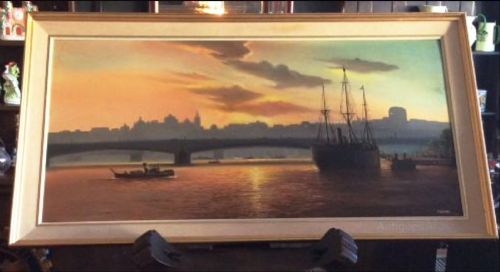
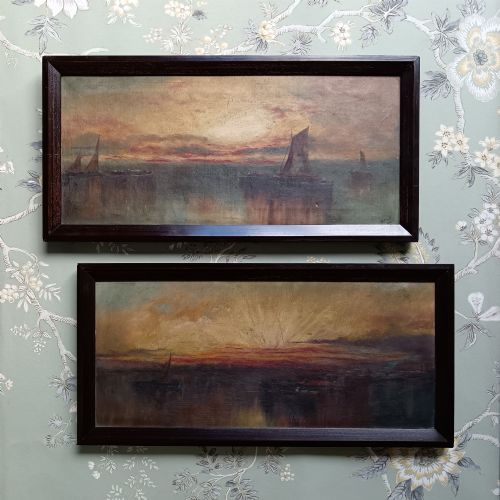
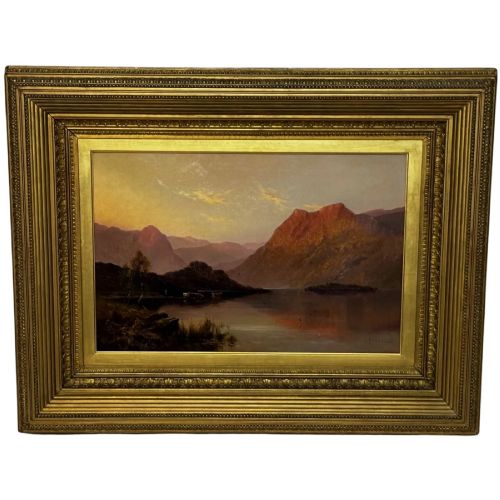
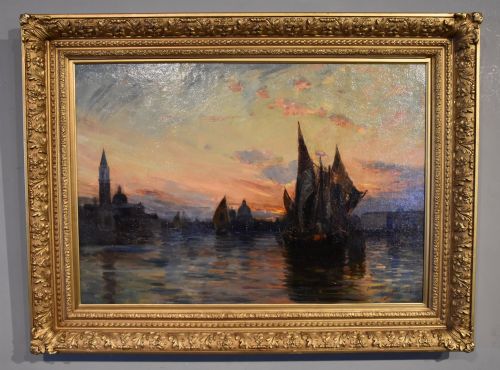
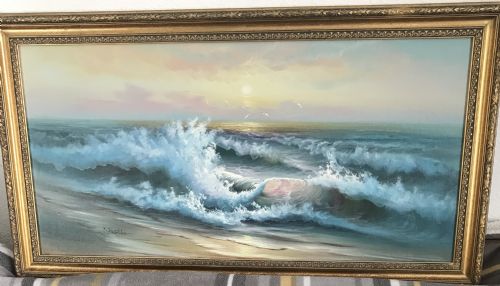
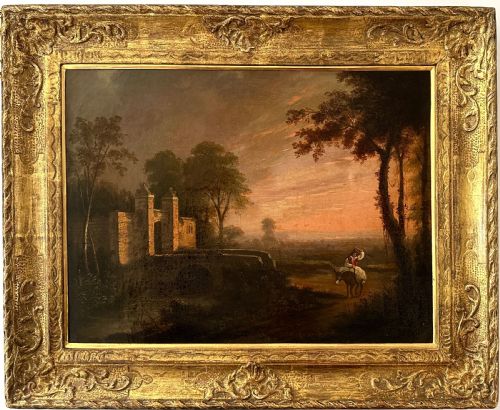
A sunset canvas painting represents twilight, dusk, and evening scenes rendered in oil paint on woven fabric supports. When searching for a sunset canvas painting, buyers encounter works spanning from the nineteenth century through the mid twentieth century. These pieces record landscapes, maritime views, and coastal settings illuminated by the last light of day.
How they were made
Artists built these works using oil paint applied to prepared canvas stretched over wooden frames. The medium allowed for layered brushwork that captured the shifting chromatic qualities of dusk and twilight. Gold leaf and giltwood frames often completed the presentation, adding reflective weight to the perimeter of the composition.
Support materials typically involved woven canvas fixed to timber stretchers, sometimes housed within ornate gesso mouldings. Pigments were manipulated to render the luminous transitions of evening skies over water, marshland, or woodland.
Sunset Canvas Painting Retail Price Guide 2026
Typical asking prices for sunset canvas painting among the pieces listed under this phrase on Sellingantiques today, from the lower quarter to the upper quarter. They describe what is for sale here now, not the wider market.
Several canvases record geese flying over the Fens just as the evening light hits the reeds.
What varies in quality
The distinction between standard works and exceptional examples rests in the handling of light and atmospheric depth. Superior paintings demonstrate confident brush control that convincingly renders the complex hues of evening without muddying the palette. The integration of the canvas support with the original frame also influences the overall integrity of the piece.
Ernest Rigg·William Ayerst Ingram·Alfred Fontville de Breanski Jr·Thomas Hodgson Liddell·Henri Jaques Delpy·George Vicat Cole·Frank Hider·Roger de la Corbiere·Walter Williams·Herbert Royle·William Langley·Henry H Parker·Charles Pettitt·Samuel Bough
The Sunset Canvas Painting Glossary
- Canvas
- A heavy woven fabric used as a support surface for oil paintings. It is typically stretched tightly across a wooden frame before painting.
- Gesso
- A plaster mixture applied to wood or canvas to prepare a smooth surface for painting or to build up relief details on frames. This ground provides stability for the subsequent layers of paint or gilding.
- Giltwood
- Wood that has been treated with a thin layer of gold leaf or metallic powder. It appears frequently on antique picture frames surrounding nineteenth-century landscapes.
- Impressionism
- An artistic style characterised by relatively small, thin yet visible brush strokes and an emphasis on accurate depiction of light. Works in this manner often focus on transient effects of weather and sunset.
Sunset Canvas Painting: Frequently Asked Questions
How do I date an old sunset canvas painting?
Dating relies upon stylistic markers, stretcher construction, and framing materials characteristic of specific periods like the Victorian era or the early twentieth century. Signatures and biographical details of the artist also help narrow the timeframe.
Examining the reverse of the canvas can reveal old exhibition labels, stamps, or dealer inscriptions that provide additional chronological clues.
Where should I hang a sunset canvas painting?
These works suit principal living spaces or studies where ambient lighting enhances the warm palette of the evening scene. Position them away from direct sunlight to protect the oil pigments.
Pairing the canvas with traditional interior elements allows the gilt frame to interact naturally with room illumination.
What subjects appear in these sunset paintings?
Common subjects include coastal waters, maritime vessels, highland landscapes, and pastoral scenes captured at close of day. Artists frequently depicted rivers, bridges, and harvest fields during twilight.
Each subject type utilises the fading light to create distinct tonal contrasts across the canvas surface.