







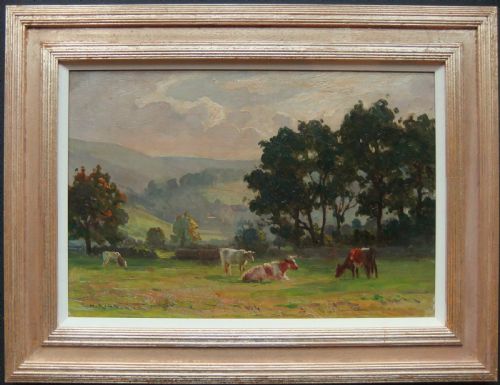

Ernest Rigg Oil Painting
An ernest rigg oil painting brings British Impressionism into a room with rich brushwork and rural character.
Ernest Rigg Oil Painting
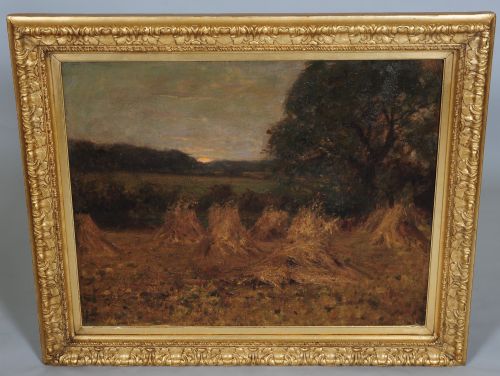
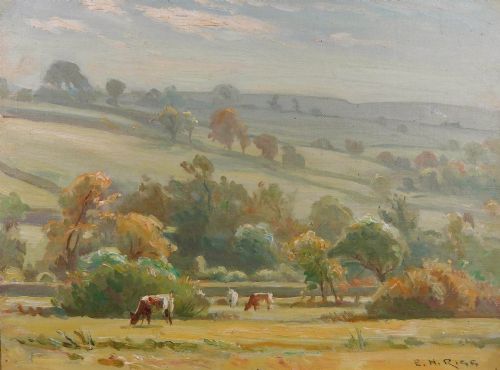
An ernest rigg oil painting captures rural scenes, village life, and landscapes across Yorkshire, Devon, and Hertfordshire. These works sit firmly within British Impressionism, documenting rural subjects from the early twentieth century and the nineteenth century.
The most common examples on this page date from nineteen ten, portraying northern dales, haystacks, and local gardens. Such works reflect the artist's engagement with regional landscapes through expressive oil paint on canvas.
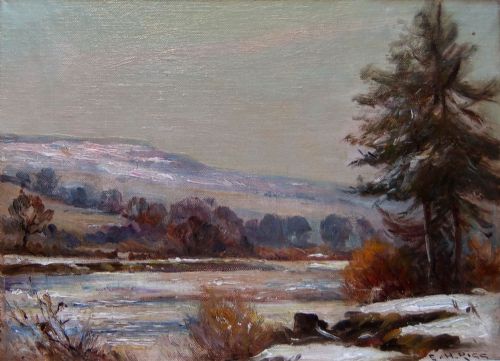
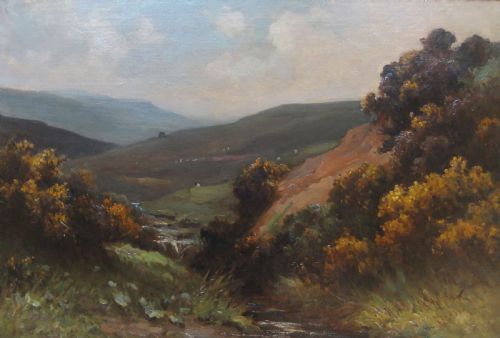
Collectors encounter various compositions ranging from moorland streams and valleys to farm buildings and domestic gardens. Each piece records specific topographical locations associated with the artist's working life.
Materials and methods
These artworks utilise oil paint applied to canvas supports, capturing light and atmosphere through textured brushstrokes. The physical application of pigment creates a tangible surface depth characteristic of the period's impressionist technique.
Many surviving pieces retain timber and giltwood framing that complements the painted surface. The combination of oil on canvas within traditional wooden moulding completes the physical structure of each fine art painting.
Ernest Rigg Oil Painting Retail Price Guide 2026
Typical asking prices for ernest rigg oil painting among the pieces listed under this phrase on Sellingantiques today, from the lower quarter to the upper quarter. They describe what is for sale here now, not the wider market.
Crackpot Ghyll sounds like a fictional place, but it is a steep Yorkshire ravine immortalised in paint.
Assessing quality in these works
Quality rests in the vigour of the brushwork and the clarity of light captured across the canvas. Stronger compositions handle the interplay of shadow and seasonal atmosphere with particular deftness.
The choice of subject matter and the fidelity of local topographical detail influence the visual impact of each painting. Works depicting specific named locations often demonstrate a sharper focus on regional character.
Ernest Higgins Rigg
The Ernest Rigg Oil Painting Glossary
- British Impressionism
- A painting style developed in Britain focusing on light, outdoors observation, and loose brushwork. It shares affinities with French movements while retaining a distinct local character.
- Oil Paint
- A slow-drying paint made by mixing pigments with a drying oil such as linseed. This medium allows for rich blending and textured impasto surfaces.
- Canvas
- A closely woven heavy fabric used as a support for oil paintings. It is typically stretched across a wooden frame before painting.
- Giltwood
- Wood that has been coated with a thin layer of gold leaf or gold paint. It frequently appears on traditional picture frames from this era.
- Staithes Group
- An association of artists inspired by the Yorkshire fishing village and surrounding dales. Members focused on plein-air painting and local rural life.
Ernest Rigg Oil Painting: Frequently Asked Questions
Who was Ernest Rigg?
Ernest Higgins Rigg was a British artist active during the late nineteenth and early twentieth centuries.
His work connects closely with British Impressionism and regional landscape painting, particularly in Yorkshire and surrounding rural areas.
What subjects do these paintings show?
The subjects focus primarily on northern landscapes, dales, farms, and village gardens.
Common themes include moorland streams, haystacks, local cottages, and seasonal views such as winter pastures and summer gardens.
How should I frame an oil painting?
Traditional timber or giltwood frames suit these canvases best, matching the period of creation.
Proper framing protects the canvas edges and complements the aesthetic of early twentieth-century British art.
How do I identify the date of a work?
Dates often appear in the title records based on signed signatures, exhibition records, or stylistic markers.
The featured pieces span from the nineteenth century through the nineteen tens and nineteen twenties.