

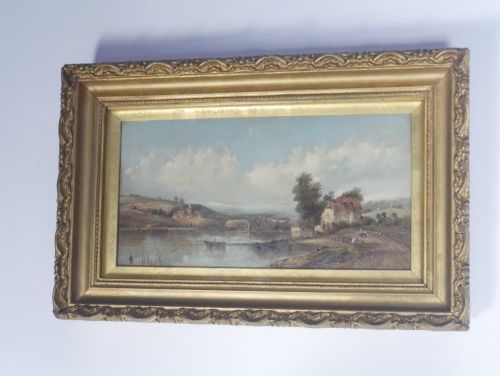
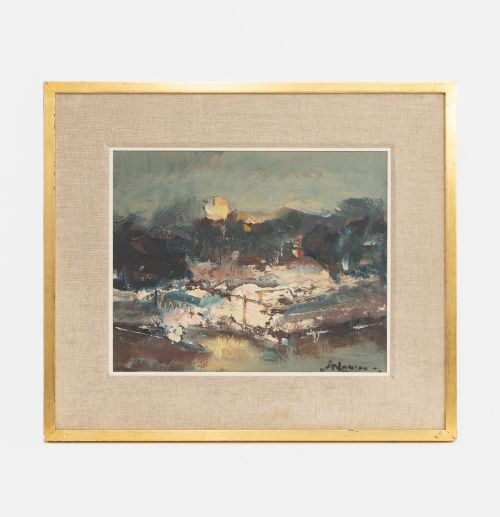
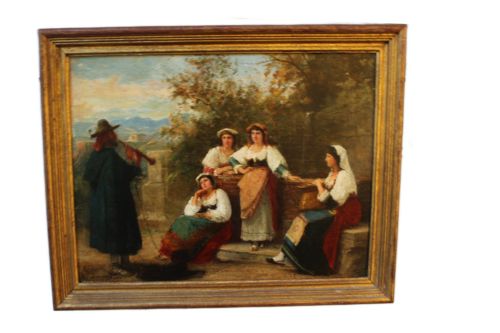
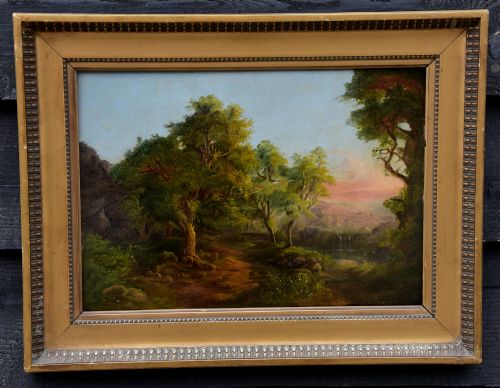
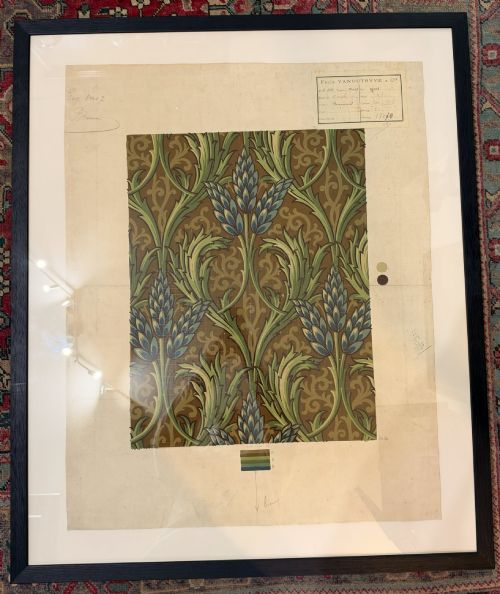
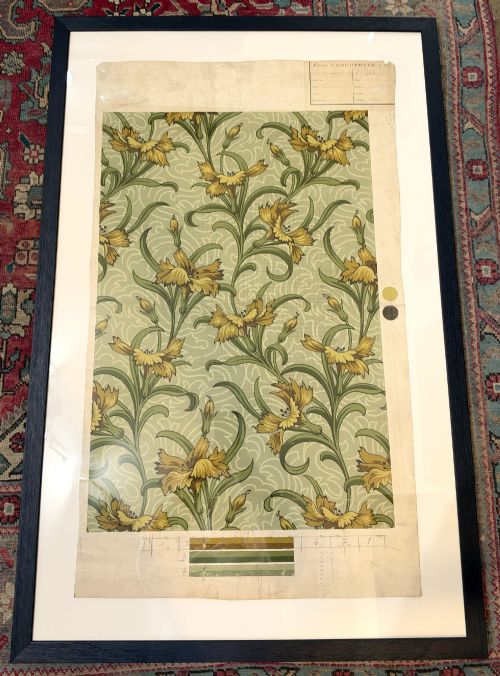
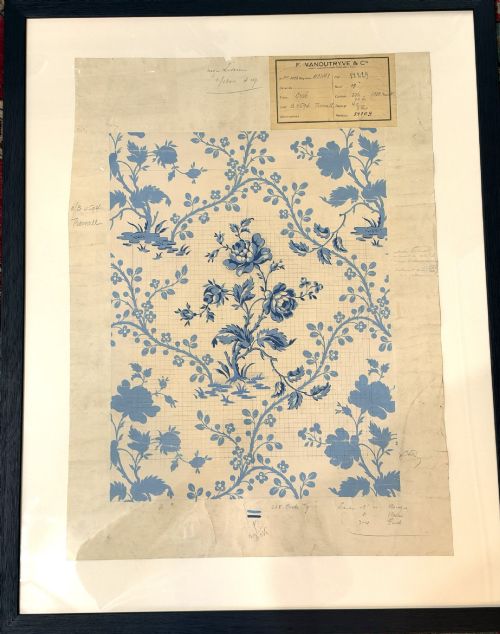
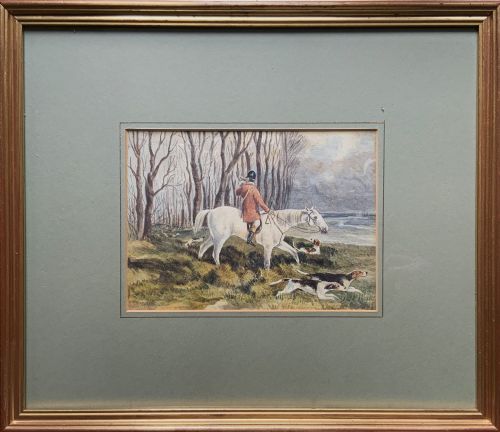
Original Framed Wall Art
Original framed wall art brings historical depth and personal character to an interior through authentic paintings and works on paper.
Original Framed Wall Art
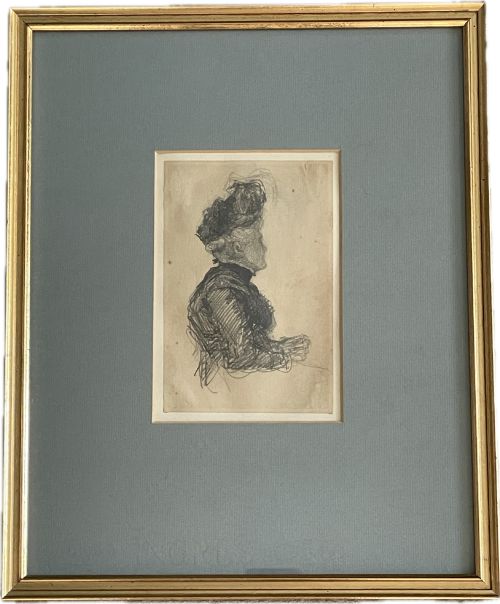
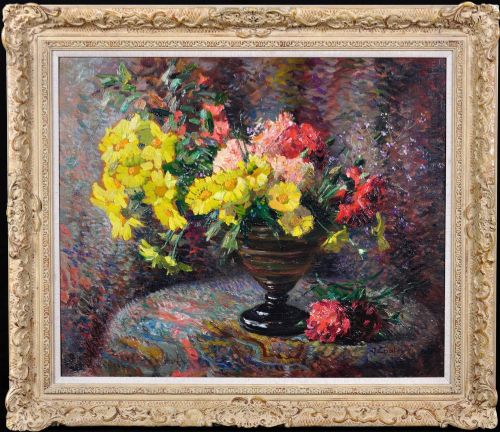
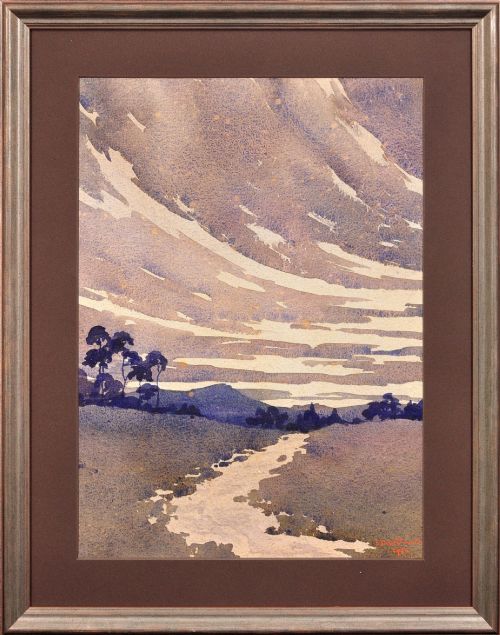
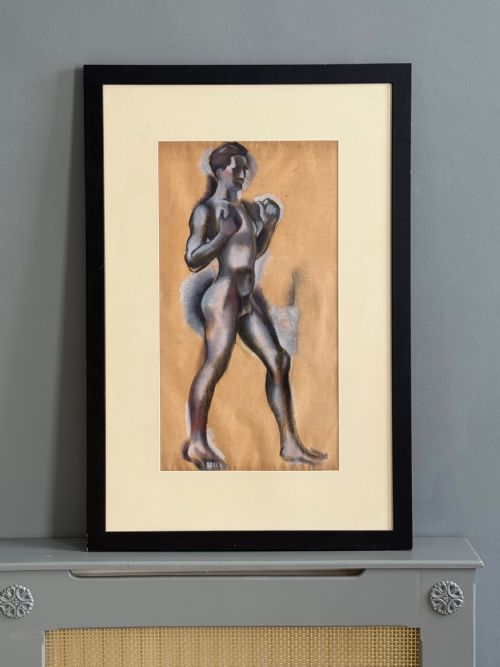
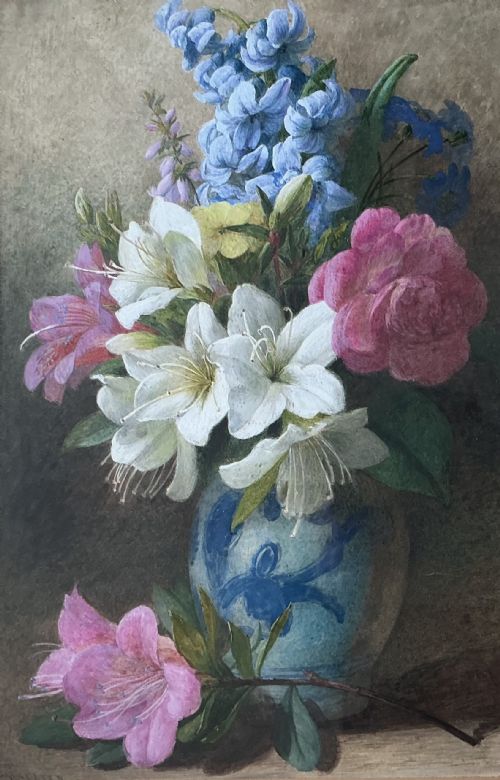
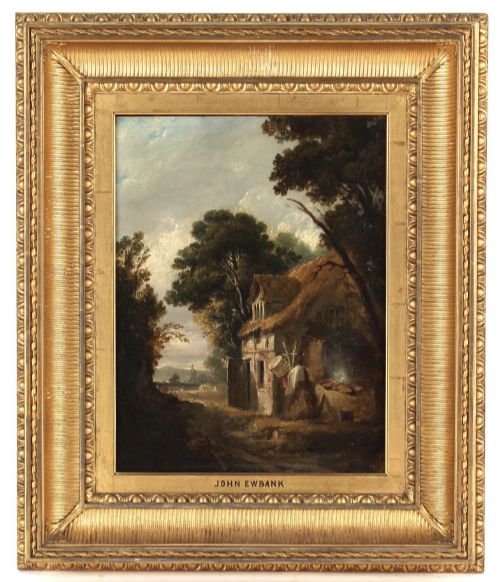
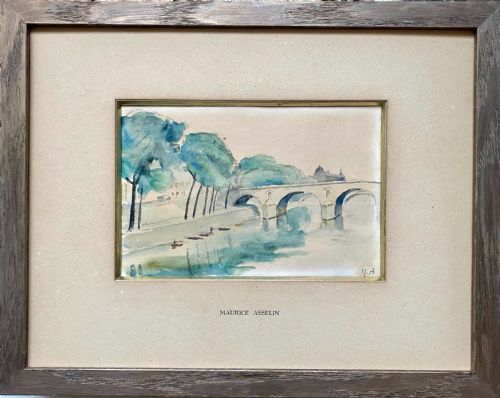
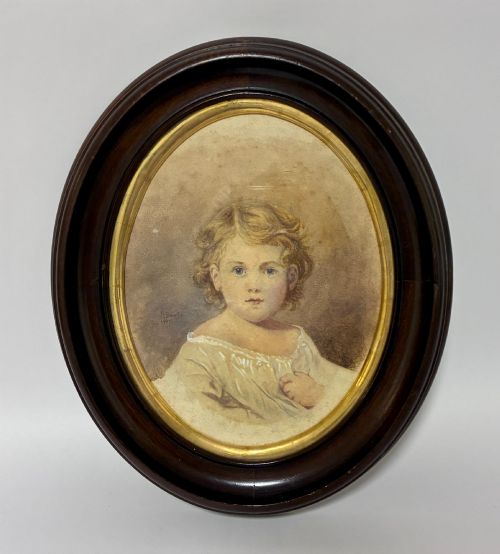
Original framed wall art encompasses historical paintings, watercolours, drawings and prints spanning multiple centuries. When exploring original framed wall art, buyers encounter varied subjects including landscapes, marine scenes, portraits and botanical studies.
The selection ranges from nineteenth-century British watercolours and oils to mid-century modern pieces. Works typically arrive mounted in period frames made of wood or gilt gesso, ready for display.
Materials and techniques
Artists utilised oil paint on canvas, wood panels and board, alongside watercolour, gouache and pencil on paper. Pigments were applied with brushes, sometimes combined with tempera or pastel.
Frames are constructed from timber, frequently finished with gilt gesso or carved moulding to protect and complement the artwork.
Original Framed Wall Art Retail Price Guide 2026
Typical asking prices for original framed wall art among the pieces listed under this phrase on Sellingantiques today, from the lower quarter to the upper quarter. They describe what is for sale here now, not the wider market.
Maritime history meets fine art when ships sail across nineteenth-century panels.
What determines quality
Quality rests upon the skill of the draftsmanship, the handling of medium, and the preservation of the surface. Stronger pieces display confident brushwork and accurate proportion.
The relationship between the artwork and its original frame adds significance, particularly when both share the same period and condition.
G. J. S. Bary·Irene Christobelle Pownoll Williams·H. Medlycott·Kenneth Cozens·George Fotherly Hargitt·Thomas Miles Richardson Jnr·James Orrock·R Leyton·William H Myers·John Hayls·W Klombeck·Percy Lancaster·John Hassall·Eugène-Louis Gillot·John Horace Hooper·Robert Heinrich·A. Marie Parsons·Lemuel Francis Abbott·Sidney A. Court·Herskind·Robert Leslie Howey·Kershaw Schofield·George Houston·D. L. Williams·John E. Aitken
The Original Framed Wall Art Glossary
- Watercolour
- A painting method where fine pigment is suspended in a water-based, translucent solution. It is traditionally applied to paper.
- Gesso
- A plaster-like mixture applied to wood or canvas to create a smooth surface for painting or gilding.
- Gouache
- An opaque water-based paint that includes a white pigment filler, resulting in a heavier, solid finish.
- Tempera
- A permanent, fast-drying painting medium consisting of coloured pigment mixed with a water-soluble binder such as egg yolk.
- Monogram
- A motif made by overlapping or combining letters to form a single symbol, often used by artists to sign works.
Original Framed Wall Art: Frequently Asked Questions
What is original framed wall art?
Original framed wall art consists of one-off paintings, drawings and prints created by hand rather than reproduced mechanically. These pieces come equipped with frames that complement their age and style.
Buyers select these works to introduce unique history and distinct visual interest to living spaces. Each piece reflects the specific hand of its maker and the period of its creation.
How do I hang antique watercolours?
Antique watercolours require protection from direct sunlight to prevent the pigments from fading over time. Wall placement should avoid damp areas such as unventilated bathrooms.
Using picture hooks suited to the weight of the frame ensures secure wall mounting. Professional framing with conservation-grade materials further safeguards paper works.
How can I tell the period of a painting?
Dating a painting involves examining the materials, stretcher bars, canvas type and framing style. Pigment analysis and artist signatures provide further chronological clues.
Stylistic markers such as clothing in portraits or architectural details in landscapes also point toward specific eras. Comparative study of known works helps narrow down the decade.
Are oil paintings on panel older than canvas?
Oil paintings on wood panels were common during earlier centuries before canvas became the dominant support. However, artists continued using panels well into the twentieth century for smaller works.
The choice of support depends largely on the artist's preference and the regional traditions of the period rather than a strict timeline. Both panels and canvases appear across multiple centuries.