
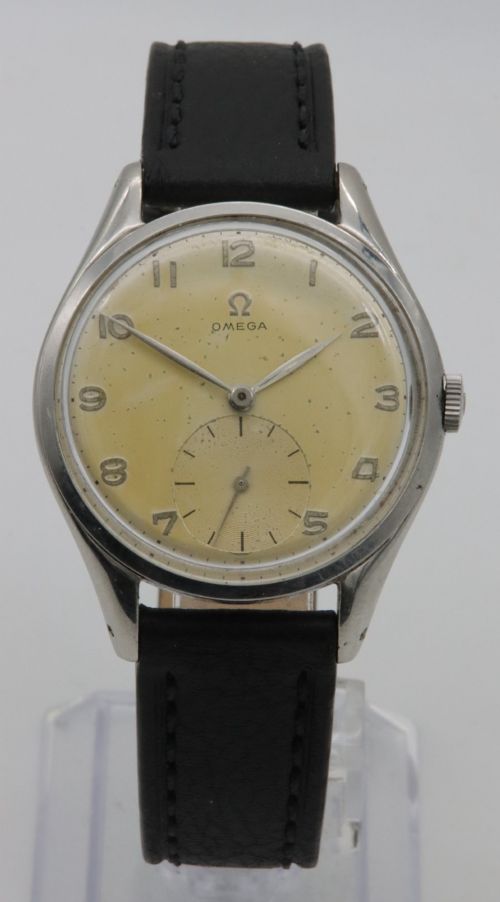
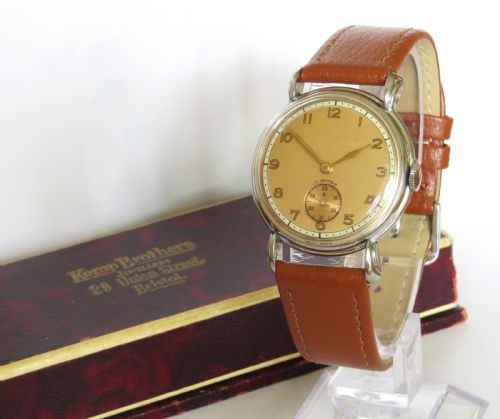
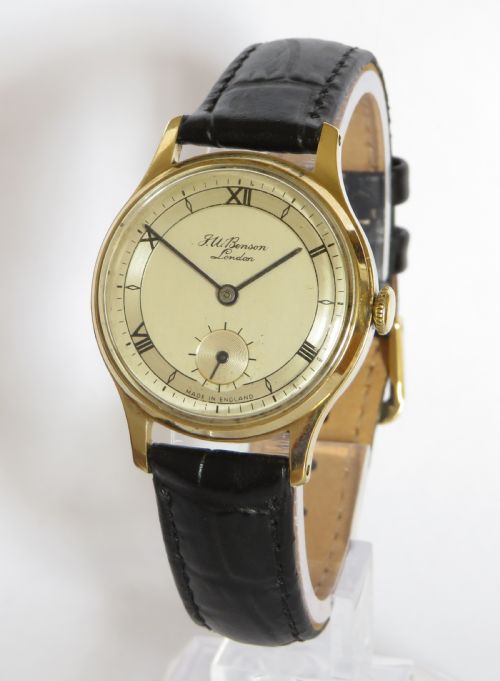
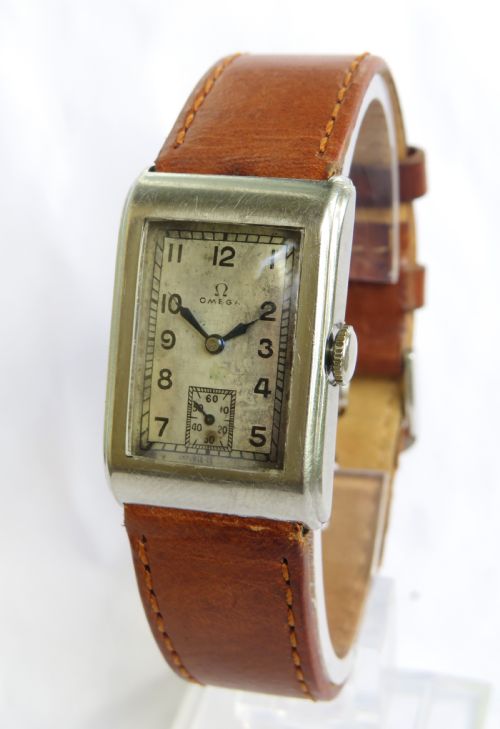
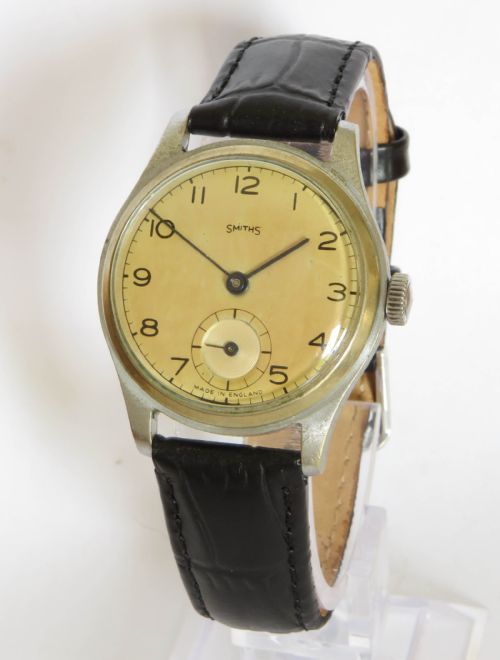
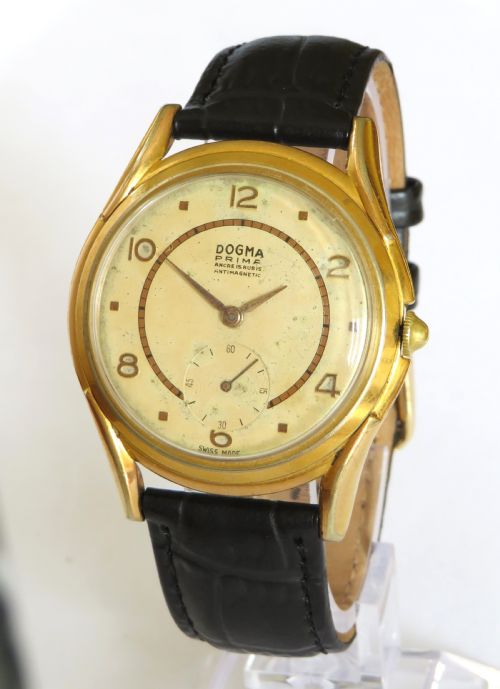
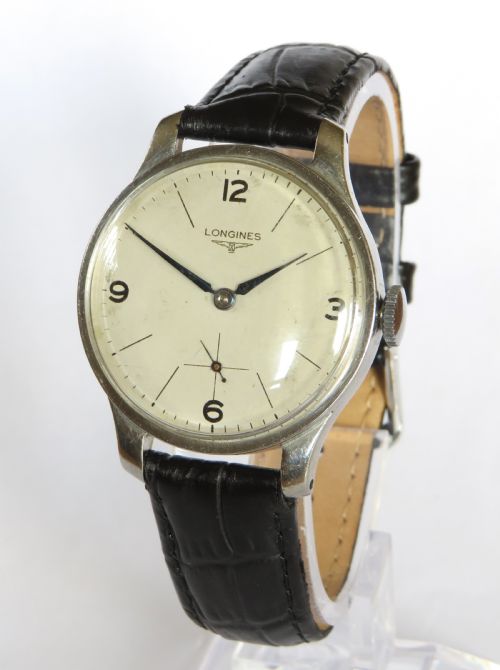
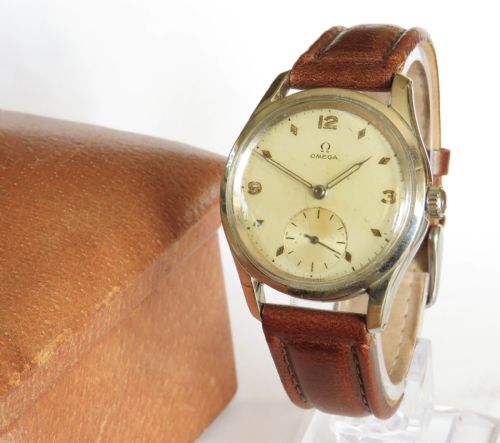
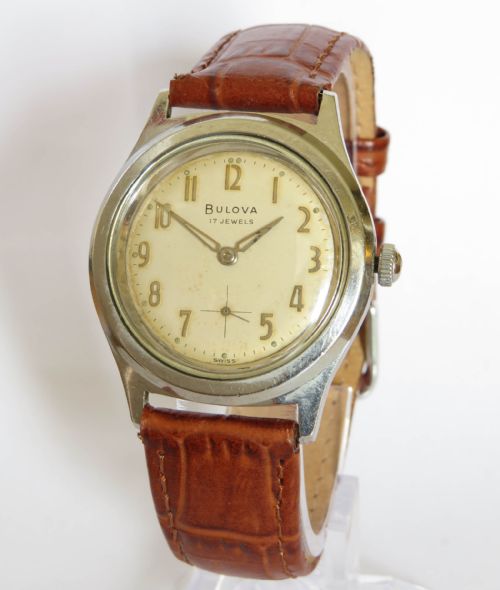
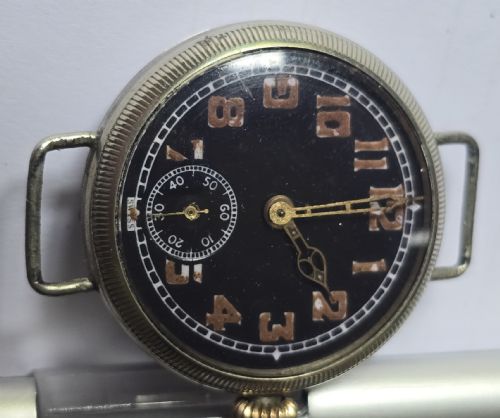
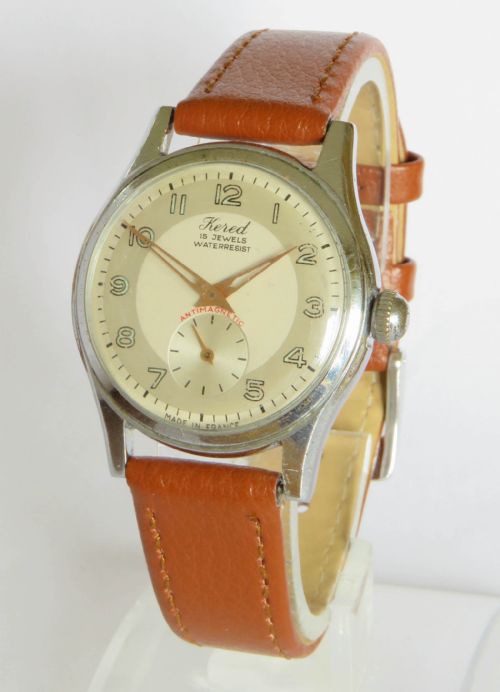

Sub Seconds Wristwatch
When you handle a sub seconds wristwatch, you hold a mechanical piece of horological history where the seconds tick on an independent dial.

Sub Seconds Wristwatch
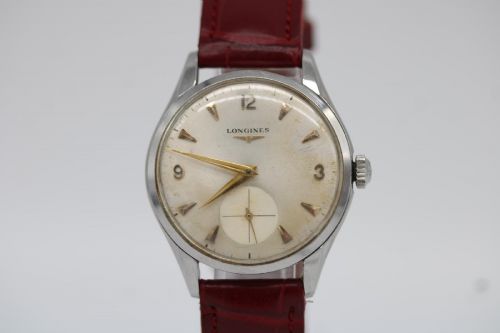
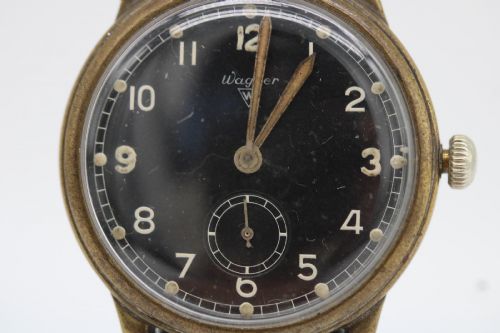
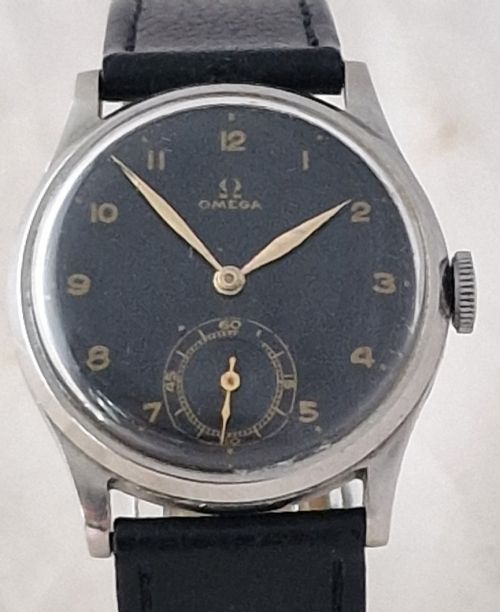
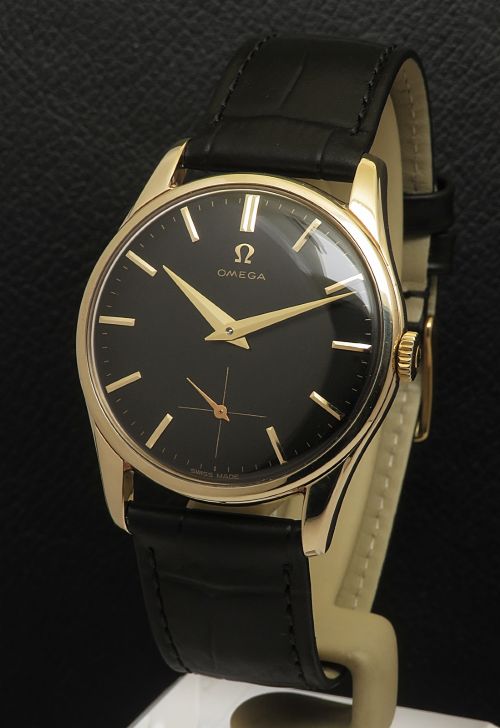
The prevailing form on this page is the gents wrist watch, spanning military issues from the Second World War and civilian dress pieces alike. Swiss makers dominate the listings, alongside British and German manufacturers producing mechanical movements for everyday wear.
These items trace a direct lineage through the mid-century period, showcasing classic round cases, distinct dials, and manual wind calibres. Collectors encounter everything from utility field watches to solid gold dress variants.
Materials and Construction
Movements rely entirely on mechanical manual wind calibres, housing internal gears and jewels that require physical winding to operate. Dials incorporate painted or applied numerals, sometimes featuring specialised finishes like mother-of-pearl or original military markings.
Swiss and British workshops dominate the inventory, housing manual wind mechanical movements.
Distinctions in Quality
The hierarchy of these watches rests upon the originality of the components and the pedigree of the movement. Examples retaining their untouched original dials and factory-issued markings stand apart from those with later replacement parts.
Material choice dictates the upper tiers, where solid gold cases and sophisticated Swiss calibres elevate a piece beyond standard chrome or steel utility versions. Complete restoration histories and documented provenance further separate standard survivors from exceptional finds.
Omega·Longines·Smiths·Bulova·Jaeger-LeCoultre
The Sub Seconds Wristwatch Glossary
- Calibre
- The specific internal movement designation used by a manufacturer to identify a particular watch mechanism. It allows collectors to track the exact mechanical lineage of a timepiece.
- Manual wind
- A mechanical movement powered by manually turning the crown to tension the mainspring, requiring no battery. This traditional winding method defines the majority of vintage timepieces.
- Trench watch
- An early wristwatch adapted from pocket watch designs for military use during the First World War. These pieces typically feature wire lugs and luminous painted dials.
- Hermetic
- A watch design utilising an outer case or screw-down system intended to provide water and dust resistance. Early iterations offered enhanced protection for civilian and military use.
- Explorer dial
- A watch face design featuring prominent Arabic numerals at the cardinal points, prioritized for maximum legibility. This layout appears frequently on mid-century field and utility watches.
Sub Seconds Wristwatch: Frequently Asked Questions
What is a sub seconds dial?
A sub seconds dial is a minor circle on the watch face that displays the seconds independently from the main hour and minute hands. This layout places the sweeping second hand on its own axis, typically near the bottom of the dial.
Historically, this configuration was standard for mechanical movements before central sweep seconds became ubiquitous. It gives vintage watches a distinct, traditional aesthetic appreciated by collectors.
How do I wind a manual watch?
You wind a manual watch by rotating the crown clockwise between your thumb and forefinger until you feel gentle resistance. Care should be taken not to force the crown past this stopping point to avoid damaging the mainspring.
Routine winding is best performed at a consistent time each day to maintain steady tension and accurate timekeeping. Vintage mechanisms respond best to smooth, deliberate turns.
Are these watches waterproof?
These historical timepieces are generally not considered waterproof by modern standards. Early seals, gaskets, and crown constructions degrade over decades and fail to block moisture effectively.
Even pieces marked with military or hermetic designations should be kept well away from water. Routine handwashing or rain exposure poses a risk to vintage internal movements.
How do I date a vintage watch?
Dating a vintage watch involves examining serial numbers stamped on the movement or inside the case back against manufacturer records. Hallmarks on precious metal cases also provide precise assay years for gold and silver pieces.
Stylistic cues such as font types, hand shapes, and logo designs help narrow down the production era. Combining movement data with case markings yields the most accurate timeline.