


Studio Pottery Vase
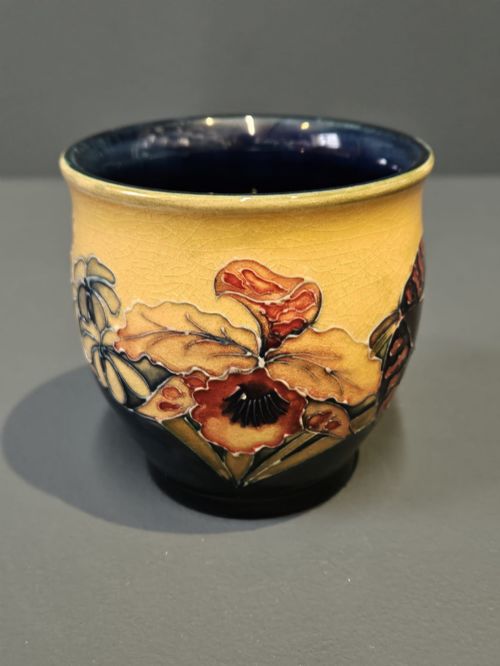
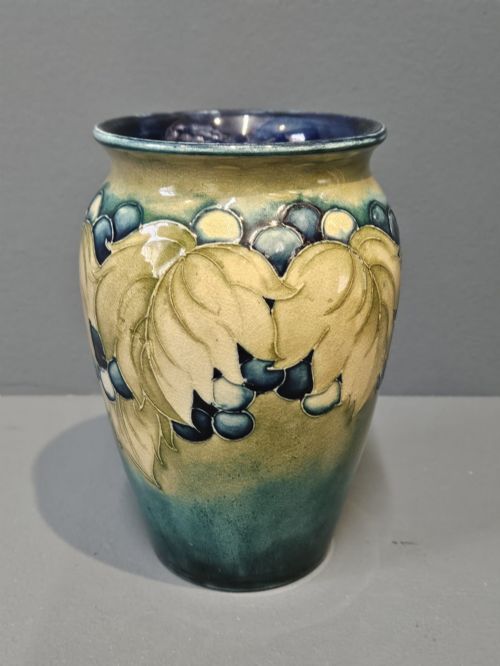
A studio pottery vase brings individual artistic expression and varied glazing techniques into a room.
Studio Pottery Vase
When you look for a studio pottery vase, you encounter vessels created by individual artists and distinct potteries rather than mass production lines. These works span the late nineteenth century through the mid twentieth century, encompassing British, French and Japanese traditions.
The selections on this page range from small earthenware jugs to large decorative ceramic vessels. You will find distinct stylistic influences including Art Nouveau, Art Deco and the Arts and Crafts movement.
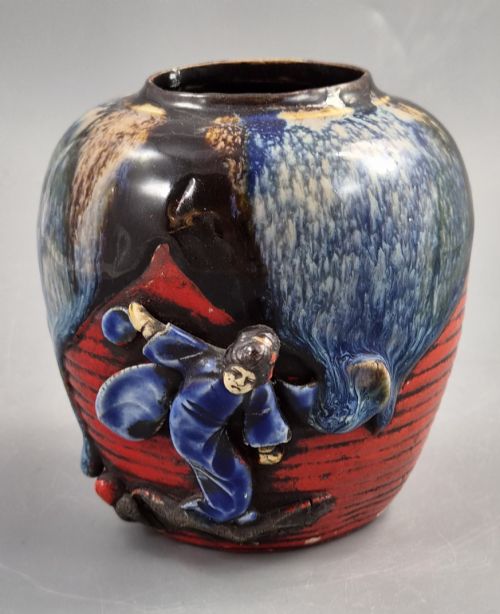
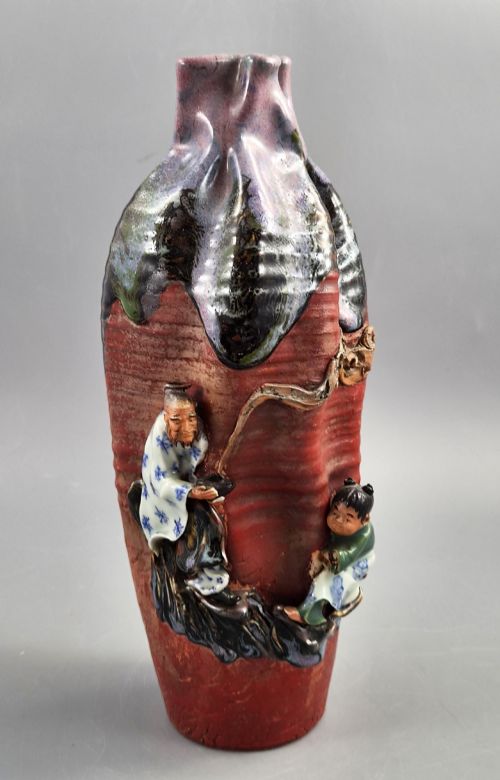
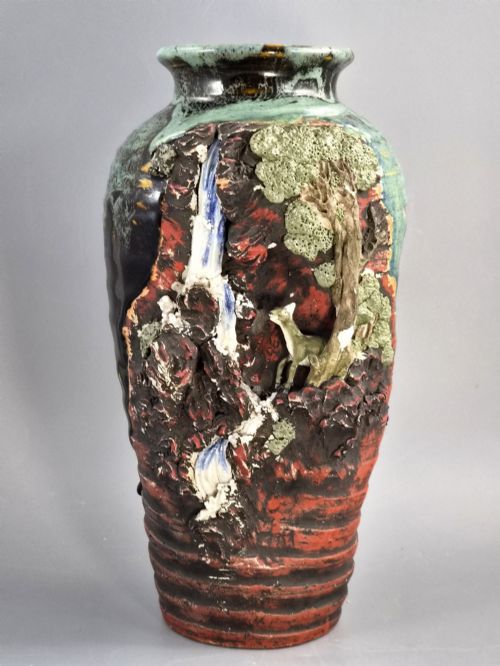
Japanese pieces feature prominently, including Satsuma earthenware and Sumida Gawa sculptural jars. European makers are represented by French studio ceramics and British art pottery from workshops like Pilkingtons Royal Lancastrian and Ruskin Pottery.
How they were made
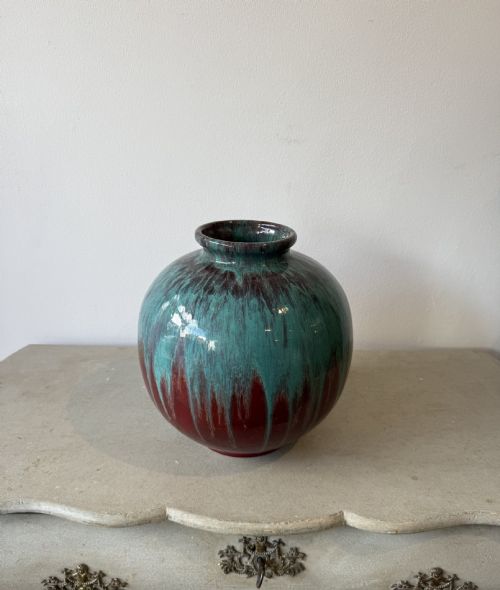
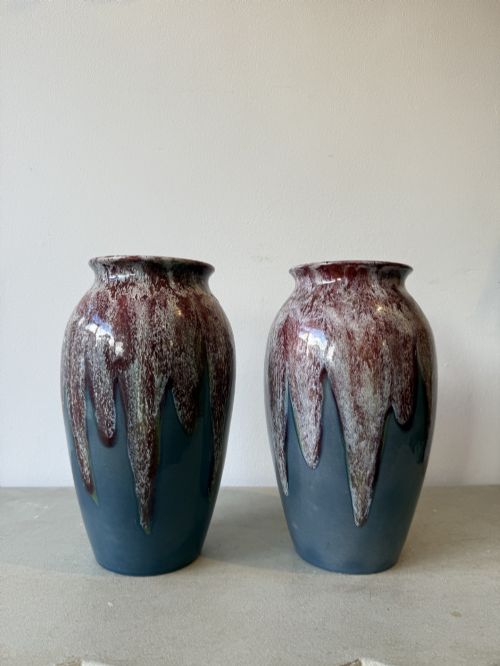
Potters shaped these vessels using earthenware and stoneware clays, sometimes building up sculptural elements by hand. Glazing defines the surface character, utilising crystalline, flambé, celadon and drip techniques that react unpredictably in the kiln.
Decoration often involved hand painting underglaze designs, enamel work, or applying gold leaf highlights to incised surfaces. Certain makers experimented with lustre finishes and specialised slip decoration to achieve metallic sheens and textured patterns.
The selection includes British, French and Japanese studio pottery, showcasing Art Nouveau, Art Deco and Arts and Crafts styles.
What varies in quality
Quality rests in the success of the glaze chemistry and the precision of the hand-formed shape. A superior glaze exhibits depth, controlled colour variation and deliberate texture rather than muddy or accidental runs.
The reputation of the maker and the clarity of signatures or factory marks elevate a piece. Master ceramists achieved finer detail in sculptural applications and better balance in vessel proportions.
Moorcroft·Makuzu Kozan·Gallilleo Chini·Robert T Lallement·Sir Edmund Harry Elton·Kinkozan·Richard Joyce·Pilkingtons Royal Lancastrian·Ruskin Pottery·Roger Guerin·Kizan
The Studio Pottery Vase Glossary
- Crystalline glaze
- A type of ceramic finish that encourages the growth of visible crystals during the cooling phase in the kiln. This produces star-like patterns across the surface.
- Flambé glaze
- A streaked or mottled glaze containing metallic oxides that shift in colour during high-temperature firing. Blues, purples and reds often merge unpredictably.
- Celadon
- A pale green or grey-green translucent glaze developed to imitate jade. It frequently pools in carved or incised recesses to highlight surface decoration.
- Earthenware
- Porous pottery fired at lower temperatures than stoneware. It requires glazing to become waterproof and often supports bright enamel painting.
- Stoneware
- A dense, vitrified ceramic fired at high temperatures until the clay body becomes non-porous. It provides a durable foundation for heavy glazes.
Studio Pottery Vase: Frequently Asked Questions
How do I clean a studio pottery vase?
Dust the surface gently with a soft, dry cloth to remove everyday particles. Avoid using chemical cleaners or immersing antique ceramics in water.
For pieces with delicate enamel or gold leaf decoration, moisture can lift the pigments. Keep these vessels away from direct sunlight to protect the glaze colours.
Are these vases watertight?
Many stoneware and glazed ceramic pieces can hold water safely for fresh stems. However, older earthenware and porous bodies may seep moisture through hairline crazing in the glaze.
Protect wooden surfaces by placing a small dish or liner inside the vase if you intend to use it for fresh flowers.
How do I identify Japanese Satsuma pottery?
Satsuma wares typically feature a fine, ivory-coloured earthenware body covered in a network of fine glaze cracks known as crazing. They are frequently decorated with elaborate hand-painted enamel figures and gold leaf.
Look for maker signatures on the base, such as those by Kinkozan or Kizan, which help confirm the origin and period.
What is the difference between earthenware and stoneware?
Earthenware is fired at lower temperatures, leaving the clay body porous and relatively soft. It requires a complete glaze coating to hold liquids.
Stoneware is fired much hotter until the clay vitrifies into a dense, stone-like material that is completely impervious to water even without glaze.