


Stuart Period Portrait
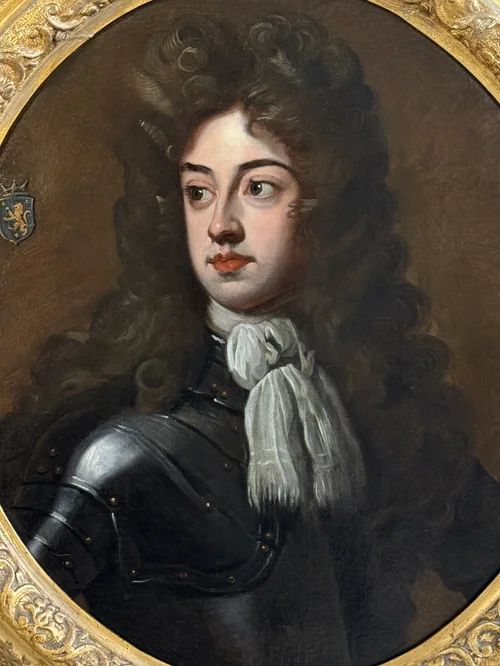
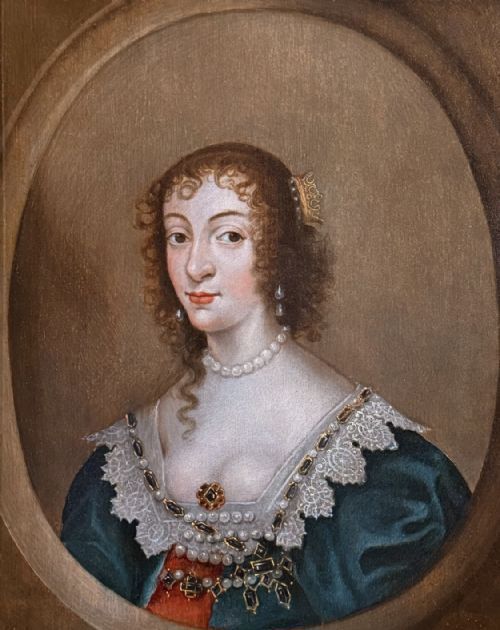
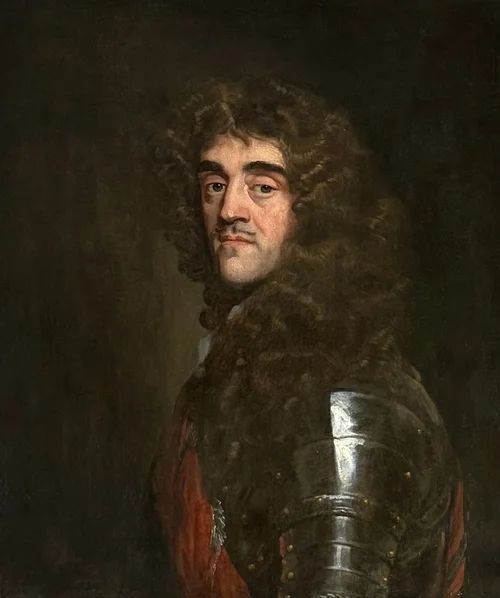
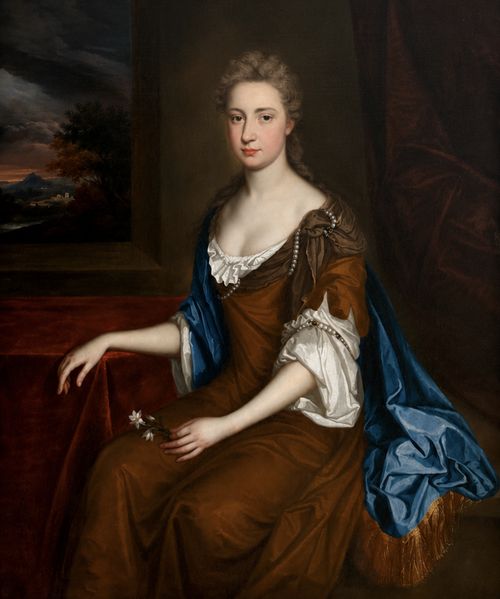
When you examine a stuart period portrait, you encounter the painted likenesses of nobility, royalty, and gentry rendered during a turbulent century of English history.
Stuart Period Portrait
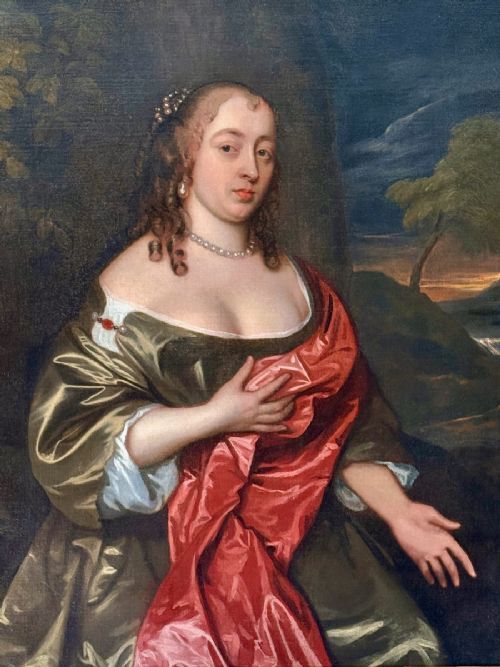
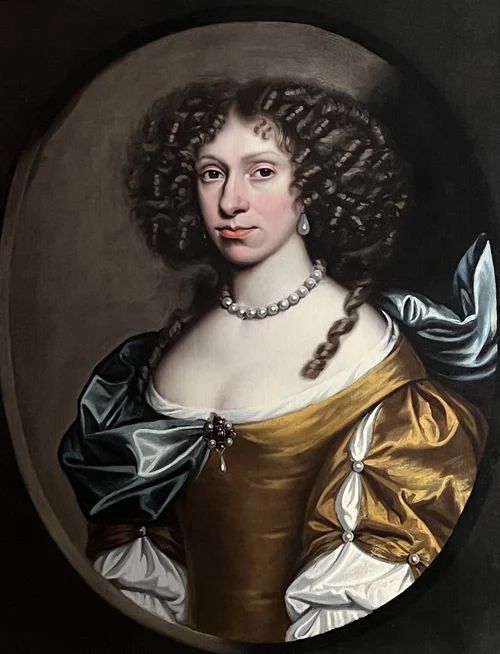
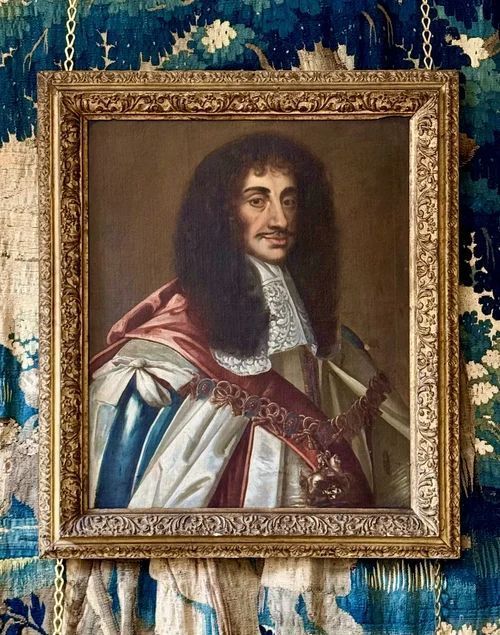
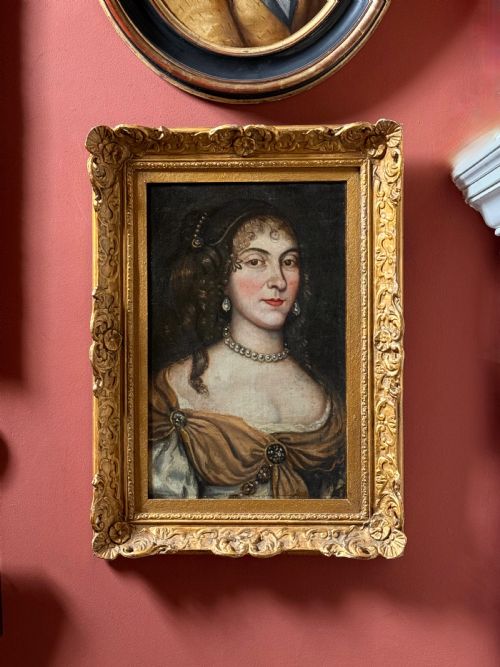
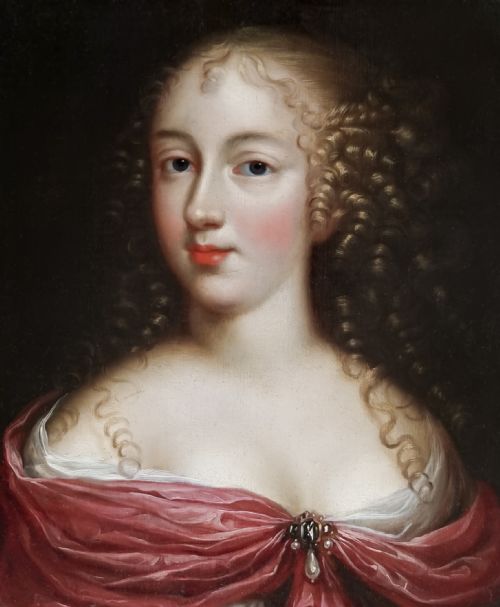
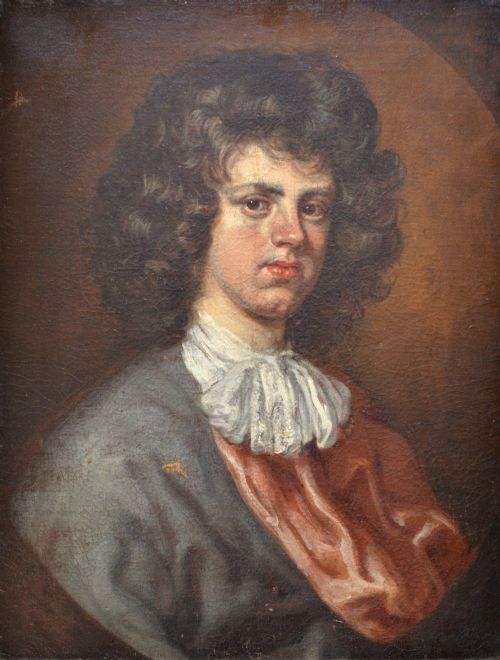
A stuart period portrait captures the distinct likeness of seventeenth-century figures, ranging from reigning monarchs to noblewomen in elaborate costume.
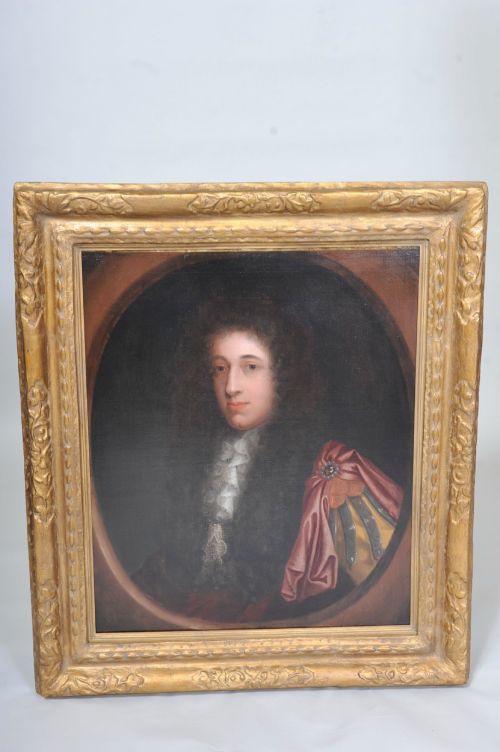
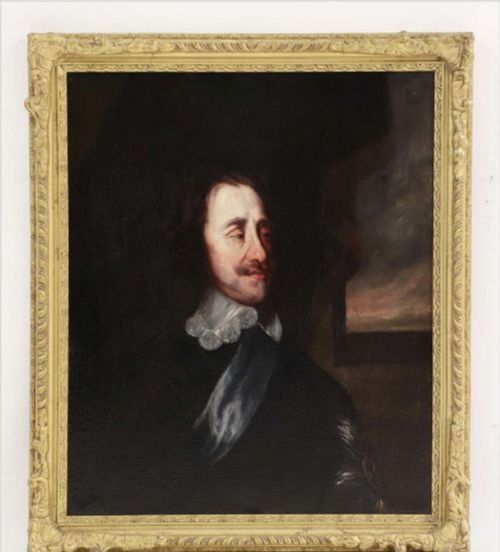
The version most commonly encountered on this page is an oil painting on canvas or wood panel, often framed in period wood or giltwood.
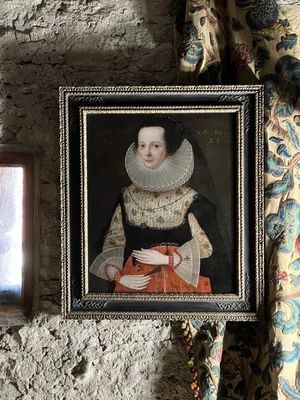
Subjects frequently display the formal attire, lace collars, and armour characteristic of seventeenth-century English and Scottish society.
Materials and Techniques
Artists of this era utilised oil paint applied to stretched canvas or wooden panels, sometimes layering pigments to build rich textures in garments and hair.
Framing often involved carved wood or gilt wood, complementing the formality of the painted subjects.
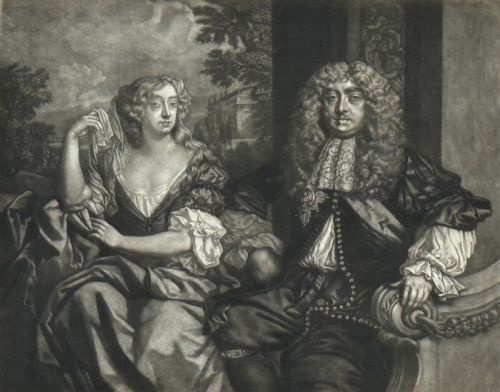
Printmakers also translated these painted compositions into mezzotints on paper, capturing tonal gradations through specialised copperplate techniques.
Stuart Period Portrait Retail Price Guide 2026
Typical asking prices for stuart period portrait among the pieces listed under this phrase on Sellingantiques today, from the lower quarter to the upper quarter. They describe what is for sale here now, not the wider market.
Several noble sitters gaze outward while weighed down by such immense lace collars that their heads appear entirely unattached to their bodies.
Assessing Artistic Execution
The distinction between standard studio output and premier portraiture lies in the nuance of facial modelling and the handling of complex fabrics like lace and velvet.
Paintings executed directly by named masters or their immediate circles display superior anatomical precision and psychological depth compared to anonymous regional copies.
The preservation of the original pigment and the stability of the canvas or panel significantly influence the visual impact of the work.
John Hayls·David Scougall·Sir Peter Lely·Mary Beale·Sir Godfrey Kneller·Cornelius Johnson·John Greenhill·John Michael Wright
The Stuart Period Portrait Glossary
- Baroque
- A style of European architecture, music, and art of the seventeenth and eighteenth centuries that prioritised grand, sweeping gestures and dramatic contrast. In portraiture, this translated into dynamic poses and theatrical drapery.
- Mezzotint
- A printmaking process of the half-tint category, enabling the production of prints with subtle gradations of light and shade. Artists worked from a roughened metal plate to achieve deep, velvety dark areas.
- Panel painting
- A painting made on a flat panel of wood, frequently oak during the seventeenth century, providing a rigid support for oil pigments before canvas became universal.
- Cavalier
- A supporter of King Charles I during the English Civil War, often depicted in contemporary portraiture with long hair, lace collars, and a sash.
Stuart Period Portrait: Frequently Asked Questions
What is a stuart period portrait?
These works are paintings and prints depicting individuals from the seventeenth century, capturing the fashion, status, and aesthetic values of the era.
They serve as historical records of prominent figures, families, and royalty during the reigns spanning James I to Queen Anne.
How were these portraits used?
Patrons commissioned these likenesses to display lineage, wealth, and political allegiance within grand houses and state rooms.
They functioned as statements of power and memorials for aristocratic families across England, Scotland, and Ireland.
How do I live with one?
Displaying these works requires careful placement away from direct sunlight and fluctuating heat sources to protect the canvas and oil pigments.
Pairing them with traditional interiors or framing them in period-appropriate wood enhances their historical character within a modern home.
How are different periods told apart?
Stylistic shifts in costume, hair, and painting technique help distinguish early seventeenth-century Jacobean stiffness from later Baroque fluidity.
Attire such as stiff ruffs gives way over the decades to flowing silk drapery and elaborate periwigs by the end of the century.