




Striking Table Clock
A striking table clock measures the hours with audible discipline, bringing mechanical weight and domestic theatre to a room.
Striking Table Clock
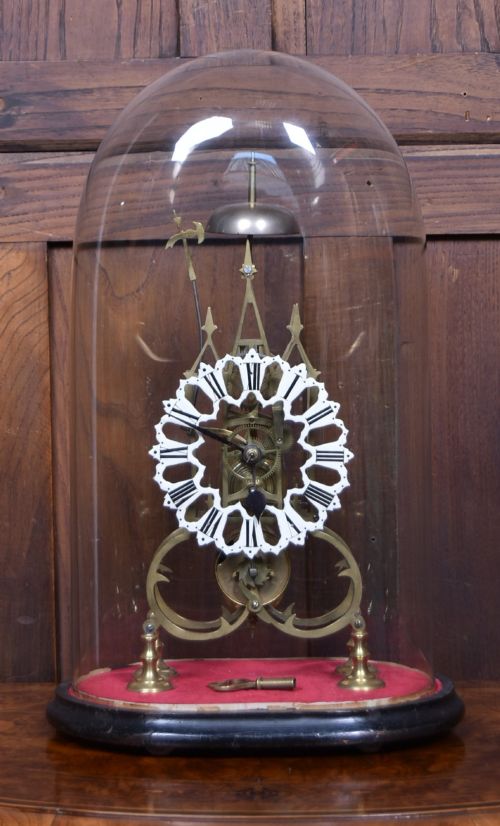
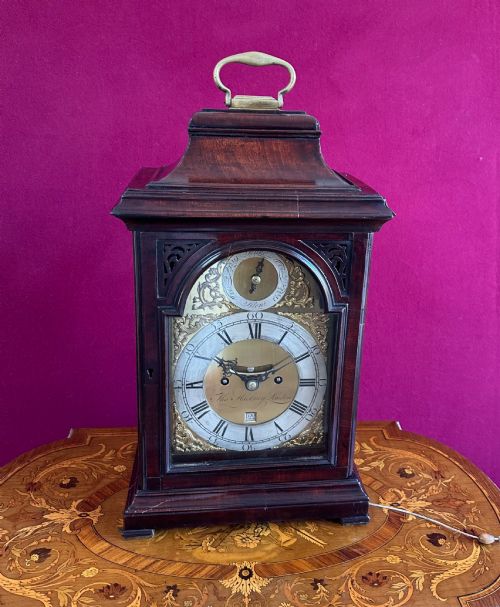
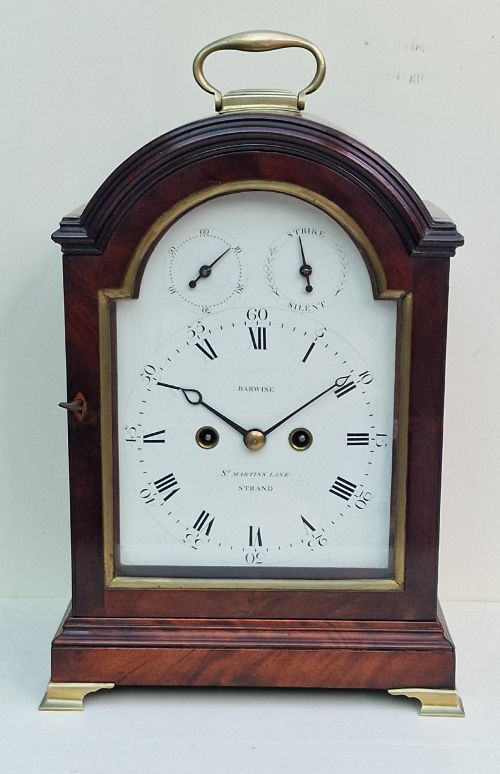
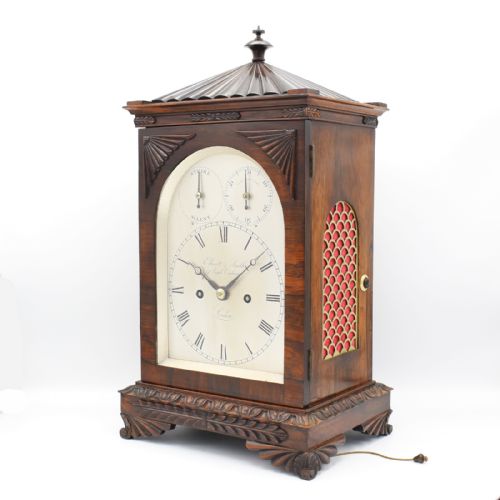
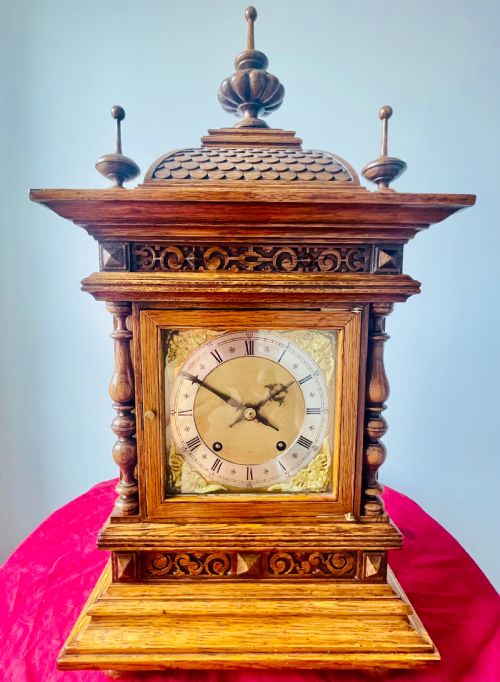
A striking table clock is a domestic timekeeper designed to rest on a bracket, mantel or desk while sounding the hours and quarters. When you search for this phrase, you encounter autonomous English bracket clocks alongside French carriage clocks and Victorian mantel pieces.
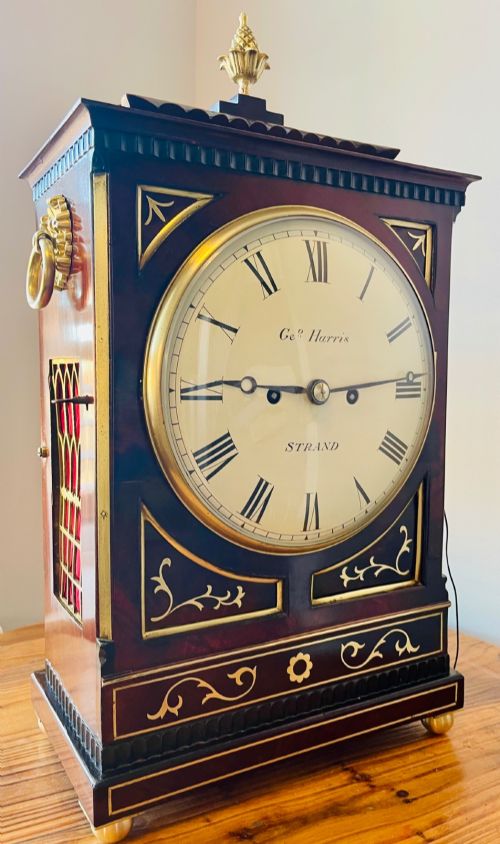
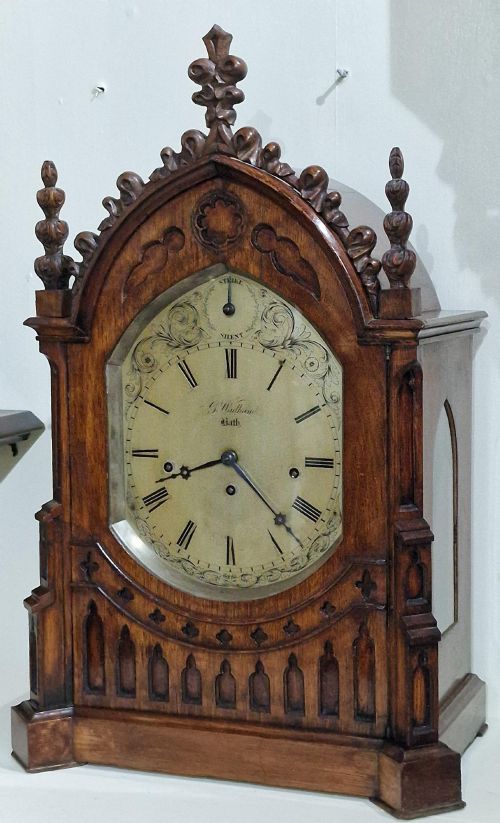
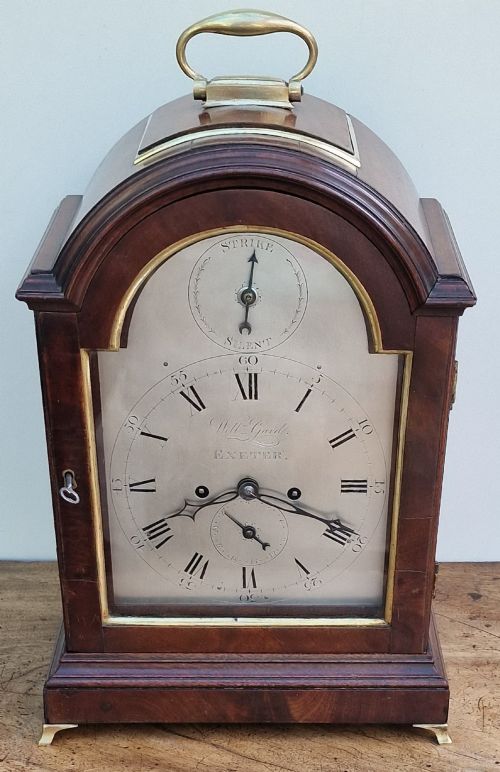
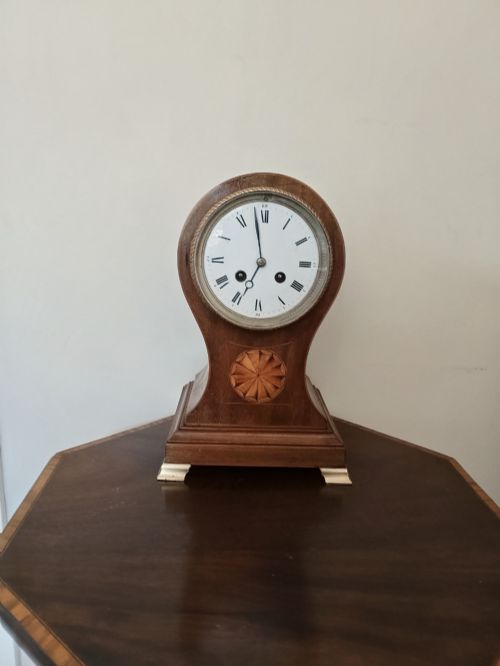
The most common formats on this page are mahogany bracket clocks with fusee movements and brass carriage clocks from French makers. These range from modest domestic examples to elaborate quarter-striking systems housed in ebonised wood or inlaid cases.
How They Were Made
Cases rely on dense timbers such as mahogany, walnut and ebonised wood, often accented with brass, ormolu, glass and vitreous enamel dials. The physical weight of these materials provides the stable housing necessary for delicate internal gear trains.
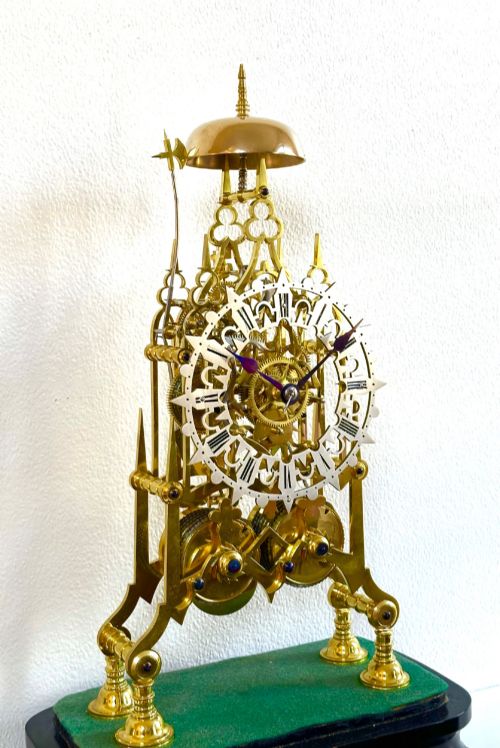
Movements utilise brass and steel mechanisms, deploying fusee, verge or anchor escapements to regulate the power delivered by springs or weights. Sound is produced by hammers striking bells or gongs mounted internally or on the backplate.
Materials span mahogany, walnut, ebonised wood, brass, ormolu, glass, enamel and marble across Victorian, Georgian and Regency periods.
What Varies in Quality
The standard of a striking table clock rests in the crispness of the movement architecture and the finish of the internal brass components. Hand-engraved backplates and complex quarter-striking gear trains demonstrate greater horological ambition than standard time-and-strike movements.
Case execution separates ordinary production from superior work, seen in the selection of timber veneers, the precision of brass stringing and the integration of fire-gilt mounts. A well-proportioned case complements the mechanical complexity within without visual crowding.
George Wadham Bath·William Gard Exeter·Barwise London·Ellicott Smith·Winterhalder·Schneckenburger·John Witherston Hereford·Henry Jones·Des Granges London·Paul Garnier·Drocourt·Louis Recordon·Payne And Co·Pons De Paul·Luxor·Somersall London·J F Bautte Et Cie·John Seddon London·John Ebsworth London·John Ellicott·Perigal London·Robert Wood London·Winterhalder And Hoffmeiyer
The Striking Table Clock Glossary
- Fusee
- A conical pulley designed to equalise the pull of the mainspring as it winds down, ensuring even force across the gear train.
- Bracket clock
- A portable table clock traditionally placed upon a matching wall bracket to project sound effectively through a room.
- Verge escapement
- An early and delicate mechanism controlling the release of power in pendulum or balance-wheel clocks.
- Repeating mechanism
- A complication enabling the clock to restrike the last hour or quarter upon pulling a cord or pushing a pendant.
- Ting tang
- A two-hammer striking system sounding two different notes on bells to indicate the quarters.
Striking Table Clock: Frequently Asked Questions
What is a striking table clock?
A striking table clock is a portable mechanical timekeeper built to sound the hours or quarters automatically using internal bells or gongs. These pieces were designed for prominent placement in domestic rooms where their acoustic signals could organise daily life.
Unlike tall clocks, these instruments sit on furniture or dedicated wall brackets. Their compact architecture houses intricate gear trains that combine timekeeping with complex striking capabilities.
How do fusee movements work?
A fusee movement uses a cone-shaped pulley connected to the mainspring by a fine cord or chain. As the spring unwinds and loses tension, the cord pulls on a wider radius of the cone, maintaining constant torque.
This clever mechanical adjustment ensures the clock maintains steady amplitude and consistent accuracy throughout its running cycle. It remains a hallmark of better British clockmaking.
Where were these clocks placed?
These clocks typically stood on mantelpieces, entrance tables or dedicated wooden wall brackets designed to project the sound of the strikes. Their portability allowed owners to move them between rooms as household routines shifted.
Placement on brackets lifted the clock off furniture surfaces, helping the bell resonance carry more clearly through high-ceilinged period interiors.
How do I identify a carriage clock?
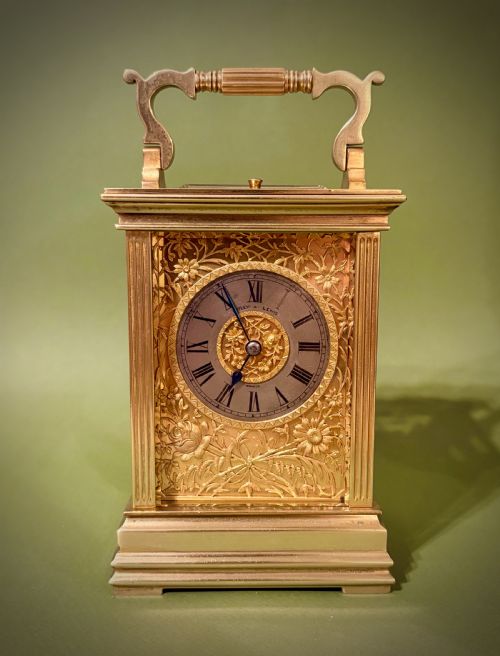
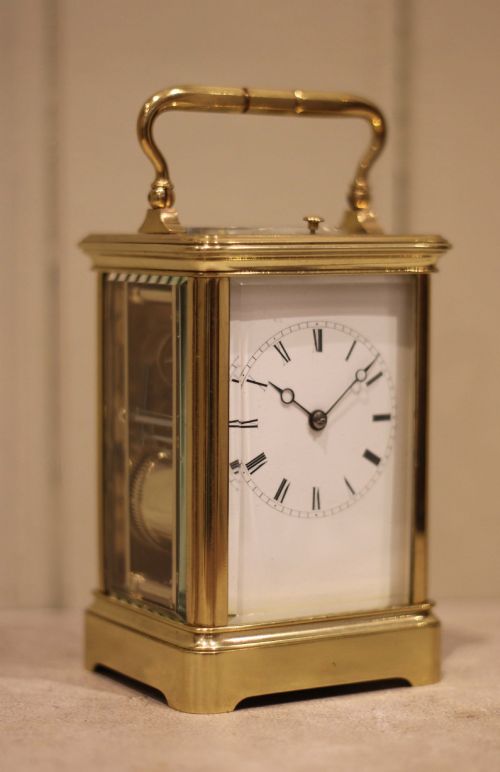
A carriage clock is a portable timepiece featuring a glazed brass case with a swing handle, originally built for travel by horse-drawn carriage. They often incorporate repeating mechanisms and alarm functions visible through glass panels.
French workshops produced the vast majority of these pieces during the nineteenth century. Their sturdy platform escapements allowed them to keep time while in motion.