


Storage Cabinet with Doors
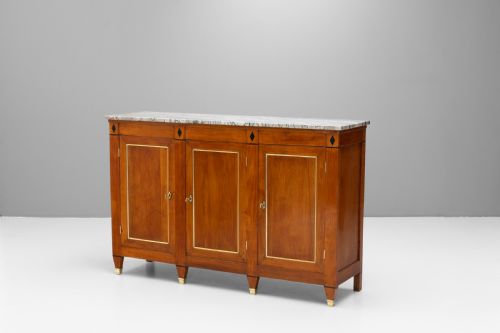
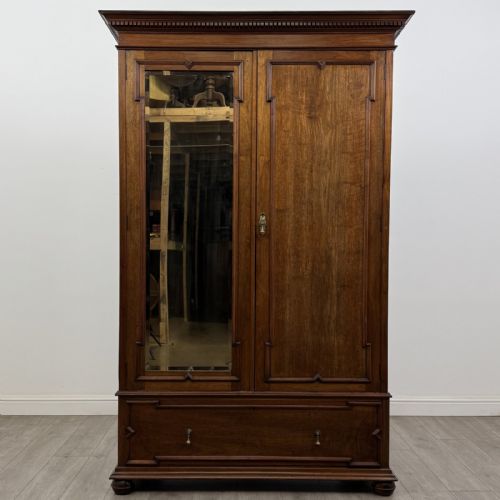
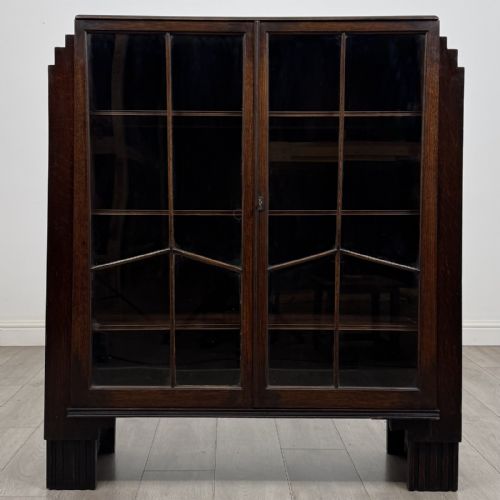
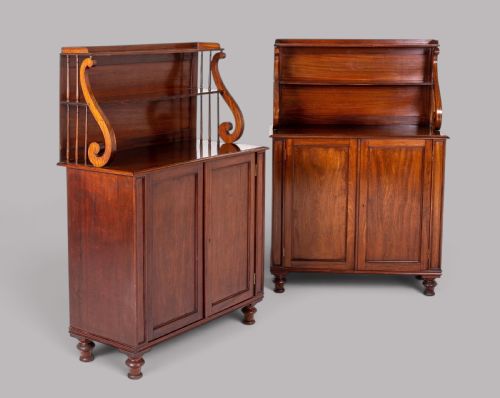
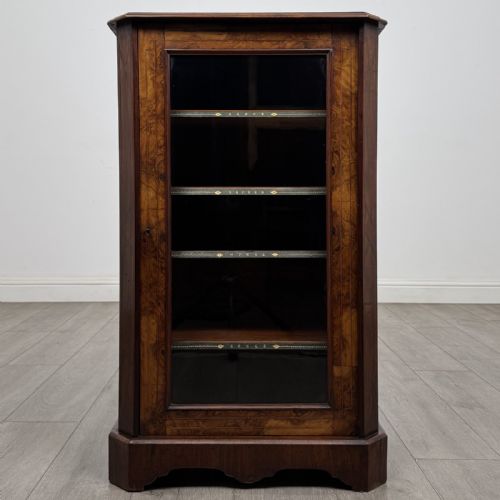
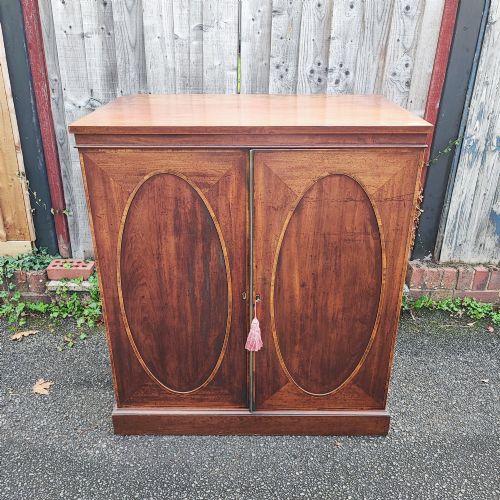
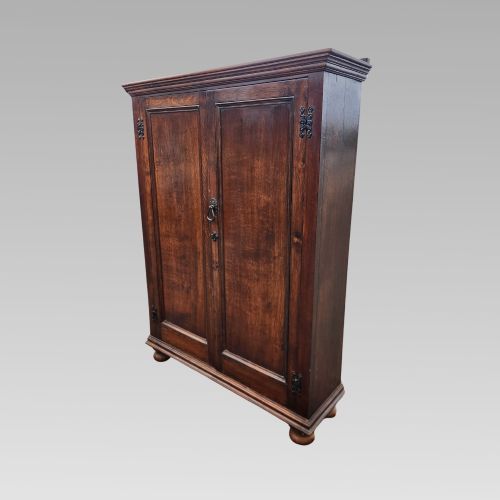
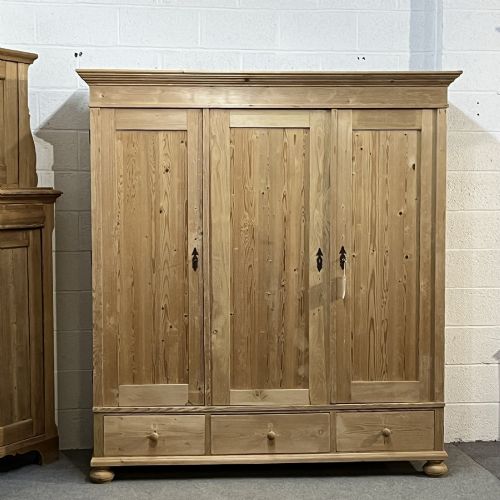
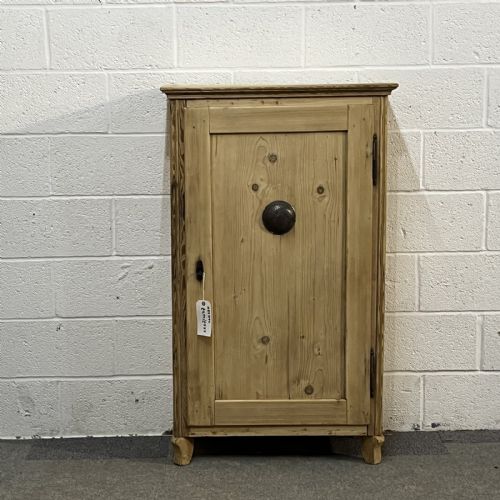
Storage cabinet with doors pieces span multiple centuries and woods, offering versatile organisation for any room.
Storage Cabinet with Doors
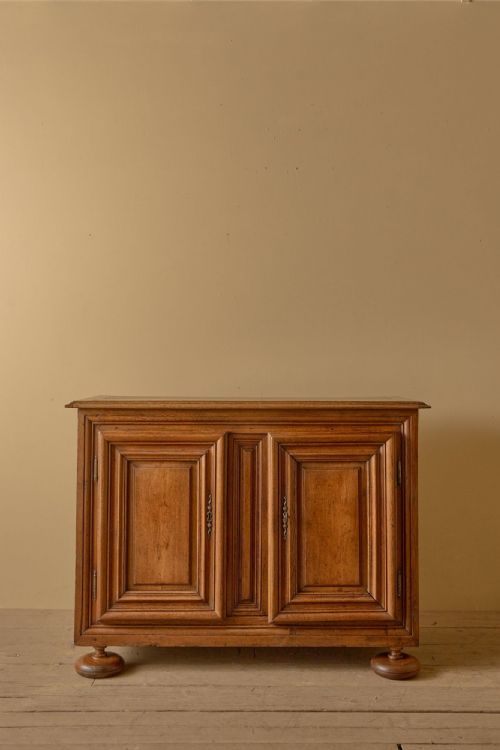
A storage cabinet with doors serves as a practical vessel to conceal or display household items while anchoring a room's aesthetic. Buyers browsing this selection encounter numerous formats, from compact corner cupboards to expansive wardrobes and bookcases.
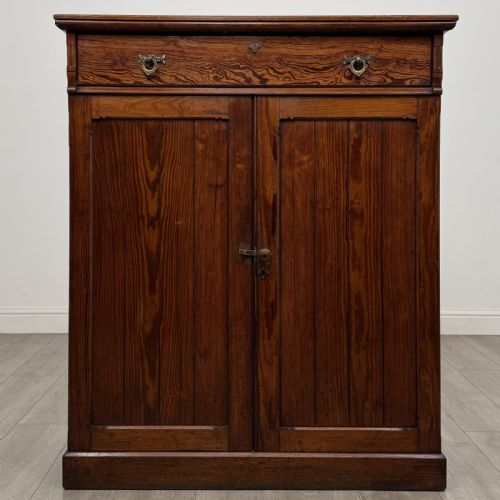
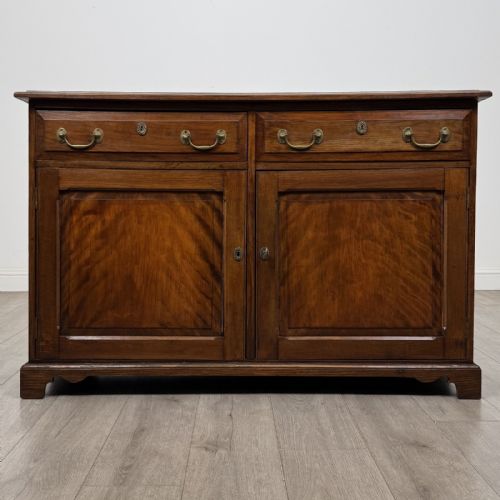
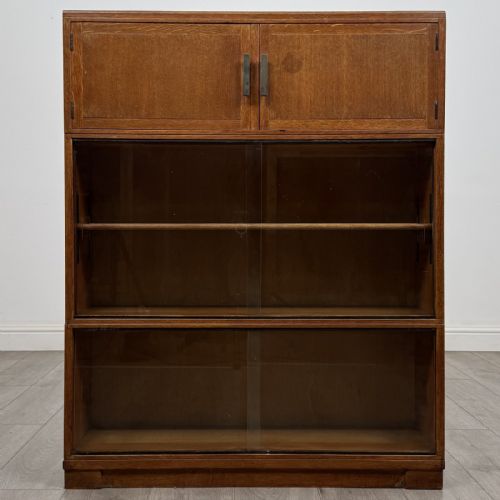
Victorian and Georgian pieces dominate the current selection, frequently rendered in pine, mahogany, or oak. These historical items range from simple painted kitchen cupboards to heavily figured walnut side cabinets and glazed bookcases.
Specialised regional variations also appear, including Irish cedar cupboards and Scottish kitchen cabinets. Each iteration provides enclosed shelving or hanging space suited to contemporary domestic organisation.
How they were made
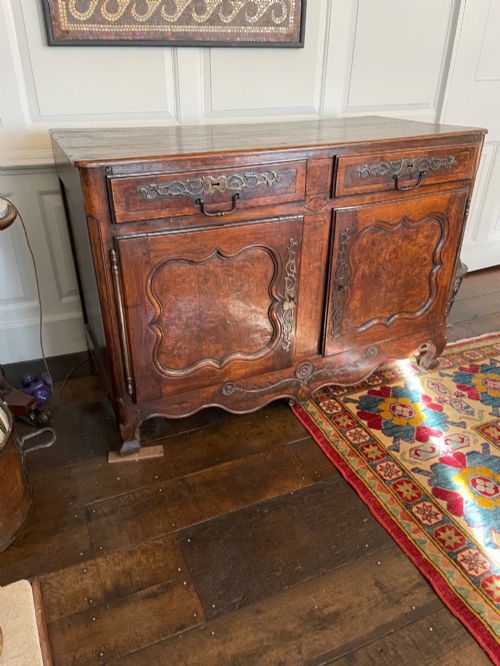
Cabinet makers utilised dense hardwoods such as mahogany, rosewood, and walnut for formal furniture, often highlighting natural grain figures through careful veneer work. Secondary timbers like pine supported internal framing and drawer construction.
Decorative enhancements relied on brass hardware, inlaid marquetry, and carved wooden detailing. Surface treatments varied from traditional wax finishes to painted interiors and ebonised detailing.
Storage Cabinet with Doors Retail Price Guide 2026
Typical asking prices for storage cabinet with doors among the pieces listed under this phrase on Sellingantiques today, from the lower quarter to the upper quarter. They describe what is for sale here now, not the wider market.
Listings feature woods spanning mahogany, pine, oak, walnut, rosewood, and cedar across Georgian and Victorian periods.
What varies in quality
The degree of craftsmanship in timber selection and joinery separates standard utility cupboards from exceptional examples. Finer pieces display meticulously figured veneers, uniform wood selection, and sophisticated decorative inlays.
Structural integrity and original hardware preservation dictate the standing of individual items. Pieces retaining their original glass panes, locks, and keys command higher regard among collectors.
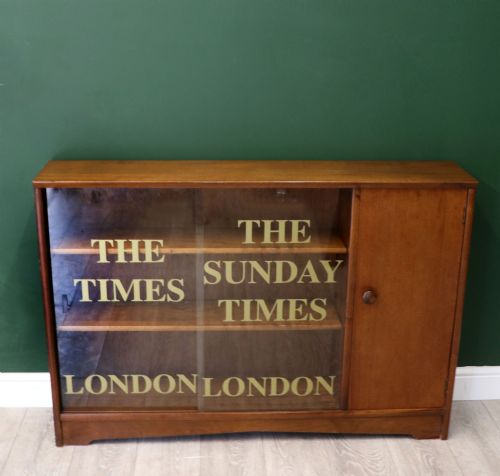
Herbert Gibbs·The Times and Sunday Times·British Broadcasting Company
The Storage Cabinet with Doors Glossary
- Chiffonier
- A low sideboard or cabinet, typically featuring enclosed shelving below, common in Victorian and Regency interiors.
- Credenza
- A sideboard or buffet unit, often highly decorative and associated with mid-nineteenth-century walnut furniture.
- Tallboy
- A tall chest of drawers or linen press, usually constructed in two stacked sections to maximise vertical storage.
- Marquetry
- Decorative veneer work arranged in intricate patterns or pictorial designs using various coloured woods.
- Linen cupboard
- A tall storage piece designed specifically for household textiles, frequently fitted with internal shelving.
Storage Cabinet with Doors: Frequently Asked Questions
What distinguishes a chiffonier from a side cabinet?
A chiffonier is a specific low sideboard style featuring doors enclosing lower shelves, popular during the Regency and Victorian eras.
Side cabinets encompass a broader category of case furniture that may include drawers, open display areas, and varied door configurations.
How do I identify a Georgian bookcase cabinet?
Georgian pieces typically exhibit classical proportions, substantial mahogany timbers, and restrained decorative carving characteristic of the eighteenth century.
They often feature multi-pane glazed upper doors combined with solid lower cabinet doors or drawers.
Where were antique pine cupboards used?
Antique pine cupboards served utilitarian roles in kitchens, sculleries, and utility spaces for storing provisions and household goods.
Many of these pieces were originally designed to be painted or waxed depending on the domestic setting.
What is a two-part form corner cupboard?
A two-part form corner cupboard consists of a distinct upper section stacked securely upon a lower base unit.
This construction method facilitated transport and installation in residential corners where space was limited.