


Stone Portrait Sculpture
Stone portrait sculpture captures individual likenesses in enduring materials like marble and alabaster, offering timeless character and classic presence for any interior.
Stone Portrait Sculpture
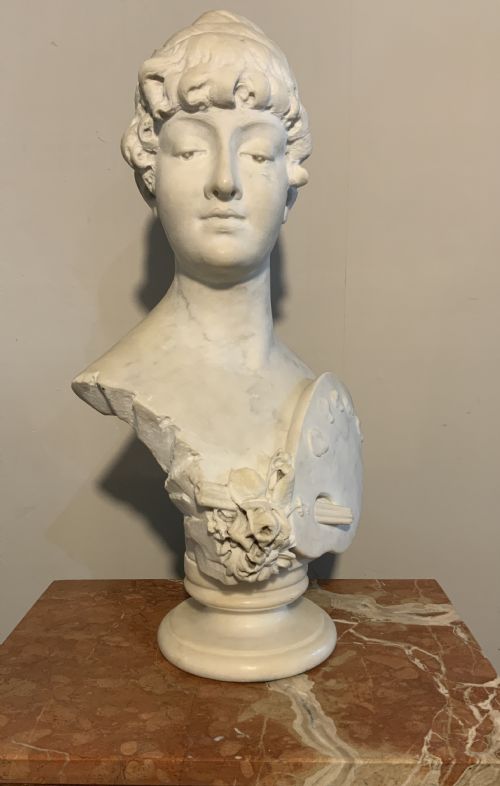
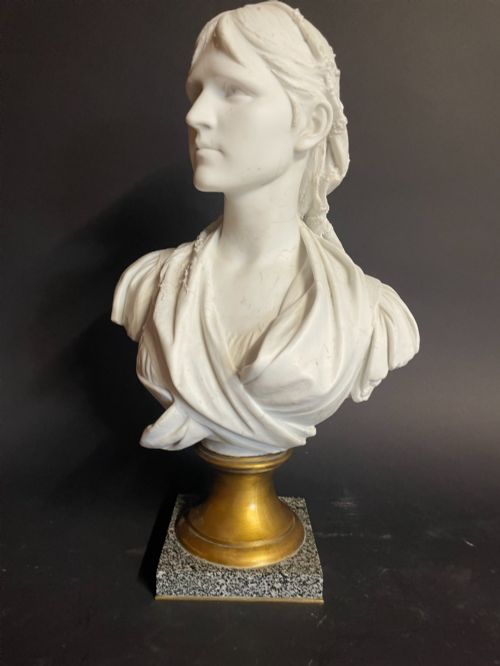
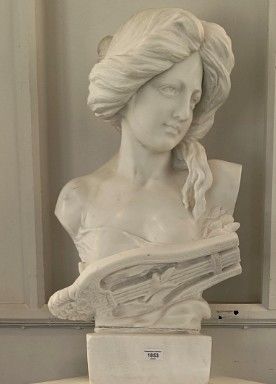
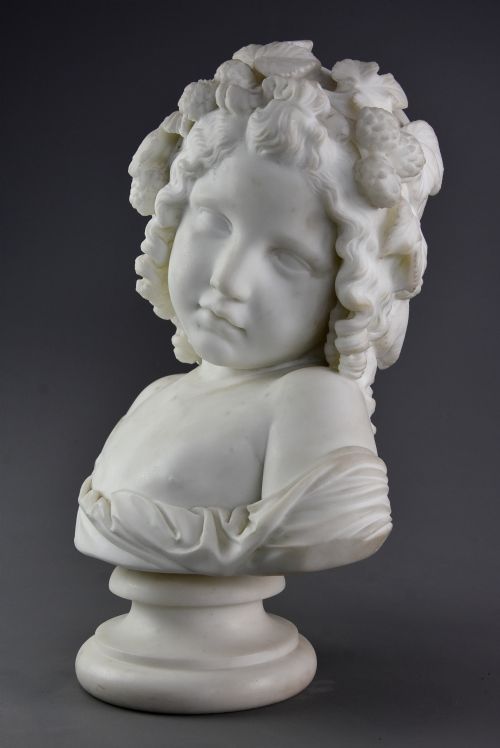
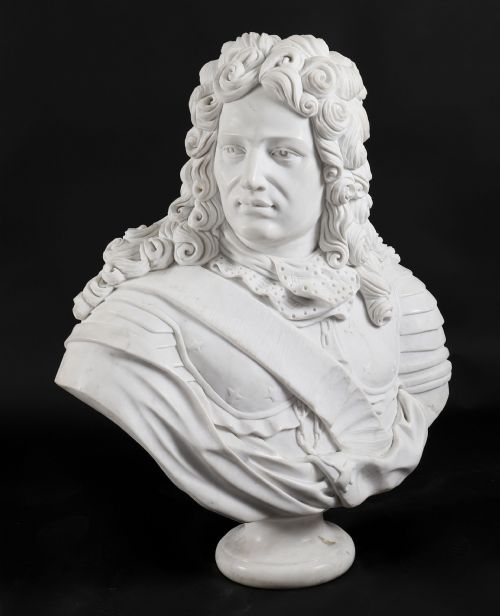
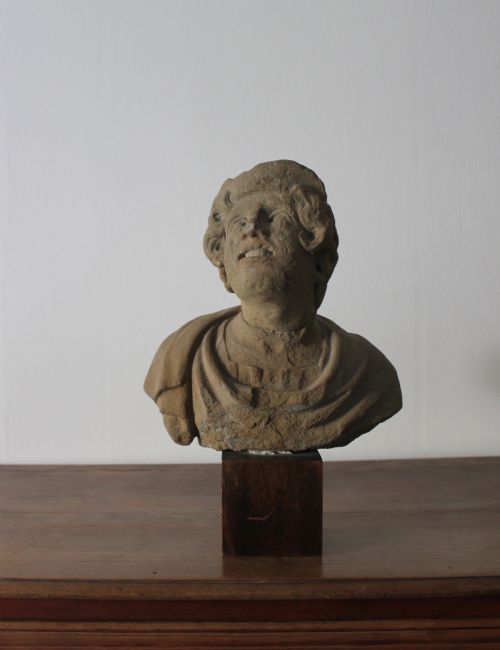
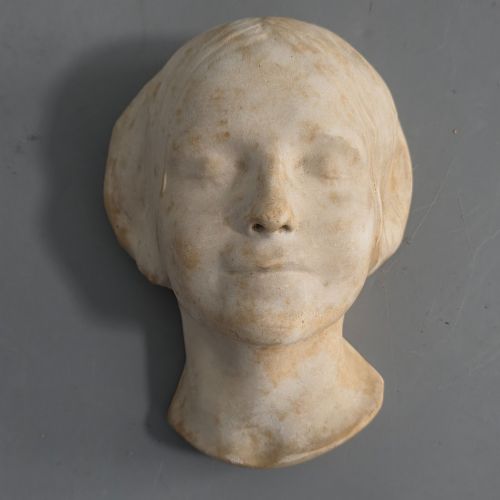
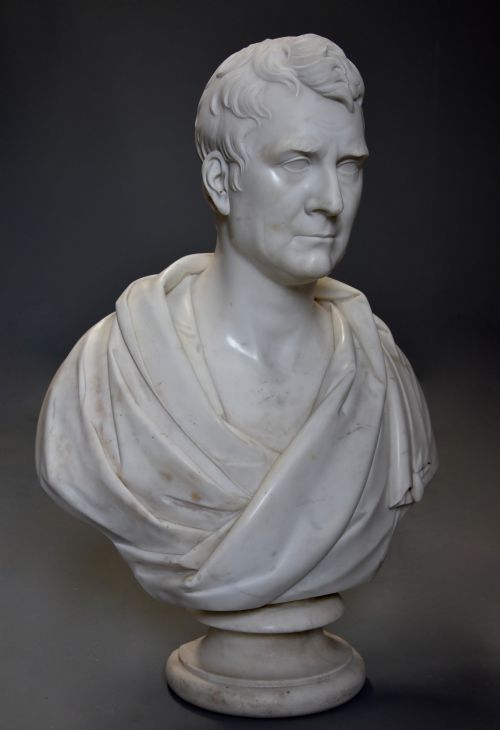
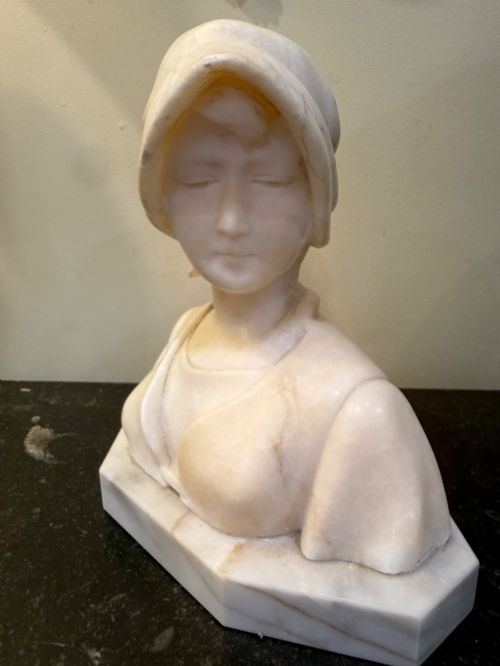
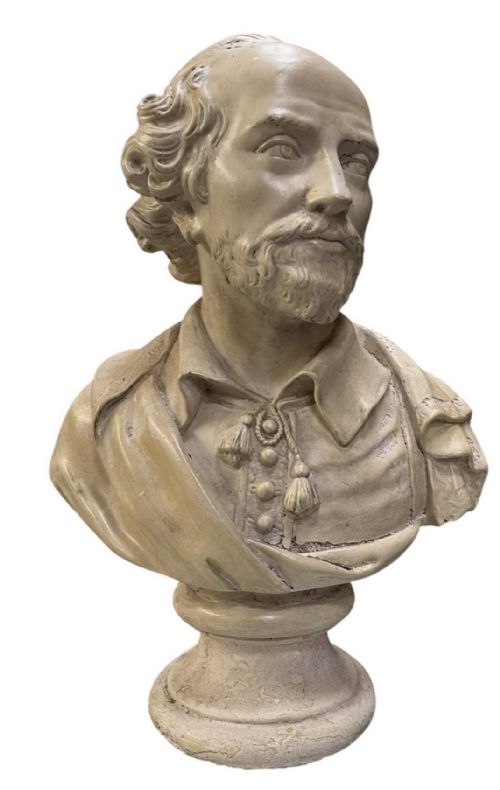
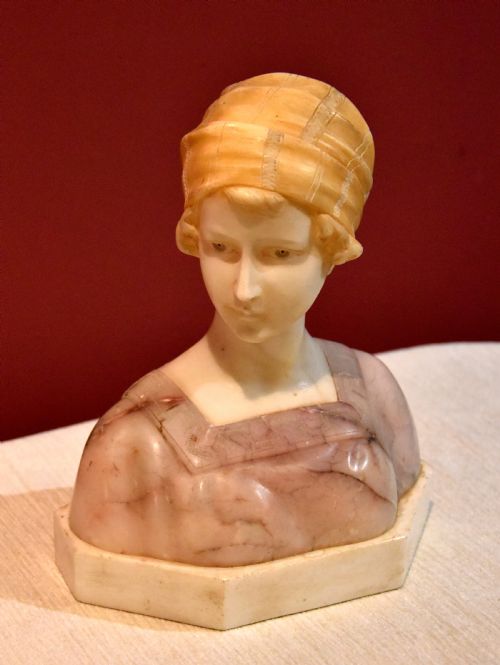
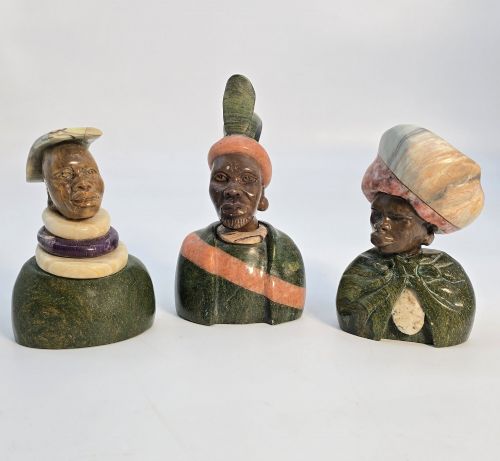
Stone portrait sculpture comprises carved depictions of human subjects, ranging from classical figures and historical personages to anonymous young women and noblemen. These works manifest primarily as portrait busts, library busts, and relief sculptures.
The pieces appearing most frequently originate in the nineteenth century, shaped by Neoclassical, Victorian, and early twentieth-century aesthetic movements. They bridge the gap between monumental statuary and domestic display, often resting on pedestals or integrated library shelves.
Subjects include literary figures, Roman emperors, civic leaders, and mythological characters such as the muse Erato. Each object records a specific historical identity or a generalised human type through direct carving or casting.
Materials and techniques of execution
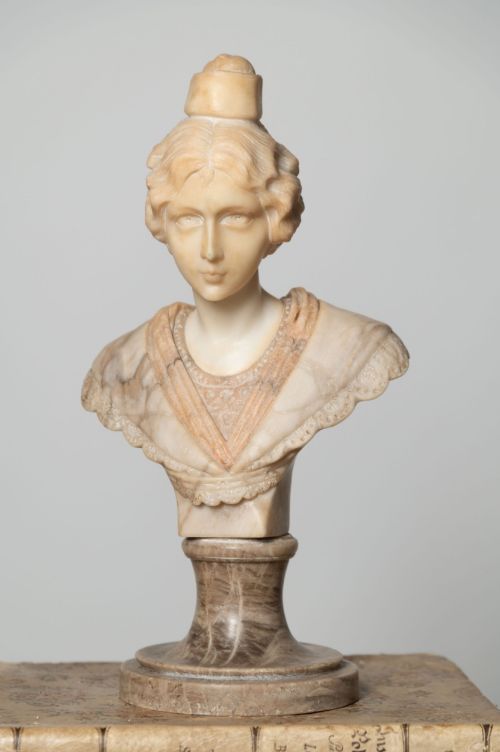
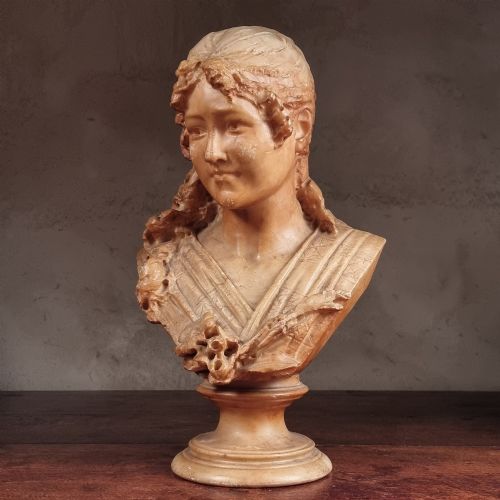
Carvers utilised fine-grained stones, notably white marble, Carrara marble, and alabaster, which allowed for the rendering of subtle facial expressions and drapery. Plaster and simulated stone appear alongside natural rock, serving alternative modes of production.
Artisans employed chisels, rasps, and drills to shape the raw blocks, frequently finishing surfaces with abrasive powders to achieve a smooth skin texture. Signatures and dates incised into the reverse or plinth indicate the hand of individual sculptors and workshops.
Listings feature materials spanning Carrara marble, alabaster, plaster, and terracotta across the eighteenth, nineteenth, and early twentieth centuries.
Distinctions in craftsmanship and execution
Execution of anatomical detail separates standard studio output from masterwork carving, particularly in the handling of hair, eyelids, and musculature. Softer stones like alabaster reveal quality through translucency and the crispness of surviving edges.
The provenance indicated by signatures, foundry marks, or historical attributions elevates certain examples above anonymous decorative carvings. Surface preservation and the integrity of the original polish dictate visual impact.
Houdon·J Francis·Raffaelo Monti·Auguste Henri Carli·John Wenlock Rollins·Mieczyslaw Leon Zawiejski·Antonio Rossellino
The Stone Portrait Sculpture Glossary
- Carrara marble
- A type of white or blue-grey marble quarried in the city of Carrara in Tuscany, Italy. Sculptors have favoured this material since classical antiquity for its fine grain and uniform texture.
- Alabaster
- A fine-grained, translucent stone used extensively for carved figures and decorative vessels. It offers a softer working surface than marble, allowing for delicate surface detail.
- Library bust
- A smaller-scale portrait sculpture designed specifically for display on bookshelves or mantlepieces. These works typically depict philosophers, poets, or historical leaders.
- Relief sculpture
- A sculptural technique where the figures remain attached to a solid background of the same material. It occupies a middle ground between flat two-dimensional art and fully three-dimensional statues.
Stone Portrait Sculpture: Frequently Asked Questions
How do I clean a marble bust?
Dust the surface regularly with a soft, dry microfibre cloth to prevent particulate accumulation in carved crevices.
Avoid using water, chemical cleaners, or abrasive agents, as these can strip historical finishes or etch the stone.
Where should I display alabaster?
Place alabaster sculptures away from direct sunlight and areas prone to high humidity, which can degrade the stone.
Interior spaces with stable ambient temperatures protect these softer carvings from thermal shock and structural stress.
Are these sculptures heavy?
Natural stone and marble pieces possess substantial weight requiring sturdy, level surfaces for safe domestic placement.
Wall brackets and pedestals must be rated to carry the specific mass of denser sculptural materials.
How can I date a sculpture?
Examine the tooling marks, style of dress, hair styling, and any visible inscriptions or signatures on the plinth.
Comparison with documented works by identified sculptors helps narrow the period of production.