



Stone Garden Figure
A stone garden figure brings classical presence and character to outdoor spaces, transforming a simple lawn or terrace into an established landscape.
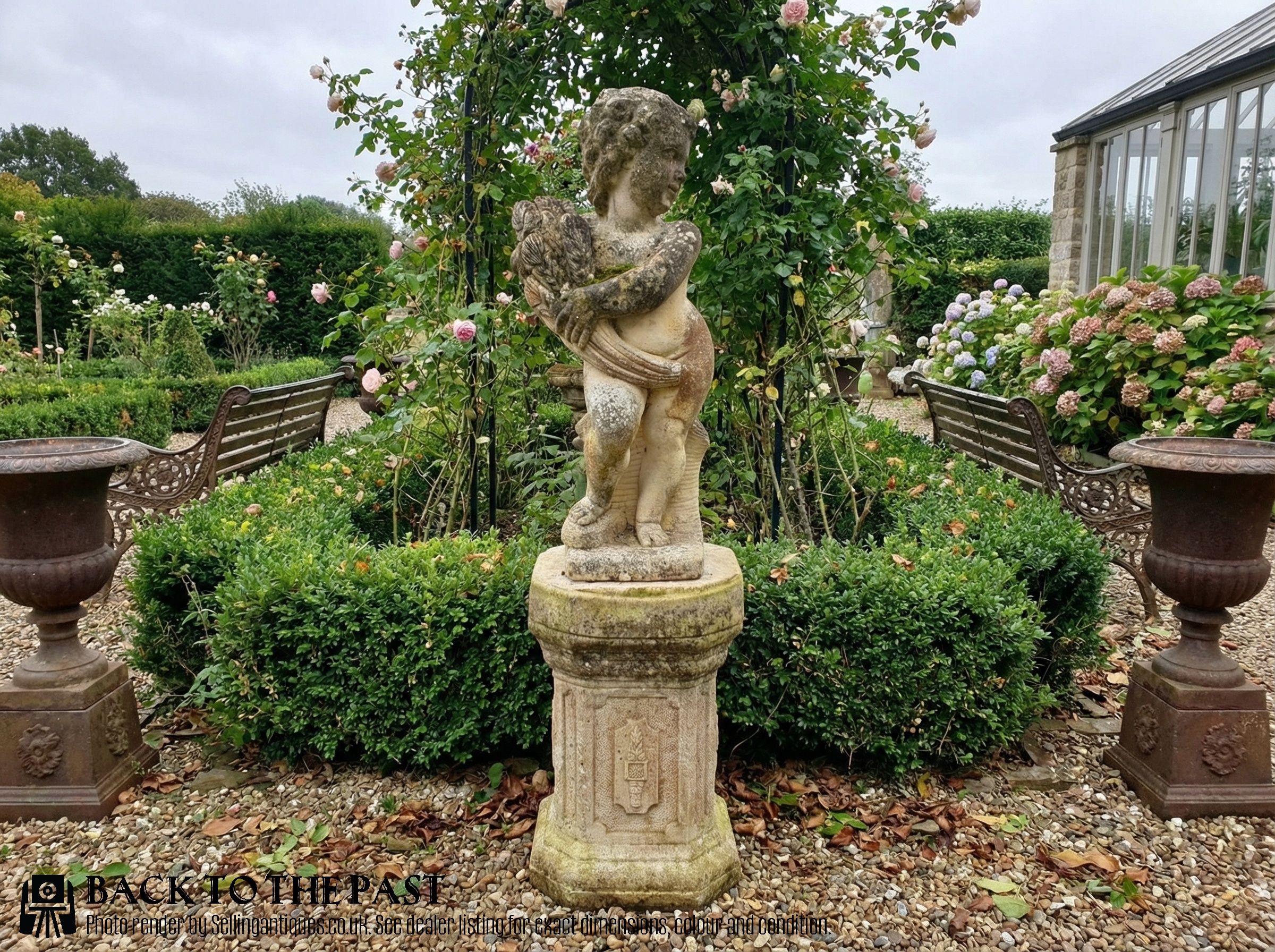
Stone Garden Figure
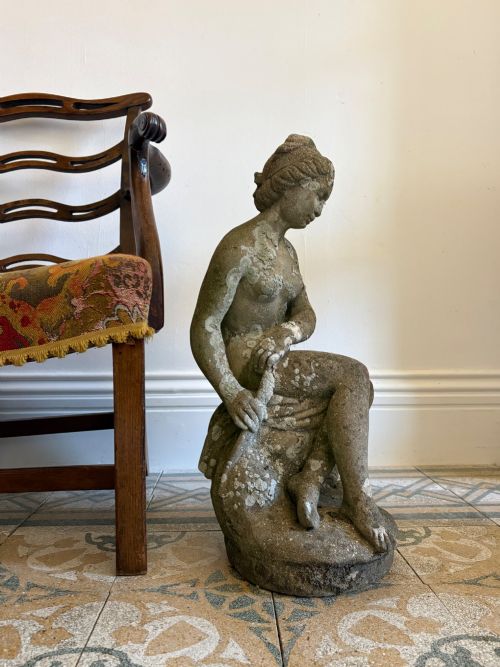
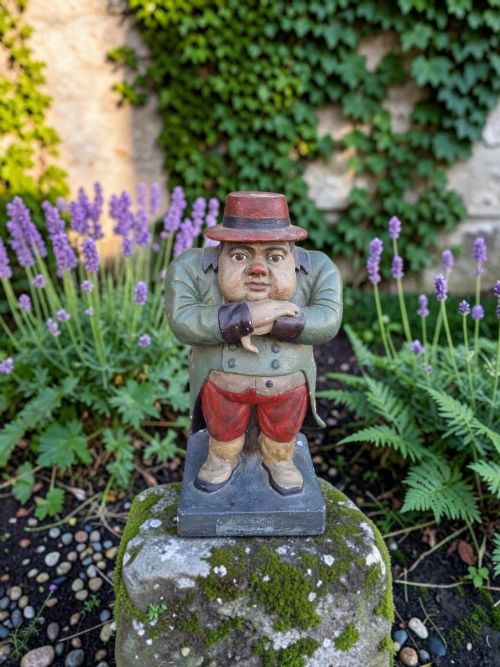
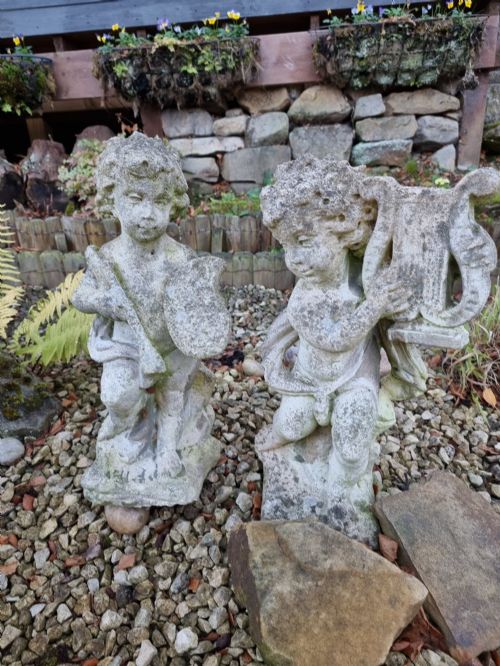
A stone garden figure encompasses garden statues, sculptures, and ornaments that range from classic mythological representations to architectural animals and figures. When exploring a stone garden figure, buyers most frequently encounter mid-twentieth-century pieces alongside nineteenth-century works and earlier examples.
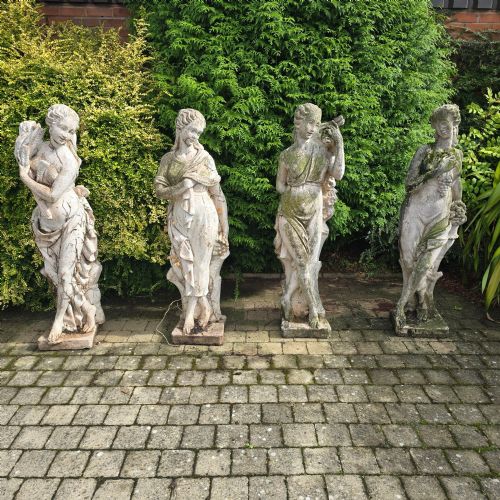
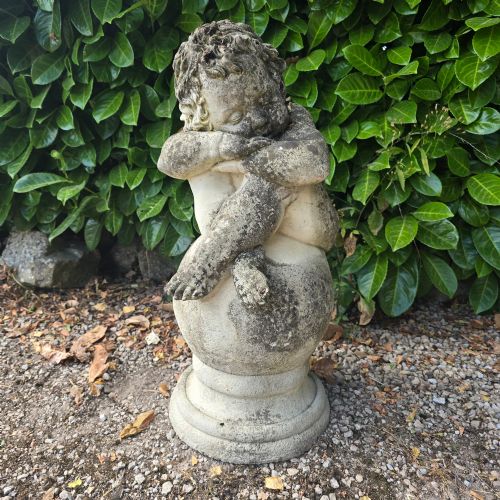
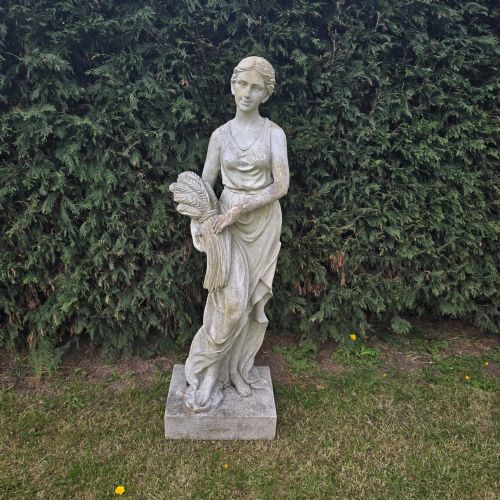
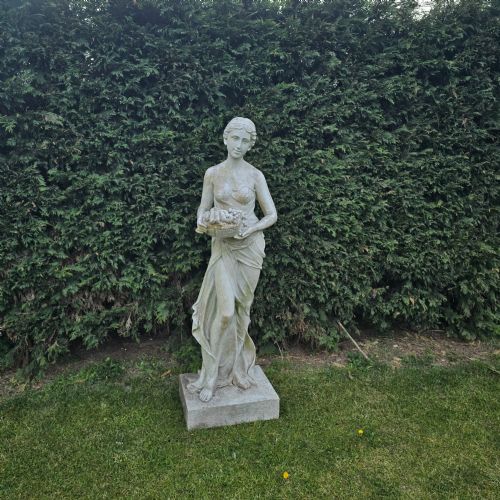
The forms span life-sized allegorical representations such as the Four Seasons, cherubs, lions, and classical maidens. Pieces often stand upon dedicated plinths or within structured settings, drawing on neoclassical, classical revival, and English country traditions.
Origins vary across eras, offering everything from carved marble and terracotta from the nineteenth century to reconstituted and cast stone from the 1930s and 1950s. These pieces function as focal points in gardens, conservatories, and courtyards, developing distinct weathering over time.
Materials and construction methods
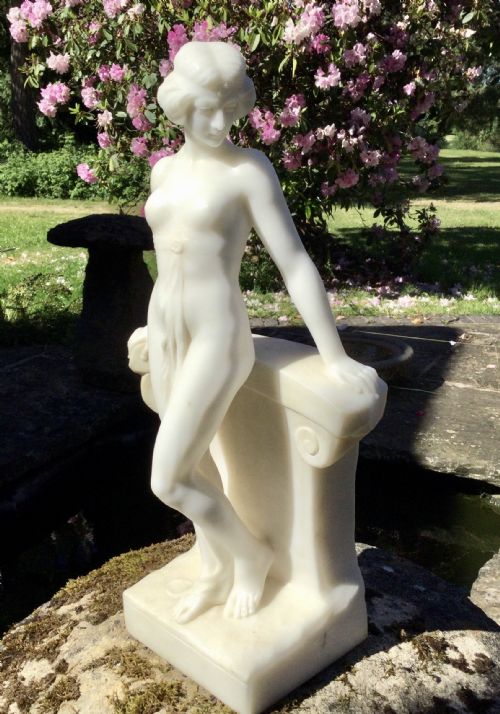
Makers utilised a variety of media, notably cast stone, reconstituted stone, and concrete, alongside traditional carved white marble and terracotta. Cast and reconstituted stone allowed workshops to produce detailed garden ornaments and statues efficiently during the nineteenth and twentieth centuries.
Carved pieces involve direct hand stonemasonry using natural stone or solid marble, resulting in distinct tool marks and anatomical depth. Many twentieth-century concrete and cast stone figures retain traces of original paint that has flaked organically through exposure to the elements.
Stone Garden Figure Retail Price Guide 2026
Typical asking prices for stone garden figure among the pieces listed under this phrase on Sellingantiques today, from the lower quarter to the upper quarter. They describe what is for sale here now, not the wider market.
Listings feature materials spanning cast stone, reconstituted stone, concrete, terracotta, and solid carved white marble.
Distinctions in quality and execution
The natural weathering process significantly influences character, as decades of exposure soften sharp edges and create uniform patination across marble, terracotta, and reconstituted stone. Pieces sculpted from solid carved marble or fine nineteenth-century terracotta demonstrate an enduring artistic ambition distinct from mass-produced concrete items.
The Stone Garden Figure Glossary
- Reconstituted stone
- A manufactured material made from crushed stone aggregate mixed with a binder such as cement, moulded to imitate natural carved stone. It became widely used for garden statuary during the twentieth century.
- Plinth
- A heavy base or block upon which a statue, pillar, or obelisk stands. These elevate garden figures to improve their sightlines within a landscape.
- Terracotta
- Fired clay used extensively for sculptural garden ornaments and figures. It ranges in colour from pale buff to deep reddish-brown and acquires a porous texture over time.
- Neoclassical
- A style inspired by the classical art and architecture of ancient Greece and Rome. This aesthetic heavily influences nineteenth-century and twentieth-century garden figures.
- Patination
- The surface ageing, weathering, and lichen growth accumulated on stone or terracotta over years outdoors. It provides a visual indicator of a piece's age and exposure.
Stone Garden Figure: Frequently Asked Questions
How do I care for a stone garden figure?
Most stone and concrete figures require minimal maintenance, though gentle washing with water helps remove excessive moss or debris without damaging the surface. Allowing natural weathering to develop generally enhances the visual character of outdoor ornaments.
During freezing winter months, protecting vulnerable cast stone or terracotta figures from severe ice expansion prevents cracking. Placing pieces on stable plinths or slabs also keeps them elevated above damp ground.
Are these figures suitable for indoor display?
Many larger statues and busts suit conservatories, grand hallways, or garden rooms just as well as outdoor settings. Marble sculptures and classical figures frequently transitioned between interior collections and garden spaces.
Placing stone figures indoors protects them from harsh weather and frost while highlighting their carved details and form. A sturdy base or stand is often necessary for heavier marble or cast pieces.
What is the difference between cast stone and carved stone?
Carved stone is shaped by hand from a single block of natural material using chisels and mallets. This method produces unique irregularities and sharp sculptural definition characteristic of earlier or bespoke work.
Cast stone is formed by pouring a mixture of aggregate and cement into a mould, allowing for consistent reproduction of complex statues. Both materials weather outdoors over time, though carved pieces generally show more direct artisanal handwork.
How can I tell the age of a garden statue?
Age is typically assessed through material composition, the style of the clothing or subject, and the depth of surface weathering. Nineteenth-century pieces often utilise heavy terracotta or hand-carved marble, whereas 1930s and 1950s examples frequently employ cast reconstituted stone.
Original paint remnants, lichen growth, and historical mounting pins also provide clues to a piece's timeline. Comparing the sculptural style against documented revival periods helps narrow down the decade of creation.