


Sterling Silver Top
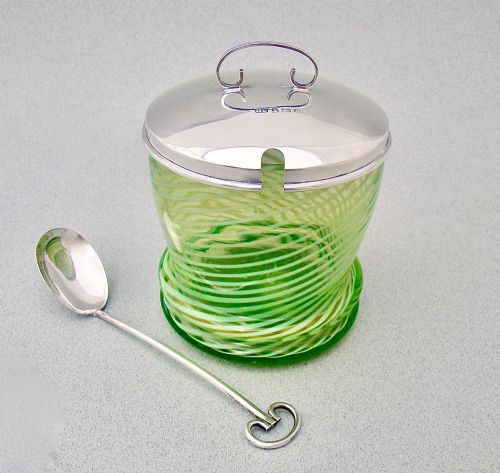
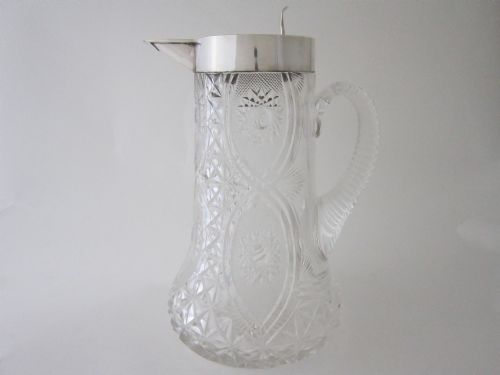
These sterling silver top pieces combine precious metal mounts with glass, crystal, and ceramic vessels for dressing tables and dining rooms.
Sterling Silver Top
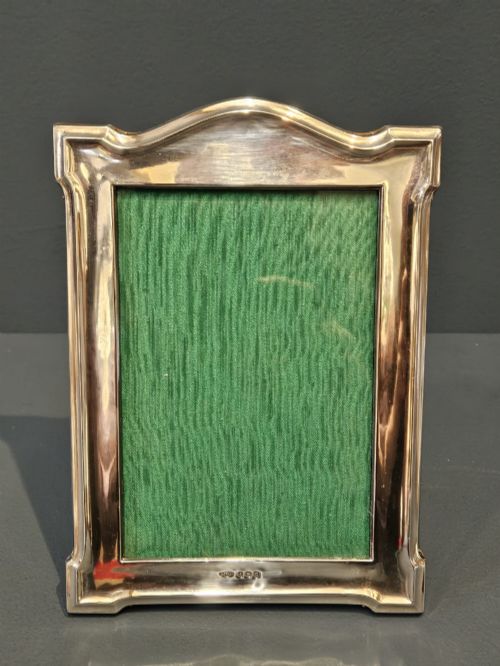
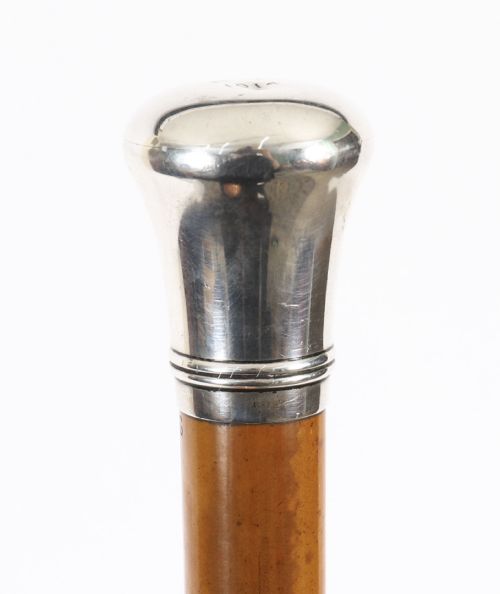
Items associated with sterling silver top searches comprise functional vessels and display objects augmented by fitted metal closures, collars, and decorative panels. The selection spans the Georgian period through the Art Deco era, encompassing Victorian and Edwardian examples.
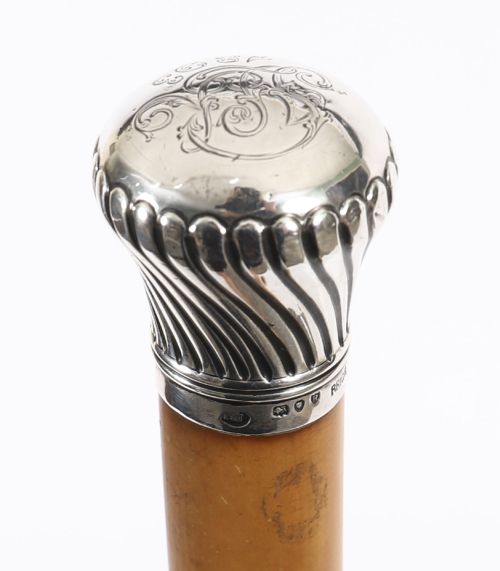
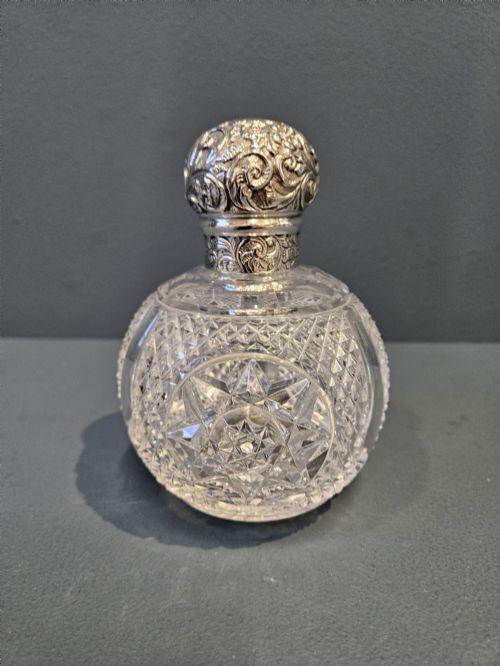
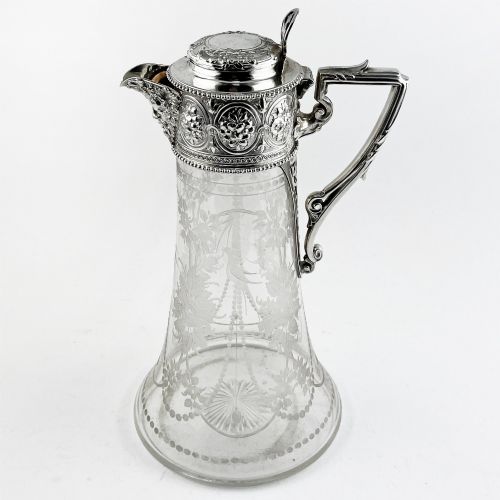
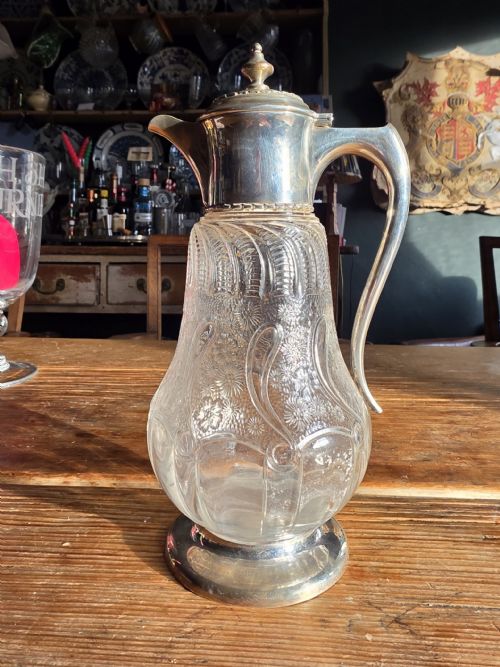
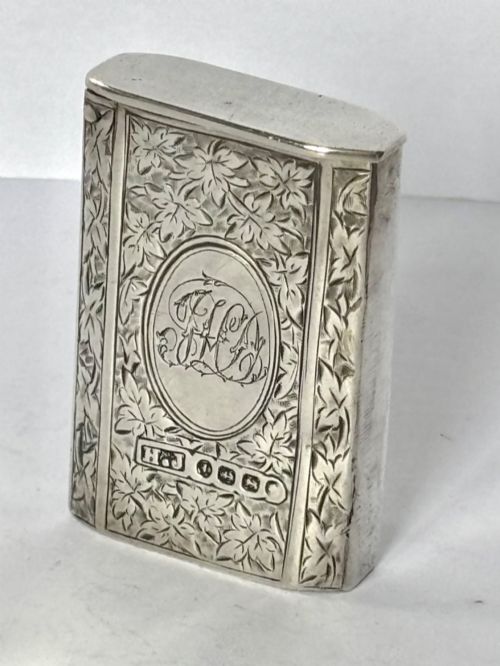
Vessels on this page range from cut glass decanters and scent bottles to vanity jars, inkwells, and hip flasks. Bureau accessories and card cases also appear, featuring detailed chased or engraved metallic embellishments.
How they were made
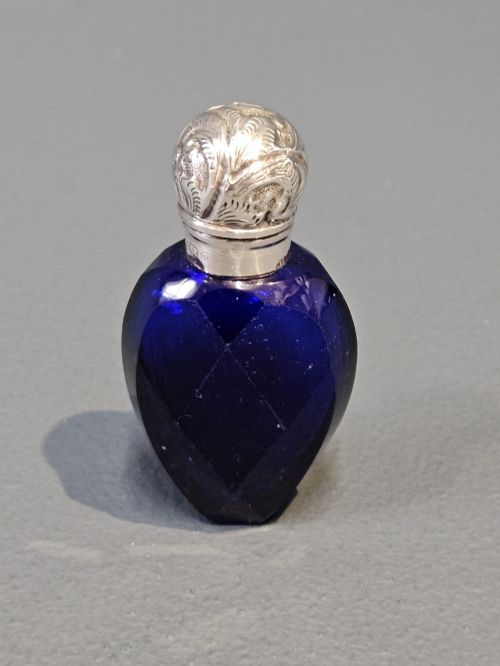
Makers combined sterling silver with blown, cut, and moulded glass, crystal, or opaline glass. Coloured glass variants such as cranberry and green glass frequently support pierced or solid metal mounts.
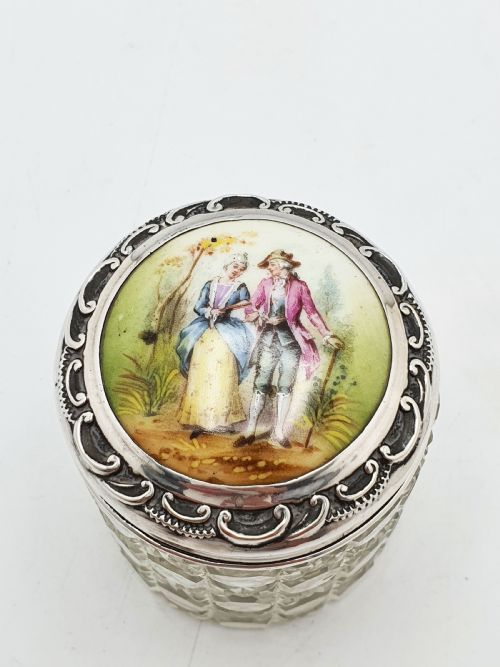
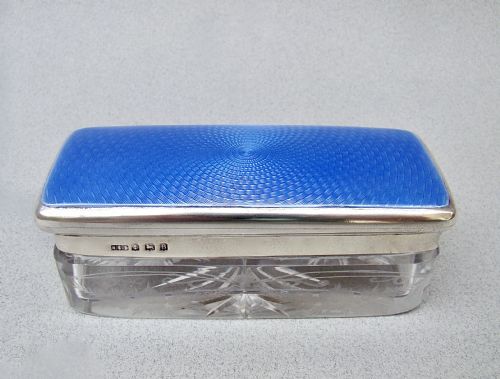
Craftsmen utilised techniques including guilloche enamel, hand-painting on porcelain plaques, floral engraving, and cast architectural relief work known as castle top design.
Sterling Silver Top Retail Price Guide 2026
Typical asking prices for sterling silver top among the pieces listed under this phrase on Sellingantiques today, from the lower quarter to the upper quarter. They describe what is for sale here now, not the wider market.
Materials span sterling silver, cut crystal, cranberry glass, opaline glass, and guilloche enamel across diverse functional objects.
What varies in quality
Differentiation lies in the crispness of the chased or engraved decoration upon the metal and the weight of the silver component. Fine pieces display deep, legible hallmarks and precise structural joins rather than thin gauge pressings.
The integration between the silver mount and the glass body indicates craftsmanship. Superior items feature securely fitted hinged lids, bayonet caps, or collars without movement against the glass.
William Comyns·A. J. Pepper & Co·Henry Clifford Davis·Nathaniel Mills·Gorham·Henry Perkins·Asprey London
The Sterling Silver Top Glossary
- Castle top
- A style of decorative metalwork featuring high-relief depictions of notable British buildings or landmarks. This technique appears predominantly on card cases and matchbox covers from the Victorian and Edwardian periods.
- Guilloche enamel
- A decorative technique where translucent enamel is layered over mechanically engraved metalwork. It produces repetitive geometric patterns visible on dressing table jars and inkwells.
- Bayonet cap
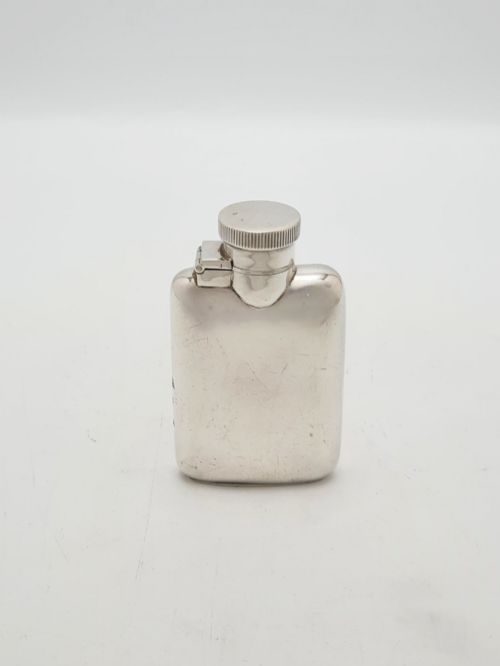
- A secure closure mechanism requiring a push and twist action to seal tightly. This fitting is commonly found on antique hip flasks and scent bottles to prevent liquid leakage.
- Vesta case
- A small portable container designed to hold matches, typically fitted with a striking surface on the base. Victorian examples often feature engraved floral motifs or figural scenes.
- Whisky noggin
- A small vessel used for serving spirits, typically constructed from cut crystal with a fitted silver mount and handle. These miniature decanters often accompany barware collections.
Sterling Silver Top: Frequently Asked Questions
How do I clean tarnished silver mounts?
Apply a mild silver polish using a soft cloth, working gently around the glass or enamel edges to avoid abrasion. Rinse the residue carefully and dry with a soft cloth.
Prevent polish from entering bottle interiors or pooling in engraved recesses. Regular dusting with a microfibre cloth reduces the need for frequent chemical cleaning.
Are scent bottle stoppers original?
Examine the fit, material, and interior wear patterns of the stopper against the neck of the bottle. Original stoppers often share matching hallmarks or show corresponding age wear.
Replacements may feel loose or exhibit a different shade of glass. Consistency in manufacture helps confirm originality.
What is a castle top piece?
Castle top items feature a detailed stamped or chased architectural scene on the silver lid or front panel. These depictions typically honour specific British landmarks like Windsor Castle.
Most examples date from the mid-Victorian era when topographical souvenir items gained popularity. They remain prized by collectors for their intricate miniature relief work.
How do I date an unmarked silver mount?
Look for British hallmark stamps denoting the assay office, standard mark, and date letter. These standard symbols provide precise production years for most pieces.
When hallmarks are absent or rubbed, stylistic indicators such as Art Deco geometric lines or Victorian floral engraving help narrow the manufacturing period.