
Sterling Silver Tea Spoon
When you handle a sterling silver tea spoon, you hold centuries of domestic silver-smithing history in the palm of your hand.
Sterling Silver Tea Spoon
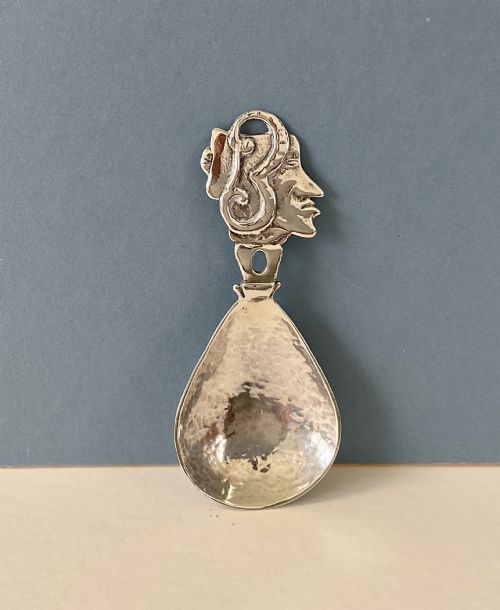
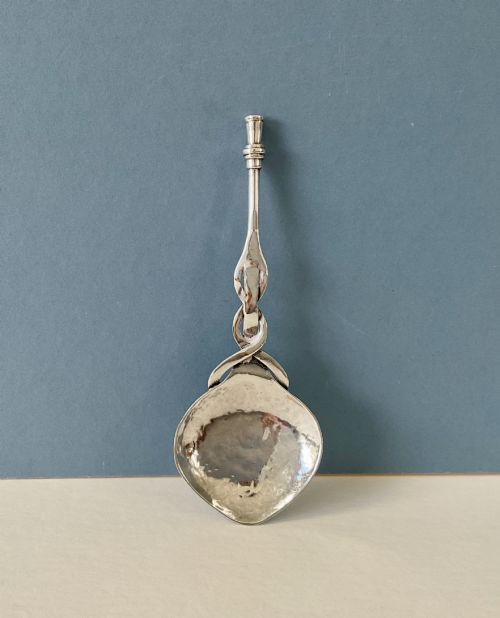
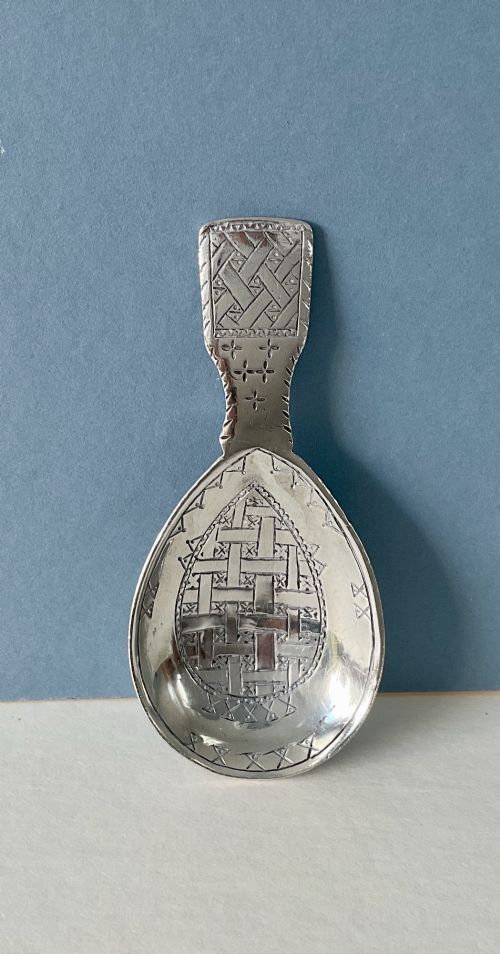
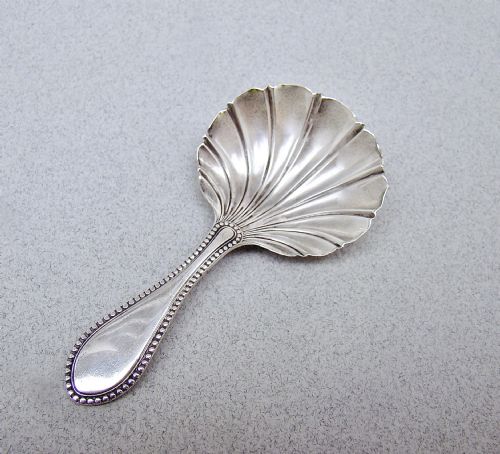
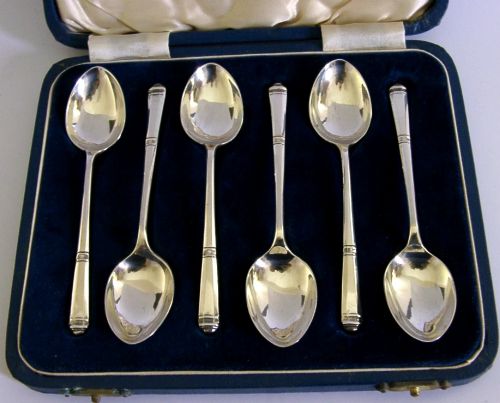
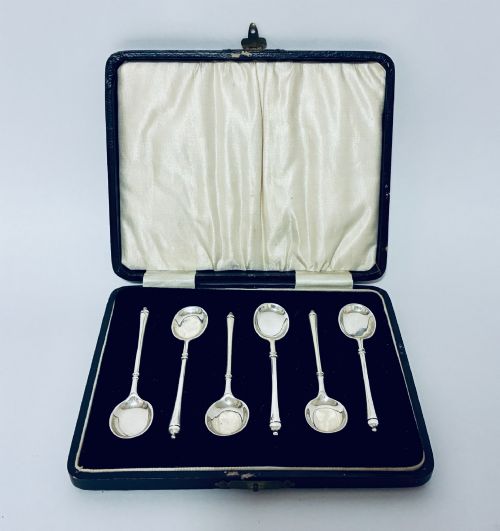
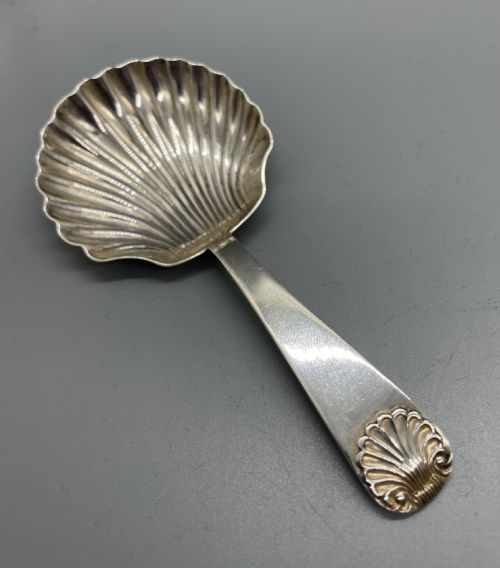
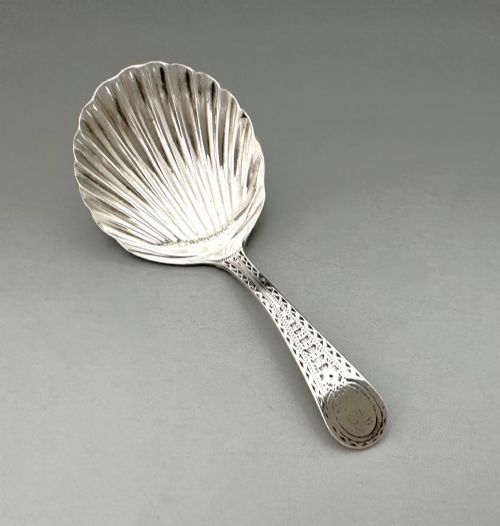
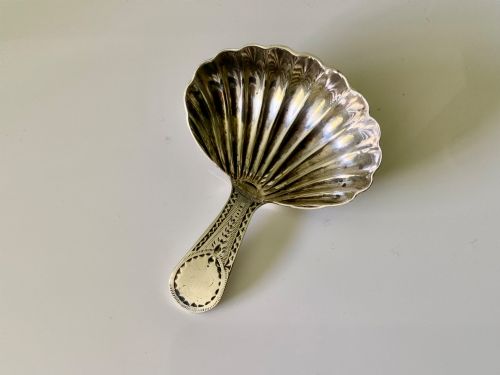
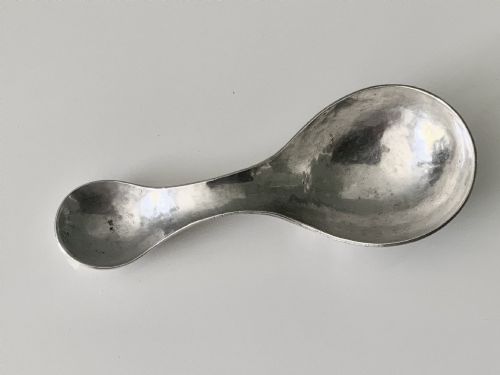
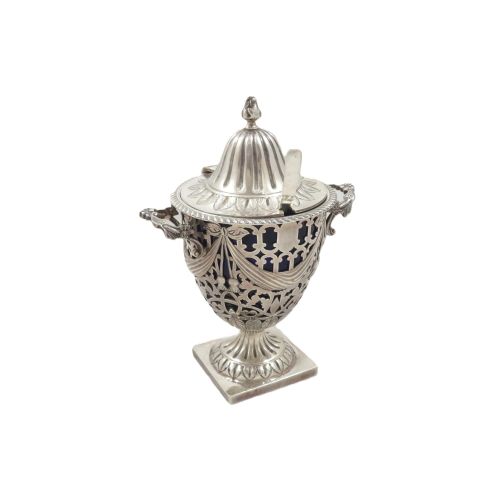
A sterling silver tea spoon encompasses standard teaspoons, caddy spoons designed for measuring loose leaves, and specialised forms like mote spoons and infusers. You will frequently encounter Georgian and Victorian caddy spoons alongside cased sets from the Edwardian and Art Deco periods.
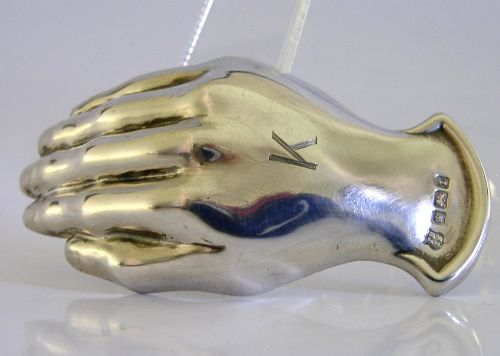
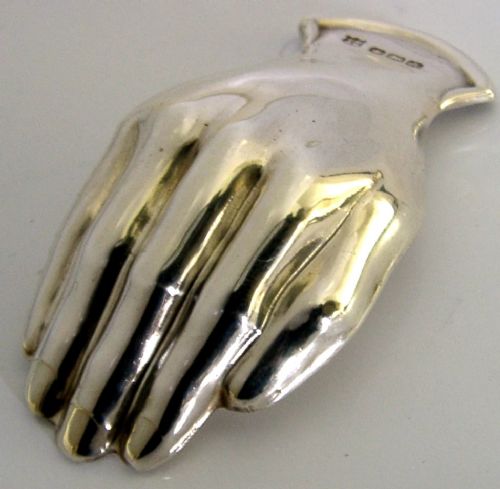
The selections range from utilitarian flatware to novelty hand, jockey cap, and leaf designs. Craftsmanship spans British provincial and London assay offices, alongside continental makers such as Georg Jensen and David Andersen.
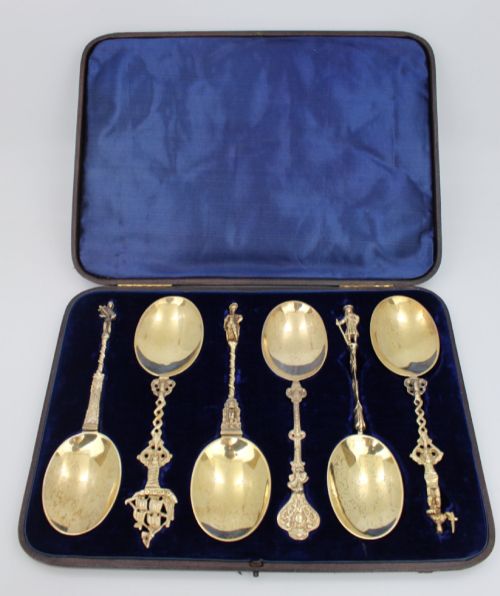
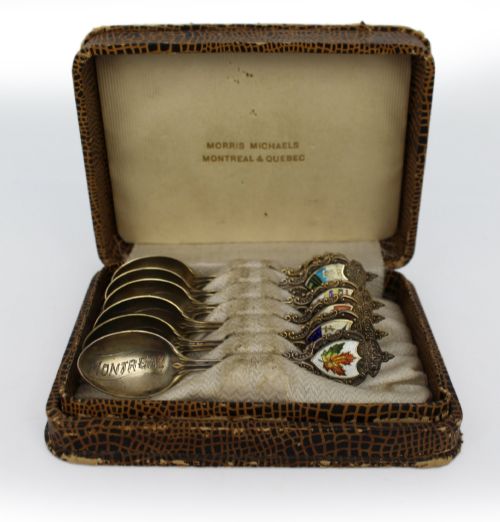
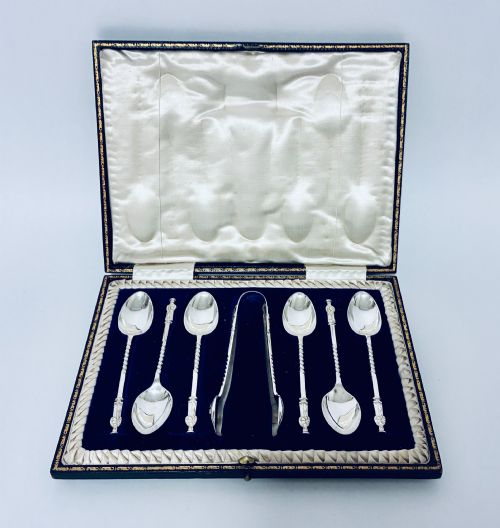
Makers utilised solid sterling silver, often pairing bowls with velvet or silk-lined leatherette cases. Some examples incorporate enamel, mother-of-pearl, or glass inserts to complement the silver work.
How they were made
Silversmiths formed the bowls and handles of a sterling silver tea spoon by hammering and shaping molten or sheet silver. Details such as bright-cut engraving, pierced decoration, and channel work were applied by hand using gravers and chisels.
Specialised components like novelty hands, vine leaves, or figural terminals required individual casting before soldering to the stem. Makers stamped hallmarks directly into the metal to record the standard, assay office, and date.
Materials recorded across the inventory include solid sterling silver, silk, velvet, enamel, and mother-of-pearl.
What varies in quality
The weight of the metal and the crispness of the chasing separate standard production pieces from exceptional works. Thicker gauge silver resists bending and retains sharp relief on engraved bright-cut patterns and repoussé motifs.
Design originality and maker reputation elevate certain spoons above basic utility ware. Marked attribution to notable workshops or specific novelty forms demonstrates superior design intent and execution.
Martin Hall And Co·Joseph Willmore·David Andersen·William Neale·Georg Jensen·Jeremiah Lee·George Unite·Tiffany And Co·Turner And Simpson Ltd
The Sterling Silver Tea Spoon Glossary
- Caddy spoon
- A specialised small spoon designed specifically for measuring loose tea leaves from a caddy. These often feature decorative bowls shaped like leaves, shells, or hands.
- Hallmark
- An official stamp struck into precious metals to guarantee purity, identify the maker, and indicate the year of assay and town of origin.
- Bright-cut engraving
- A surface decoration technique using faceted angled cuts to create sparkling geometric patterns that catch the light.
- Mote spoon
- An eighteenth-century implement featuring a pierced bowl for skimming tea leaves and a tapered spike terminal used for clearing tea pot spouts.
- Guilloché
- A decorative technique where a precise, intricate pattern is mechanically engraved beneath a translucent layer of enamel.
Sterling Silver Tea Spoon: Frequently Asked Questions
What is a caddy spoon used for?
A caddy spoon measures loose tea leaves from a storage caddy into the pot. Their short handles and broad bowls were specifically proportioned for reaching inside container necks.
Over the centuries, silversmiths shaped these bowls into leaves, shells, and hands for domestic display.
How do I identify a Georgian tea spoon?
Georgian spoons exhibit distinct hallmarks stamped into the reverse of the stem, often lacking a sovereign's head duty mark on older pieces. Their forms lean towards bright-cut engraving and Hanoverian or Old English handle profiles.
Examining the assay office punch helps narrow down the manufacturing decade.
Were these spoons made in sets?
Many teaspoons were produced as part of matching cased sets complete with sugar tongs or strainers. Other forms, particularly novelty caddy spoons, were created individually as distinctive tabletop accessories.
Fitted boxes lined with velvet or silk frequently accompanied presentation sets.
How do I care for antique silver spoons?
Antique silver benefits from gentle washing in warm soapy water followed by thorough drying with a soft cloth. Abrasive polishes should be avoided to preserve the original hallmarks and fine engraving.
Storing pieces in tarnish-resistant wraps helps maintain the metal finish.