


Silver Novelty Spoon
A silver novelty spoon turns a mundane table ritual into a piece of theatre, capturing Victorian and Edwardian wit in miniature.
Silver Novelty Spoon
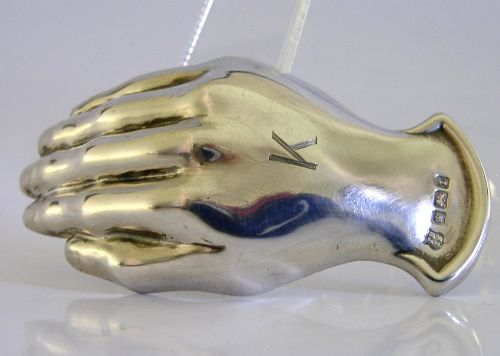
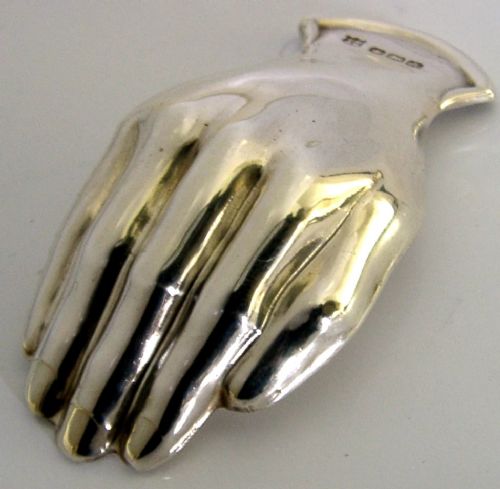
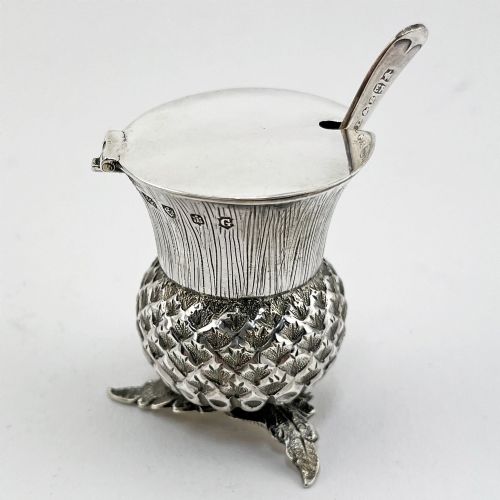
A silver novelty spoon reimagines standard tableware into playful shapes, from hands and jockey caps to golf clubs and marine life. When you search for this phrase, you encounter small condiment implements, tea caddy spoons and larger table pieces designed to amuse diners.
The selections span the Victorian, Edwardian and Art Deco periods, drawing on British and American manufacturing traditions. Caddy spoons formed in the shape of caps or hands dominate the smaller items, alongside match sets and cased table accessories.
Makers utilised familiar objects and natural forms to create conversation pieces for the dining table. These items bridge the gap between functional silverware and cabinet curiosities, appealing to collectors of themed smalls.
How they were made
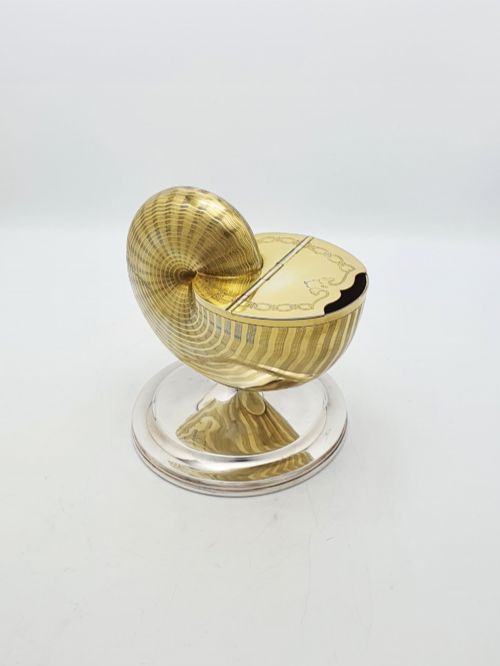
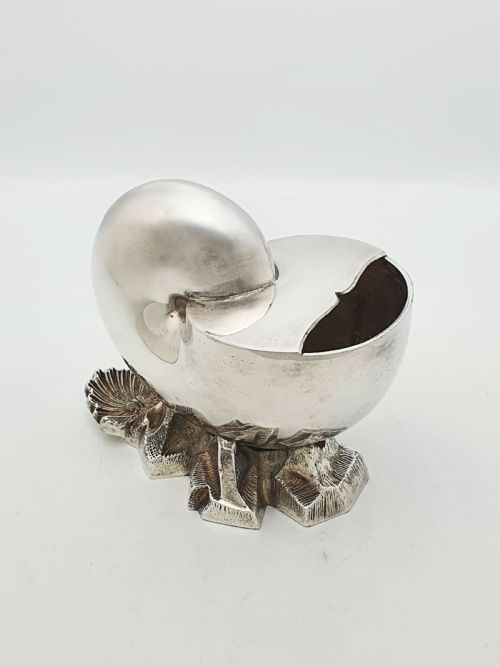
Silversmiths employed sterling silver and silver plate, often combining stamped bowls with cast and chased decorative handles. Workshops utilised electroplated nickel silver for larger vessels like shell-shaped spoon warmers, pairing metalwork with glass or Bakelite components.
Detailing relied on careful hand-chasing, engraving and applied hallmarks to indicate metal purity and assay office origin. Caddy spoons and condiment sets show intricate articulation in miniatures such as caps, hands and sporting equipment.
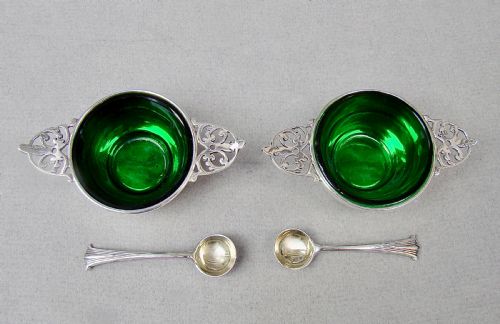
Listings feature sterling silver and silver plate alongside materials like Bakelite, enamel, gilt metal and green glass.
What varies in quality
The distinction between ordinary and exceptional pieces lies in the crispness of the casting and the ingenuity of the design. Superior examples maintain clear hallmarks, sharp definition in engraved motifs and sturdy hinges or joints where movable parts exist.
Design complexity elevates certain items above standard production wares, particularly when anatomical or mechanical elements execute realistically. Maker marks from established firms also indicate a higher standard of workshop output.
Josiah Williams & Co·William Neale·Atkin Brothers·Levi & Salaman
The Silver Novelty Spoon Glossary
- Caddy spoon
- A short-handled spoon specifically designed for measuring loose tea leaves from a caddy. These examples frequently feature novelty bowls and handles shaped like hands or caps.
- Spoon warmer
- A Victorian table vessel designed to hold hot water and warm spoons before serving soup or broth. They often take organic forms such as nautilus shells, whelks or marine buoys.
- Hallmark
- An official stamp applied by an assay office confirming the standard of precious metal purity, origin and date. British pieces typically show a maker mark, lion passant and city symbol.
- EPNS
- Electroplated nickel silver, a base metal coated in a thin layer of silver. This technique allowed manufacturers to produce larger table novelties affordably during the nineteenth century.
- Novelty
- A descriptive term for functional objects shaped to resemble unrelated items, animals or figures. These pieces were intended to surprise and entertain guests at the dining table.
Silver Novelty Spoon: Frequently Asked Questions
What were silver novelty spoons used for?
These pieces served practical dining functions while doubling as conversation starters at formal meals. Hosts deployed them for measuring tea, serving condiments or warming spoons.
Over time, their decorative appeal outweighed domestic utility, shifting them from dining tables into collector display cabinets.
How do I identify the period of a piece?
Look for stamped hallmarks, registration numbers and stylistic indicators that align with Victorian, Edwardian or Art Deco manufacturing trends. Maker marks and assay letters provide precise dating for British sterling items.
Silver plate and unmarked pieces require stylistic comparison with documented forms, such as nineteenth-century shell warmers or early twentieth-century sporting motifs.
How should I clean my silver pieces?
Wash items gently in warm, soapy water using a soft cloth to remove surface dust without abrasive friction. Avoid harsh chemical dips that strip away desirable patination from older silver surfaces.
Dry the metal thoroughly with a lint-free cloth after washing to prevent water spots and tarnishing.
Are silver plate and sterling silver marked differently?
Sterling items carry official hallmarks including a lion passant or purity number alongside maker initials. Silver plate pieces typically feature marks denoting EPNS or electroplated nickel silver rather than sterling standards.
Unmarked novelty items often rely on registration diamonds or patent numbers to indicate their production era.