

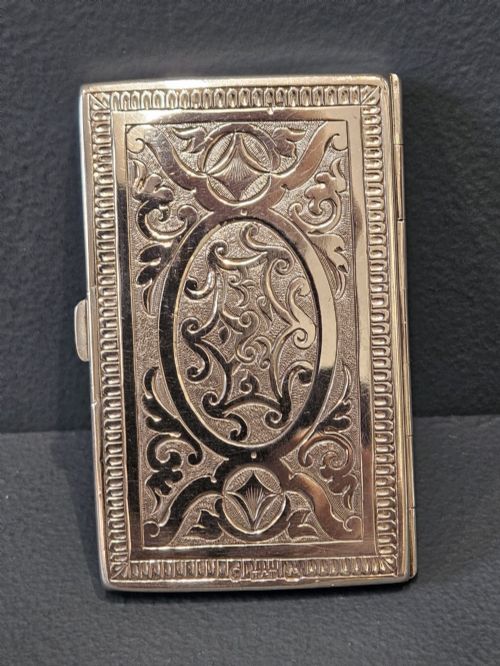
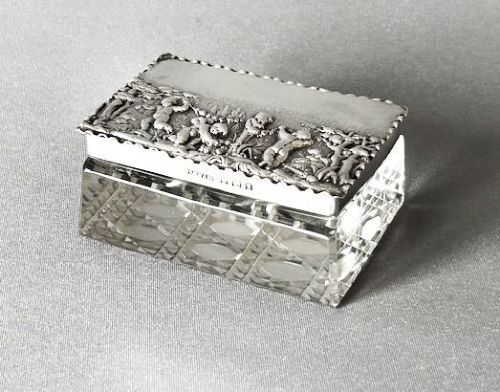
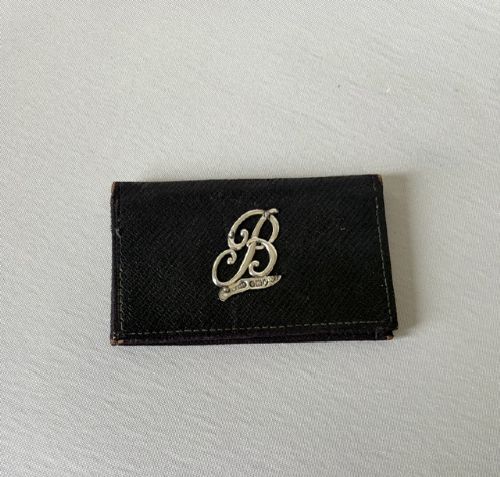
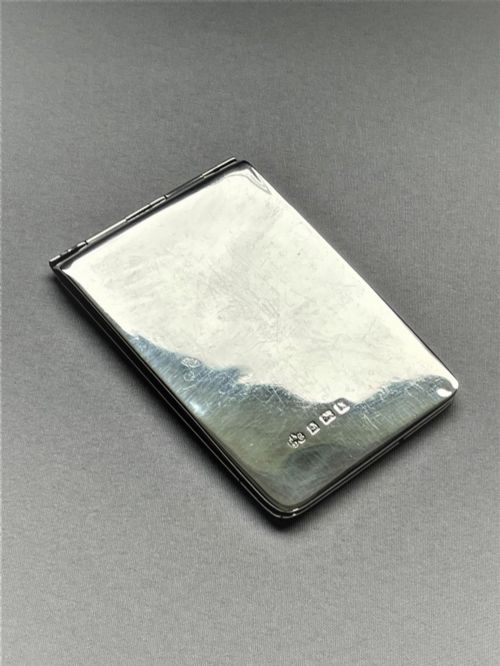
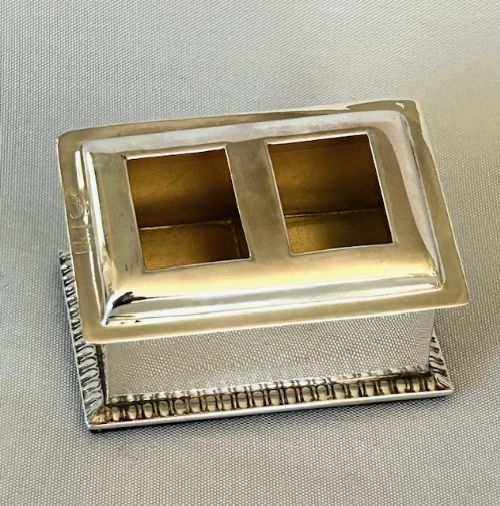


Sterling Silver Stamp Holder
These sterling silver stamp holder pieces are pocket or desk accessories made to organise postage, and collectors prize them for their miniature silverwork.
Sterling Silver Stamp Holder
When you search for a sterling silver stamp holder, you encounter desk accessories and pocket cases designed for postage stamps. These pieces emerge primarily from the Victorian and Edwardian periods, stretching into the reign of George V.
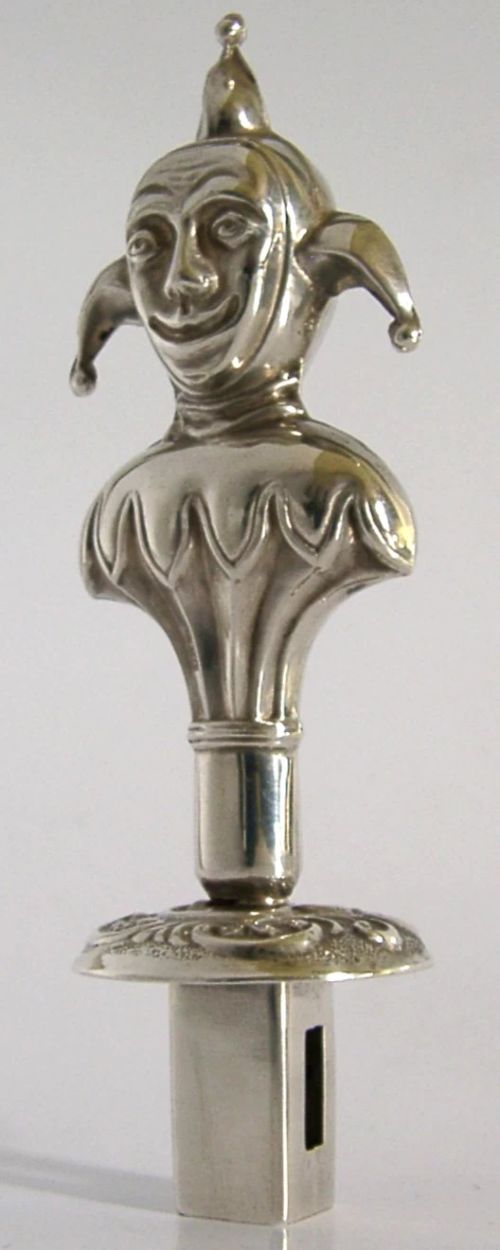
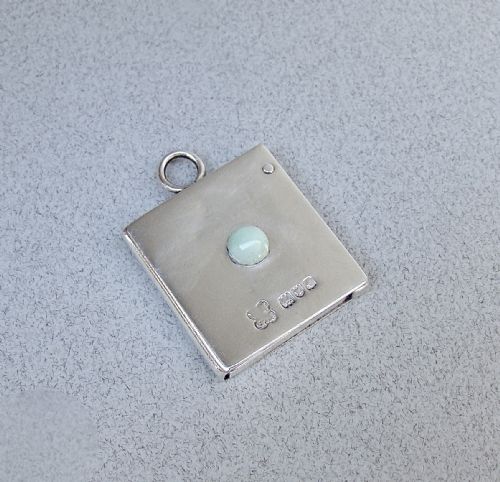
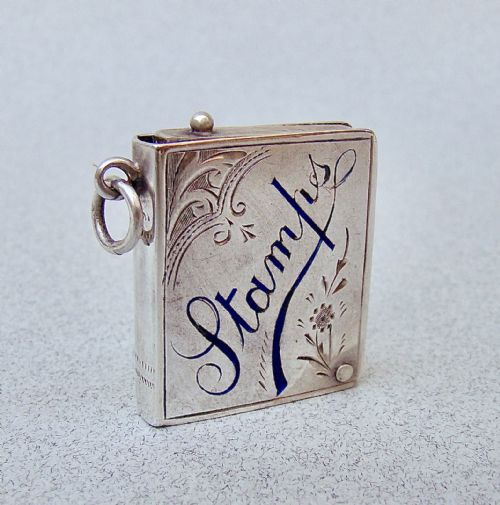
The selection ranges from simple envelope cases and double stamp boxes to novelty items fashioned as books, wallets, wheelbarrows, garden trugs, and jester wax seal holders. Many examples combine silver with glass, leather, enamel, or stone.
Edwardian designs dominate the selection, often taking the form of trough-shaped boxes or slide-opening cases. Makers utilised hallmarked silver to create both functional desk items and portable card and stamp cases.
What varies in quality
Quality in a sterling silver stamp holder depends on the crispness of the chasing and engraving on the metal surface. Crisp, deep details on novelty forms or floral motifs distinguish finer pieces from plainer iterations.
The cleverness of the mechanism also dictates value, with smooth swivel actions and tightly closing hinged lids showing superior workshop execution. Maker marks from prominent silversmiths further elevate the standing of a piece.
Sterling Silver Stamp Holder Retail Price Guide 2026
Typical asking prices for sterling silver stamp holder among the pieces listed under this phrase on Sellingantiques today, from the lower quarter to the upper quarter. They describe what is for sale here now, not the wider market.
Silversmiths turned postage storage into miniature garden equipment, shaping solid silver into tiny wheelbarrows and trugs ready to haul your correspondence.
Willian Aitken·Crisford and Norris·Sampson Morden·W and G Neal·Albert Ernest Jenkins·Levi and Salaman
The Sterling Silver Stamp Holder Glossary
- Hallmark
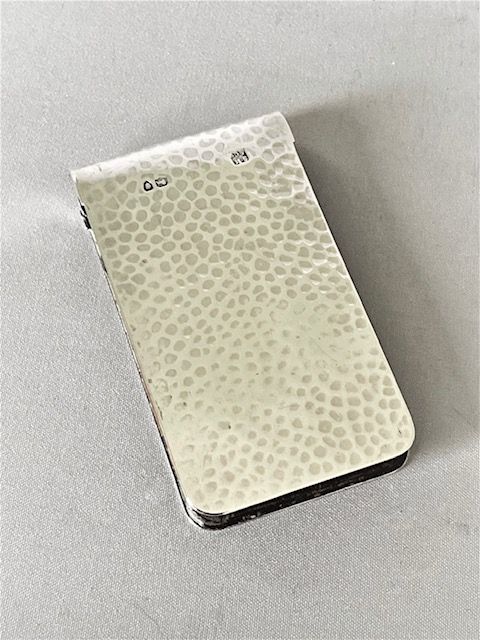
- A series of official marks stamped on precious metals, guaranteeing the purity of the silver and showing the maker and assay office. These stamps provide the primary evidence for dating an antique.
- Novelty
- An object made in a whimsical or recognizable shape outside standard utilitarian forms, such as a wheelbarrow or book. Collectors prize these imaginative silver pieces.
- Sterling silver
- An alloy of silver containing parts of other metals for durability, standard for quality British silver goods. This material forms the durable body of the stamp holders.
- Assay office
- A body that tested precious metals and applied official hallmarks, with towns like London, Birmingham, and Chester operating notable offices. Their marks tell us where a piece was tested.
Sterling Silver Stamp Holder: Frequently Asked Questions
How were stamp holders used?
These accessories kept gummed postage stamps flat and dry in pockets or on writing desks before self-adhesive stamps existed. People carried them alongside visiting cards and correspondence.
Desk versions sat neatly among inkwells and blotters, while pocket versions featured loops or slim profiles for travel.
How do I spot a novelty piece?
Novelty stamp holders take recognizable shapes from everyday life, such as books, wallets, wheelbarrows, or garden trugs. They disguise functional stamp compartments within charming miniature sculptures.
These whimsical objects required intricate silver casting and folding techniques by the silversmith.
What materials accompany the silver?
Many stamp holders combine sterling silver mounts with cut glass, leather, enamel, or stone elements. Glass boxes allowed users to see the stamps inside without opening the lid.
Leather added a flexible, pocket-friendly structure to combined card and stamp cases.
How do I date these pieces?
Assay office marks and date letters stamped into the silver provide the exact year of manufacture. Stylistic clues such as Edwardian floral engraving or George V WWI inscriptions also help determine the period.
Most surviving examples date from the late nineteenth century through the early twentieth century.