



Sterling Silver Nips
Sterling silver nips are small, elegant tools for handling sugar lumps, and collectors prize them for their fine metalwork and domestic history.
Sterling Silver Nips
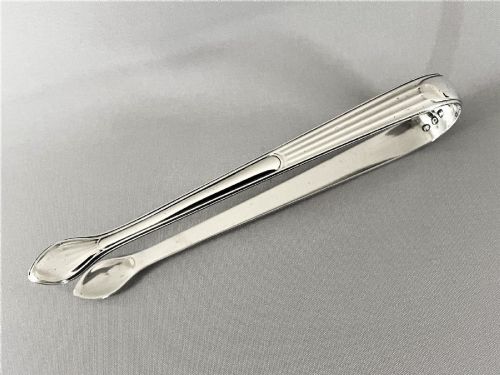
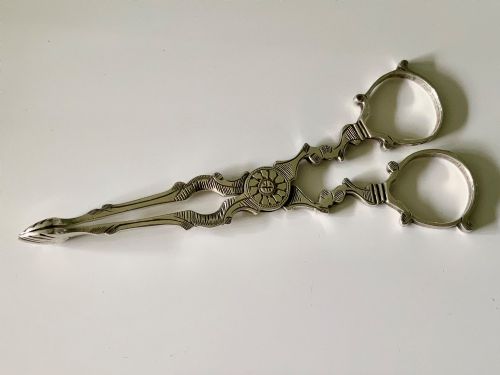
Sterling silver nips encompass sugar tongs, sugar nips, and tea tongs used for serving sugar during tea service. These pieces emerge from periods spanning the eighteenth century through to the mid twentieth century, covering Georgian, Victorian, Edwardian, and Art Deco eras.
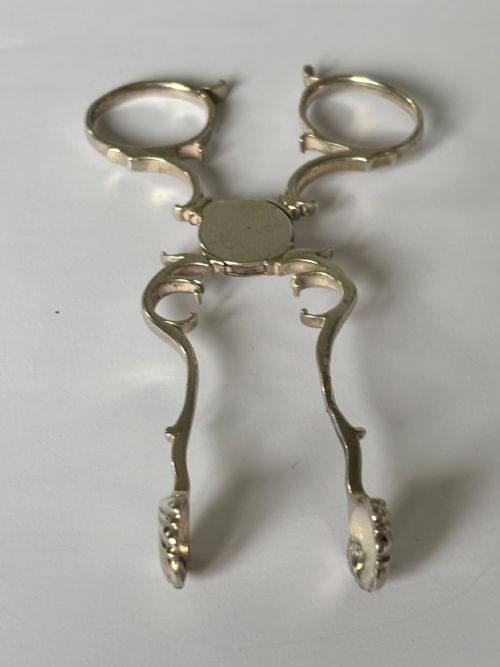
The objects take various forms, from simple spring arms to scissor actions and elaborate novelty designs. Most examples encountered here originate from British makers in London, Chester, Newcastle, and Exeter, alongside Scandinavian output from firms like Georg Jensen.
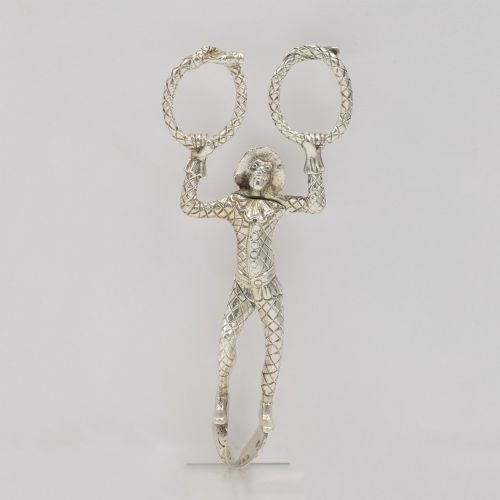
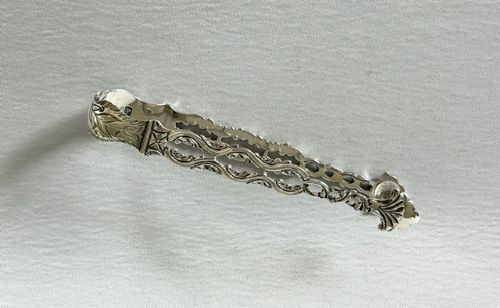
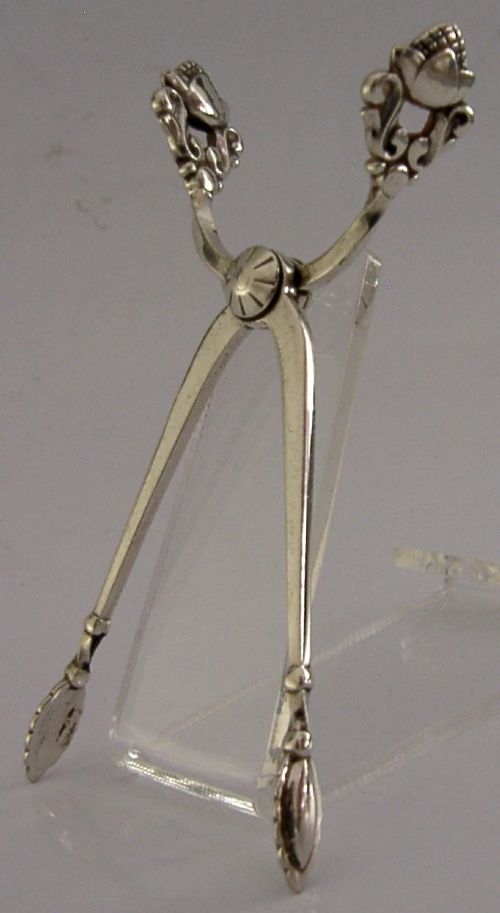
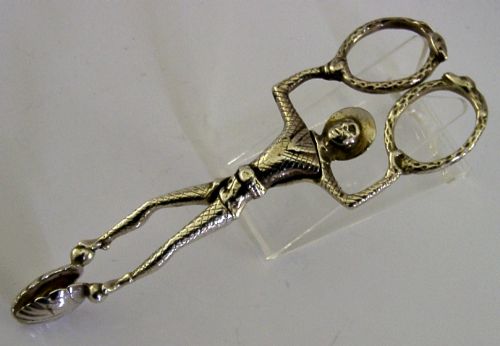
Buyers will find traditional pierced cast metal alongside naturalistic foliate motifs and distinct novelty shapes such as harlequins, monkeys, jesters, eagles' claws, and wishbones. Some arrive housed in fitted presentation boxes lined with velvet, silk, or leatherette.
Materials and methods of manufacture
Makers fashioned these pieces primarily from solid sterling silver, utilising casting and piercing techniques to shape the metal. Silversmiths worked hot metal into delicate spring arms or articulated joints for functional handling.
Detailing often involved hand engraving, chasing, and application of specific patterns like Acorn or Blossom. Presentation sets combined the silver nips with matching spoons, resting inside custom cases.
Articulated monkeys and jester figures double as functional tea tools, proving that Georgian and Victorian makers enjoyed a sense of humour.
Factors of distinction
Quality rests upon the crispness of the cast decoration and the resilience of the silver spring action. Superior examples display intricate hand piercing, balanced weight, and clear hallmarks establishing maker and date.
Novelty pieces derive their standing from the cleverness of the articulation, such as moving jaws on animal claws or jesters. Maker attribution to known workshops or silversmiths further elevates the standing of an individual piece.
Bateman Family·Dee And Fargus·Georg Jensen·Thomas Tookey·Josiah Williams And Co·Henry Stuart Brown·John Walton·Francis Higgins
The Sterling Silver Nips Glossary
- Sterling silver
- An alloy containing 92.5 percent silver by mass, with the remainder composed of other metals like copper. This standard ensures durability while maintaining a bright metallic lustre.
- Sugar nips
- A scissor-action implement designed specifically for gripping and serving sugar lumps before the widespread adoption of spring tongs. They resemble small shears with circular finger rings.
- Sugar tongs
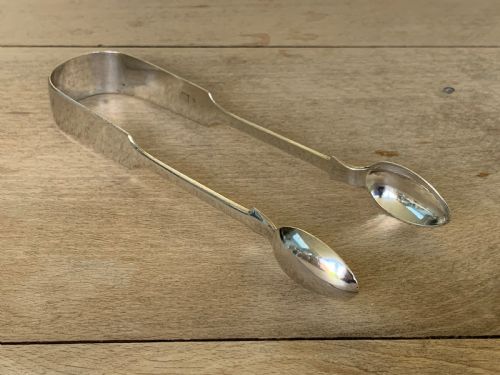
- A spring-action utensil formed from a single strip of metal folded into an arch, used for picking up sugar. They bridge the gap between simple scoops and scissor nips.
- Novelty
- A descriptor for items manufactured in whimsical or unusual shapes, departing from standard domestic utility forms. Examples include monkeys, harlequins, and wishbones.
- Hallmark
- An official stamp applied by an assay office to indicate the purity of the metal, the maker, and the year of production. British pieces typically carry town marks and date letters.
Sterling Silver Nips: Frequently Asked Questions
What is the difference between sugar nips and sugar tongs?
Sugar nips typically feature a scissor-like action with finger loops for precise control, commonly seen in earlier eighteenth-century pieces. Sugar tongs rely on a spring-action hinged or folded arch of metal to pinch lumps.
Both tools served the same function during tea service, though tongs eventually became the more common format in later Victorian and Edwardian households.
How do I date sterling silver nips?
Dating relies heavily on the assay office hallmarks stamped directly onto the silver surface. These official marks include maker initials, date letters corresponding to specific years, and town marks.
Stylistic indicators such as Georgian piercing, Victorian naturalistic foliate designs, or Art Deco geometry also help narrow down the period of manufacture.
Were these pieces always used for tea?
These implements were primarily manufactured for domestic tea service to transfer sugar lumps into porcelain cups. They formed part of a broader dining and hospitality silver service.
Some novelty items with specialised forms like wishbones or coronation spoons also served commemorative or decorative functions within middle and upper-class households.
How should I display or store them?
Many of these objects survive alongside fitted cases lined with velvet, silk, or leatherette, which provide safe storage. Alternatively, they can be displayed on open trays or mounted behind glass.
Regular gentle polishing helps maintain the finish of sterling silver without wearing down delicate hand-chased details or hallmarks.