


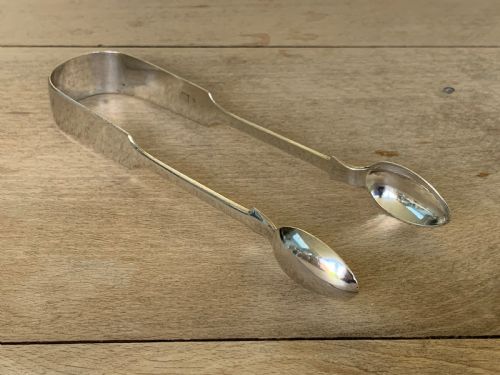


Solid Silver Sugar Nips
Solid silver sugar nips are classic tabletop implements designed to serve lump sugar, prized by collectors for their intricate metalwork and historical utility.
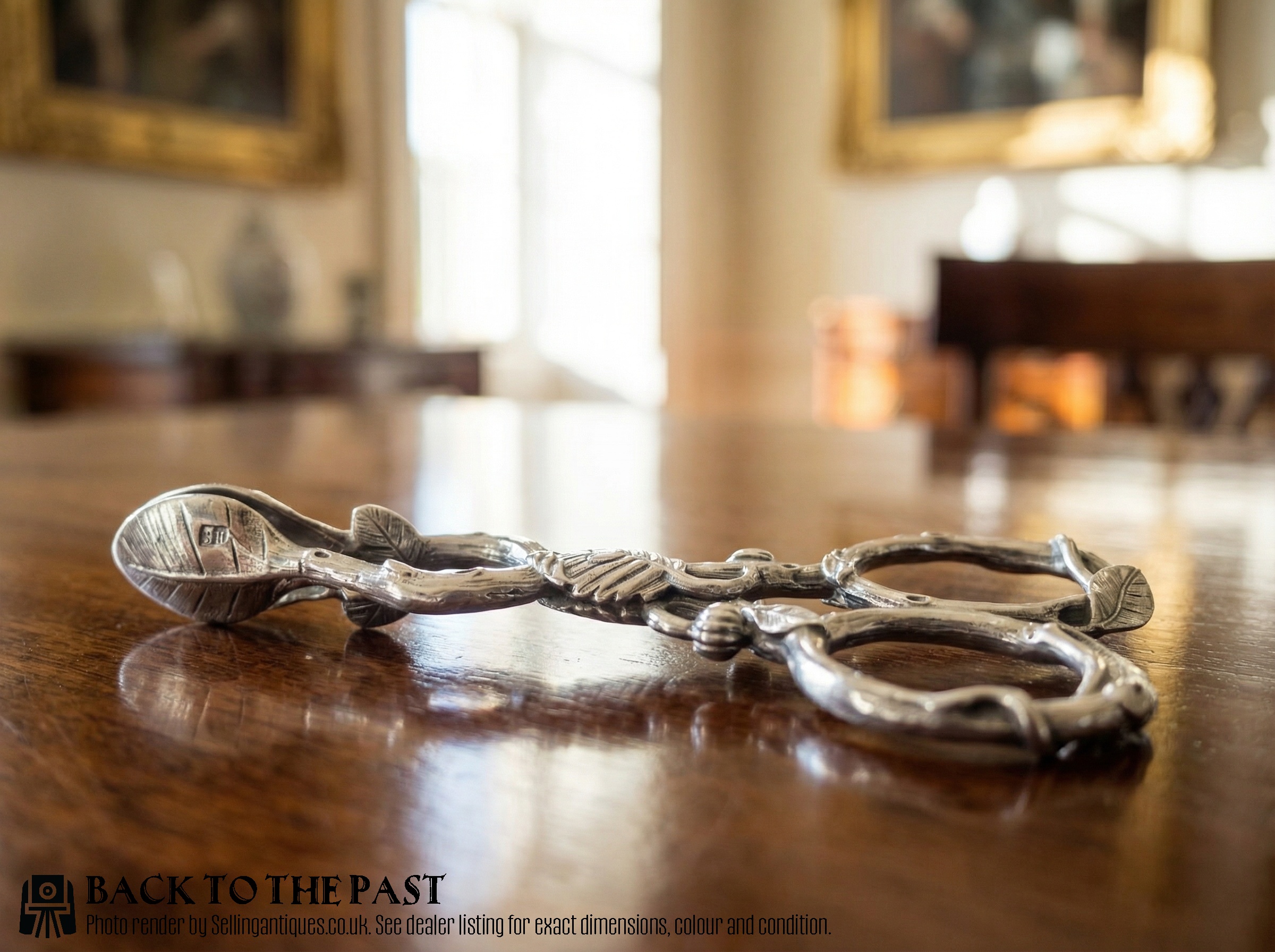
Solid Silver Sugar Nips
Solid silver sugar nips span several centuries of dining and tea table history, ranging from early eighteenth-century cast examples to Victorian and Art Deco designs. Buyers searching for solid silver sugar nips encounter items also catalogued as sugar tongs or forming part of broader cutlery sets.
The pieces on this page originate from Georgian, Victorian, and 1930 periods, reflecting changing social customs around tea drinking and sugar service. Most items adhere to traditional forms, though regional variations such as Georgian Scottish silver tongs appear alongside English provincial and London-assayed pieces.

How they were made
Makers utilised sterling silver as the primary material, shaped through casting and forging techniques to create spring arms and detailed terminals. Cast silver tongs from the eighteenth century demonstrate substantial metalwork, while later Victorian items incorporate naturalistic foliate designs and figural elements.
Certain sets integrate fabric elements, with listings recording velvet and silk components alongside the sterling silver framework. Workshop production methods varied from early hand-forged and cast items to more specialised nineteenth and twentieth-century manufacturing.
Some Victorian silversmiths shaped solid silver sugar nips to resemble twisting vine leaves, ensuring that even a lump of sugar came with a side of foliage.
What varies in quality
Quality in solid silver sugar nips rests upon the clarity of the maker's marks, the crispness of the cast or chased decoration, and the resilience of the sprung metal. Pieces featuring naturalistic foliate or figural designs rely heavily on the artisan's precision to maintain distinct details across the arms and bowls.
The distinction between standard production items and work by notable makers shapes the standing of each piece within a collection. Weight and tactile balance during use also differentiate standard domestic examples from finer workshop output.
Georg Jensen·Josiah Williams And Co·Francis Higgins·Berthold Muller
The Solid Silver Sugar Nips Glossary
- Sterling silver
- A silver alloy containing 92.5 percent pure silver and 7.5 percent other metals, typically copper, used across the vast majority of these pieces.
- Assay office
- An official body responsible for testing the purity of precious metals and stamping items with hallmarks denoting origin and standard.
- Foliate design
- Ornamental carving or engraving styled after leaves and foliage, frequently seen on Victorian examples.
- Cast silver
- Metal poured into a mould to shape the initial form of the tongs before finishing work and engraving took place.
- Harlequin design
- A decorative style incorporating mixed motifs or mismatched elements, sometimes found in late nineteenth-century pieces.
Solid Silver Sugar Nips: Frequently Asked Questions
What is the difference between sugar nips and sugar tongs?
Sugar nips typically refer to scissor-action implements used for breaking and picking up sugar lumps, whereas sugar tongs usually employ a single bent piece of metal with spring arms.
Both terms are frequently used interchangeably by makers and sellers across different periods to describe small serving implements for the tea table.
How do I know if my sugar nips are sterling silver?
British sterling silver pieces generally bear a series of hallmarks stamped directly into the metal, indicating the standard of silver, the assay office, and the date letter.
Items lacking British hallmarks may still be solid silver depending on the manufacturing origin and period conventions of the workshop.
What periods do these silver items come from?
The pieces available span from the mid-eighteenth century through the Victorian era up to the Art Deco period of the 1930s.
Georgian and Victorian examples form the majority of the historical record for these tableware items.
How were sugar nips used historically?
Sugar nips were employed at the tea table to transfer sugar loaves or lumps from a container into individual cups.
Scissor-action nips were also used to nip small pieces from a larger sugar cone before sugar refining made pre-cut lumps standard.