



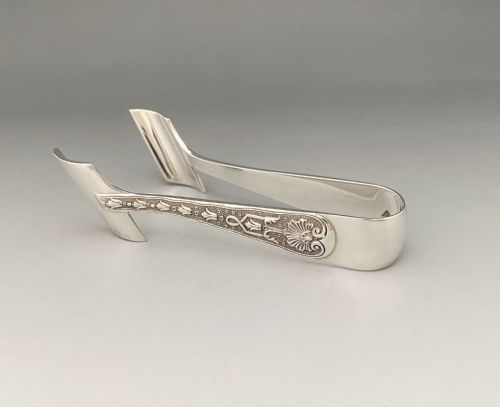
Edwardian Sterling Silver Tongs
Edwardian sterling silver tongs are small domestic implements created for sugar, pastry, and asparagus, prized for their delicate craftsmanship and bright silver lustre.
Edwardian Sterling Silver Tongs
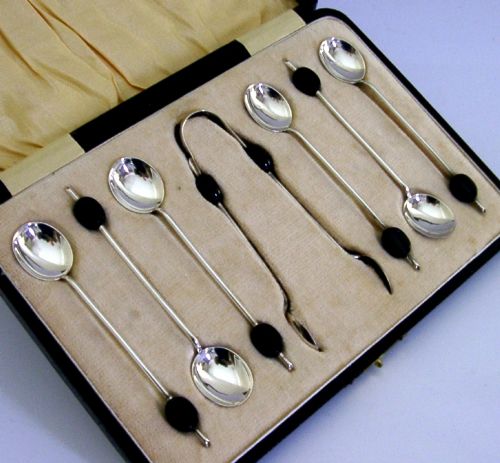
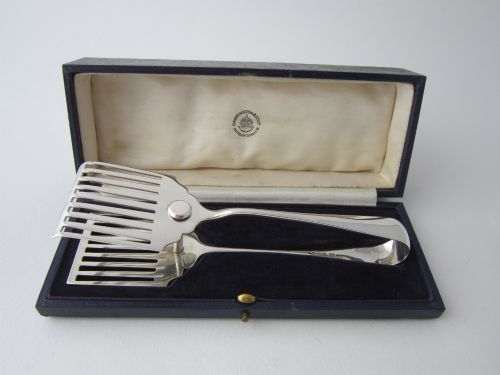
Edwardian sterling silver tongs are domestic table implements designed primarily for sugar lumps, pastries, and asparagus. Buyers searching for these items encounter various forms, including spring action nips, wishbone shapes, and articulated novelty designs.
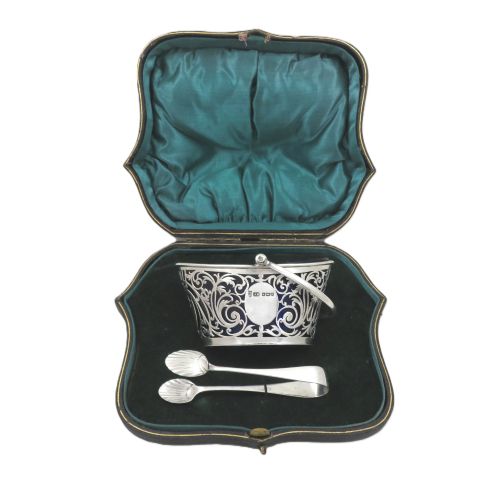
The pieces listed on this page span the Edwardian period alongside Victorian, George V, and Art Deco eras, reflecting the broader timeline of British domestic silver. Alongside standalone examples, these tongs frequently appear paired with sugar baskets, cased spoon sets, and barware.
How they were made
These items utilise sterling silver, frequently shaped through pressing, casting, and manual joining to create flexible spring arms or hinged joints. Novelty forms such as eagle claws and wishbones demonstrate specialised silversmithing techniques.
Fitted presentation pieces often incorporate interior linings of velvet, silk, or leatherette, housed within custom cases designed to protect the polished metal surface from tarnish and scratching.
Edwardian Sterling Silver Tongs Retail Price Guide 2026
Typical asking prices for edwardian sterling silver tongs among the pieces listed under this phrase on Sellingantiques today, from the lower quarter to the upper quarter. They describe what is for sale here now, not the wider market.
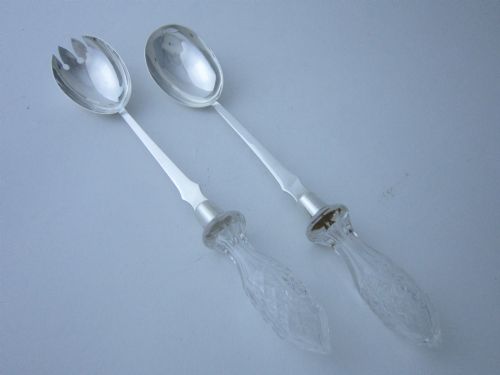
Listings for this phrase include periods ranging from Victorian and Edwardian to Art Deco, featuring materials such as sterling silver, cut glass, velvet, and leatherette.
What varies in quality
Quality in these implements depends upon the crispness of the stamping, the resilience of the spring action, and the weight of the metal used in the shank. Superior examples retain clear hallmarks and precise articulation in moving parts.
The presence of original fitted cases lined with silk or velvet, alongside provenance linking the item to identifiable makers or armorial crests, distinguishes finer pieces from standard domestic production.
Henry Stuart Brown·Garrard and Co·Robert Stebbings·Asprey
The Edwardian Sterling Silver Tongs Glossary
- Sterling silver
- A standard alloy consisting of ninety-two point five percent silver and seven point five percent other metals, usually copper. This composition provides the necessary durability for functional table items while maintaining a bright metallic finish.
- Hallmark
- An official stamp applied by an assay office to indicate the metal purity, the maker, and the year of manufacture. These small stamped marks help establish the exact period of origin.
- Nips
- A traditional term for small spring action tongs used specifically for handling sugar cubes. They operate by compressing two arms together to grip the lump.
- Silver-gilt
- Sterling silver that has been coated with a thin layer of gold through a chemical or electrochemical process. This treatment gives the object a warm golden tone over a silver base.
- Rat tail
- A traditional strengthening ridge running down the reverse of a spoon bowl or related implement. The feature originates from seventeenth-century manufacturing methods and persists as a decorative stylistic choice.
Edwardian Sterling Silver Tongs: Frequently Asked Questions
What were Edwardian silver tongs used for?
These implements served specific dining functions such as transferring sugar lumps into tea, serving asparagus spears, or handling pastries at the dining table.
They formed part of formal tea service and dining customs where direct hand contact with food was discouraged.
How can I tell Edwardian tongs from Victorian ones?
Edwardian pieces generally exhibit lighter, more refined proportions and frequently utilise floral garlands, neoclassical motifs, or novelty animal forms.
Victorian items tend to feature heavier gauge metal and more exuberant, ornate engraving across the surface.
How should I store cased silver tongs?
Cased items should be kept in dry conditions away from direct sunlight and high humidity to prevent the lining materials from degrading.
The original velvet, silk, or leatherette fitted cases provide adequate protection against surface tarnish when the pieces are not in use.
What is a wishbone sugar tong?
A wishbone sugar tong is a novelty design shaped to mimic the breastbone of a fowl, utilising the natural spring tension of the metal to operate.
Poultry-themed novelties gained popularity during the Edwardian period as playful talking points for afternoon tea.