



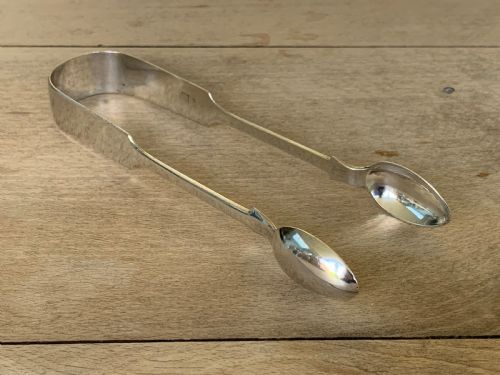


Vintage Silver Tea Tongs
These vintage silver tea tongs span periods from the eighteenth century to the mid-twentieth, offering functional elegance for service and collection.
Vintage Silver Tea Tongs
Vintage silver tea tongs are specialised tableware designed for lifting sugar lumps or loose tea leaves during formal service. When searching for vintage silver tea tongs, buyers encounter diverse forms ranging from simple domestic pieces to elaborate ceremonial designs.
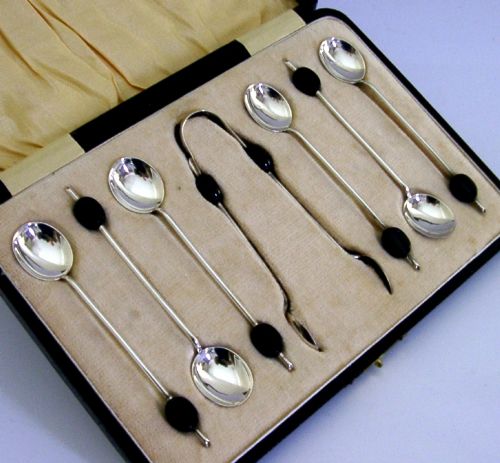
The selections span from 18th Century cast silver examples to Georgian, Victorian, and Edwardian specimens, alongside mid-century modernist creations. Most items found on this page take the form of sugar tongs or sugar nips, occasionally paired within fitted cases alongside matching spoons and butter knives.
How they were made
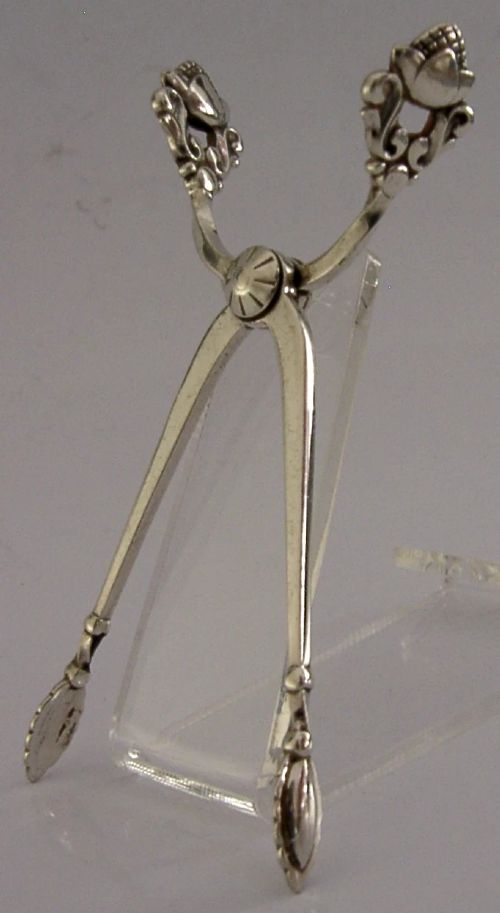
Makers utilised sterling silver and silver-gilt, shaping the metal through casting, piercing, and hand-forging techniques. Some pieces incorporate decorative elements such as ornate engraving or sculptural handles.
Cased sets frequently utilise protective interiors lined with velvet, silk, satin, or leatherette to house the silver components securely.
Vintage Silver Tea Tongs Retail Price Guide 2026
Typical asking prices for vintage silver tea tongs among the pieces listed under this phrase on Sellingantiques today, from the lower quarter to the upper quarter. They describe what is for sale here now, not the wider market.
Materials documented across the inventory include sterling silver, silver-gilt, velvet, silk, satin, and leatherette.
What varies in quality
Quality rests upon the crispness of the original cast or chased detail and the integrity of the sprung hinge mechanism. Finer examples display balanced tension and precise alignment of the gripping terminals.
Maker provenance and period distinctiveness also influence the overall standard, moving from standard utility items to masterworks bearing distinct workshop signatures and assay office marks.
Bateman Family·Georg Jensen·Josiah Williams and Co·Robert Stebbings
The Vintage Silver Tea Tongs Glossary
- Sugar Nips
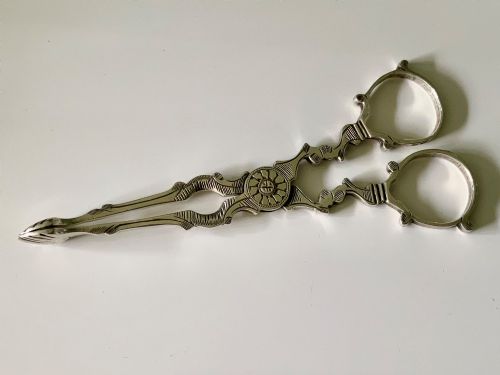
- A specific type of tea tongs featuring articulated scissor handles or spring arms designed to grasp sugar lumps. They often incorporate decorative shell or claw grips.
- Silver-Gilt
- Sterling silver that has been coated with a thin layer of gold on the surface. This technique provides a rich, warm finish and protects the underlying silver from tarnishing.
- Assay Mark
- An official stamp indicating the purity of the precious metal and the office where it was tested. These marks help determine the date and origin of the piece.
- Cast Silver
- Metal poured into a mould to create three-dimensional decorative forms rather than being beaten from sheet silver. This method allows for complex sculptural relief.
Vintage Silver Tea Tongs: Frequently Asked Questions
What is the difference between sugar tongs and sugar nips?
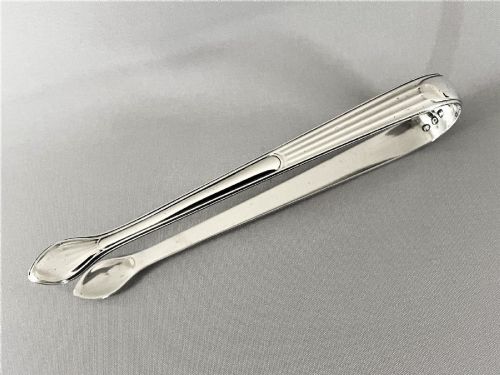
Sugar tongs typically use a single piece of sprung metal folded into a U-shape to pinch items. Sugar nips often resemble small scissors with pivoted handles and ring grips.
Both serve the same primary function during tea service, though nips offer a different mechanical leverage when handling sugar.
How do I identify the date of my silver tea tongs?
Dating relies upon the hallmarks stamped directly into the silver. These official marks usually include assay office symbols, date letters, and maker marks.
Stylistic indicators such as Regency shaping or Art Deco geometry also assist in narrowing down the period.
Were these tongs used only for tea?
While primarily associated with tea service for sugar lumps, similar small tongs were utilised for confectionery and ice. Many appear in boxed sets alongside spoons or butter knives for general table use.
Their versatile size made them suitable for any small dining room task requiring clean handling.
How should I clean antique silver tea tongs?
Maintenance requires gentle washing in warm soapy water followed by thorough drying with a soft cloth. Avoid harsh chemical dips that strip away desirable patination accumulated over decades.
Storage in lined boxes or anti-tarnish cloth preserves the finish between uses.