

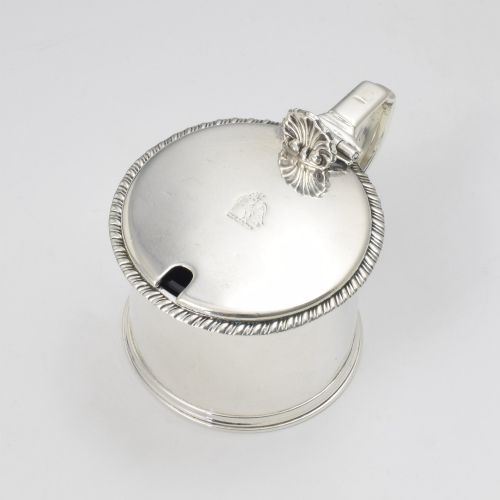


Sterling Silver Mustard
Sterling silver mustard pots and cruet sets bring functional elegance to the dining table, combining precious metal with coloured glass liners.
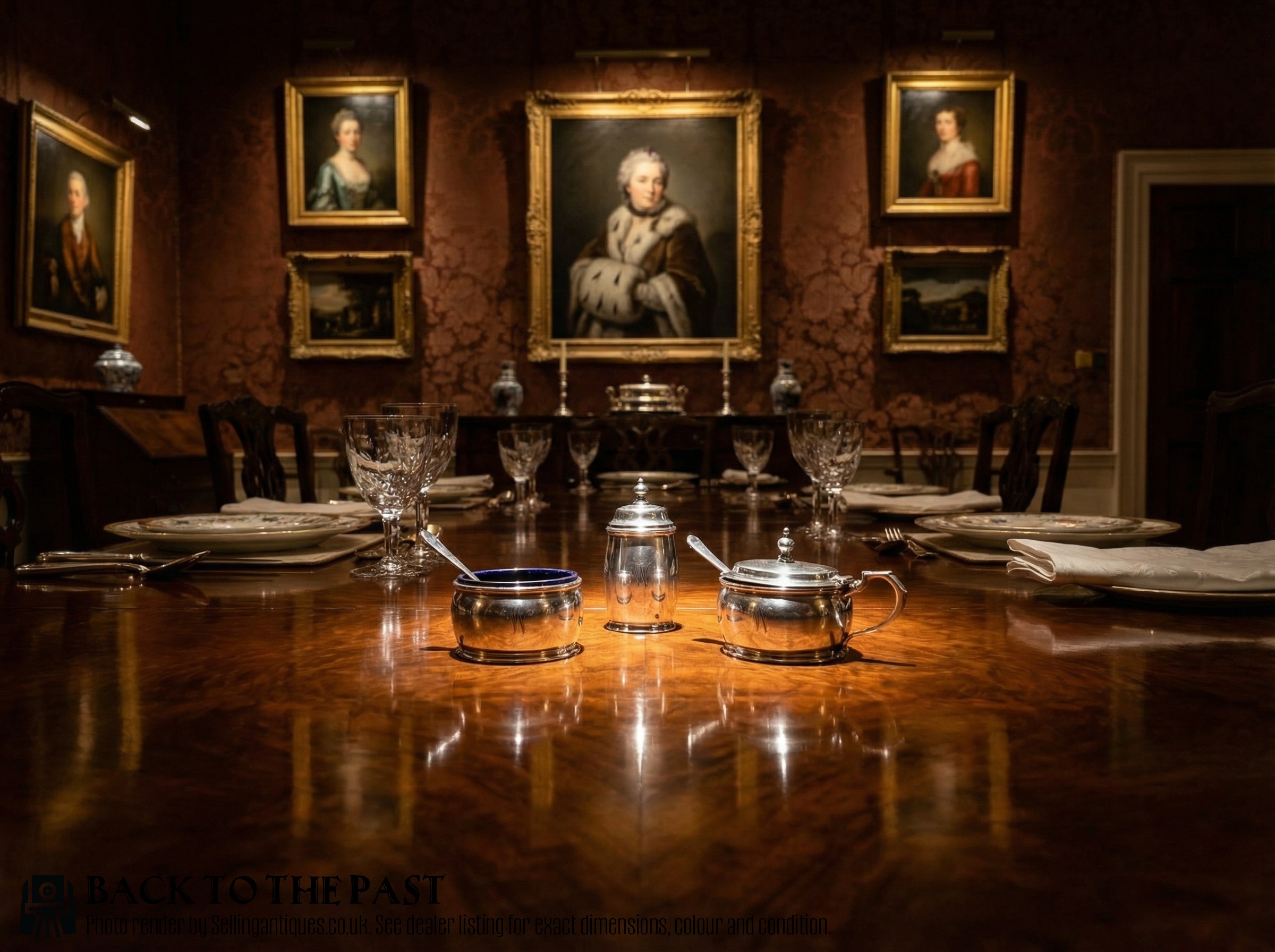
Sterling Silver Mustard
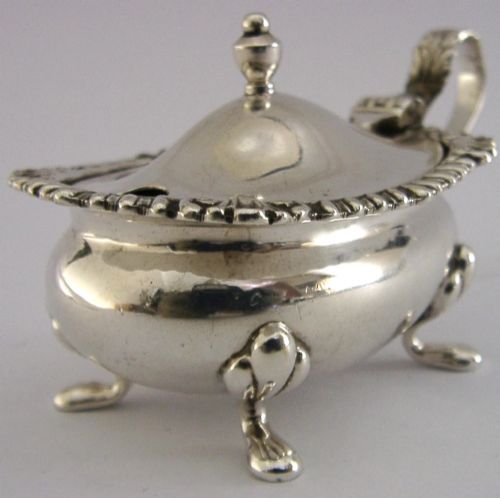
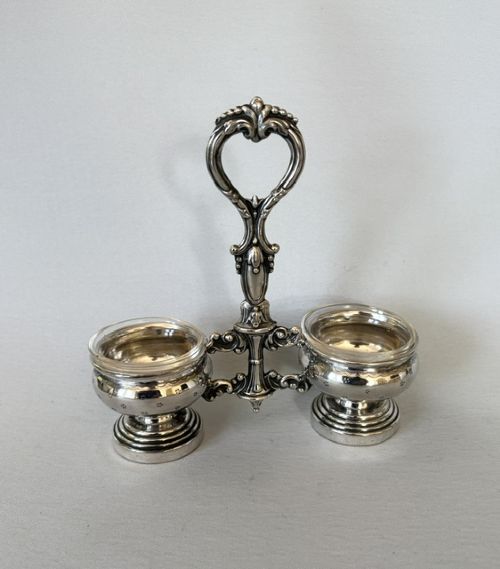
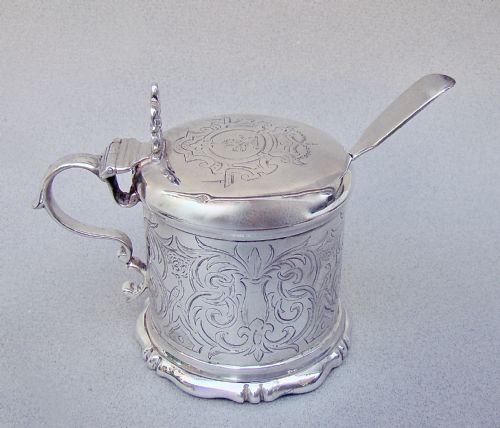
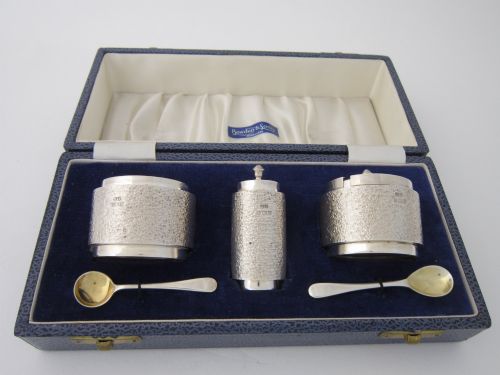
When searching for sterling silver mustard, collectors encounter a variety of forms including individual pots, condiment sets, and cruet frames designed for the dining table.
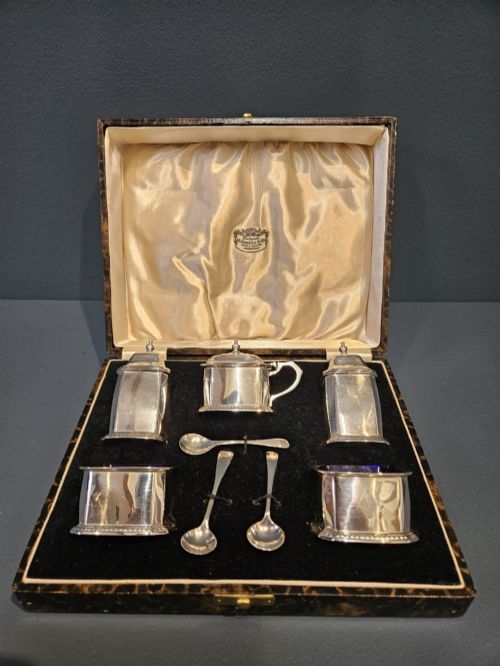
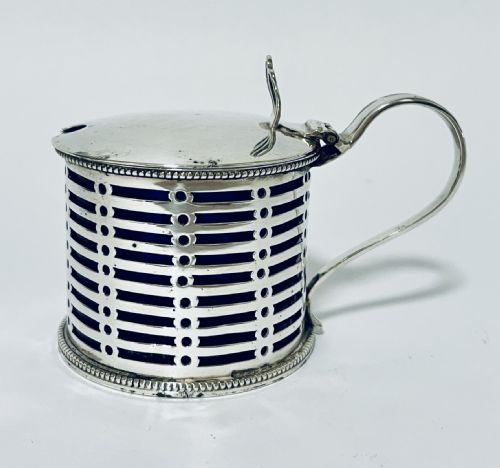
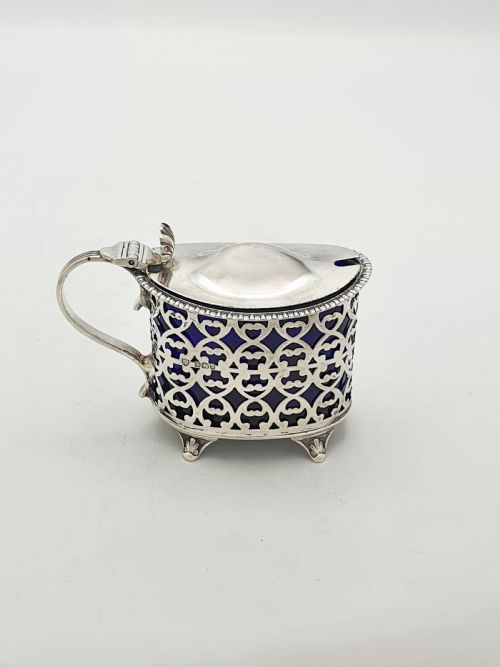
The selections span multiple eras, featuring plain Georgian drum pots, pierced Victorian designs, and streamlined Art Deco condiment sets.
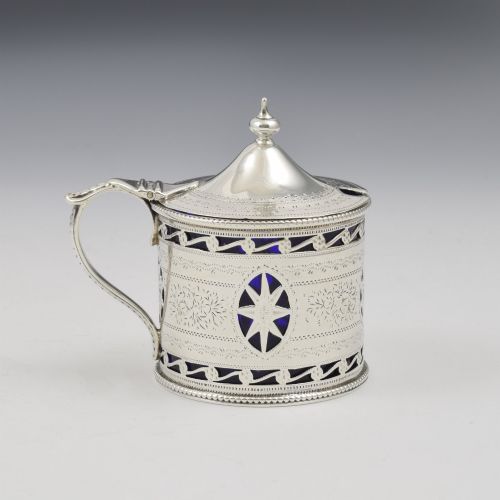
Many examples retain their original glass liners in shades of blue or cobalt, alongside matching mustard spoons and ladles.
Materials and construction methods
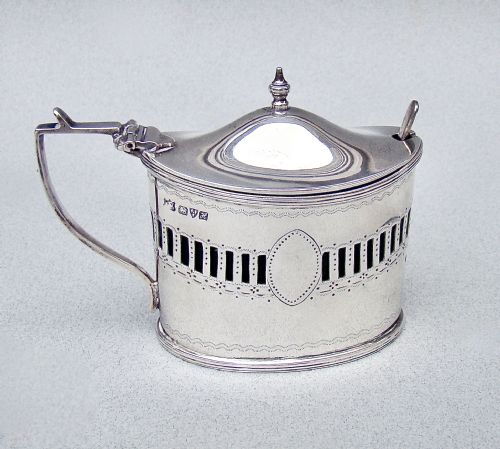
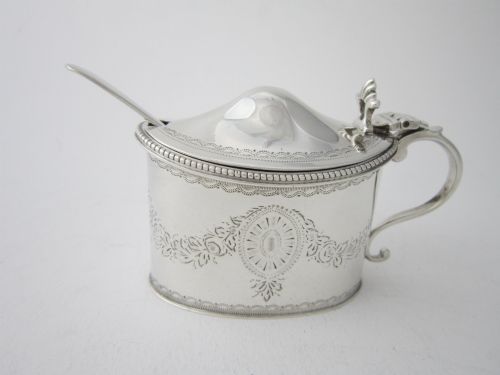
Silversmiths constructed these pieces using sterling silver sheet and cast components, often employing piercing and engraving techniques to ornament the bodies.
Internal liners were formed from blown glass, including cobalt and cut glass varieties, designed to protect the metal from condiment corrosion.
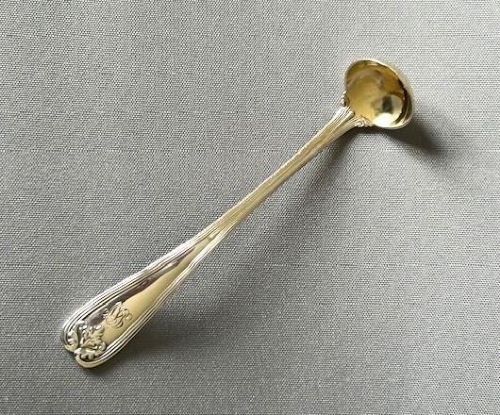
Lids were attached with hinged mounts and frequently fitted with thumbpieces, while spoons were shaped specifically for condiment service.
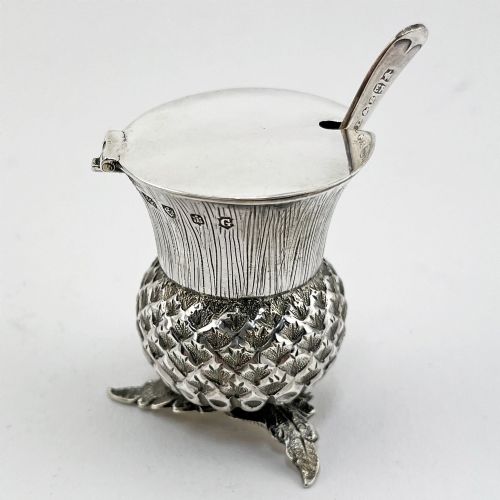
Certain Victorian mustard pots incorporate figural motifs like cherubs, birds, and hunting scenes directly into the pierced silver walls.
Factors of distinction
Quality rests on the weight of the silver, the crispness of any pierced or chased ornamentation, and the presence of clear hallmarks.
Pieces featuring maker marks from notable workshops command attention, particularly when paired with undamaged original coloured glass liners.
Alfred Marston·Nathan and Hayes·Charles and George Fox·William Neale·Matthew Boulton·Robert Hennell I·Hamilton and Inches·Bricks and Sons
The Sterling Silver Mustard Glossary
- Cruet set
- A collection of bottles, castors, or pots mounted on a frame for holding condiments at the dining table. These sets often include mustard pots alongside oil, vinegar, and pepper vessels.
- Liner
- A removable glass insert placed inside a mustard pot to hold the condiment. They are frequently made of blue or cobalt glass.
- Pierced work
- Metal pierced with decorative patterns using a small saw or punch. Victorian silversmiths utilised this technique extensively on mustard bodies.
- Condiment spoon
- A small spoon designed specifically for serving mustard or other table seasonings. They match the style of the main pot.
Sterling Silver Mustard: Frequently Asked Questions
What is a glass liner used for?
Glass liners protect the sterling silver body from the corrosive properties of mustard and vinegar. They also allow for easy cleaning between uses.
Original liners add value to a piece, especially when they match the exact contours of the silver pot.
How do I date a silver mustard pot?
English silver mustard pots bear hallmarks that include a date letter, assay office mark, and standard mark. These stamps reveal the exact year of manufacture and the town where the silver was tested.
Stylistic elements like Georgian drum shapes or Art Deco geometric lines also provide strong clues to the period of origin.
Are mustard spoons usually original?
Many surviving mustard pots retain their matching condiment spoons, often bearing the same maker mark and date letter. Finding a matched set enhances the completeness of the piece.
Replacement spoons do occur frequently due to the small size and high loss rate of condiment spoons over the centuries.
How do I clean sterling silver mustard pots?
Sterling silver requires gentle cleaning with a specialised silver cloth to remove tarnish without damaging the underlying metal. Avoid abrasive dips that can ruin patinas or antique finishes.
Glass liners can be removed and washed separately in warm soapy water before being dried and reinserted.