
Sterling Silver Caddy
Discover the sterling silver caddy, a refined vessel crafted to preserve loose tea leaves with elegance and heritage.
Sterling Silver Caddy
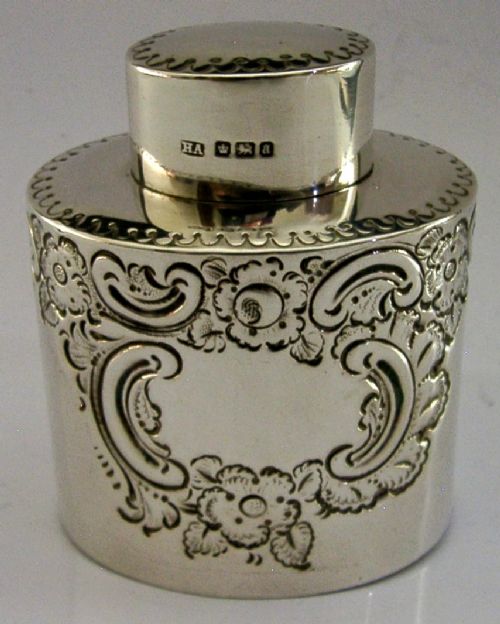
A sterling silver caddy functions as a traditional storage container designed to keep precious tea leaves dry and aromatic on the dining table or sideboard. These pieces emerge primarily from the Georgian, Victorian, Edwardian, and Art Deco periods, spanning centuries of changing domestic tastes and fine metalwork.
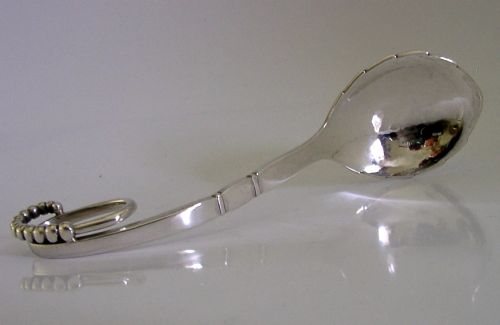
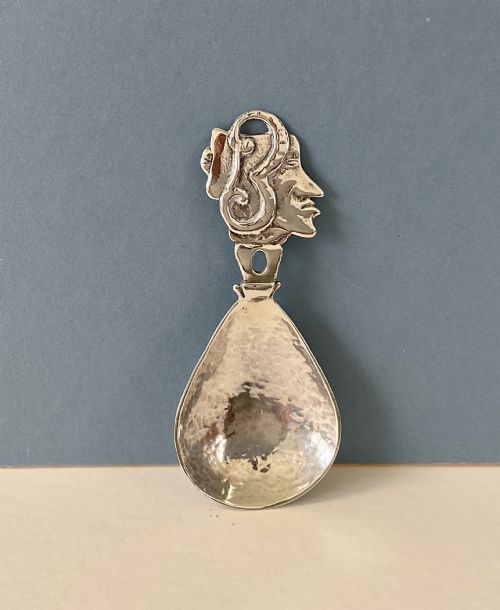
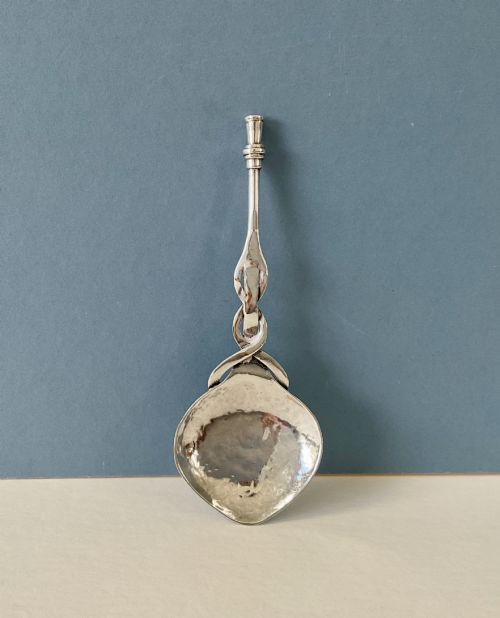
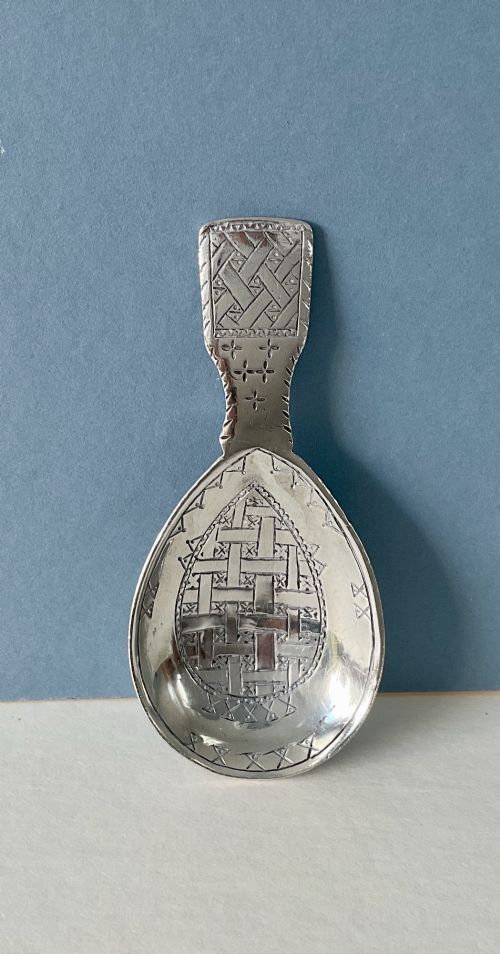
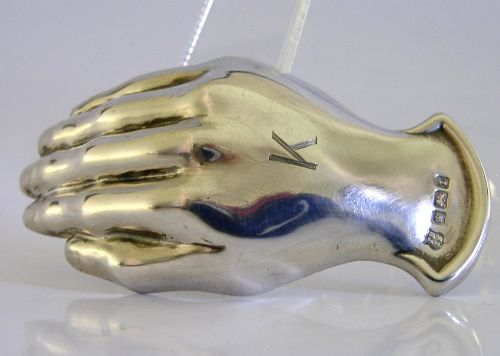
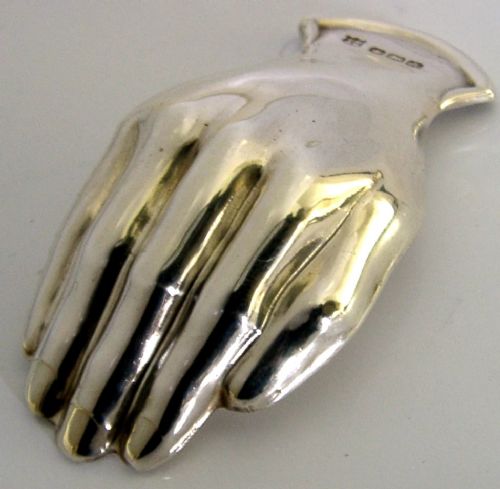
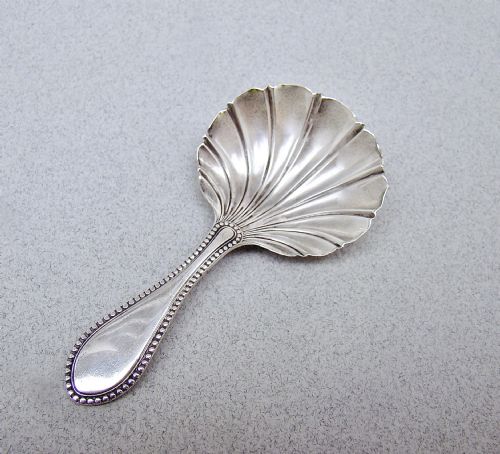
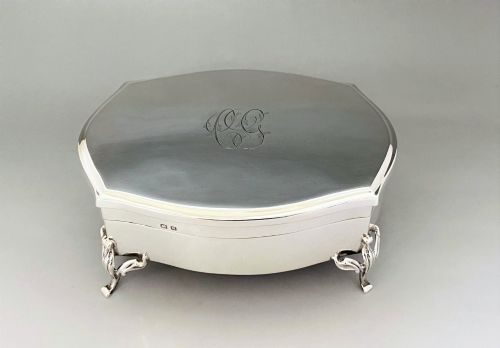
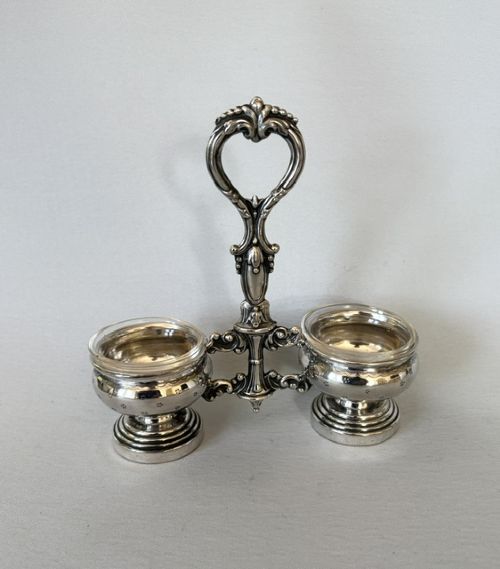
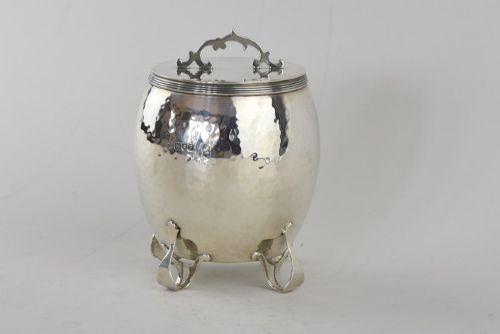
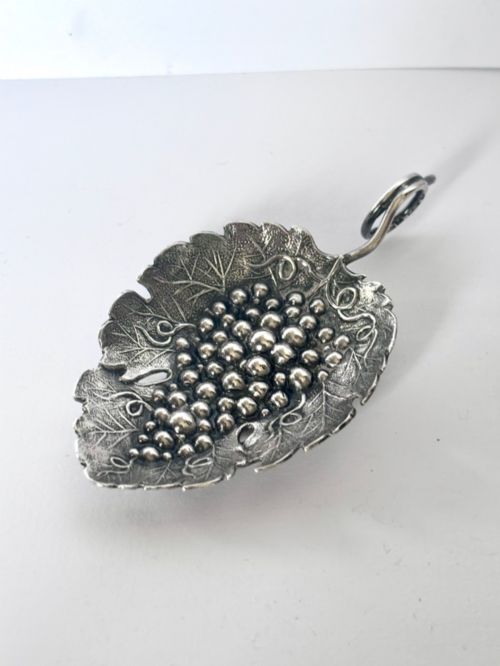
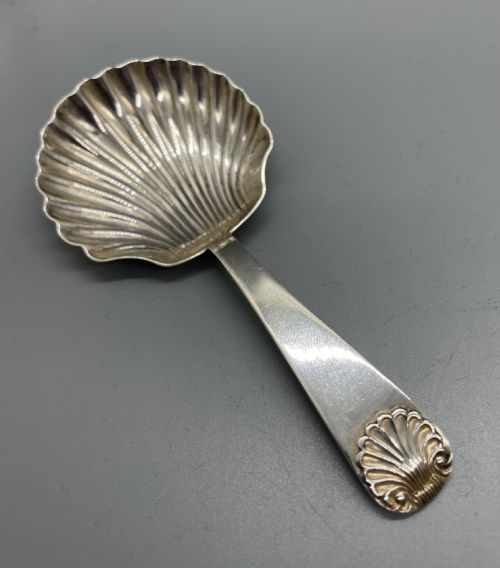
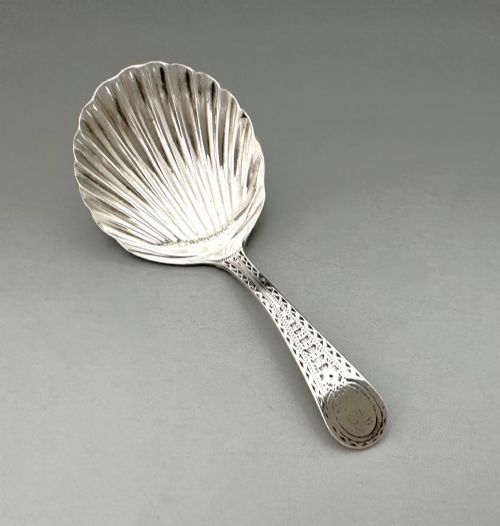
Buyers will encounter various forms on this page, ranging from plain oval boxes and knife-box shapes to bombe bodies, pierced canisters, and cut crystal combinations. Alongside the main containers, the selection frequently includes matching caddy spoons shaped like hands, leaves, jockey caps, or animals.
Originating largely from British silversmithing hubs such as London, Birmingham, and Sheffield, these vessels reflect the high status tea once held in domestic life. Each example demonstrates the functional artistry applied to everyday dining rituals in past centuries.
How they were made
Silversmiths constructed these boxes using solid sterling silver, frequently shaping the metal through hammering, piercing, or fluting techniques to create textured surfaces. Workshops employed skilled hands to chase village scenes, floral motifs, and crests directly into the metal walls.
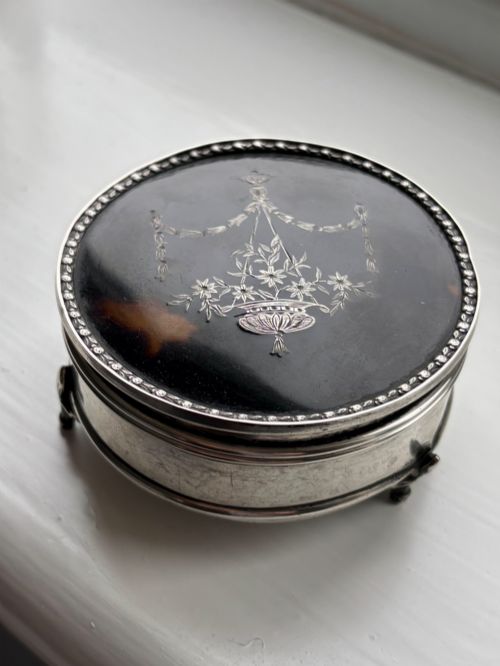
Makers integrated contrasting materials where function or fashion dictated, combining silver with cut glass bodies, faux tortoiseshell panels, agate inserts, or internal gilding. Structural integrity relied on sturdy gauge silver, sometimes supported by cast feet or hinged lids fitted with secure closures.
Sterling Silver Caddy Retail Price Guide 2026
Typical asking prices for sterling silver caddy among the pieces listed under this phrase on Sellingantiques today, from the lower quarter to the upper quarter. They describe what is for sale here now, not the wider market.
Silversmiths occasionally shaped caddy spoons as tiny human hands, complete with ruffled cuffs and delicate fingernails.
What varies in quality
The weight of the metal and the thickness of the silver gauge set individual pieces apart, separating lightweight containers from heavy, substantial boxes that retain their structural integrity over centuries. Superior examples display crisp, deep chasing and hand-planished surfaces rather than shallow, mass-produced stamping.
Design complexity and maker reputation elevate certain items above standard production, particularly pieces featuring figural novelty forms, specialised piercing, or documented attribution to known workshops. The harmony between the container and its accompanying spoon, or the retention of original interior gilding, further distinguishes finer specimens.
Georg Jensen·Martin Hall And Co·Ollivant And Botsford·Charles Edwards·Joseph Willmore·Robert Hennell·Zimmermann·Thomas Hayes·John Walton·Mappin And Webb·William Hutton And Sons Ltd·Amy Sandheim·Elizabeth Morley
The Sterling Silver Caddy Glossary
- Sterling silver
- An alloy consisting of 92.5 percent silver and 7.5 percent other metals, usually copper, chosen for durability in silverware. This standard has governed British silver manufacturing for centuries.
- Caddy spoon
- A specialised small spoon used to measure dry tea leaves from the caddy into the teapot. These spoons often feature decorative bowls shaped like leaves, shells, or hands.
- Chasing
- A metalworking technique where the silversmith pushes the metal from the front using hammers and punches to raise decorative designs in relief. It differs from engraving, which removes metal from the surface.
- Planished
- A surface texture created by hammering metal with a polished round-headed hammer, leaving subtle, regular facets across the silver. This technique gained particular popularity during the Arts and Crafts movement.
- Bombe
- A swollen, curved furniture or vessel profile featuring outward-curving sides that taper toward the base and top. This contour provides a sculptural silhouette typical of later Victorian silver forms.
Sterling Silver Caddy: Frequently Asked Questions
What is a sterling silver caddy used for?
These vessels were originally manufactured to store dry tea leaves securely, protecting expensive imported tea from moisture and light in the household.
Today, collectors utilise them as decorative display items on dressing tables or sideboards, occasionally repurposing them as trinket boxes for small valuables.
How do I identify the date of a sterling silver caddy?
British pieces carry hallmarks stamped directly into the silver, including standard marks, town marks, and a specific letter representing the assay year.
By consulting standard hallmarking reference guides, buyers can match the date letter and maker's mark to determine the exact year of manufacture.
What is the difference between a tea caddy and a dressing table box?
Tea caddies feature tight-fitting lids designed to preserve the aroma and dryness of leaf tea, often with internal compartments or heavy gauge construction.
Dressing table boxes serve a similar structural purpose in silver but generally house cosmetics, trinkets, or accessories rather than consumable foodstuffs.
How should I clean my sterling silver caddy?
Maintenance requires gentle washing with warm soapy water and a soft cloth to remove dust and oils without damaging the historic metal surface.
Harsh abrasive dips should be avoided, as they strip away natural age patination and can harm delicate elements like faux tortoiseshell or glass inserts.