







Sterling Silver Baby Cup
These sterling silver baby cup pieces are cherished traditional vessels, offering lasting sentiment and fine metalwork for a newborn's milestone.
Sterling Silver Baby Cup
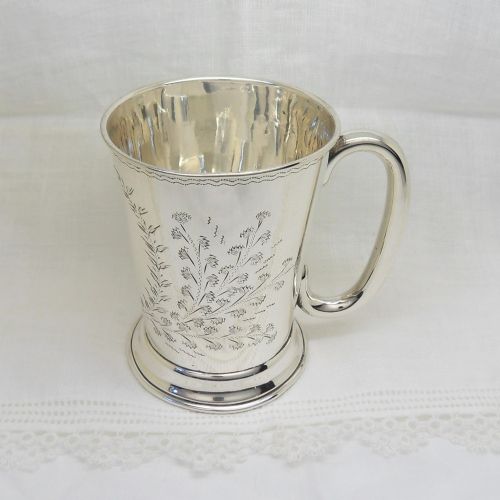
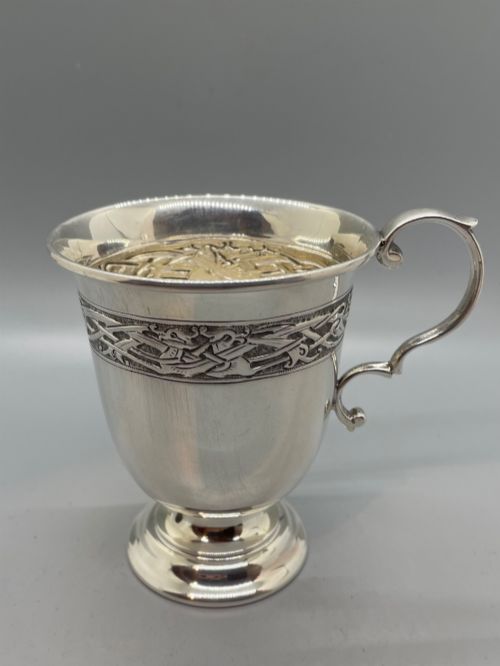
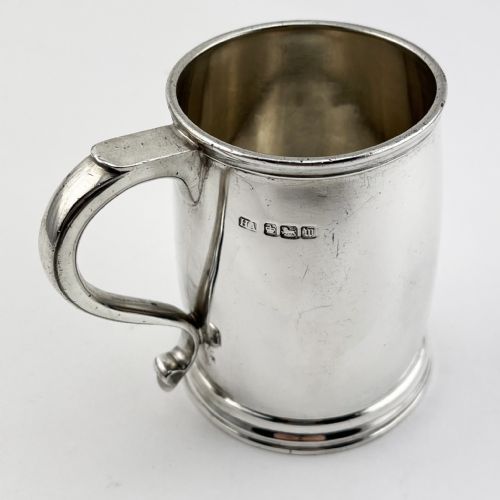
A sterling silver baby cup is a traditional gift for a birth or christening, designed to be kept as a lifelong keepsake. You will frequently find classic mug and tankard forms spanning the Victorian, Edwardian, and George V periods.
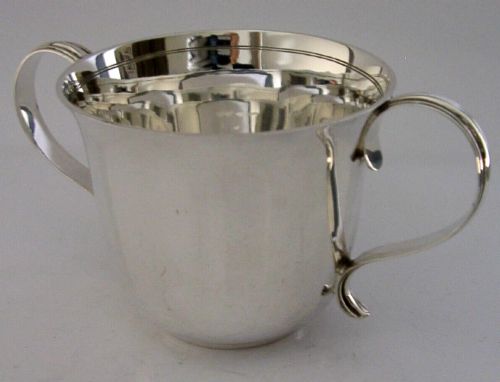
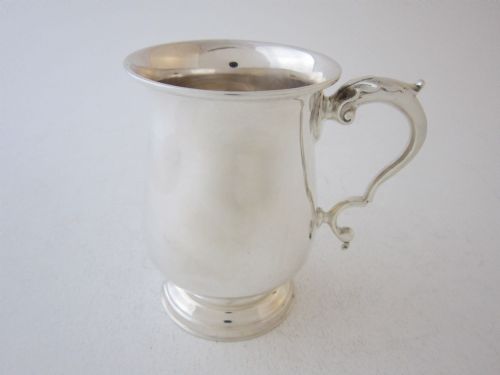
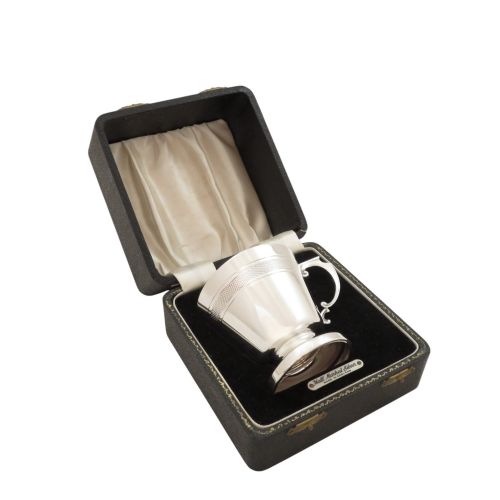
The selection ranges from simple baluster shapes to two-handled porringers and complete boxed sets. Most examples originate from British assay offices like Birmingham, Chester, and Sheffield, alongside occasional international makers.
How they were made
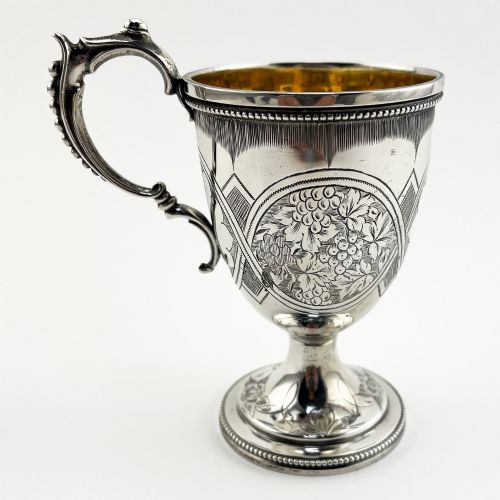
Silversmiths shaped solid sterling silver using traditional methods of raising, spinning, and casting to form the body and handles. Many pieces feature detailed floral engraving or embossed scrollwork executed entirely by hand.
Interior surfaces occasionally showcase silver gilt, providing a rich golden contrast to the polished exterior. Fitted presentation boxes lined with silk, velvet, or leather frequently accompany the finer sets.
Sterling Silver Baby Cup Retail Price Guide 2026
Typical asking prices for sterling silver baby cup among the pieces listed under this phrase on Sellingantiques today, from the lower quarter to the upper quarter. They describe what is for sale here now, not the wider market.
Tiny handles were painstakingly soldered onto miniature vessels so infants could practice holding their very first family silver.
What varies in quality
The weight of the metal and the substance of the handle attachment separate heavier, sturdier vessels from lighter utilitarian items. Thicker gauge silver ensures the piece resists denting and retains its structural integrity over generations.
The crispness of the hand-engraving and the elegance of the baluster proportions dictate the artistic merit of the work. Named makers and complete original presentation cases further elevate the desirability of a piece.
R E Stone·Tiffany and Co
The Sterling Silver Baby Cup Glossary
- Sterling silver
- A silver alloy containing 92.5 percent pure silver and 7.5 percent other metals, usually copper, chosen for durability.
- Porringer
- A small, shallow bowl equipped with one or two flat horizontal handles, often used historically for soft foods.
- Baluster form
- A architectural vase shape featuring a rounded lower body that tapers upward to a narrow neck and flared rim.
- Silver gilt
- Sterling silver that has been coated with a thin layer of gold on its surface, often applied to the interior of drinking vessels.
- Assay office
- A statutory body in Britain that tests the purity of precious metals and stamps items with official hallmarks.
Sterling Silver Baby Cup: Frequently Asked Questions
What is a sterling silver baby cup used for?
These vessels were traditionally given as christening gifts to mark the birth or baptism of a child. They served as both decorative keepsakes and functional drinking cups for the growing infant.
Over time, they evolved primarily into sentimental display pieces and family heirlooms rather than everyday tableware.
How can I date a silver christening mug?
British pieces carry hallmarks stamped directly into the metal, which indicate the assay office, the standard of silver, and a specific date letter corresponding to the year of testing.
Stylistic clues such as Victorian floral engraving or Art Deco geometry also help narrow down the period of manufacture.
Are these cups safe to use for drinking?
While made from solid sterling silver, older pieces are typically valued and preserved as antiques rather than used for regular consumption. The aged patina and delicate historical condition make them better suited for display.
If chosen for occasional use, modern cleaning with a gentle silver polish maintains the hygiene of the metal.
What is the difference between a mug and a porringer?
A christening mug stands vertically with a single side handle, following the standard tankard silhouette. A porringer is a shallower bowl featuring one or two flat ears or horizontal handles projecting from the sides.
Both forms appear frequently among traditional silver gifts from the nineteenth and early twentieth centuries.