
Sterling Silver Albert Chain
A sterling silver albert chain is a substantial link piece designed for pocket watches, offering solid metal craftsmanship and historic character.
Sterling Silver Albert Chain
When you search for a sterling silver albert chain, you encounter functional Victorian and Edwardian pocket watch fasteners that double as necklaces or bracelets today. These pieces originate primarily from the late nineteenth century through to the nineteen thirties, spanning periods of distinct industrial and decorative output.
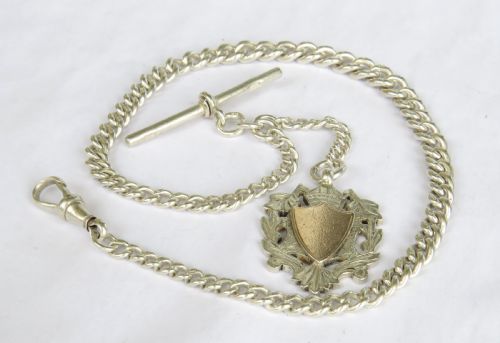
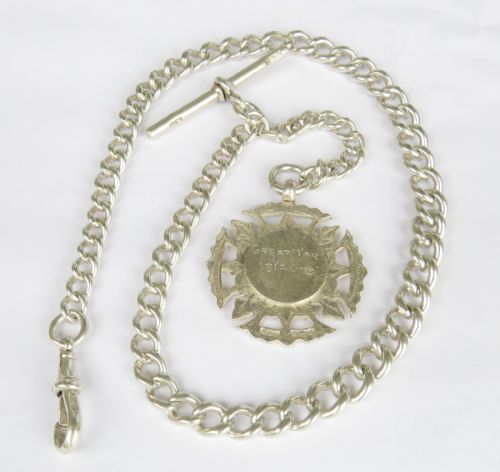
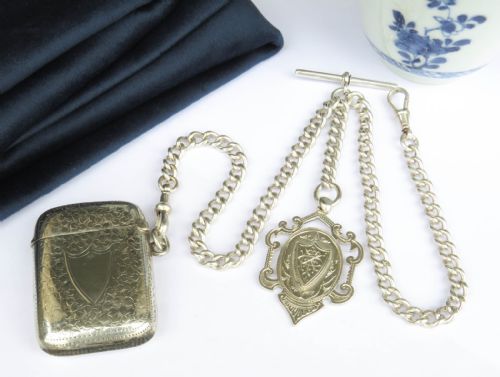
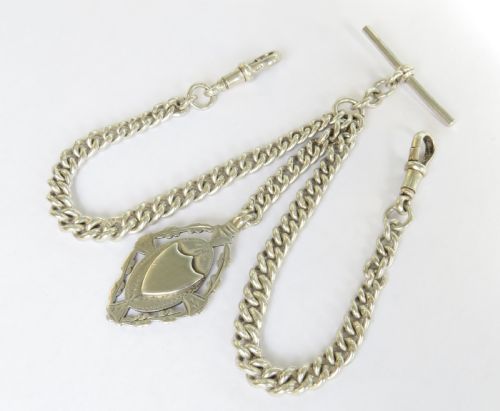
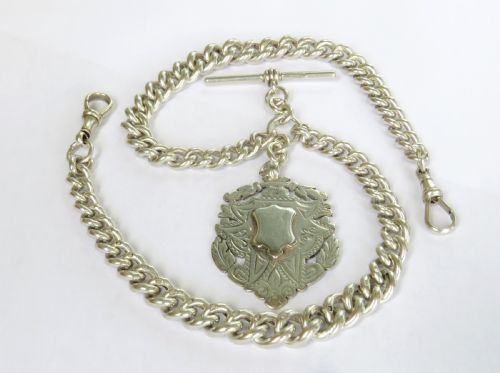
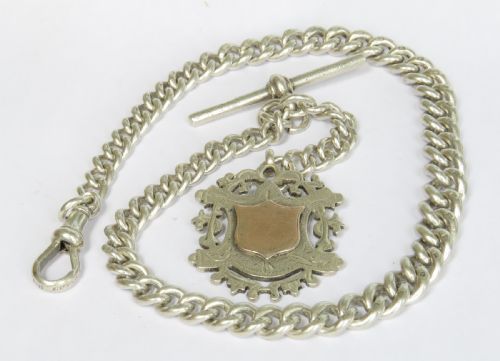
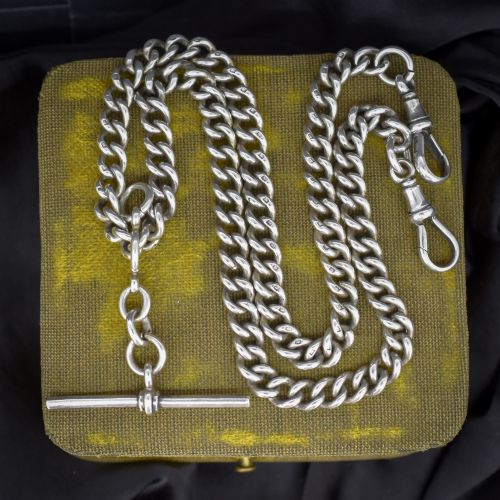
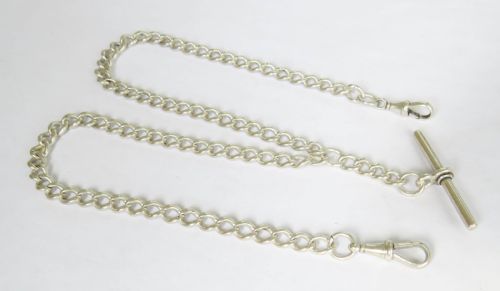
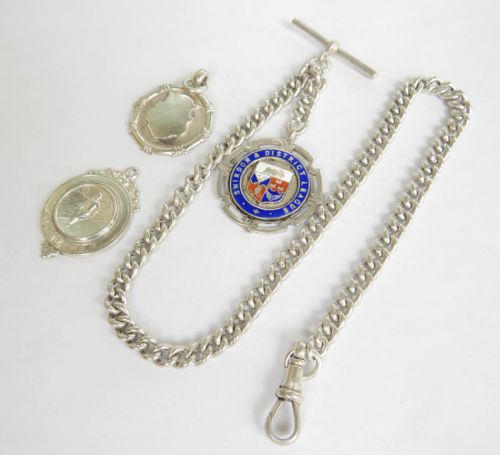
The version most commonly met on this page is the double or single curb link chain fitted with a swivel dog clip and a crosswise T-bar. Many examples retain contemporary elements such as silver fobs, seal fobs, or match safe vesta cases attached directly to the links.
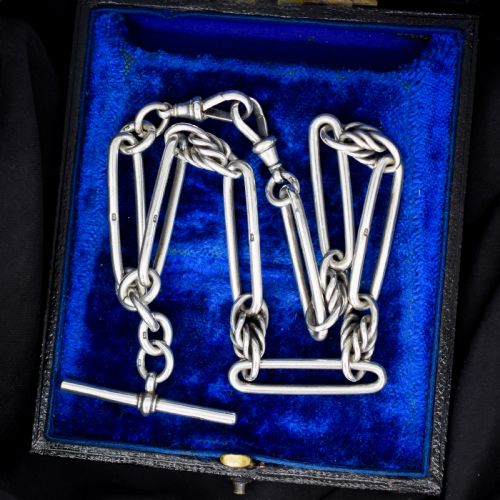
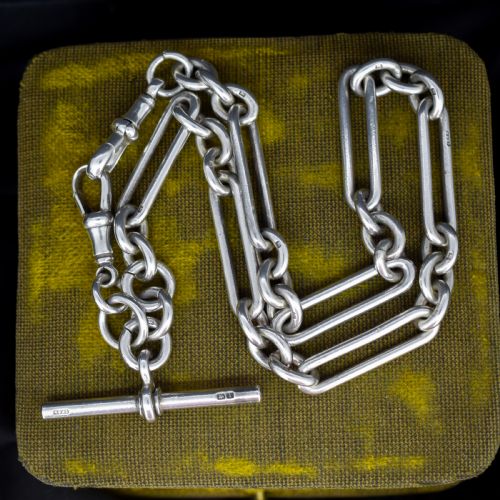
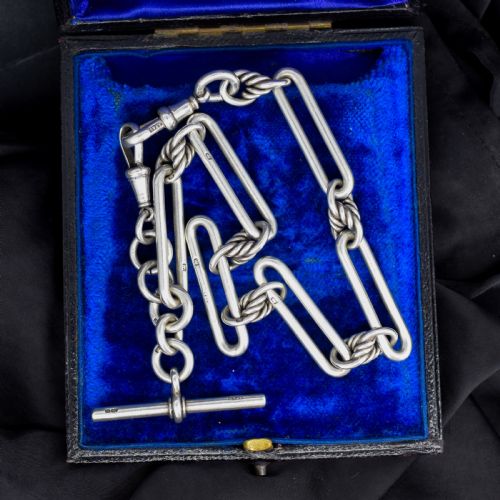
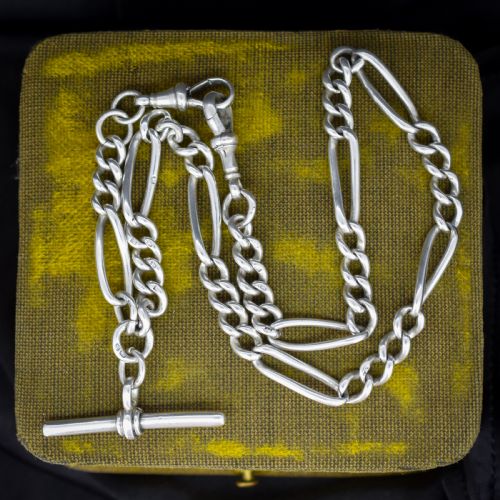
Makers fashioned these accessories to secure timepieces safely to a gentleman's waistcoat or a lady's chatelaine. Surviving examples demonstrate various link geometries, including trombone, love knot, and Figaro patterns, alongside heavier chunky variations.
How they were made
Silversmiths constructed these chains from sterling silver components, frequently incorporating gold accents or rose gold details onto specific links and fittings. Individual links were punched, drawn, or cast before being hand-assembled into uniform or fancy patterns.
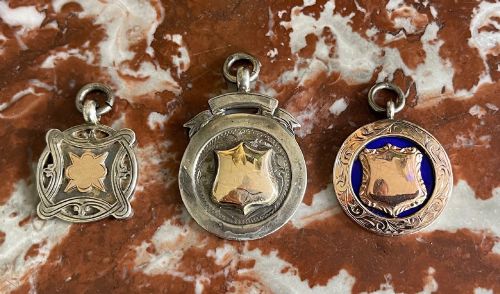
Components such as dog clips, swivel connectors, and T-bars relied on integrated spring mechanisms and solid hinge construction. Engraved details, hallmarks, and applied enamel panels were added by hand to individual fobs and shields.
Sterling Silver Albert Chain Retail Price Guide 2026
Typical asking prices for sterling silver albert chain among the pieces listed under this phrase on Sellingantiques today, from the lower quarter to the upper quarter. They describe what is for sale here now, not the wider market.
The listings span the Victorian, Edwardian, and Art Deco periods, featuring sterling silver alongside occasional gold accents, enamel, and glass.
What varies in quality
Quality rests upon the weight of the silver and the rigidity of the individual link construction. Finer examples display crisp, legible hallmarks and taut spring mechanisms within the dog clips that snap securely shut.
The presence of matching original components, such as a hallmarked T-bar, an associated vesta case, or an engraved prize fob, elevates the integrity of the piece. Substantial gauge wire and minimal wear at the pivot points distinguish superior specimens from lighter, heavily worn counterparts.
The Sterling Silver Albert Chain Glossary
- T-bar
- The short crossbar attached to the centre of an albert chain, slipped through a waistcoat buttonhole to anchor the chain securely. It often bears small stamped hallmarks.
- Dog clip
- A spring-loaded swivel clasp attached to the end of the chain to fasten securely to a pocket watch loop or a decorative fob. The spring mechanism allows for quick attachment and release.
- Vesta case
- A small matchbox or match safe, often matching the silver of the albert chain and suspended from it as a fob. Victorians carried these to keep safety matches dry.
- Hallmark
- A stamp or series of marks struck into the silver indicating the standard of purity, the assay office, and the date letter. These stamps provide a reliable method for dating British pieces.
Sterling Silver Albert Chain: Frequently Asked Questions
How do I wear an albert chain today?
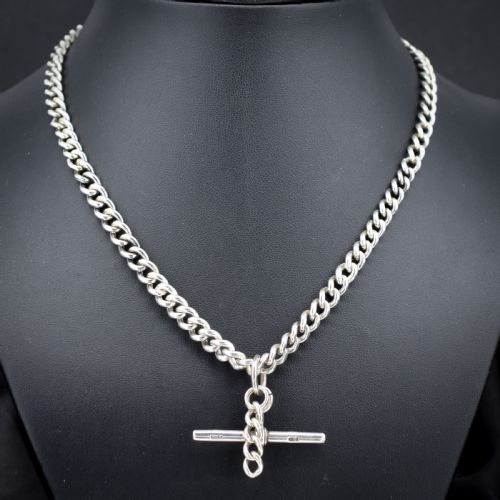
You can wear a shorter albert chain around the neck as a necklace, often retaining the original T-bar and dog clip as decorative pendants. Longer variations wrap around the wrist multiple times to function as a heavy bracelet.
Alternatively, you can thread the T-bar through a lapel buttonhole or waistcoat pocket, allowing the links to drape across the front of a garment just as originally intended.
How do I read the hallmarks on my chain?
British silver hallmarks typically include a standard mark such as a lion passant for sterling quality, an assay office symbol indicating the town of testing, and a date letter corresponding to the exact year of production. You can find these tiny stamps struck onto individual links, the T-bar, or the swivel of the dog clip.
Examining these symbols requires a jeweler's loupe due to the small scale of the impressions. Reference charts help match the specific letter shape and shield outline to the correct decade.
Can I attach a modern pocket watch to these chains?
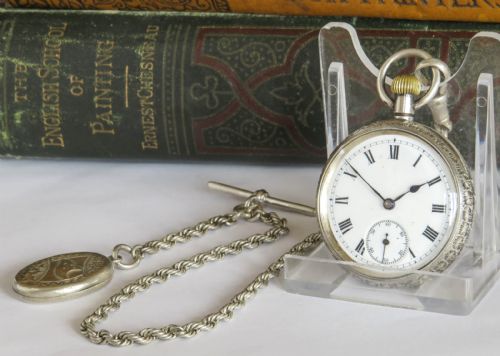
Yes, the spring-loaded swivel dog clips on these chains accommodate the loop or bow of almost any standard pocket watch. The scale of the clip is designed to match historical pocket watch rings.
Ensure the weight of the watch matches the gauge of the chain to maintain a balanced look and prevent undue strain on the antique metal links.