


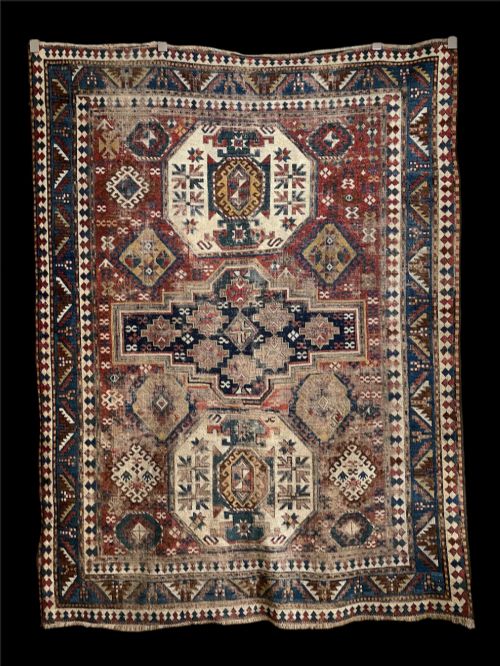


Stepped Medallion Rug Carpet
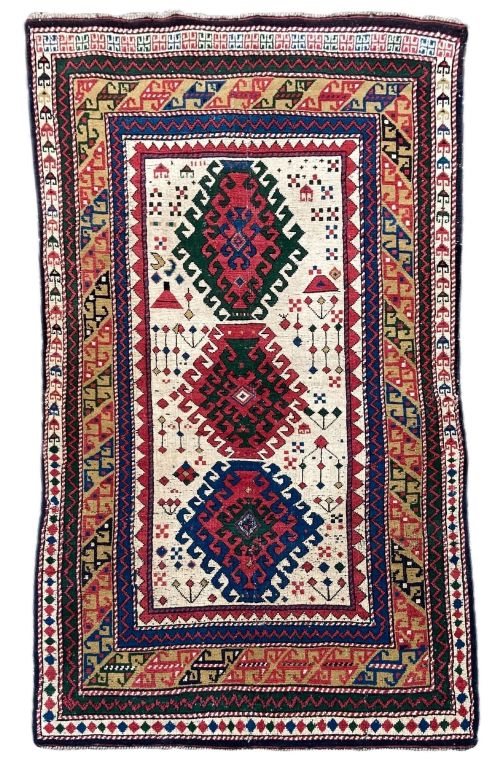
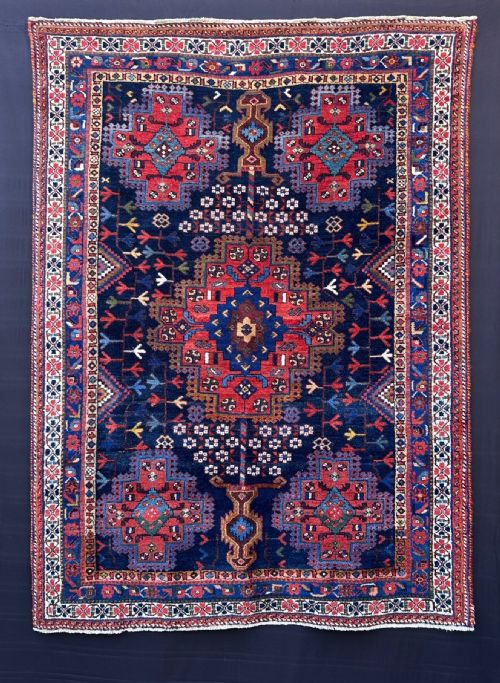
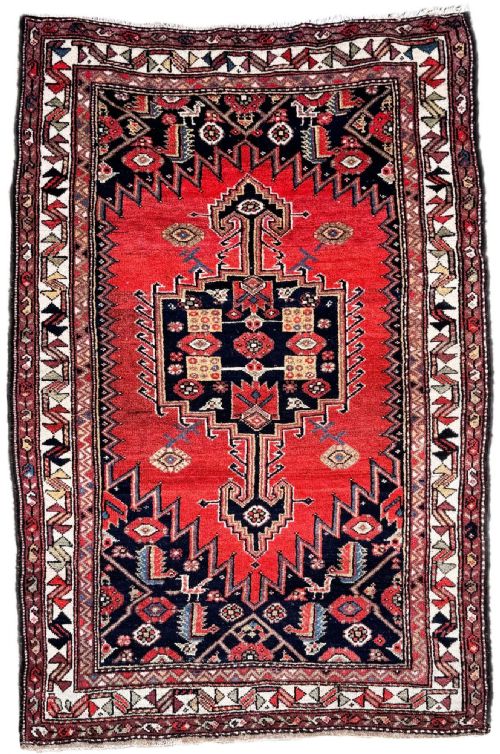
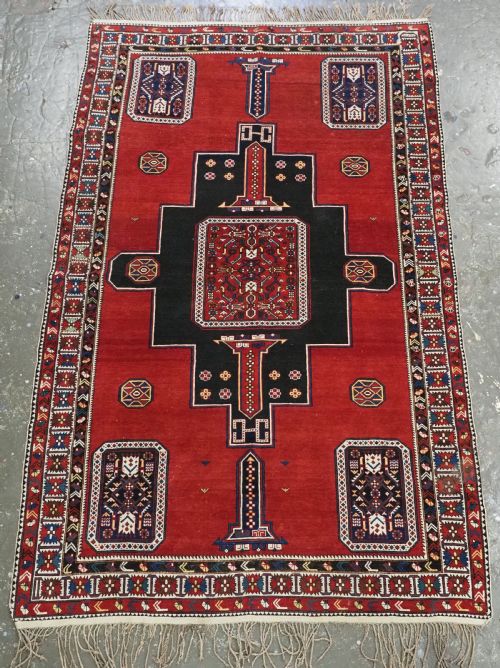
A stepped medallion rug carpet anchors a room with geometric authority, bringing centuries of tribal and village weaving traditions straight to your floor.
Stepped Medallion Rug Carpet
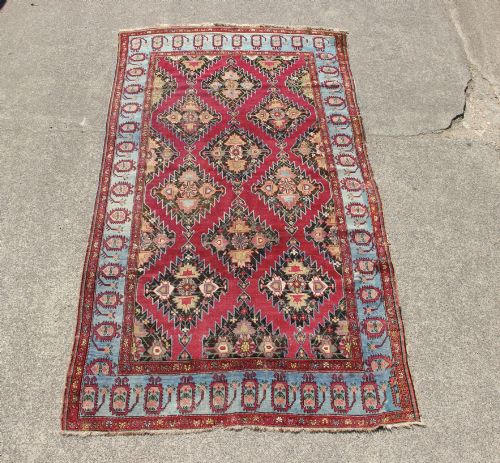
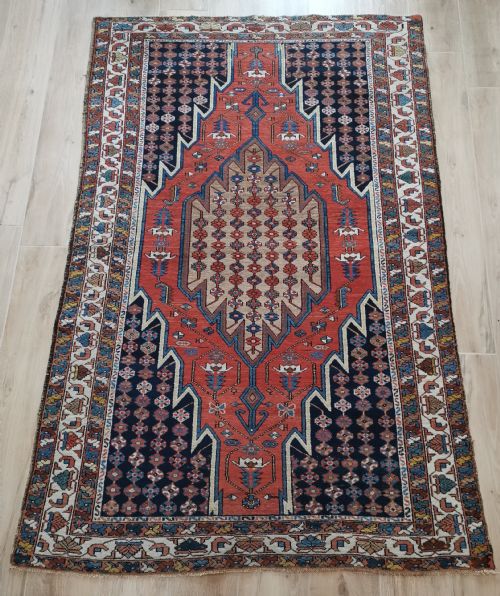
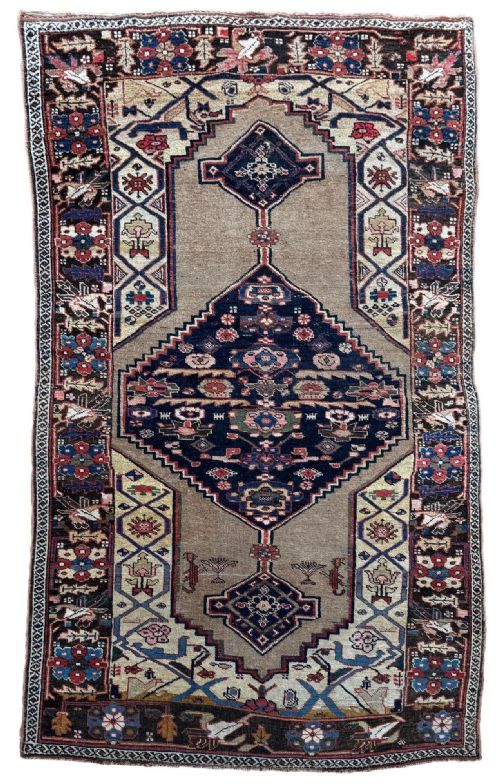
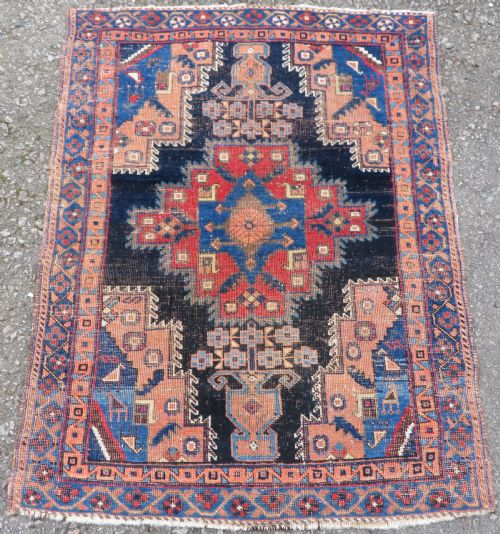
When you search for a stepped medallion rug carpet, you encounter hand-knotted and flat-woven pieces originating from Persian, Caucasian, and Anatolian regions. These textiles span the late nineteenth century through to the early decades of the twentieth century, reflecting distinct regional aesthetics.
Makers in these rural and nomadic communities utilised repeating motifs and central geometric enclosures. The stepped outline of the medallion serves as a hallmark of these traditional regional designs.
Materials and Construction
Weavers constructed these pieces predominantly using wool for the pile and foundation yarns, alongside cotton foundations in specific regional workshops. Natural dyes impart the varied hues seen across the pile and flat-woven surfaces.
The hand-knotting technique secures the wool pile to the warp and weft threads, while flat-woven kilim examples rely on interlocking weft threads to create pattern without a pile. These traditional methods ensure structural integrity across decades of use.
Listings span production dates from the nineteenth century through the nineteen-thirties, featuring wool and cotton materials across Persian, Caucasian, and Anatolian styles.
Assessing Quality and Execution
Knot density and the precision of the geometric drawing dictate the refinement of the weave. Tighter knotting allows for sharper delineation of the stepped medallion contours.
The richness and stability of the natural dye palette contribute significantly to the visual weight of the piece. Well-preserved wool pile and sound foundational structure elevate the endurance of the textile.
The Stepped Medallion Rug Carpet Glossary
- Medallion
- A central decorative motif placed in the field of the rug. It often anchors the entire geometric composition.
- Kilim
- A flat-woven textile produced without a pile. These pieces utilise interlocking weft techniques.
- Runner
- A long, narrow format designed for hallways or corridors. They display repeating patterns down their length.
- Pile
- The upright yarn surface of a rug formed by individual knots. It provides texture and depth to the design.
Stepped Medallion Rug Carpet: Frequently Asked Questions
How do I clean an old wool rug?
Gentle surface brushing and professional specialist washing maintain the wool fibres without damaging the foundation.
Avoid harsh chemical treatments and excessive water immersion to preserve the natural dyes.
Where were these tribal rugs made?
Weavers produced these textiles across Persia, the Caucasus, and Anatolia in village and tribal settings.
Specific regions such as Kerman, Karabagh, and Bidjar developed distinct local styles.
Can I place these rugs in high traffic areas?
Sturdily constructed wool pile pieces withstand moderate foot traffic when protected with a suitable underlay.
Lighter flat-weaves benefit from placement in lower-traffic spaces to preserve their structure.
How do I date a nineteenth century carpet?
Dating relies on examining the specific wool characteristics, dye palettes, and structural weave details.
Comparing regional motifs against documented examples helps establish an approximate period of origin.