












Stemmed Glassware
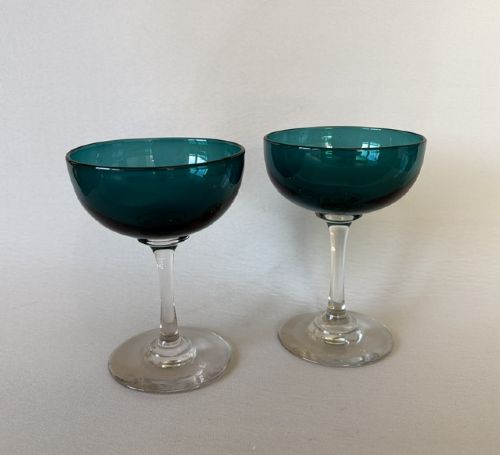
These stemmed glassware pieces span centuries of drinking vessels, from Georgian opaque twists to Victorian cut flutes, offering tactile history for your table.
Stemmed Glassware
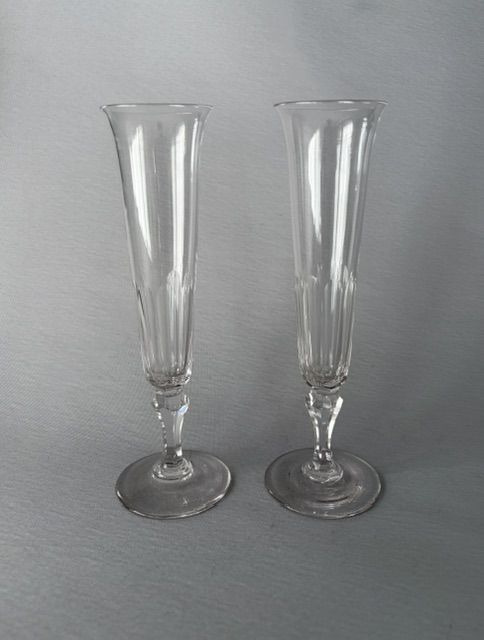
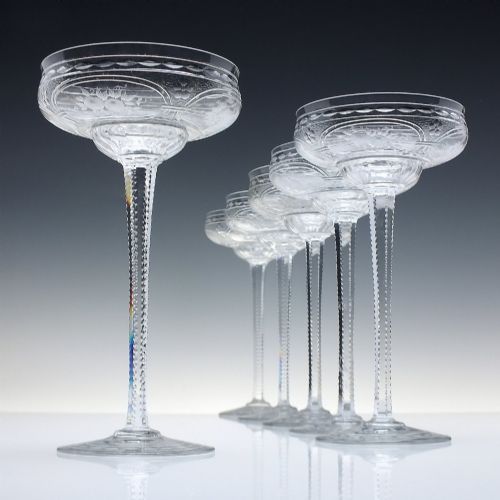
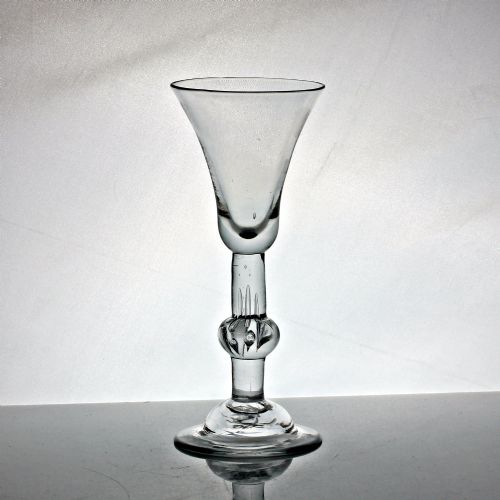
When you search for stemmed glassware, you encounter drinking vessels and display pieces elevated on stems, principally wine glasses, champagnes, goblets, and decanter forms. The selection here leans heavily towards eighteenth-century Georgian specimens alongside nineteenth-century Victorian and Edwardian examples.
The assortment includes specialised forms such as ale glasses, dram glasses, gin glasses, and celery vases. These items range from plain stem table glass to intricate air twist and opaque twist stems.
Originating largely from English and continental European traditions, these objects serve both decorative display and functional dining. The forms demonstrate how drinking habits shaped glass production over hundreds of years.
How they were made
Maker operations utilised lead glass, flint glass, and lead crystal, shaped by blowing and hand-manipulation while hot. Tooling created the distinct stems, including baluster profiles, hollow stems, and drawn stems with internal air tears.
Decoration involved wheel-engraving, cutting, gilding, and enamel work applied to bowls and feet. Twists inside stems were formed using canes of opaque white or coloured glass drawn and manipulated within the metal.
Stemmed Glassware Retail Price Guide 2026
Typical asking prices for stemmed glassware among the pieces listed under this phrase on Sellingantiques today, from the lower quarter to the upper quarter. They describe what is for sale here now, not the wider market.
Some eighteenth-century dram glasses feature folded feet designed to survive hearty tavern toasts.
What varies in quality
The distinction between tiers rests upon the complexity of the stem formation and the crispness of any wheel engraving. Intricate double series twists or faceted stems command attention above plain stem counterparts.
Material clarity and weight also separate examples, alongside the integrity of folded feet and the subtlety of applied gilding or enamel. The balance of the piece in the hand indicates the skill of the original glasshouse.
Baccarat Vallee·Moser Bohemian·Theresienthal
The Stemmed Glassware Glossary
- Opaque twist
- A stem containing threads of white or coloured opaque glass encased within clear metal. These threads are twisted into spiral patterns during manufacture.
- Air twist
- A stem featuring elongated bubbles or spirals of air trapped inside the glass. Makers produced these by pricking the hot metal before drawing and twisting the stem.
- Baluster stem
- A sturdy, heavy stem shape characterised by swelling knops reminiscent of architectural balusters. This form is common in early eighteenth-century pieces.
- Folded foot
- A glass foot where the outer rim is turned underneath to form a smooth, rounded edge. This technique adds weight and strength to the base.
- Romer
- A large, traditional Germanic drinking goblet featuring a ribbed or studded stem and a wide bowl. These often display elaborate enamel or engraved decoration.
Stemmed Glassware: Frequently Asked Questions
Can I still use these glasses for dining?
Many people enjoy using Georgian and Victorian stemware for special occasions, as the lead glass is sturdy enough for careful handling. Pour drinks gently and avoid heavy toasts with older glasses.
Frail pieces with extensive enamel or gilding are better suited for display rather than regular use. Assess the wall thickness and overall stability before serving guests.
What is an opaque twist stem?
An opaque twist stem contains fine threads of white or coloured glass pulled into spiral patterns inside the clear stem. Makers achieved this by inserting glass rods into a heated blank before twisting.
This technique became popular in England during the mid-eighteenth century. Collectors look for single, double, or mixed series twists depending on the complexity of the thread patterns.
Why do some feet have folded edges?
Makers folded the rim of the foot underneath to create a thickened, rounded edge that resisted chipping during daily use. This feature provides extra weight at the base to balance tall bowls.
Folded feet appear frequently on eighteenth-century drinking glasses and dram glasses. Their presence often helps confirm the early date of a piece.