







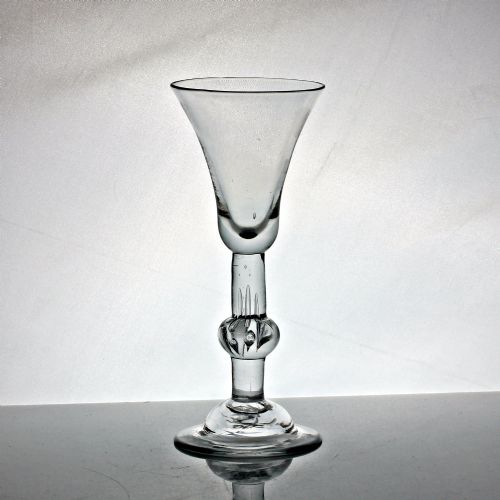





Stemmed Glass Goblet
These stemmed glass goblet examples span the Georgian and Victorian eras, bringing tactile weight and historic charm to any table.
Stemmed Glass Goblet
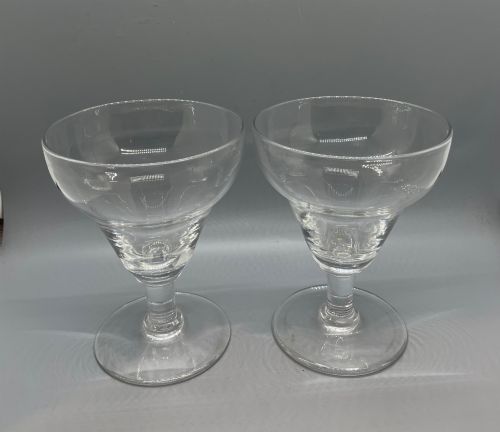
A stemmed glass goblet search centres on drinking vessels and stemware originating in the eighteenth and nineteenth centuries. Buyers frequently encounter Georgian and Victorian specimens shaped as wine glasses, rummers, ale glasses, and champagne coupes.
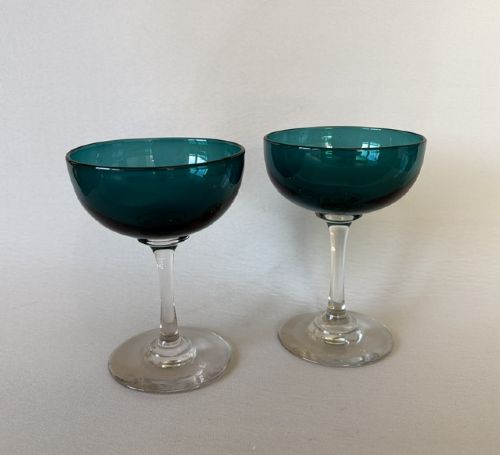
The selection ranges from early Georgian balusters and opaque twists to later Victorian coloured glass and enamelled bohemian vessels. These objects served utilitarian dining functions in past centuries but now function primarily as display pieces or historic tableware.
How they were made
Maker operations relied principally on lead glass, flint glass, and clear glass shaped by blowing and hand-tooling. Artisans incorporated internal air bubbles, known as air tears, into the stems during shaping.
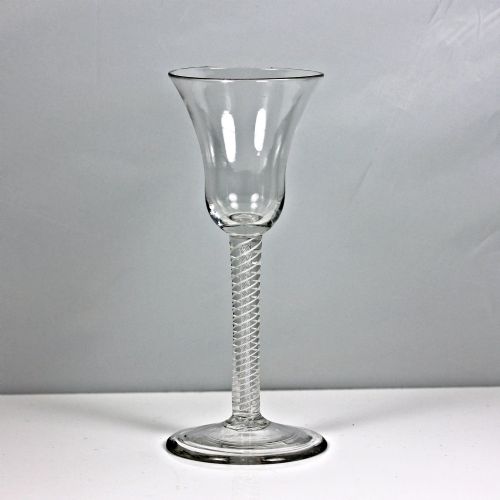
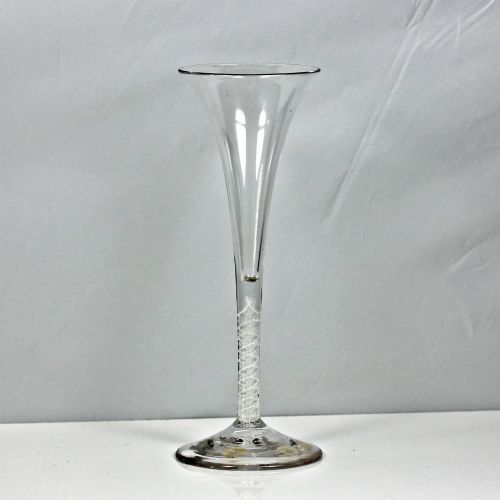
Decoration involved wheel engraving, gold leaf application, and white enamel painting. Twist stems were formed by drawing canes of opaque or coloured glass through molten metal before twisting and sealing.
Stemmed Glass Goblet Retail Price Guide 2026
Typical asking prices for stemmed glass goblet among the pieces listed under this phrase on Sellingantiques today, from the lower quarter to the upper quarter. They describe what is for sale here now, not the wider market.
Early glassmakers occasionally left accidental air bubbles trapped inside stems, turning a minor workshop quirk into a collectible charm.
What varies in quality
Distinctions in quality rest upon the complexity of the stem construction and the crispness of the bowl engraving. Mixed twists and detailed hop-and-barley wheel work demand higher technical mastery than plain stems.
Proportion and symmetry determine the visual success of a vessel, particularly in baluster and balustroid forms. The clarity of the metal and the presence of undamaged folded feet elevate the standing of a piece.
Moser Bohemian·Theresienthal
The Stemmed Glass Goblet Glossary
- Baluster
- A heavy, thick stem form featuring swelling knops that echo architectural pillars. This style dominated mid-eighteenth-century English drinking vessels.
- Opaque twist
- A stem containing threads of white or coloured enamel glass spun into a spiral. Single and double series refer to the complexity of these internal strands.
- Folded foot
- A base edge turned underneath to create a thickened rim for extra strength. This technique appears frequently on eighteenth-century pieces.
- Rummer
- A large, sturdy drinking glass introduced in the late eighteenth century for ale or wine. They typically feature ovoid bowls and short, thick stems.
- Ogee bowl
- An S-curve profile curving out at the rim and in at the base. This shape supports aromatic wines and ales.
Stemmed Glass Goblet: Frequently Asked Questions
What is a stemmed glass goblet?
A stemmed glass goblet is a drinking vessel raised on a foot and stem, designed for wine, ale, or festive toasts during the Georgian and Victorian periods.
These pieces combine functional capacity with decorative stem forms, ranging from simple plain stems to intricate air and opaque twists.
How were twist stems made?
Twist stems were created by trapping air or coloured enamel canes inside molten glass, then drawing and rotating the metal to form internal spirals.
Makers executed single, double, or mixed twists to catch the light and demonstrate technical skill.
How do I date an 18th-century glass?
Dating relies on identifying stem construction, bowl shape, and foot formation, such as folded rims or domed bases. Georgian pieces often display specific knop configurations and baluster profiles.
Engraving styles and metal composition further narrow the manufacturing window.
Can I use antique goblets today?
Antique goblets can serve beverages, though many owners prefer to display them to preserve their historical surfaces and delicate rims. Hand washing in tepid water is essential for pieces with enamel or gilding.
Careful handling prevents thermal shock and accidental chips on fragile glass.