





Steam Bent Chairs
Steam bent chairs offer curved wooden frames and practical seating, bringing historic utility and organic lines into modern rooms.
Steam Bent Chairs
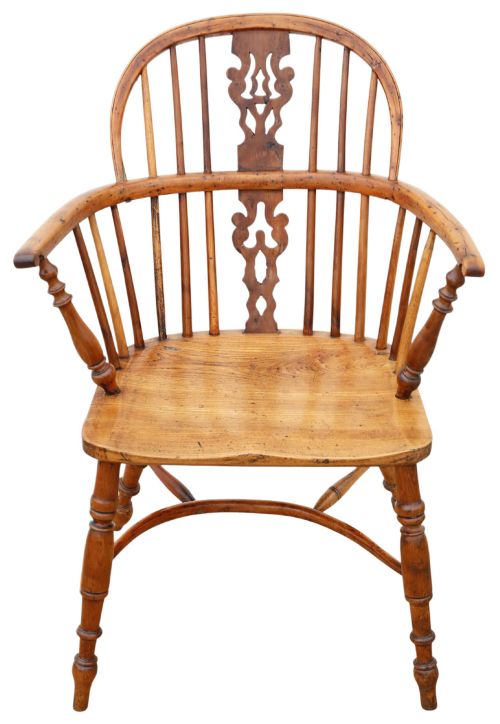
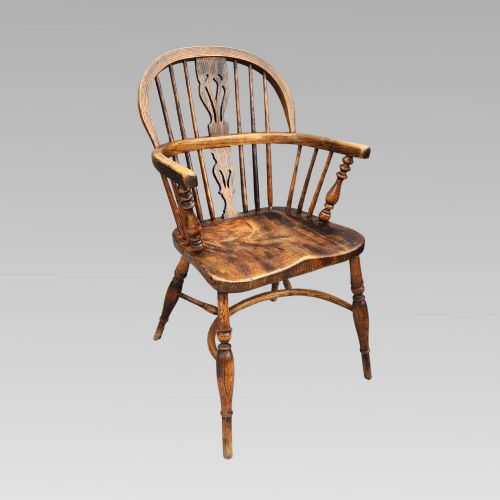
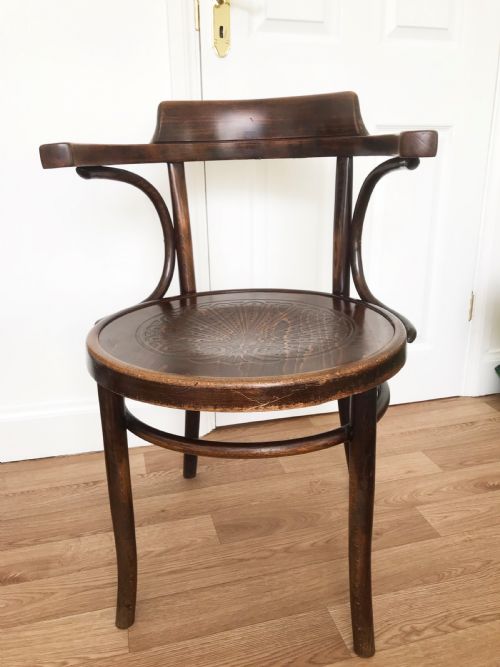
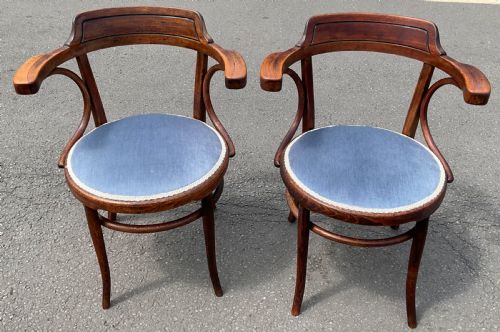
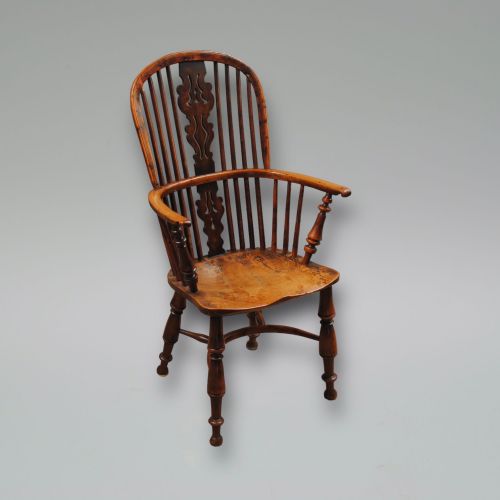
Steam bent chairs encompass both light commercial bistro seating and sturdy vernacular Windsor armchairs found across domestic interiors. Buyers examining this category encounter pieces spanning the nineteenth century through the nineteen-thirties, reflecting diverse regional workshops and major continental makers alike.
Origins vary from English country workshops using local timber to Viennese production lines supplying commercial establishments across Europe. This mix provides buyers with choices between rustic vernacular forms and industrial bentwood designs.
Materials and construction
Timbers such as beech, ash, elm, and yew form the primary structure of these seats, selected for their grain strength and flexibility during shaping. Beech dominates the bentwood category, while traditional Windsor pieces utilise mixed woods for seats, hoops, and spindles.
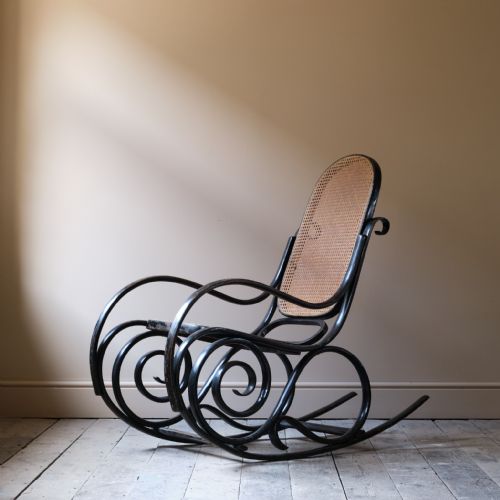
Makers softened solid timber using moisture and heat before applying pressure to achieve tight curves without fracturing the grain. Seats often incorporate cane panels, leather upholstery, fabric cushions, or solid carved wooden depressions.
Several sturdy survivors spent their early mornings serving coffee in a famous London café.
Assessing quality and construction
Construction integrity sets apart superior examples, particularly the tightness of joints and the stability of steam-formed components under daily use. Original surface patination and retained manufacturer marks also influence the standing of individual pieces.
The selection of timber grades dictates longevity, with dense yew and seasoned elm commanding particular attention among vernacular seating. Matching sets demonstrate greater uniformity in their turned spindles and bent frames than assembled groups.
Thonet
The Steam Bent Chairs Glossary
- Bentwood
- Wood shaped by exposure to steam and pressure. This technique allows manufacturers to create continuous curves and lightweight frames.
- Windsor
- A traditional chair construction method where legs and back spindles are wedged directly into a solid sculpted seat. These vernacular pieces often combine multiple native timbers.
- Carver
- An armchair designed to sit at the head of a dining table or function as a desk chair. They feature integrated armrests for added support.
- Ebonised
- Wood finished with a dark stain or paint to imitate ebony. This treatment was popular during the Victorian period for accentuating formal silhouettes.
Steam Bent Chairs: Frequently Asked Questions
How do I date an old bentwood chair?
Examination of the underside often reveals impressed manufacturer stamps, paper labels, or distinct screw fixings that help establish the production era. The complexity of the curved frame and the type of cane or wood used in the seat also provide clues to the manufacturing decade.
Comparing construction details with documented examples from firms like Thonet narrows down the timeframe. Earlier nineteenth-century pieces generally show heavier gauge components than lighter twentieth-century commercial variants.
Are these chairs suitable for daily dining use?
Most steam bent chairs and bistro designs were originally built for commercial hospitality settings, meaning they handle regular seating well. Checking joint stability and ensuring the frame remains rigid will guarantee safe daily use around a table.
For older vernacular Windsor armchairs, checking the wedge joints under the seat ensures structural security. Periodic checks of screw connections on bentwood frames maintain their longevity in modern homes.
What is the difference between a Windsor and a bentwood chair?
Windsor chairs rely on traditional stick-back joinery where turned spindles fit into a solid wooden seat, typical of English country workshops. Bentwood chairs utilise steam-softened solid timber forced into continuous curved frames, famously developed in Vienna.
Windsor pieces emphasise heavy native hardwoods like elm and ash, whereas bentwood seating predominantly employs flexible beech. Each style represents a distinct manufacturing tradition from the nineteenth century.
How do I care for cane seats?
Cane panels require occasional damp wiping to prevent the natural fibres from drying out and snapping under pressure. Keeping them away from direct heat sources preserves the elasticity of the material.
Weight distribution matters for longevity, so avoiding kneeling directly on the woven surface prevents premature breakage. Proper humidity levels in the room keep the natural cane supple for decades.