
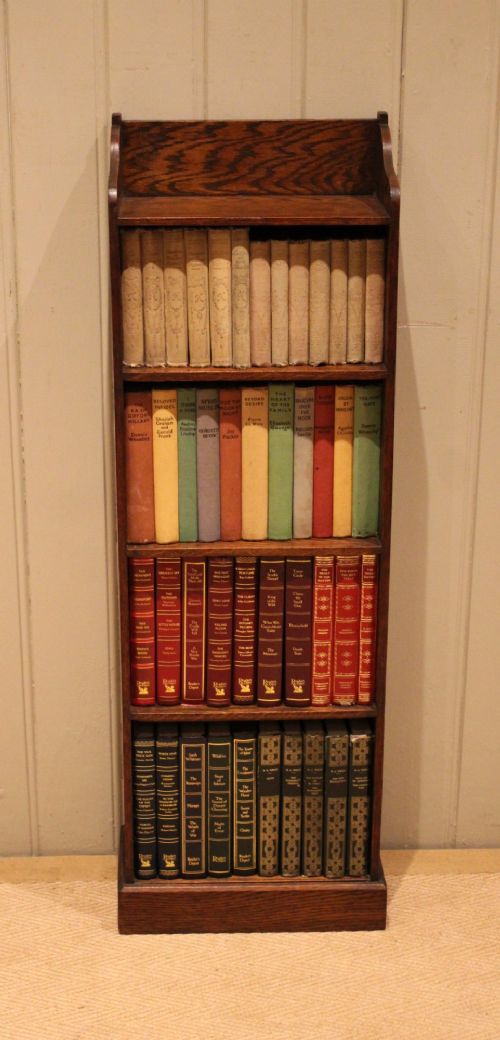
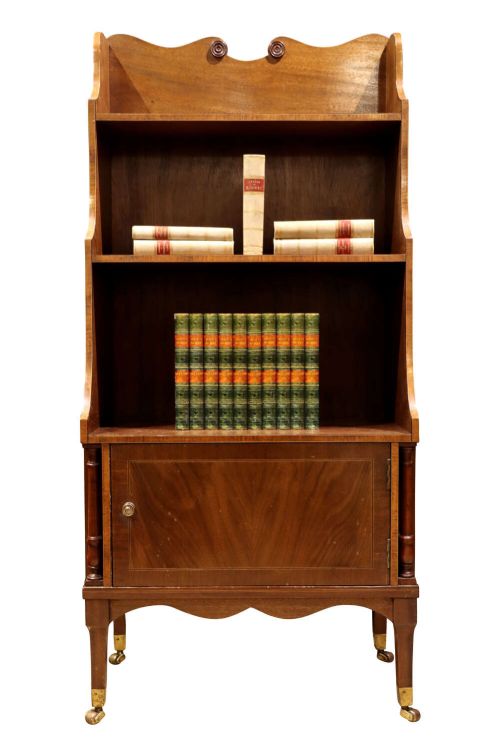
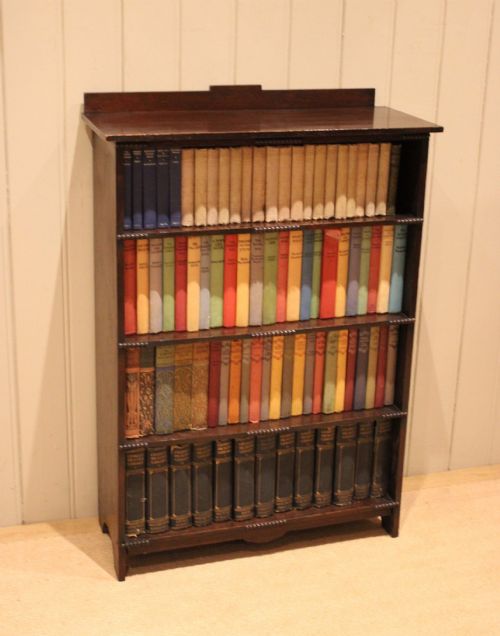
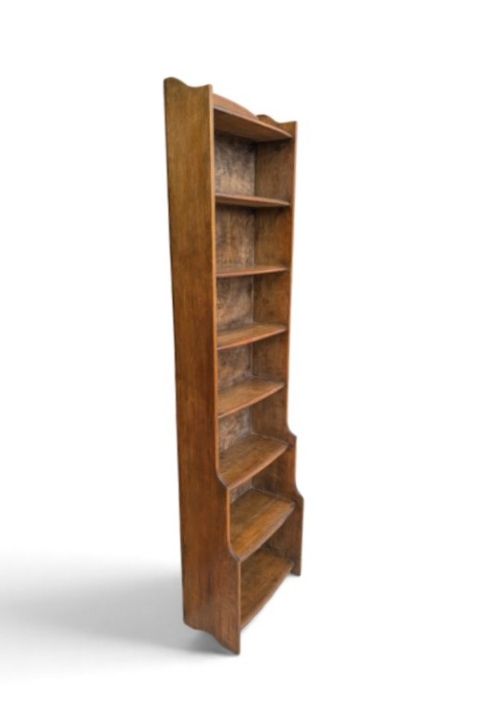
Standing Open Bookshelf
These standing open bookshelf pieces offer accessible display and storage for growing libraries, combining practical open shelving with period charm.
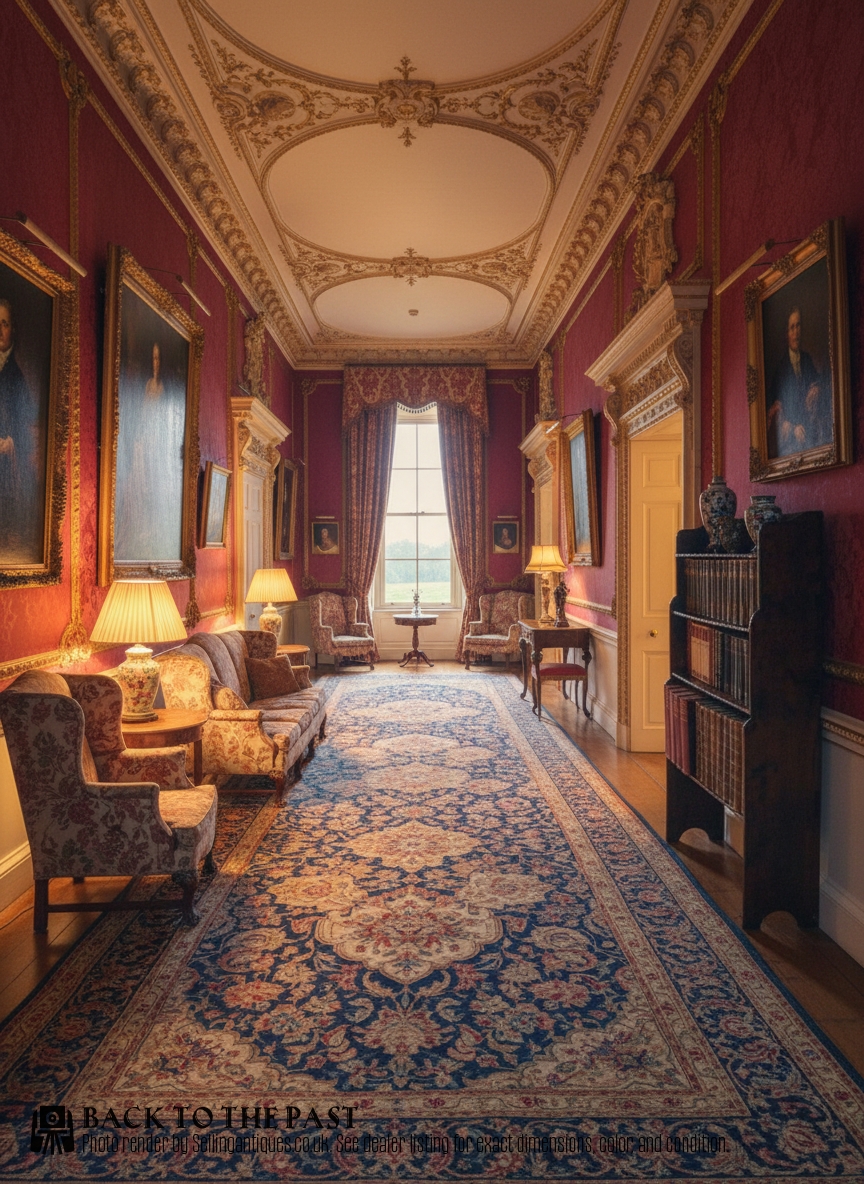
What standing open bookshelf examples exist
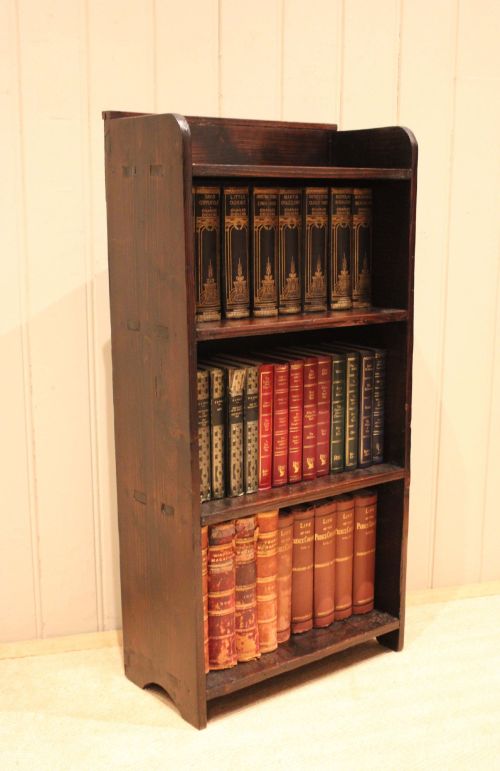
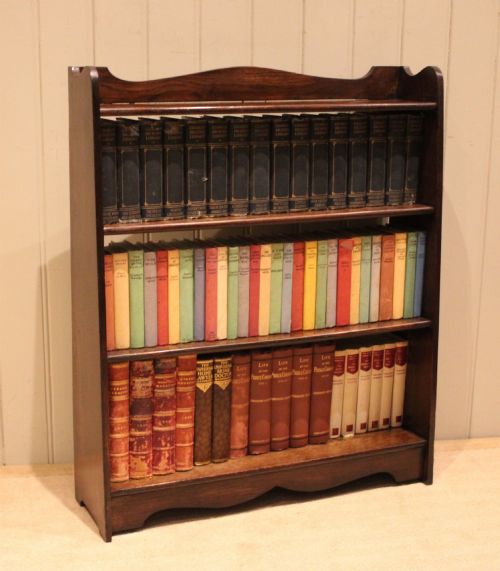
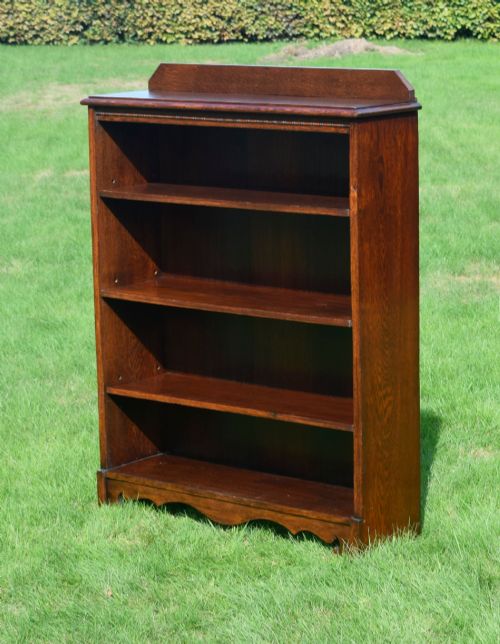
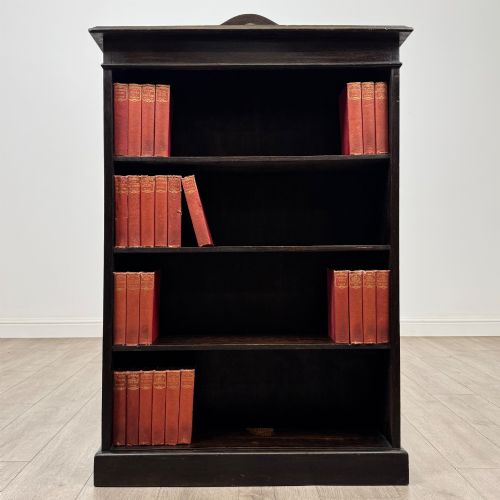
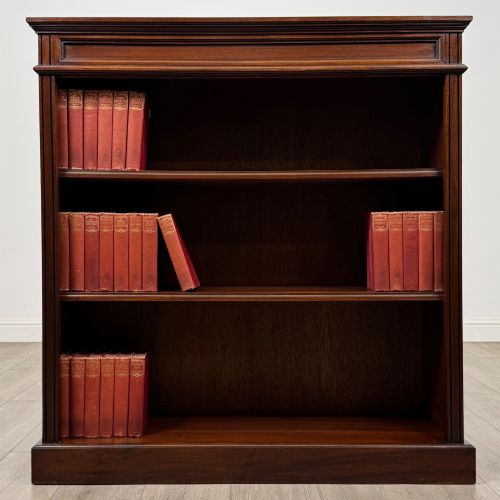
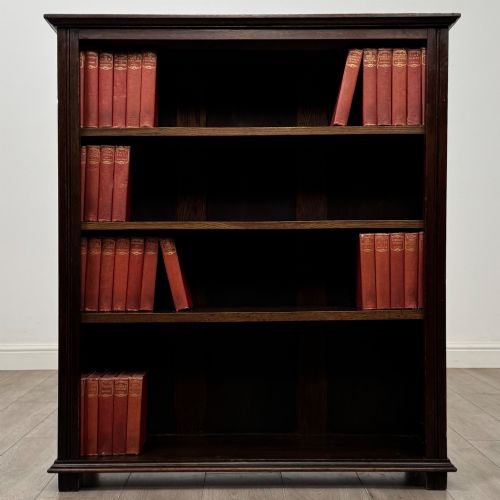
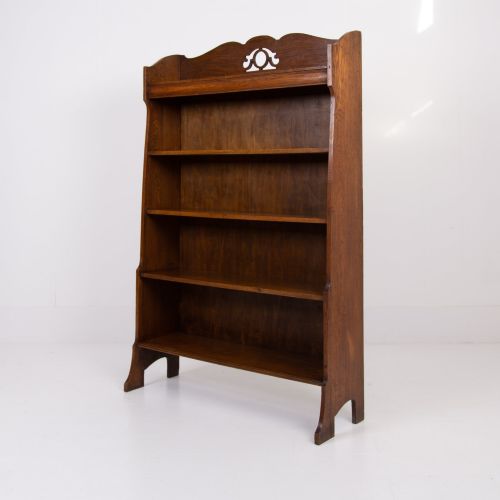
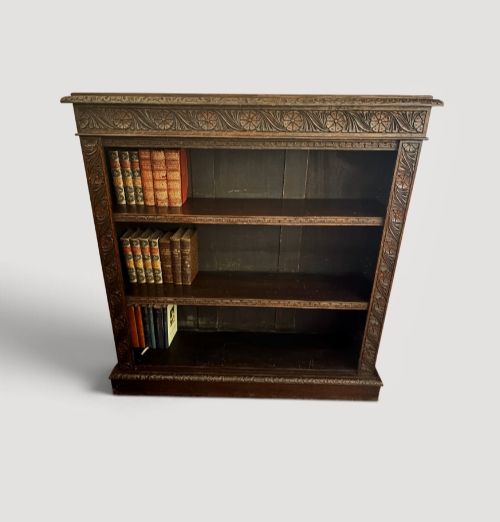
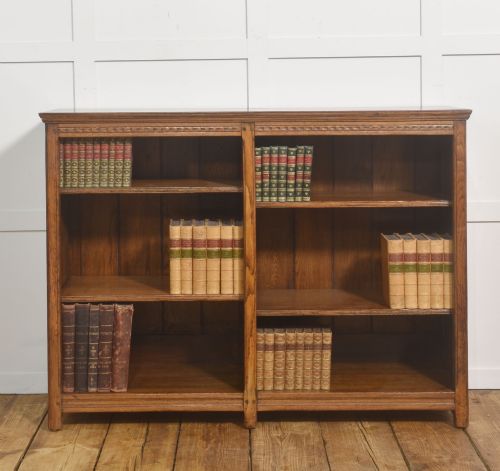
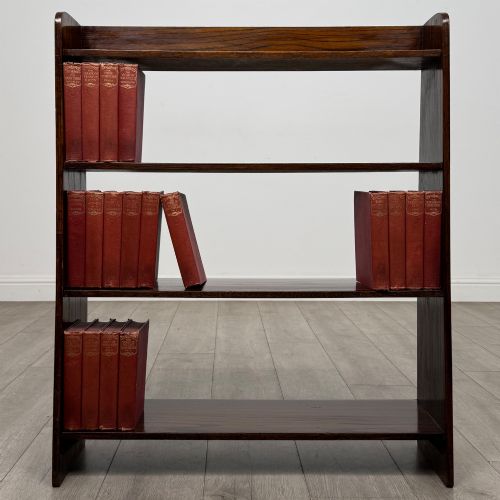
A standing open bookshelf provides accessible storage for volumes while displaying bindings directly to the room. The selection here ranges from Georgian and Regency forms to late Victorian, Edwardian, and later twentieth-century pieces.
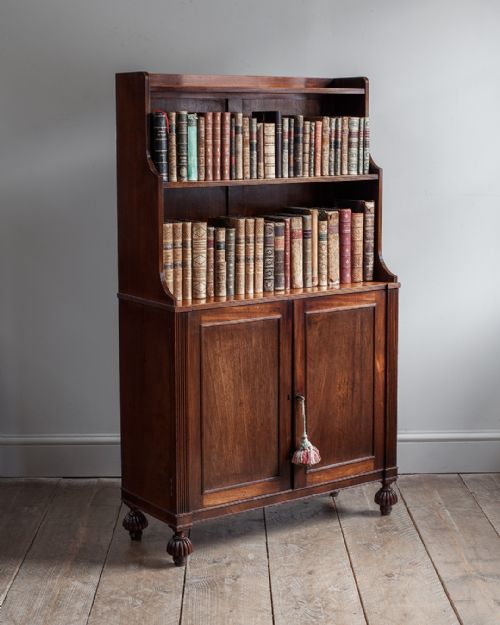
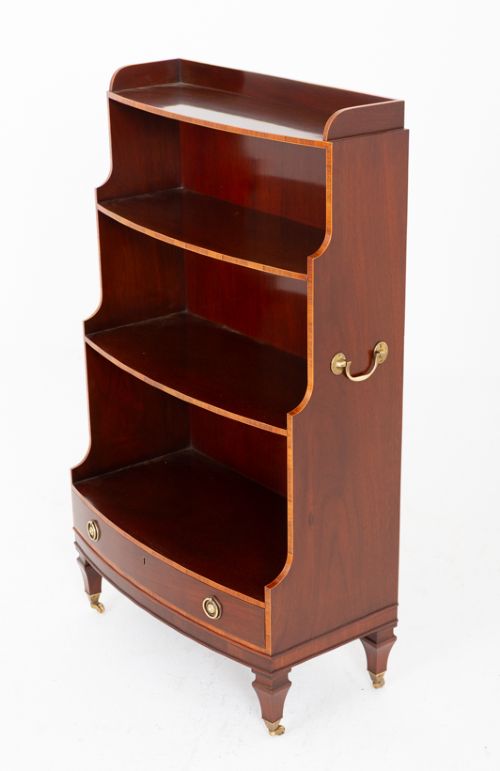
Most examples take the form of open bookcases or waterfall bookcases, occasionally featuring lower drawers or brass castors. Woods include mahogany, satinwood, deal, pine, and oak, reflecting both formal cabinetmaking and rustic country traditions.
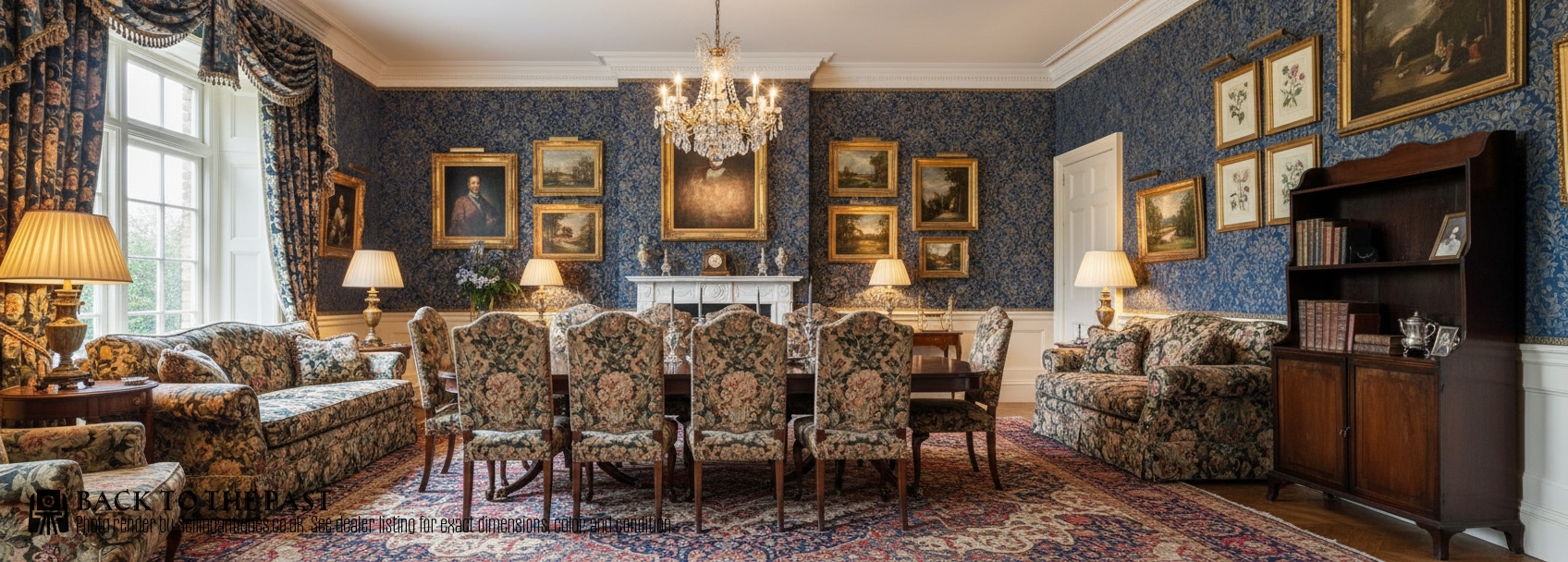
Materials and construction methods
Cabinetmakers utilised timber such as mahogany and deal, often incorporating satinwood inlay for decorative contrast on Edwardian and Victorian pieces. Brass fittings appear as castors on mobile cabinets.
Construction relies on traditional joinery methods suited to freestanding furniture, supporting open shelves designed to hold considerable weight in books without sagging.
Retail Price Guide 2026
Typical UK retail prices for standing open bookshelf, calculated from the Sellingantiques database of over a million retail prices indexed since 2003. This retail price guide relies exclusively on Sellingantiques data; no external sources or auction records are used, so the figures do not describe the wider market.
Some Edwardian bookshelves come fitted with brass castors, allowing your library to follow the sun around the room.
Distinctions in quality and execution
Superior examples display finer timber selection, such as figured mahogany or detailed satinwood inlay, alongside precise joinery and well-proportioned tiered shelves. Simpler rustic deal or pine pieces rely on straightforward utility rather than decorative refinement.
The integration of functional elements like drawers, brass castors, and graduated waterfall tiers elevates the design from basic storage to considered cabinetmaking.
The Standing Open Bookshelf Glossary
- Waterfall bookcase
- A tiered shelving unit where each successive shelf steps back from the one below it. This graduated form creates a pleasing silhouette reminiscent of a falling stream of water.
- Inlay
- A technique where pieces of contrasting timber, such as satinwood, are inserted into depressions in the primary wood surface to create decorative patterns.
- Deal
- A soft timber derived from pine or fir trees, commonly utilised in rustic country furniture and secondary framing.
- Castor
- A small wheel mounted in a swivel frame attached to the base of heavy furniture to ease movement across floors.
Frequently Asked Questions
Where should I place a standing open bookshelf?
These freestanding pieces suit studies, living rooms, and hallways where quick access to books is beneficial. Their open design means titles remain visible from any angle in the room.
Keep them away from direct heat sources and strong sunlight to protect the timber and bindings from drying out or fading over time.
How do I distinguish Edwardian from Georgian bookcases?
Georgian pieces generally exhibit heavier proportions and deeper mahogany tones associated with eighteenth-century formal design. Edwardian examples often feature lighter construction and delicate satinwood inlay.
Examining the secondary timbers and the style of any decorative motifs helps clarify the period of manufacture.
Are waterfall bookcases sturdy enough for heavy books?
Most waterfall bookcases are built with solid timber shelves capable of supporting standard octavo volumes. The stepped design naturally distributes weight efficiently down the graduated tiers.
Heavier folios and reference sets are best housed on the deeper bottom shelves to maintain overall stability.