

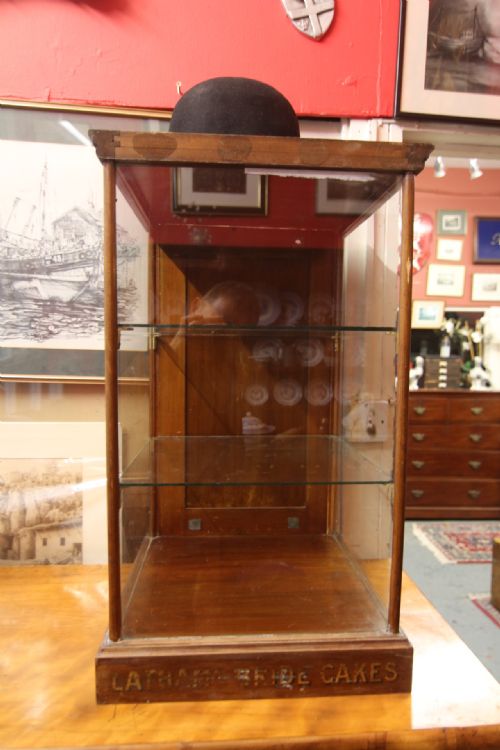
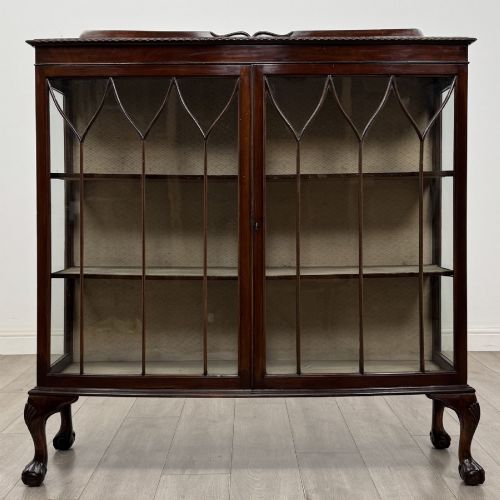
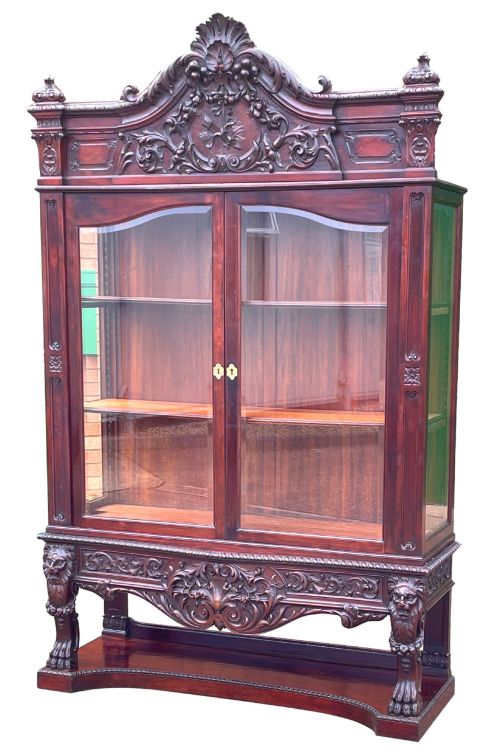
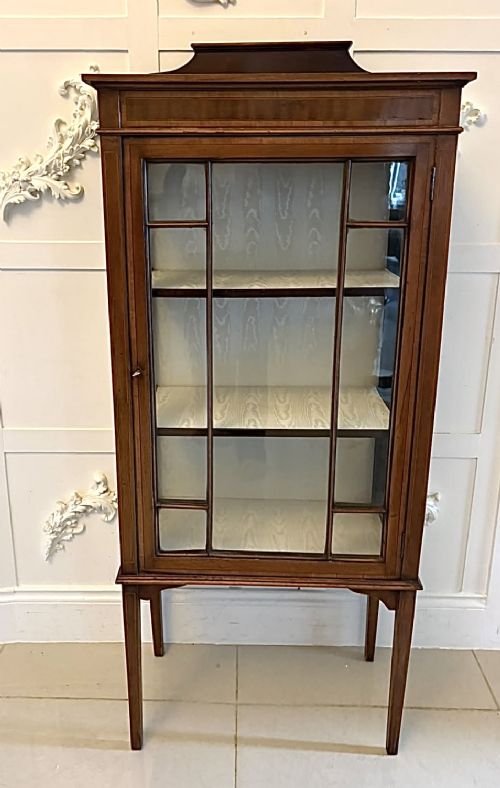
Standing Glazed Display Case
Standing glazed display case pieces protect and exhibit prized objects, bringing proportion and craftsmanship into a room.
Standing Glazed Display Case
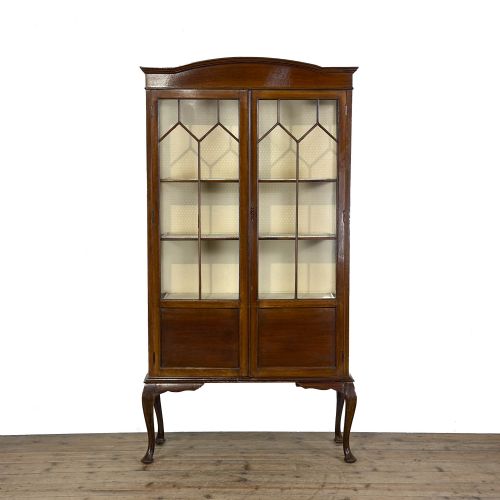
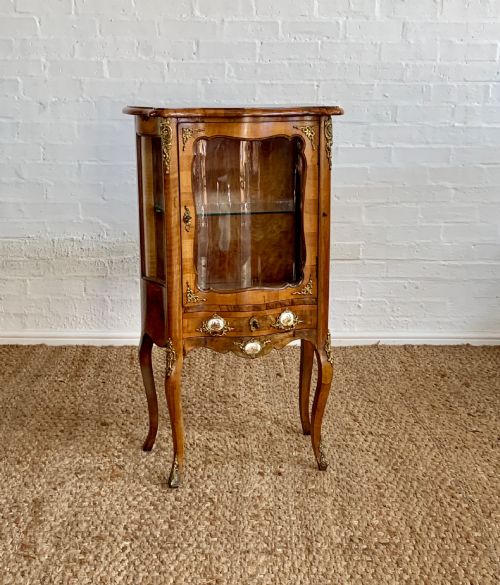
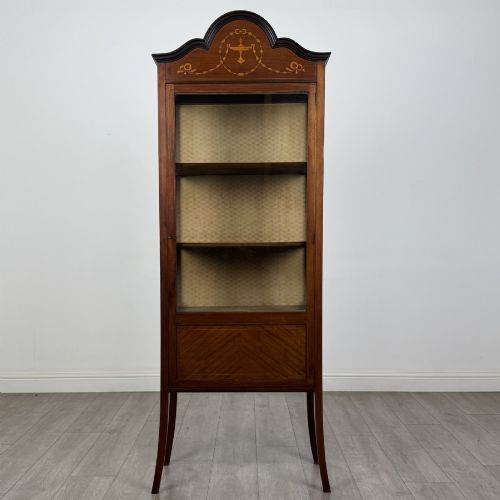
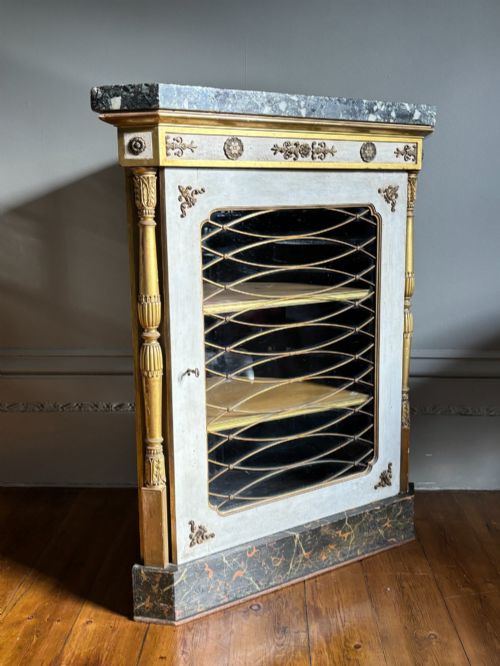
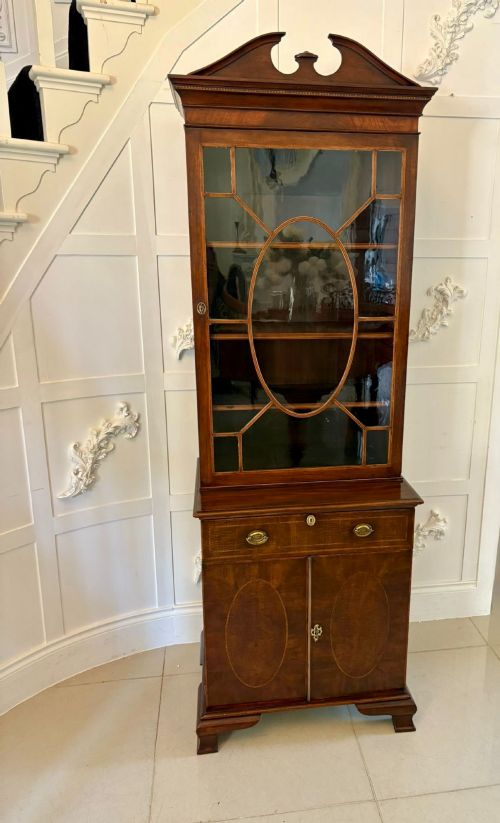
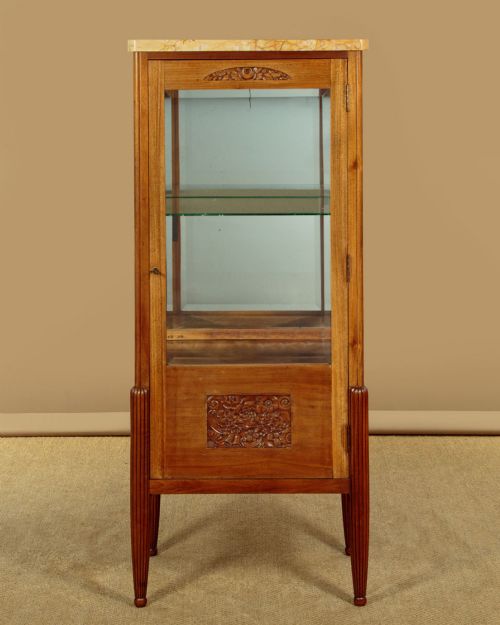
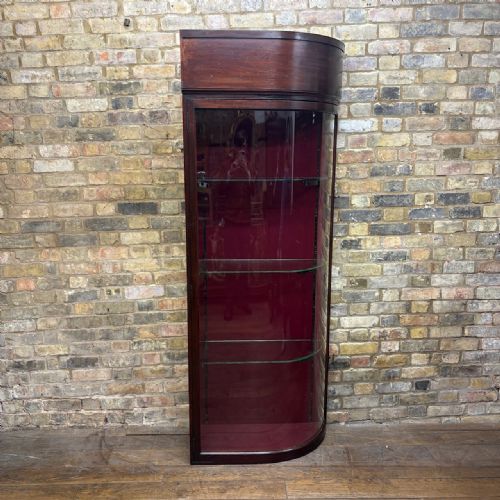
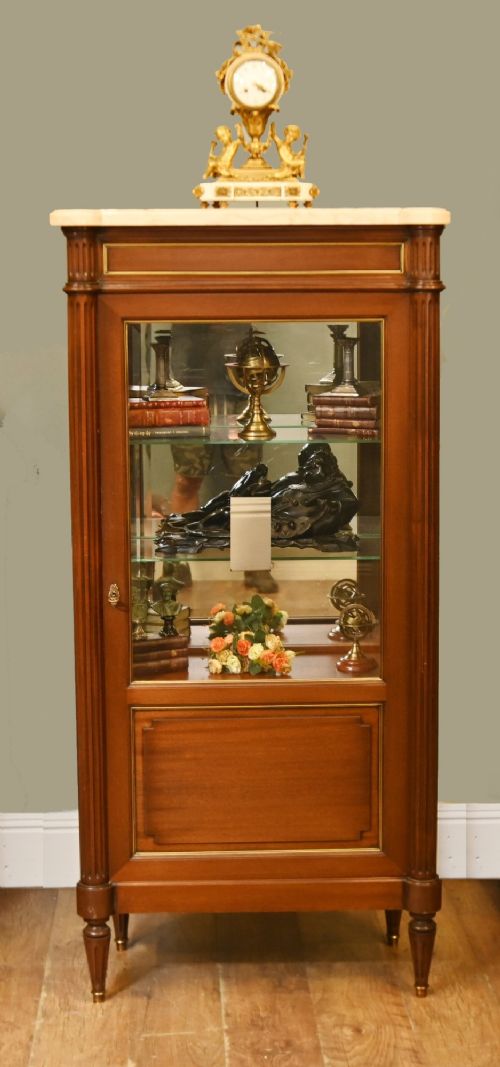
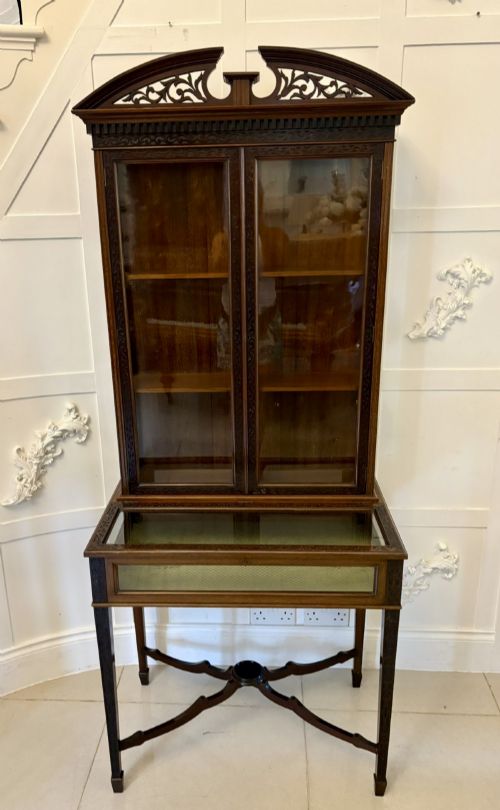
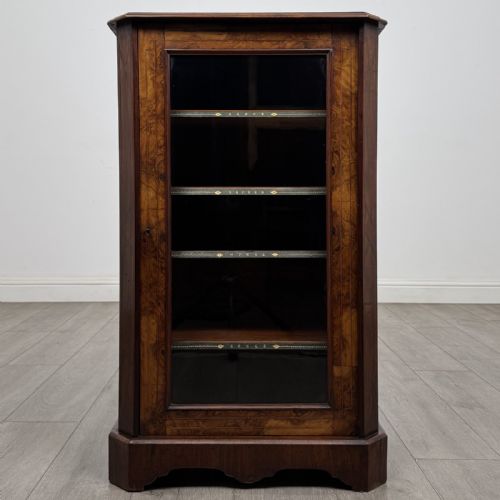
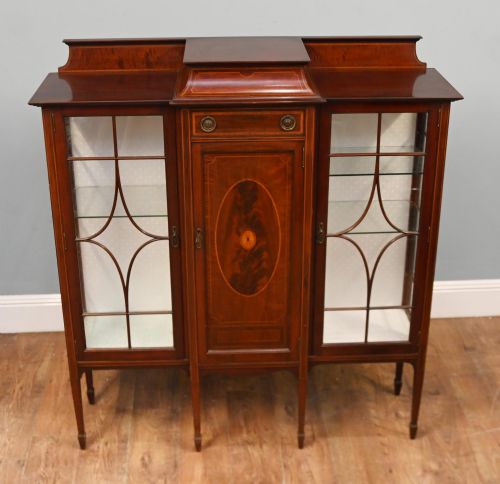
A standing glazed display case serves to exhibit collections and precious items behind glass while housing them securely within a dedicated floor standing cabinet. Buyers seeking a standing glazed display case encounter forms originating across the nineteenth and twentieth centuries, spanning periods from the Victorian and Edwardian eras up to the Art Deco movement. These objects appear in various configurations including bow-fronted corner units, narrow vitrines, pedestal stands, and flat display cabinets.
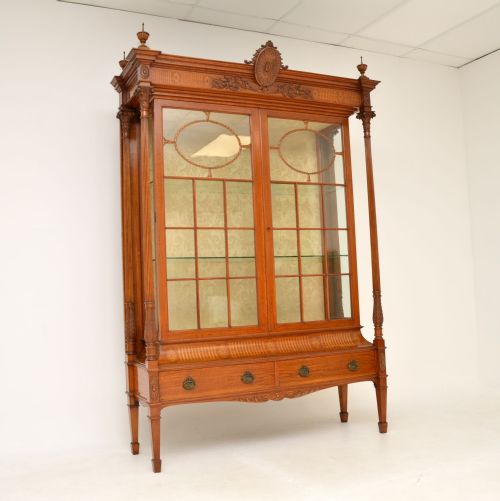
The prevailing examples on this page are Edwardian and Victorian creations constructed predominantly from mahogany, often enhanced with satinwood inlay or mirrored backs. Pieces range from large-scale Chinese Chippendale style cabinets to compact music cabinets and corner cupboards designed to fit domestic interiors. Each iteration reflects the specific domestic requirements of its period, balancing visibility of contents with architectural presence in a room.
Quality Indicators
Superior examples distinguish themselves through the precision of their timber veneers and the intricacy of their inlay work. The crispness of carved details, such as those found on Chippendale or Rococo style pieces, marks the distinction between standard workshop output and exceptional cabinet making.
The choice of primary woods like burr walnut or figured veneers, combined with the integration of harmonious brass hardware or mirrored back panels, elevates the overall standing of a piece. Finer cabinets exhibit balanced proportions and clean glazing bars that frame the interior contents without visual distraction.
Standing Glazed Display Case Retail Price Guide 2026
Typical asking prices for standing glazed display case among the pieces listed under this phrase on Sellingantiques today, from the lower quarter to the upper quarter. They describe what is for sale here now, not the wider market.
Materials represented across the listings range from traditional mahogany and walnut to pine, satinwood, and brass hardware.
The Standing Glazed Display Case Glossary
- Vitrine
- A glass display cabinet designed primarily for the exhibition of porcelain, curiosities, and small decorative objects. These cases often feature glazed panels on multiple sides to maximise light entry.
- Bijouterie cabinet
- A specialised display case featuring a glazed top compartment designed specifically for viewing jewellery, medals, and small flat treasures from above. They frequently incorporate fabric-lined interiors.
- Satinwood inlay
- A decorative technique where lighter-coloured satinwood is inserted into contrasting darker timbers such as mahogany to create geometric or floral patterns. This ornamentation defines many Sheraton Revival pieces.
- Brass gallery
- A low decorative railing mounted on the top surface of a cabinet. It serves both an aesthetic purpose and a practical one by preventing items placed on top from sliding off.
- Bow front
- A convex curved cabinet front that projects outward in a smooth arc. This shape softens the corners of a room and adds visual depth to the furniture.
Standing Glazed Display Case: Frequently Asked Questions
Where should I place a standing glazed display case?
Position these cabinets away from direct sunlight to protect displayed contents and timber finishes from fading over time. Ensure the floor is level so the doors and glass panels operate smoothly without binding.
Corner models make effective use of unused angles in smaller rooms, while larger flat-fronted cabinets suit principal living spaces or dining rooms as focal points.
How do I distinguish Edwardian pieces from Victorian ones?
Victorian cabinets often display heavier proportions, darker timbers, and substantial carved ornamentation reflecting mid to late nineteenth-century tastes. Edwardian examples tend to feel lighter and brighter, frequently utilising satinwood inlay and Sheraton Revival motifs inspired by the eighteenth century.
Looking at the secondary woods inside drawers and the style of brass hardware provides further clues to dating.
How do I care for the glass and timber surfaces?
Clean the glass panels using a soft cloth and a mild glass cleaner sprayed onto the cloth rather than directly onto the cabinet. This prevents moisture from seeping into vulnerable wooden frames or fabric linings.
Feed the timber periodically with appropriate beeswax or furniture polish to maintain the lustre of mahogany and walnut surfaces.