
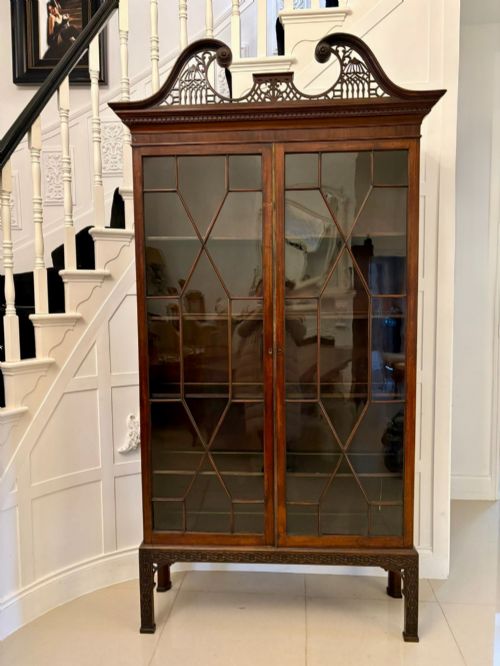
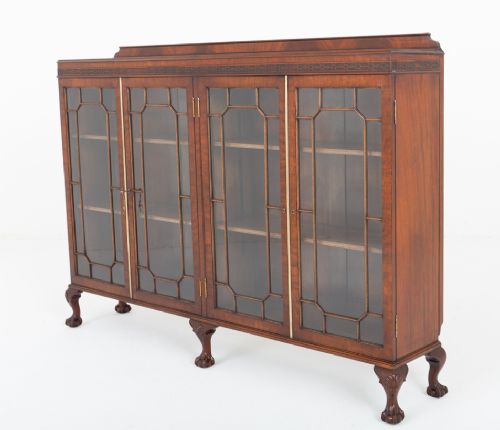
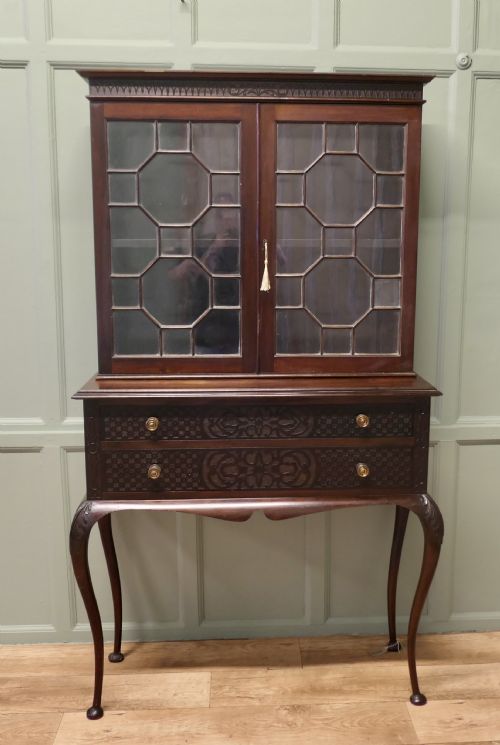
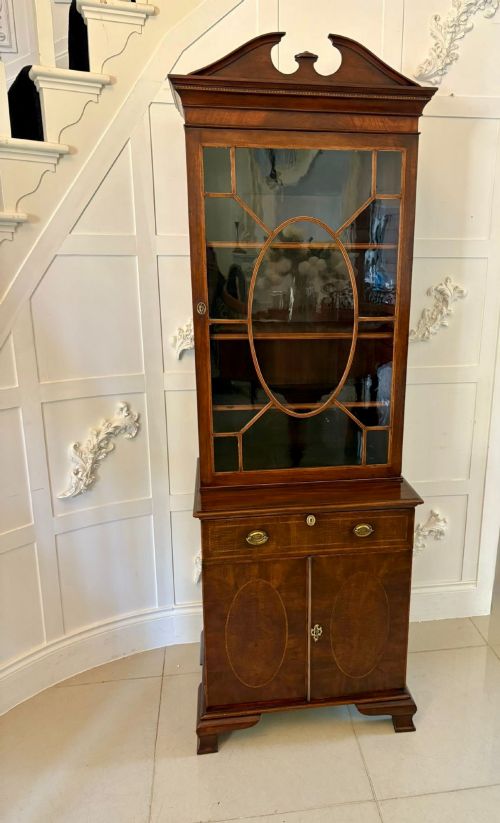


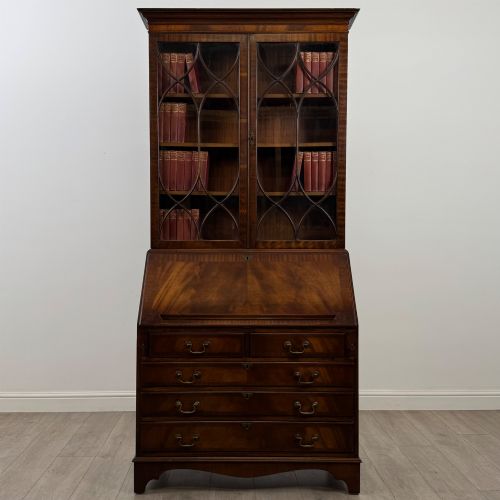
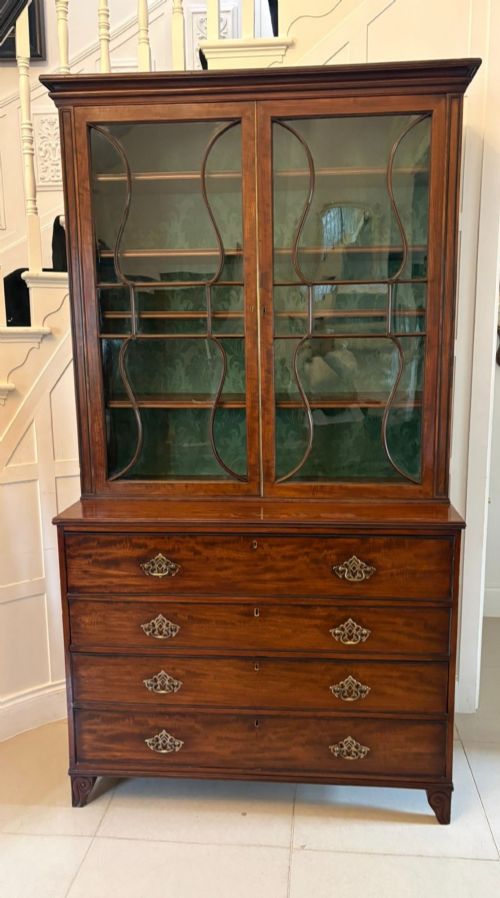
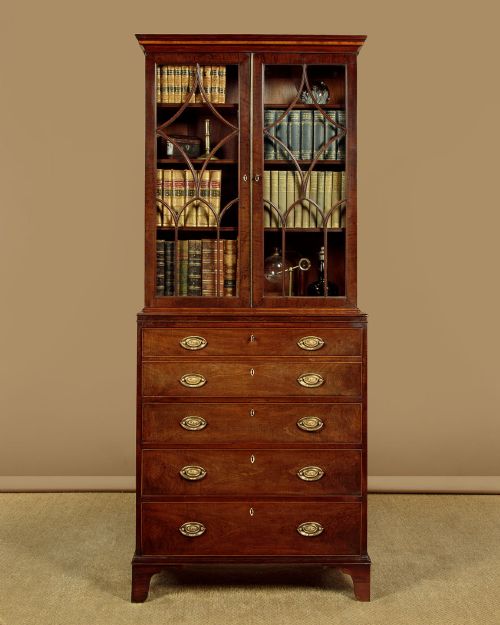
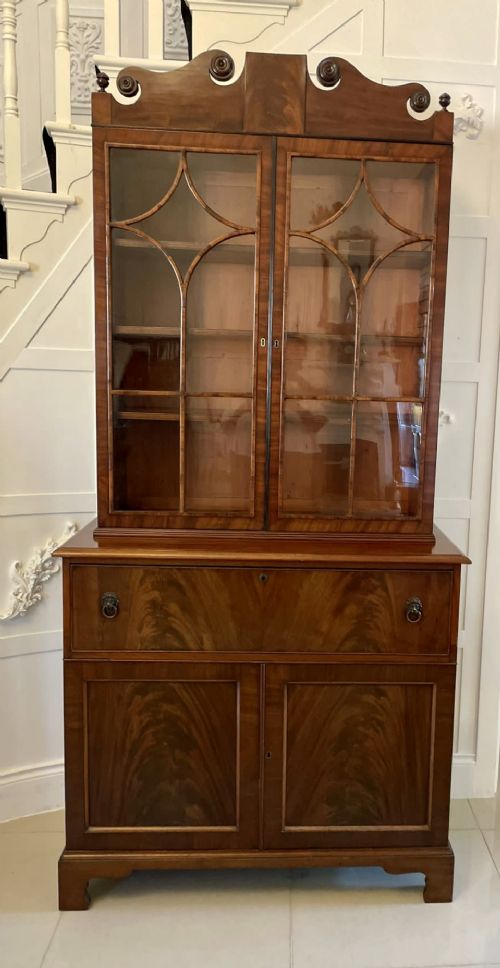
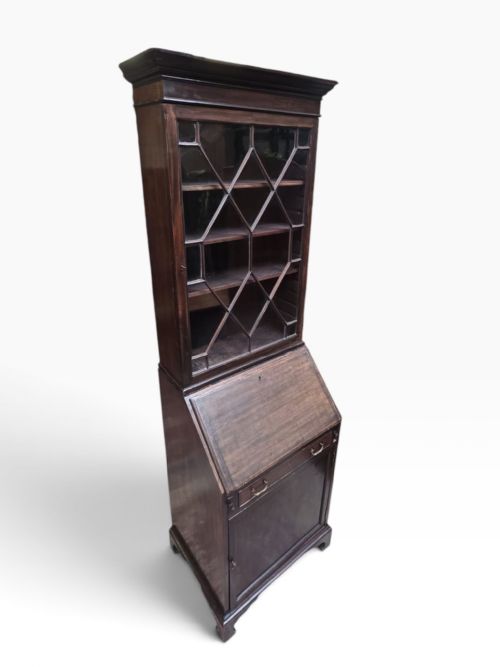
Vintage Mahogany Glazed Cabinet
A vintage mahogany glazed cabinet brings traditional timber and clear display space together for books and treasured objects.
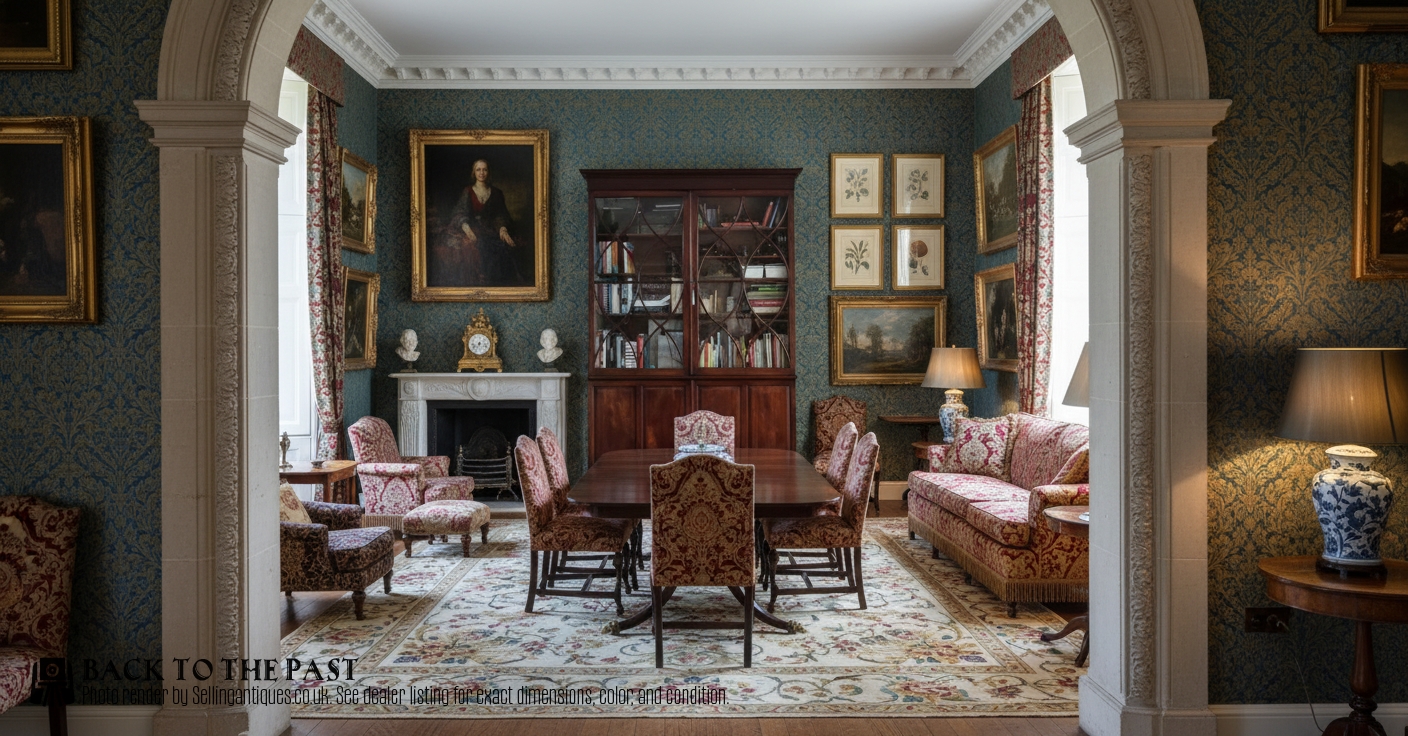
Vintage Mahogany Glazed Cabinet
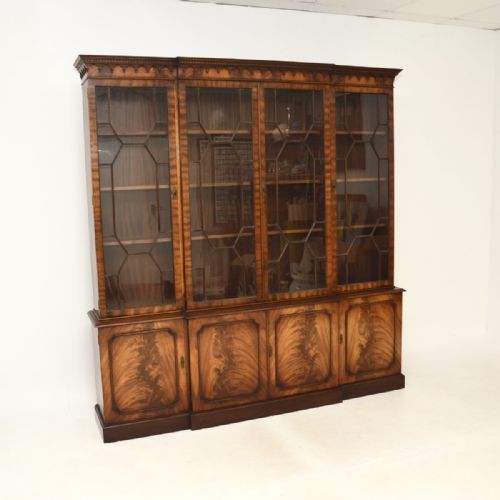
When you search for a vintage mahogany glazed cabinet, you encounter a wide selection of storage and display furniture built primarily from rich timber with glass panels. These pieces serve practical functions in domestic settings while showcasing books, ceramics and ornaments behind transparent doors.
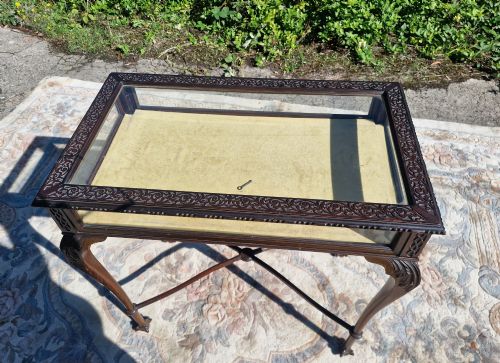
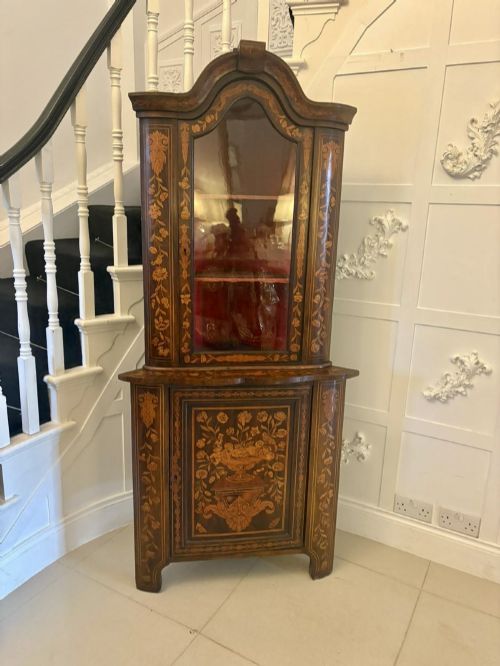
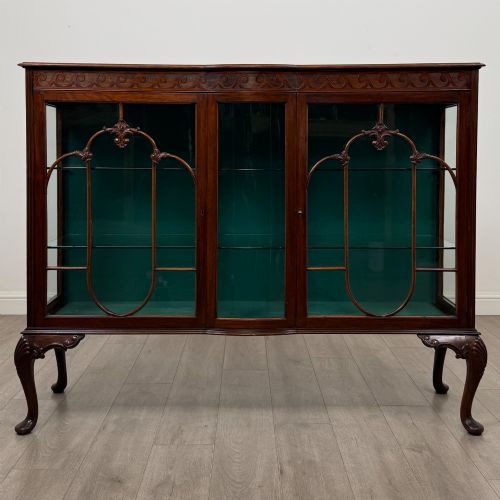
The selection here encompasses various forms originating from different eras, including tall bookcases, compact corner cupboards, bureau bookcases with writing desks, and low display tables. Pieces date from the Georgian period through the Victorian, Edwardian and later twentieth-century eras, reflecting evolving domestic needs across decades.
You are most likely to meet Edwardian and Victorian iterations alongside nineteenth-century examples on this page. These items frequently incorporate stylistic revivals such as Sheraton or Chippendale influences, demonstrating how cabinetmakers continuously reinterpreted historical designs.
What varies in quality
The sophistication of the timber selection and veneer matching defines the visual appeal at the upper end of the range. Figured mahogany grain patterns and precise satinwood inlay indicate superior craftsmanship compared to plain surfaces.
The fineness of the glazing bars and the clarity of the glass distinguish exceptional pieces from standard utility storage. Delicate astragals demand high technical skill from the joiner, whereas heavier frames suggest more straightforward production.
Interior fittings and secondary details such as original brass handles, working locks with keys, and fitted pigeonholes or satinwood-lined writing drawers elevate the status of a piece. Structural integrity across large breakfront bookcases and library cabinets reflects the original maker's intent.
Listings incorporate mahogany, satinwood, oak, and brass materials across Victorian, Edwardian, and Regency periods.
François Linke·Globe Wernicke
The Vintage Mahogany Glazed Cabinet Glossary
- Astragal
- A narrow moulding used to divide glass panes within a glazed door. These delicate wooden strips define the window pattern of the cabinet.
- Secretaire
- A desk disguised as a drawer that pulls down to reveal a fitted writing surface and small pigeonholes. This hybrid form combines bookcase storage with a bureau.
- Vitrine
- A glass-fronted display cabinet designed specifically to showcase porcelain and curiosities. The term originates from the French word for glass.
- Marquetry
- Decorative veneer work forming pictorial patterns using various coloured woods. Craftsmen cut and fitted pieces of satinwood and other timbers into the mahogany surface.
- Breakfront
- A large cabinet design where the central section projects forward from the flanking wings. This architectural arrangement creates depth and breaks up long expanses of shelving.
Vintage Mahogany Glazed Cabinet: Frequently Asked Questions
How do I date an Edwardian cabinet?
Edwardian cabinets typically date between nineteen hundred and nineteen ten, often displaying Sheraton or Chippendale revival motifs. Look for lighter proportions, satinwood inlay work, and delicate glazing bars characteristic of this twentieth-century decade.
Construction details and secondary woods also help confirm the era, distinguishing Edwardian revival pieces from earlier nineteenth-century originals.
Where should I place a corner cabinet?
A corner cabinet fits directly into room junctions to utilise otherwise empty angles for display and storage. These units maximise floor space while housing books or ceramics behind glazed doors.
Both tall standing cupboards and wall-mounted versions appear across Georgian and later periods, functioning effectively in dining rooms and sitting rooms.
What is a barrister's bookcase?
A barrister's bookcase consists of stacked sectional units with upward-lifting glass doors designed to protect volumes from dust. This modular system allowed lawyers and scholars to transport or expand their libraries easily.
Most examples found here date to the early twentieth century and utilise solid mahogany construction with robust mechanical stacking hardware.