

Standing Corner Display Unit
A standing corner display unit turns unused angles into focus points, bringing together timber craftsmanship and display space.
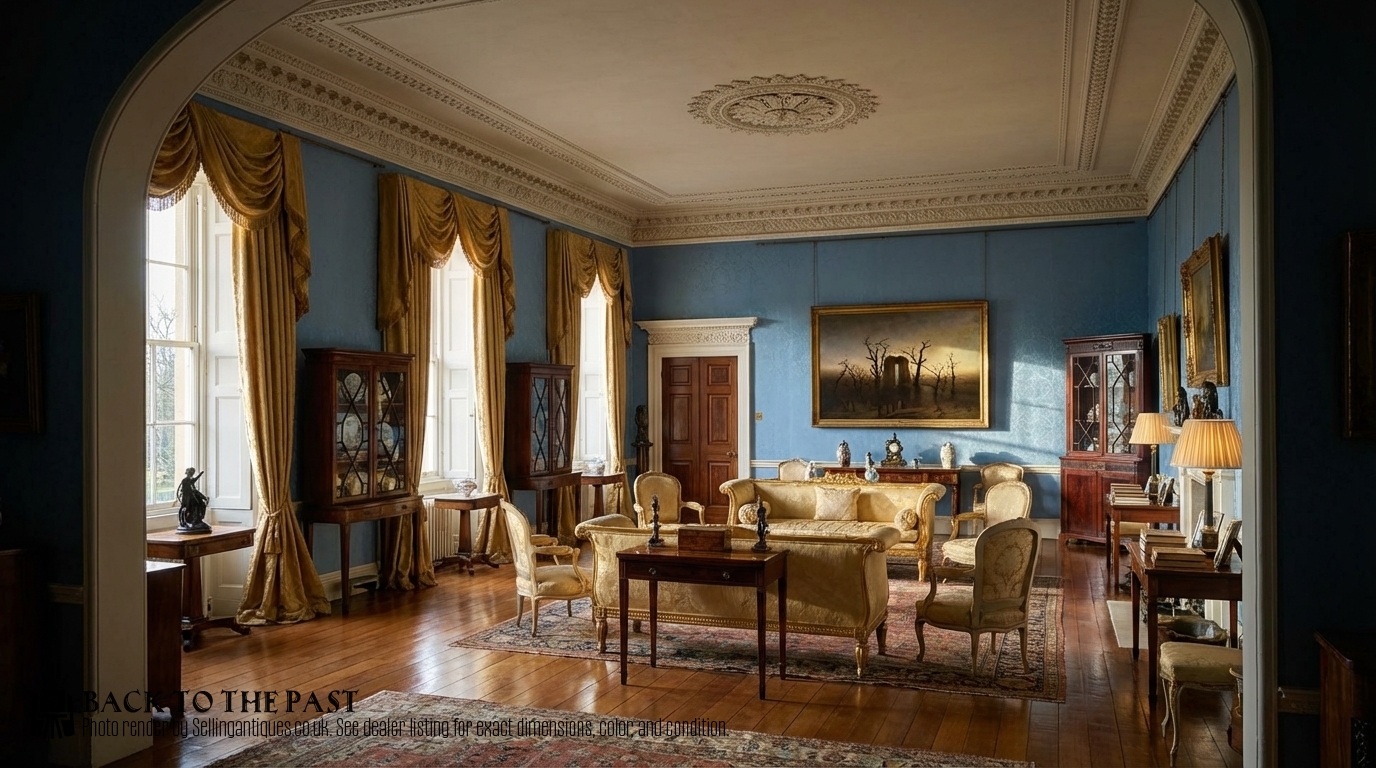
Standing Corner Display Unit
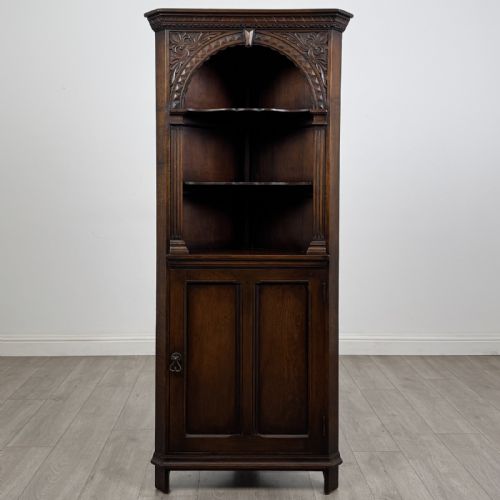
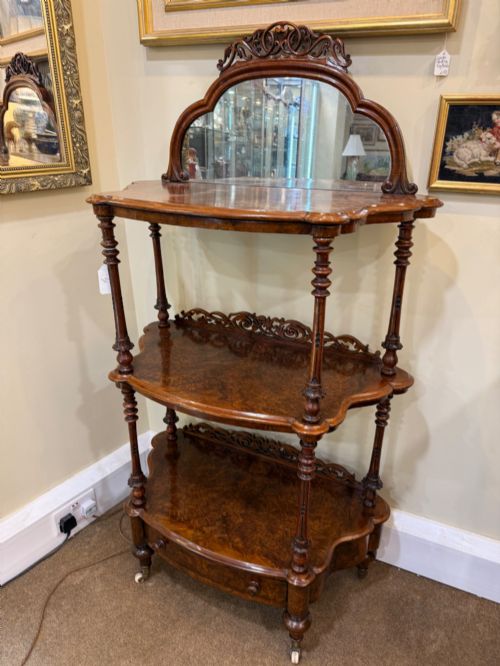
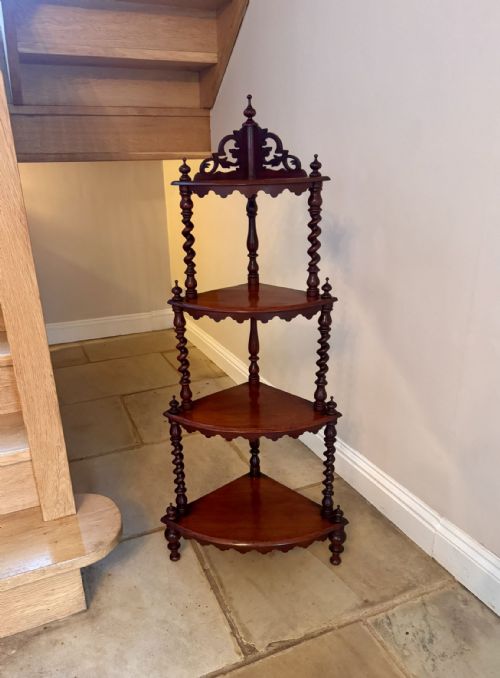
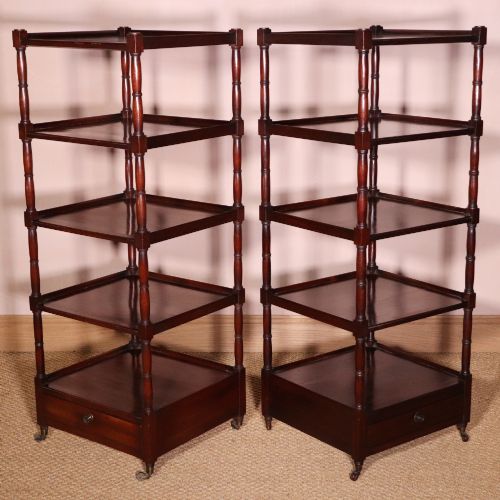
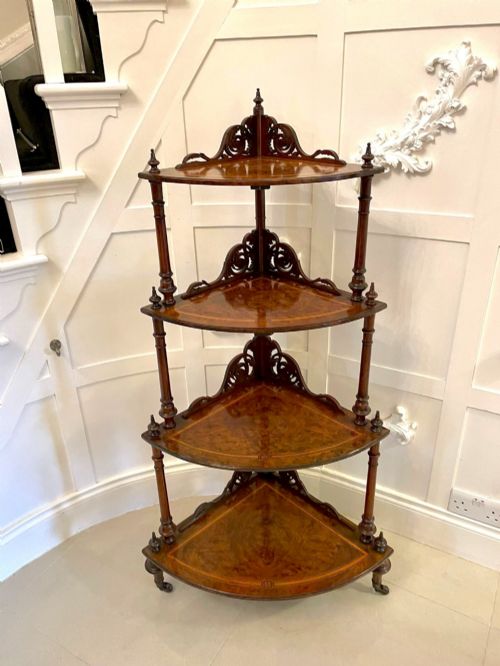
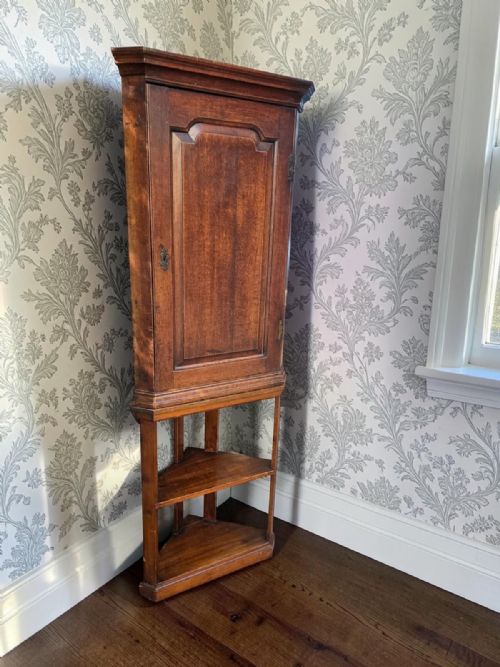
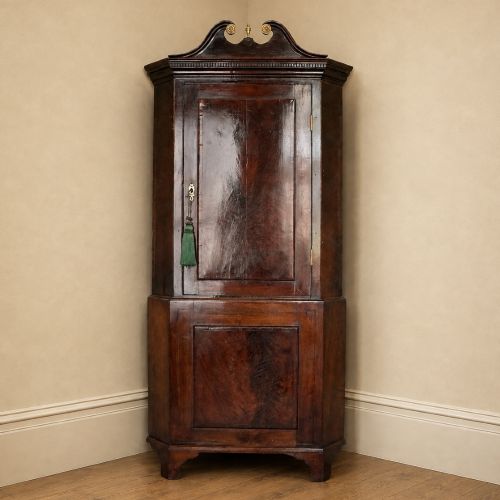
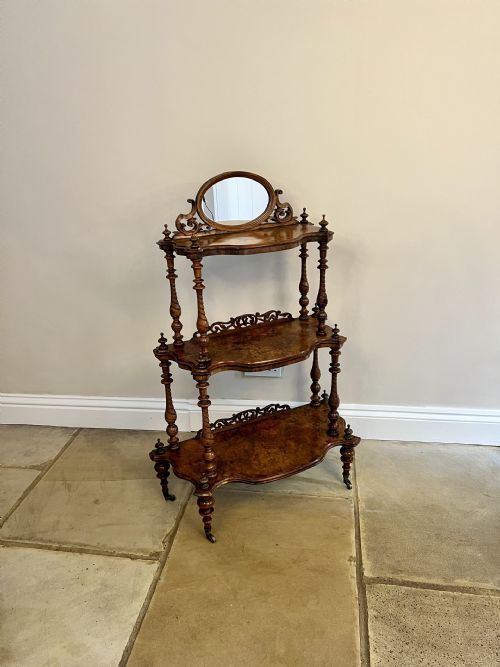
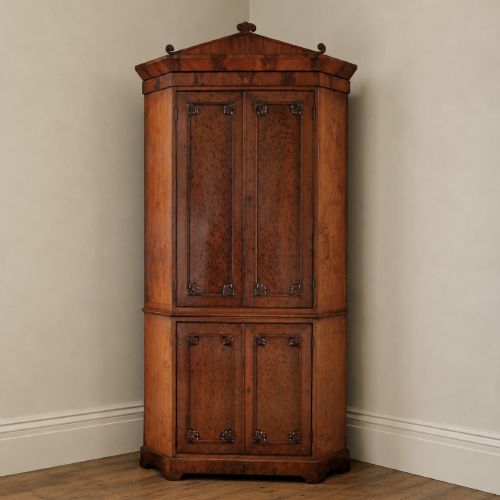
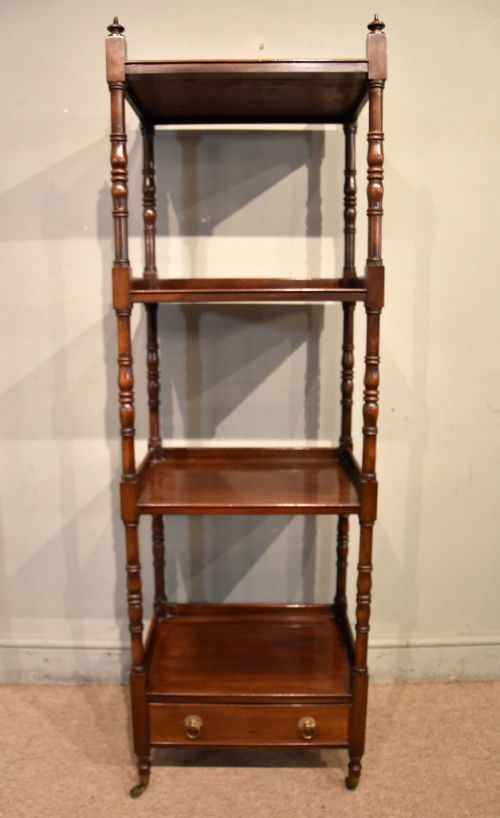
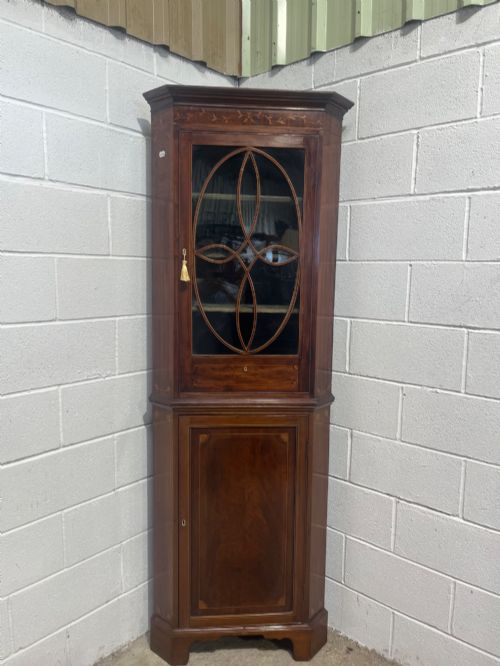
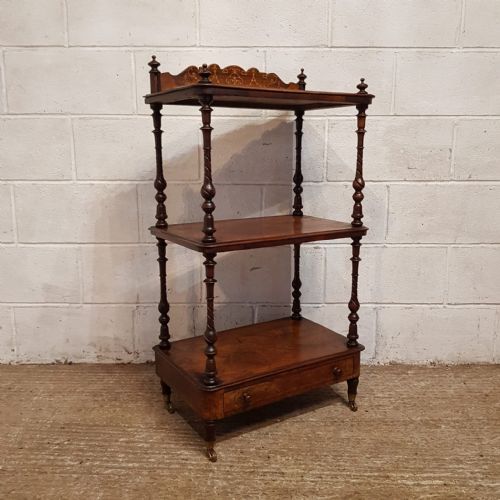
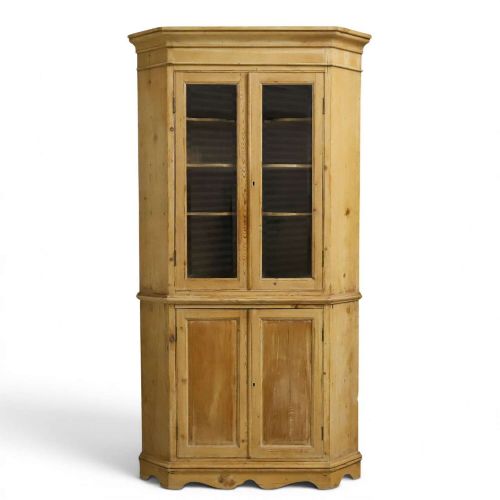
A standing corner display unit occupies the junctions of a room, taking the form of floor-standing cupboards, multi-tiered whatnots, and shelved cabinets designed to fit domestic angles. When searching for a standing corner display unit, buyers encounter pieces spanning from the eighteenth century through the Victorian and Edwardian eras into the twentieth century.
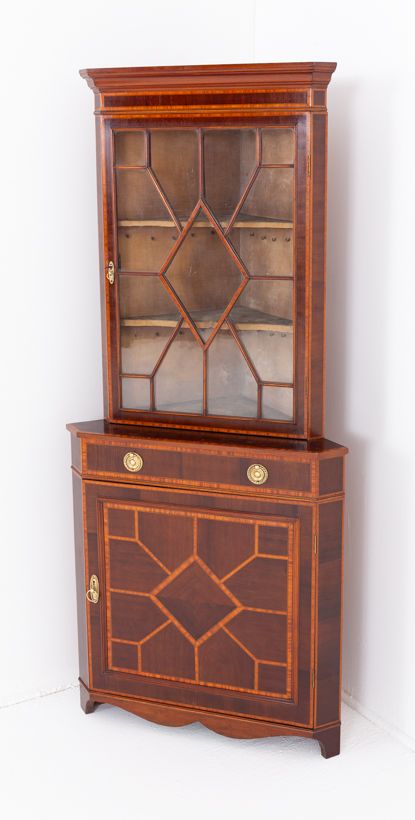
The materials span mahogany, burr walnut, oak, pine, and satinwood, often detailed with glass doors, brass mounts, or inlaid decoration. These tall configurations offer a way to exhibit objects or store belongings while utilising awkward architectural spaces.
Materials and construction
Cabinetmakers built these corner forms using timbers such as Cuban mahogany, burr walnut, oak, and pine, frequently applying decorative veneers or contrasting stringing. Grain selection dictated the visual weight of the piece, particularly on large cupboard doors and multiple tiers.
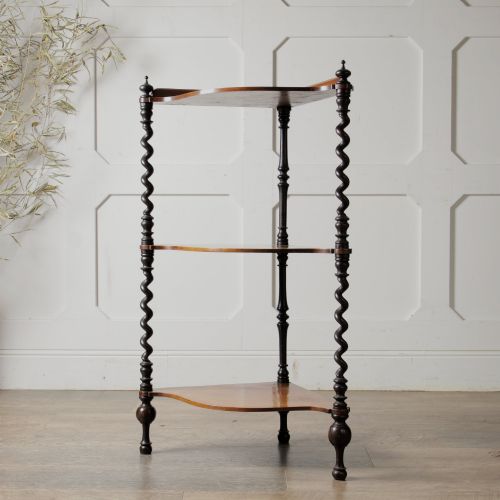
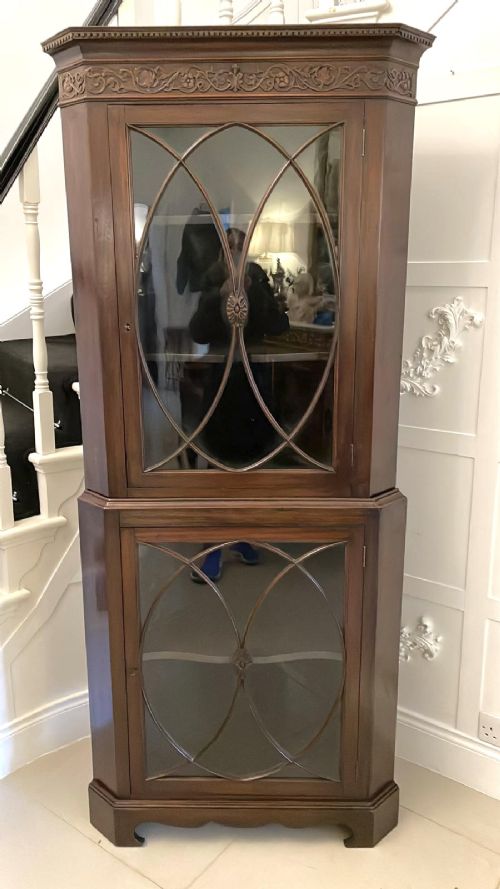
Joinery methods included solid carcases, two-part sectional builds for taller cupboards, and turned structural elements like barley twist columns. Glazing bars formed geometric patterns for glass doors, while brass hinges and key escutcheons secured the functional openings.
Standing Corner Display Unit Retail Price Guide 2026
Typical asking prices for standing corner display unit among the pieces listed under this phrase on Sellingantiques today, from the lower quarter to the upper quarter. They describe what is for sale here now, not the wider market.
Some Victorian whatnots reach six tiers high, creating miniature architectural towers designed entirely for displaying small porcelain ornaments.
Distinctions in standard
The ambition of the timber work and the complexity of the internal arrangement dictate the standing of a piece within its period. Figured veneers, such as plum pudding mahogany or burr walnut, separate standard utility cupboards from exhibition pieces.
Refinement in carving, inlaid marquetry details, and balanced proportions across multi-tier whatnots mark out the standard of the workshop that produced the furniture.
Edwards and Roberts
The Standing Corner Display Unit Glossary
- Astragal glazed
- A method of framing glass door panels with slender wooden moulding strips arranged in geometric grids.
- Whatnot
- An open shelving stand with multiple tiers supported on turned columns, used for holding decorative items.
- Burr walnut
- A prized wood veneer harvested from tree growths, yielding intricate swirling patterns across cabinet surfaces.
- Two-part form
- A sectional construction method where a tall cabinet separates into an upper and lower carcase for transport.
Standing Corner Display Unit: Frequently Asked Questions
Where should I place a standing corner display unit?
These units fit directly into interior ninety-degree wall junctions, making use of space that standard rectangular furniture leaves empty.
Their footprint keeps walkways clear while drawing the eye upward into the room's periphery.
What is the difference between a corner cupboard and a whatnot?
A corner cupboard encloses its contents behind panelled or glass doors, keeping dust away from stored tableware or books.
An open-tiered whatnot provides horizontal surfaces arranged for displaying decorative objects rather than concealed storage.
How do I identify a Victorian piece?
Victorian examples often employ dense timbers like mahogany and burr walnut, sometimes featuring barley twist supports or dark polish.
Construction from this era frequently incorporates heavier brass hardware and machine-sawn internal secondary woods.
Can I store heavy books in these units?
Enclosed floor-standing cupboards with fixed wooden shelves safely hold heavier volumes or dinner services.
Open multi-tiered whatnots suit lighter ornaments and smaller displays rather than heavy folio collections.