


Stained Glass Window
A stained glass window brings colour and historic light into a room through leaded glass and hand-painted details.
What these pieces are
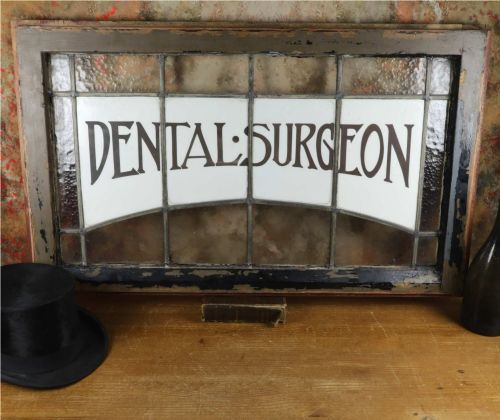
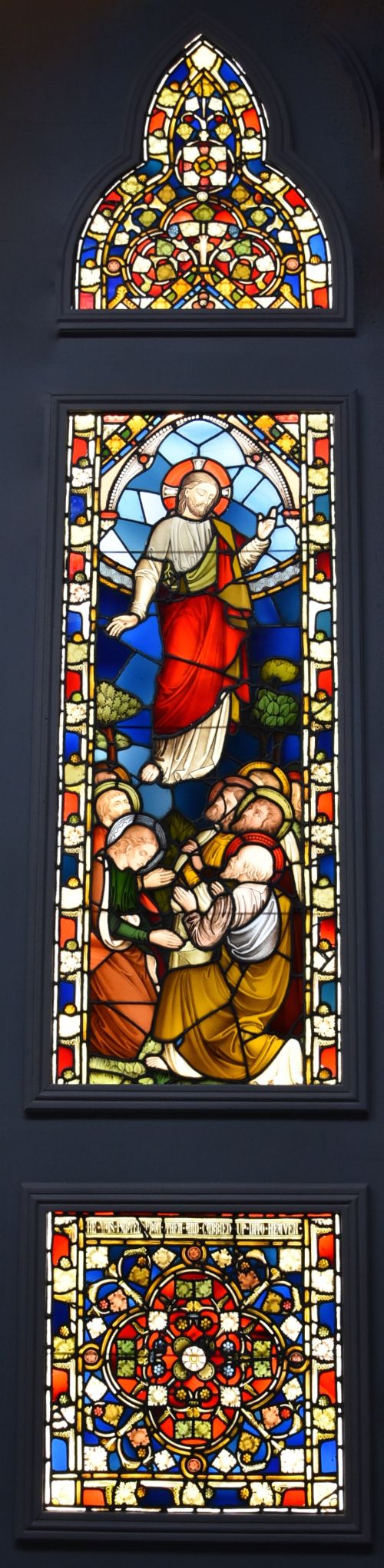
A stained glass window combines coloured glass segments held together by lead cames to form architectural panels and decorative scenes. These pieces originate from Victorian, Edwardian, and 1930s periods, appearing as single panels, double windows, or sets.
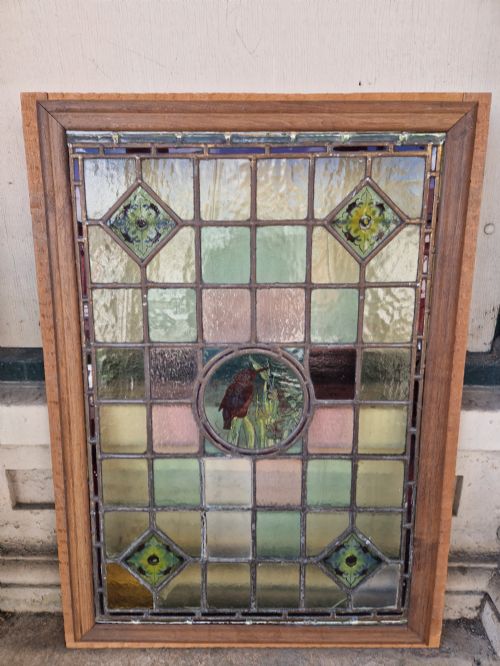
The designs range from geometric bullseyes and floral motifs to pictorial scenes depicting birds, ships, countryside views, and Dutch folk art. Many examples function as architectural salvage, retrieved from historic buildings and churches.
Buyers encounter circular formats, arched sunbursts, and rectangular sashes framed in wood, timber, or pine. Each panel captures the decorative tastes of its specific decade, from Victorian narrative subjects to Arts and Crafts simplicity.
How they were made
Artisans constructed each stained glass window by joining individual pieces of glass with flexible lead cames, soldering the joints to create a rigid matrix. Timber, pine, and wood frames often provide structural support for these heavy glass assemblies.
Makers applied enamel paint directly onto the glass surface to render fine details such as bird feathers, floral petals, and painted countryside scenes. Techniques like acid etching created tonal variation and texture on the glass before firing.
Retail Price Guide 2026
Typical UK retail prices for stained glass window, calculated from the Sellingantiques database of over a million retail prices indexed since 2003. This retail price guide relies exclusively on Sellingantiques data; no external sources or auction records are used, so the figures do not describe the wider market.
A cheerful Dutch boy and girl occasionally wave from behind the lead cames.
What varies in quality
The refinement of the hand-painted elements separates standard panels from exceptional works, particularly in figurative scenes depicting birds, ships, or historical subjects. Fine brushwork and detailed enamel painting indicate superior workshop production.
The complexity of the leaded composition and the integration of specialised glass, such as amber bullseyes, influence the visual depth of the window. Intricate geometric layouts and well-preserved timber frames reflect higher original manufacture.
Hardman and Co.
The Stained Glass Window Glossary
- Came
- A slender strip of lead with a grooved channel used to hold individual pieces of glass together in a window. These pliable strips are soldered at the intersections to form a sturdy lattice.
- Bullseye
- A circular boss or centrepiece in blown glass, often showing a concentric swirl where the glassblower's pontil rod was attached. They appear frequently in historic glazing to add texture and catch the light.
- Enamel paint
- A vitreous or pigmented paint applied to the glass surface and fired in a kiln to fuse permanently with the material. This technique allowed makers to depict fine lines on birds and floral scenes.
- Architectural salvage
- Building materials recovered from structures destined for demolition or alteration. These rescued elements preserve period craftsmanship for reuse in modern interiors.
- Sash window
- A window frame containing one or more movable panels or sashes that slide vertically or horizontally. Stained glass panels were frequently fitted into these timber frames.
Frequently Asked Questions
How do I hang a stained glass window?
Secure the wooden frame firmly using appropriate brackets attached to wall studs or window reveals. Ensure the weight rests primarily on the sill rather than the hanging fixings alone.
Position the panel where natural daylight can pass through the glass to reveal the painted details and colours.
Can these windows be glazed into exterior walls?
Many historic panels require secondary glazing or protective exterior glass layers to shield fragile leadwork and painted surfaces from weathering. Consulting an experienced glazier ensures the antique lead cames remain structurally supported against wind pressure.
Internal placement remains common for decorative panels to protect them from environmental decay.
How do I identify a Victorian panel?
Victorian examples often feature rich enamel-painted motifs including birds, floral arrangements, and narrative historical scenes. Acid etching and circular formats also characterise pieces from this period.
Stylistic cues align with Victorian Arts and Crafts design principles and heavier timber framing.
What maintenance do leaded windows need?
Clean the glass gently using mild, non-abrasive solutions and soft cloths to avoid disturbing fragile enamel paint. Inspect the lead cames periodically for stability.
Avoid pressing heavily on the glass panels during cleaning, as historical lead can soften over time.