




Staffordshire Ceramic Vessel
These staffordshire ceramic vessel pieces bring robust character and colour to any room, offering traditional pottery forms from past centuries.
Staffordshire Ceramic Vessel
When you search for a staffordshire ceramic vessel, you encounter a diverse range of earthenware and stoneware items spanning the Georgian, Regency, and Victorian eras. The selection on this page relies heavily on nineteenth-century pieces, showing how potters met domestic needs with practical and decorative forms.
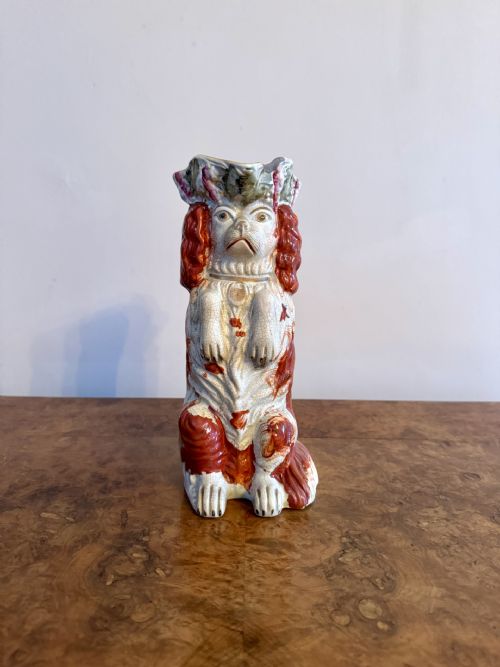
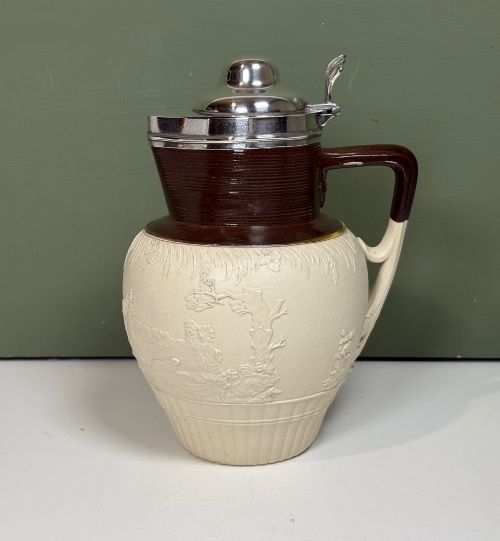
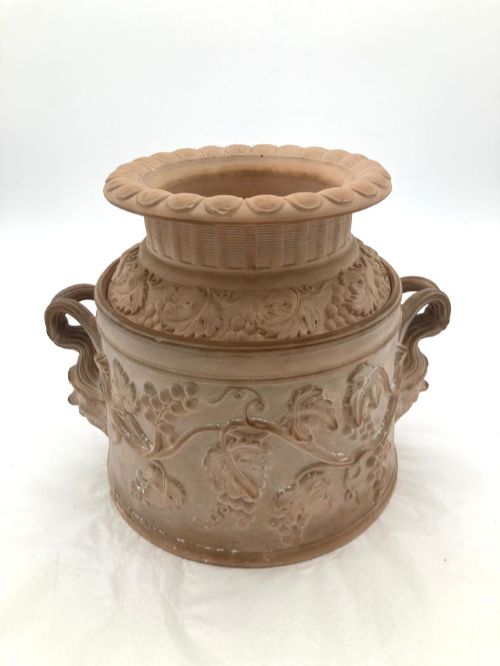
You meet various utilitarian and display objects throughout the listings, including jugs and pitchers, toby jugs, wine coolers, loving cups, footbaths, and tea caddies. Toby jugs depicting figures such as spaniels and squires appear frequently, alongside pearlware and ironstone vessels.
The origins stretch across English potteries, with specific pieces attributed to regional workshops and makers active during the nineteenth century. These vessels range from simple creamware tankards to hand-painted pearlware and transfer-printed household items.
How they were made
Potters shaped these vessels using earthenware, pearlware, terracotta, and ironstone, applying glazes and enamel colours to create patterned or painted surfaces. Transfer printing allowed makers to produce intricate blue and white designs on footbaths and jugs with consistent detail.
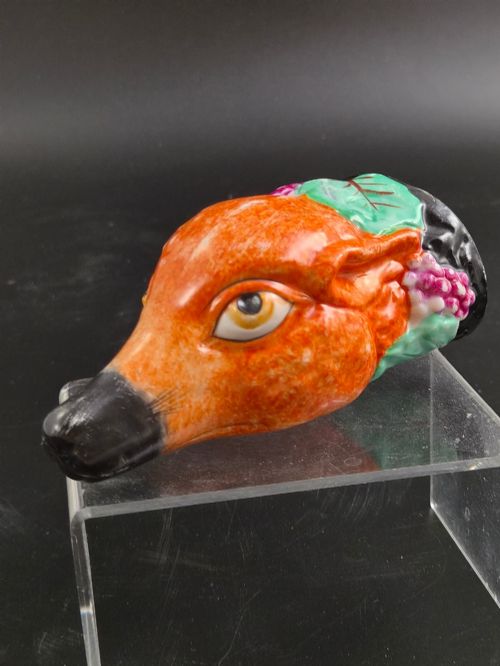
Moulds formed the complex shapes of figural toby jugs, cow creamers, and satyr wine cups, which workers then hand-painted with coloured enamels before firing. Glazing protected the porous ceramic bodies and provided the glossy finishes seen on nineteenth-century examples.
Staffordshire Ceramic Vessel Retail Price Guide 2026
Typical asking prices for staffordshire ceramic vessel among the pieces listed under this phrase on Sellingantiques today, from the lower quarter to the upper quarter. They describe what is for sale here now, not the wider market.
Listings feature eighteenth and nineteenth-century periods, utilising earthenware, pearlware, terracotta, and ironstone materials across various vessel forms.
What varies in quality
The clarity of the transfer print or the precision of the hand-painted enamel work distinguishes standard production items from finer specimens. Early pearlware bodies and well-modelled figural details show greater artistic effort by the potter.
The crispness of the moulding in figural pieces like toby jugs and cow creamers indicates the condition of the original moulds used in the workshop. Pieces with rich glaze coverage and balanced proportions represent the better end of nineteenth-century pottery output.
Turner·Davenport·Royal Staffordshire·Heathcote·Prattware
The Staffordshire Ceramic Vessel Glossary
- Pearlware
- A refined earthenware developed in the eighteenth century featuring a subtle blue-tinted glaze over a whitish body. It paved the way for more durable nineteenth-century ceramics.
- Creamware
- A fine earthenware with a warm yellowish cream-coloured glaze, widely produced during the Georgian period for domestic tableware.
- Toby jug
- A pottery jug shaped as a full-seated person, typically a stout figure holding a mug and jug of beer, popular in British pubs and homes.
- Ironstone
- A heavy, durable type of ceramic patented in the nineteenth century to imitate porcelain while offering greater strength for daily use.
- Transfer printing
- A method of decorating ceramics by applying an inked design from a copper plate onto paper, then transferring it onto the unglazed or glazed clay body before firing.
Staffordshire Ceramic Vessel: Frequently Asked Questions
What is a staffordshire ceramic vessel?
A staffordshire ceramic vessel encompasses utilitarian and decorative pottery items made in the Staffordshire potteries and surrounding regions during the Georgian, Regency, and Victorian periods. These range from heavy ironstone puzzle jugs to pearlware tea caddies and figural toby jugs.
Collectors prize them for their historical charm and the variety of traditional glazing and painting techniques employed by nineteenth-century workers.
How do I date a staffordshire ceramic vessel?
Dating relies on identifying the ceramic body, such as creamware for Georgian pieces or pearlware and ironstone for nineteenth-century examples. Stylistic clues like transfer-printed patterns and moulded figural designs also help narrow down the decade of production.
Comparison with documented pieces from makers active in the eighteenth and nineteenth centuries provides a reliable timeframe for each item.
Were these vessels used daily?
Many of these pieces served practical functions in nineteenth-century homes, from holding water and wine to storing tea and serving milk from cow creamers. Footbaths and large jugs fulfilled domestic washing and hospitality needs before indoor plumbing became widespread.
Over time, decorative items like figural toby jugs transitioned from tavern settings to display cabinets in Victorian parlours.
How should I care for old pottery?
Display these ceramics away from direct sunlight and areas subject to sudden temperature changes to protect the glaze and enamel paint. Gentle dusting with a soft, dry cloth is usually sufficient for routine maintenance.
Avoid submerging antique earthenware in water for extended periods, especially if the body has historical hairline cracks or crazing in the glaze.