



Staffordshire Ceramic Plates
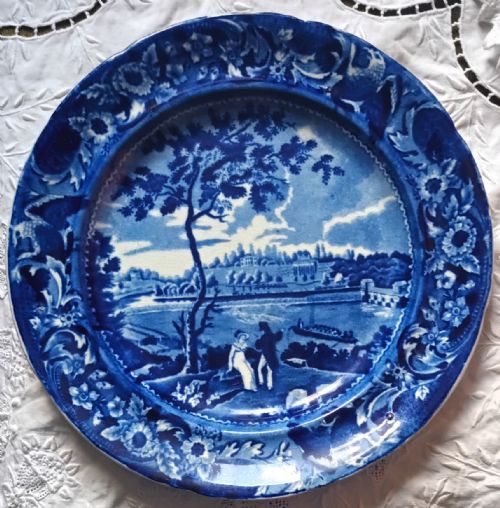
Staffordshire ceramic plates are substantial earthenware, pearlware, and ironstone vessels carrying vivid transfer-printed landscapes, topographical scenes, and patterns that anchor a historic tablescape.
Staffordshire Ceramic Plates
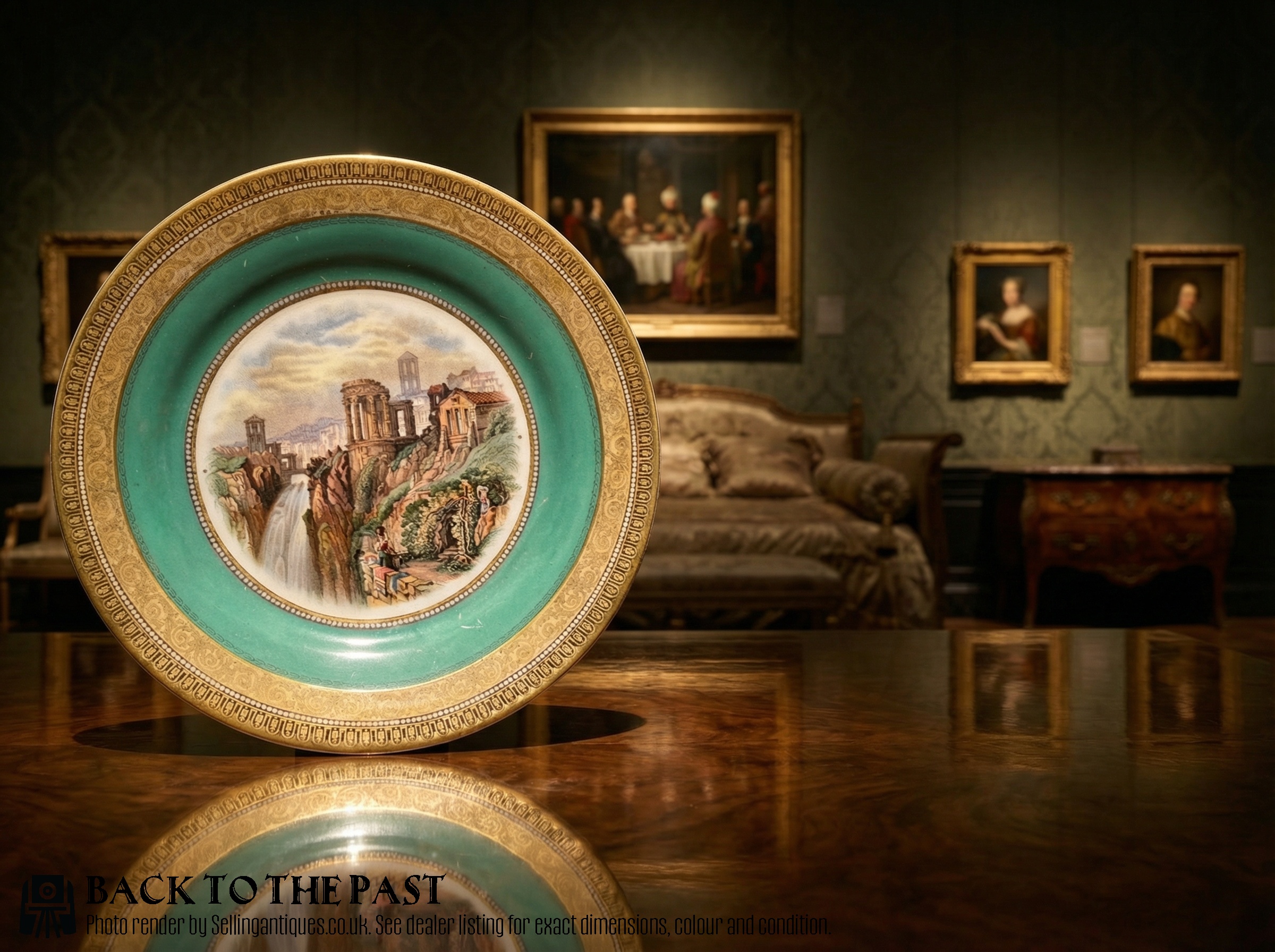
When buyers search for staffordshire ceramic plates, they encounter a range of forms spanning large meat platters, deep soup bowls, chargers, and decorative dining plates. These pieces originate primarily across the nineteenth century, encompassing Georgian, Regency, and Victorian periods.
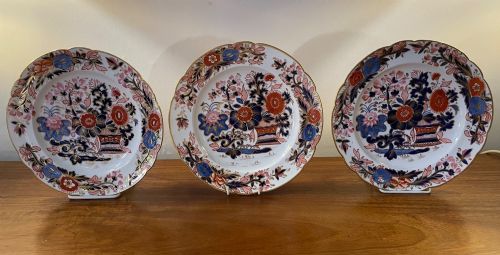
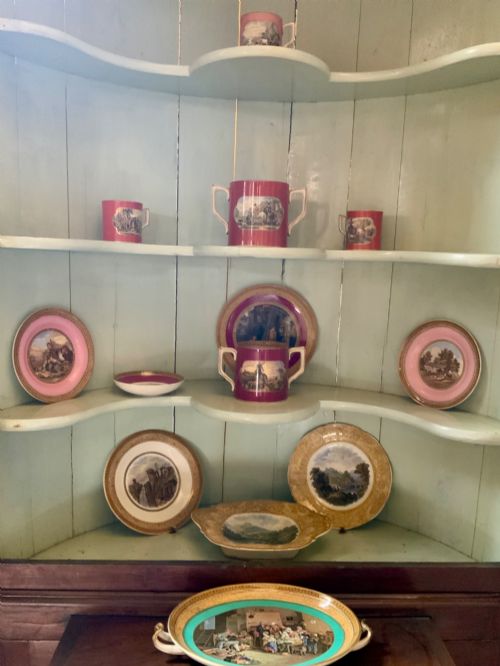
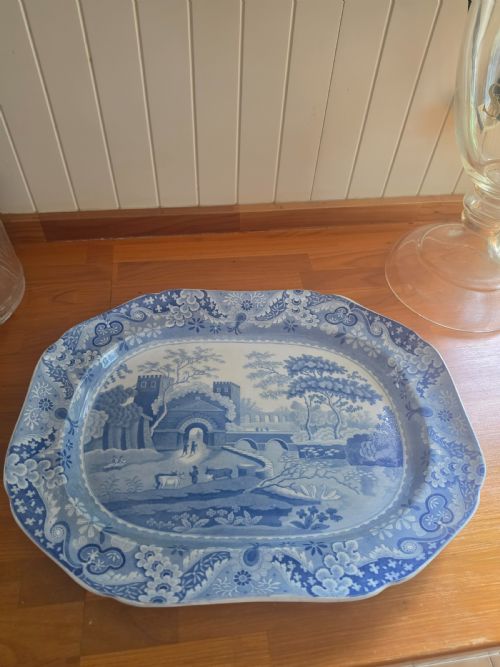
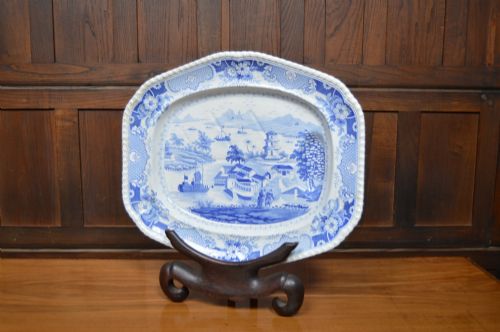
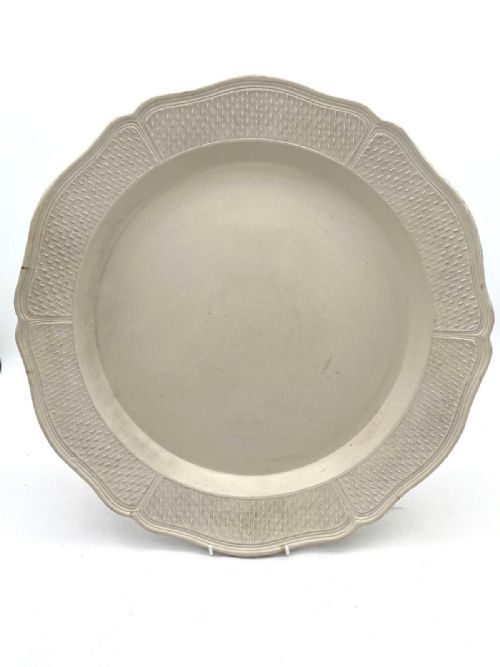
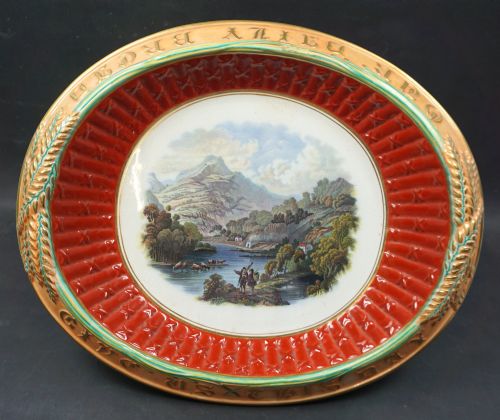
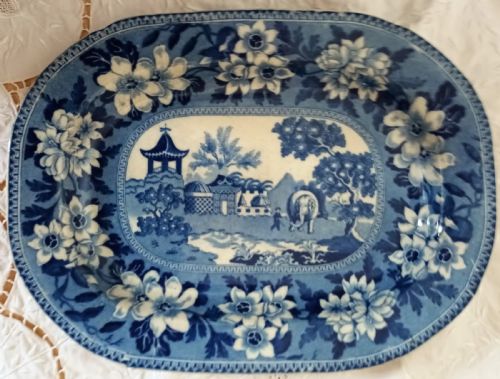
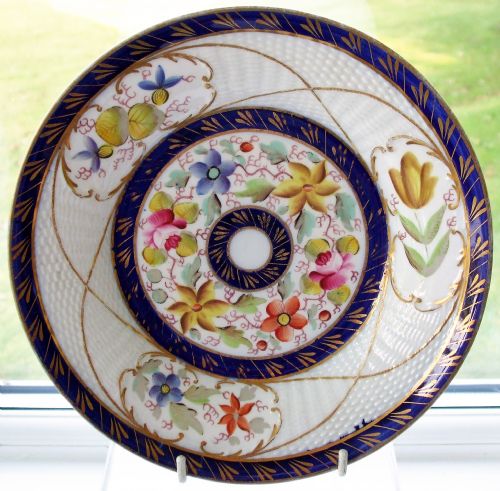
The inventory on this page relies heavily on blue and white transferware depicting scenic views, architectural landmarks, and exotic patterns. Alongside these transfer-printed designs, examples feature hand-painted palettes, Imari styles, and salt-glazed finishes.
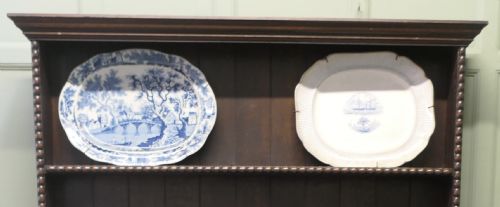
Serving platters and large chargers dominate the larger formats, whilst standard dining plates and sets of soup bowls provide the utilitarian counterparts. The selection bridges formal dining service items and decorative ceramic wall pieces.
How they were made
Potters shaped earthenware, pearlware, ironstone, and porcelain bodies before applying intricate transfer prints or hand-painted enamels. The transfer-printing technique allowed makers to press detailed copperplate engravings onto paper and transfer the blue ink directly onto the ceramic surface.
Fired in kilns, these wares received transparent glazes that sealed the body and enriched the cobalt blues or polychrome pigments. Artisans occasionally finished specific elements with gold leaf or hand-applied washes over the primary transfer print.
Plates capture specific historical moments, recording events like the Crimean War alongside depictions of distant temples and local rivers.
What varies in quality
Quality rests in the crispness of the transfer print and the clarity of the underlying white earthenware or pearlware body. Finer examples exhibit sharp, deep cobalt impressions without smudging, blurring, or excessive kiln-skewing.
The sophistication of the hand-painting, the weight and density of the ironstone or porcelain body, and the complexity of the border patterns elevate certain plates above standard utility wares.
John Rogers and Son·Stubbs·John Ridgway·Booths·Minton·Charlotte Rhead·Elkin and Newbon·William Adams
The Staffordshire Ceramic Plates Glossary
- Transferware
- Earthenware decorated by applying a printed paper pattern from an engraved copper plate onto the ceramic surface before glazing. This method enabled mass production of detailed pictorial scenes.
- Pearlware
- A refined earthenware developed by Josiah Wedgwood featuring a faint bluish-white glaze that pooled in crevices. It bridged the gap between creamware and later white ironstone.
- Ironstone
- A durable, heavy ceramic patented for its strength and resilience against chipping. It served as a robust material for nineteenth-century meat platters and large dinner services.
- Charger
- A large decorative or serving plate exceeding standard dining dimensions. These pieces often hung on walls or anchored large buffet tables.
- Imari palette
- A decorative scheme employing cobalt blue, iron red, and gilt highlights inspired by Japanese export porcelain. Staffordshire potters frequently adapted these vibrant patterns onto earthenware.
Staffordshire Ceramic Plates: Frequently Asked Questions
How do I date staffordshire ceramic plates?
Dating relies on identifying the ceramic body, such as pearlware versus later ironstone, alongside the style of the transfer print and factory backstamps. Georgian and early nineteenth-century pieces typically show lighter earthenware bodies and softer blue tones.
Later Victorian issues introduce denser ironstone fabrics and sharper, darker transfer prints. Maker marks and pattern names stamped into the underside provide precise chronological anchors.
Were these plates used for daily dining?
Many of these items functioned as practical tableware, including meat platters, soup bowls, and standard dining plates meant for everyday household service. Large platters accommodated substantial joints of meat on nineteenth-century dining tables.
Larger chargers and decorative plates were frequently displayed on sideboards or hung in dining rooms. The durability of ironstone made them particularly suited to heavy domestic use.
What is the difference between earthenware and ironstone?
Earthenware is a porous, lower-fired ceramic body that requires a complete glaze seal and forms the base of early nineteenth-century pearlware. It offers a lighter weight and softer appearance.
Ironstone is a heavily vitrified, dense ceramic patented to withstand rigorous kitchen use. It resists chipping far better than standard earthenware and yields a heavier, more resonant plate.
Can I use antique plates for serving food?
Most antique plates remain structurally sound for serving dry foods, though historic glazes on early earthenware can absorb liquids over prolonged periods. Hand washing is essential to preserve the nineteenth-century glazes and prevent surface crazing.
Harsh modern detergents and dishwashers will damage the delicate transfer prints and underlying ceramic bodies. Collectors generally limit use to decorative display or gentle service.