




19th Century Prattware
These 19th century prattware pieces are colourful earthenware vessels and figures that bring bold glazes and characterful folk art into a room.
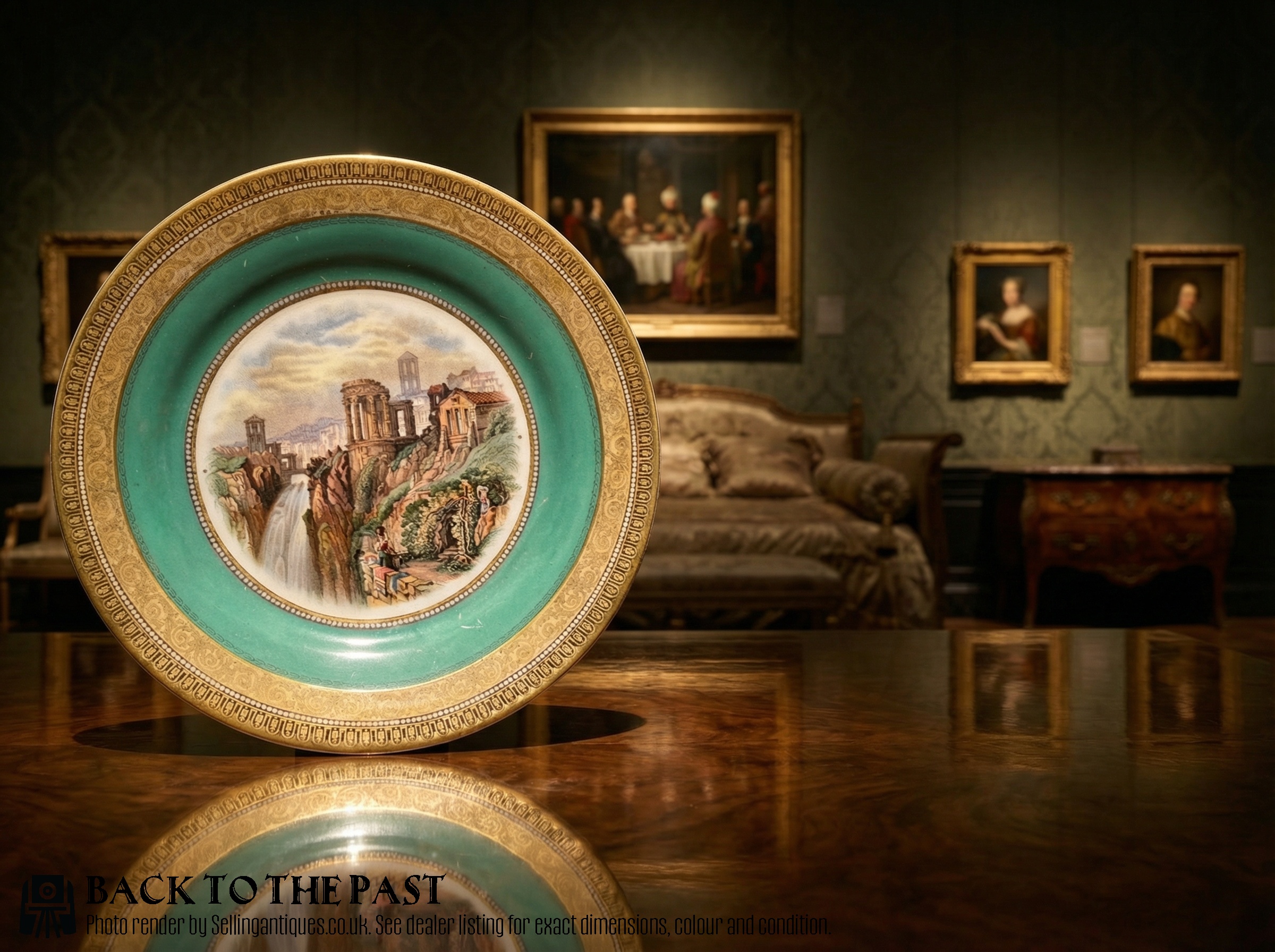
19th Century Prattware
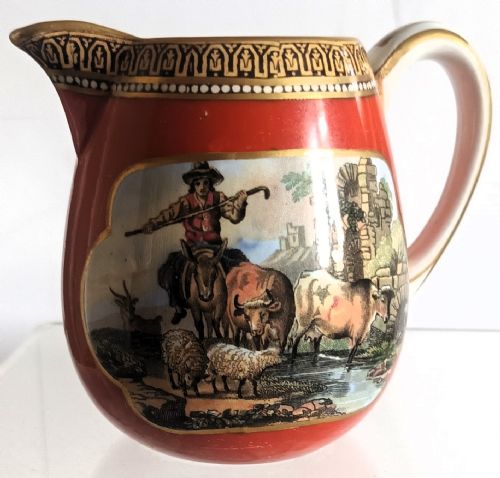
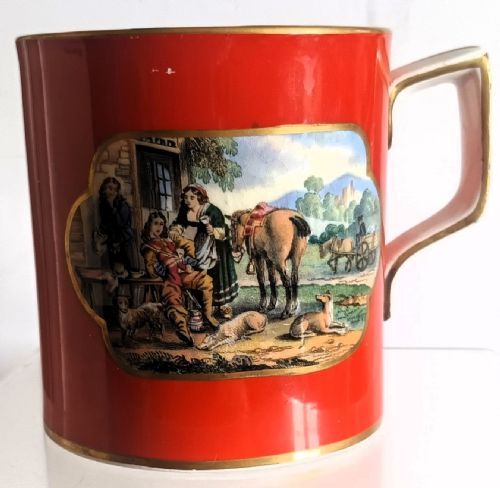
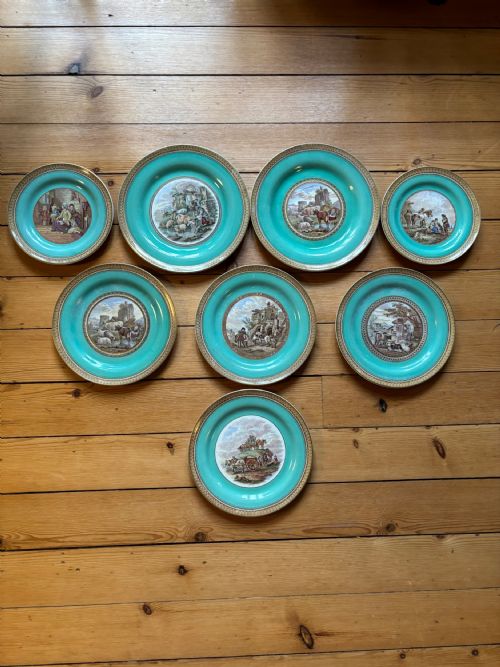
When you search for 19th century prattware, you are looking at earthenware ceramic items produced across the Georgian, Regency and Victorian eras, including jugs, mugs, figures and decorative jars. The selection here leans towards utilitarian and decorative domestic objects such as creamers, pepper pots, plates and transfer printed mugs.
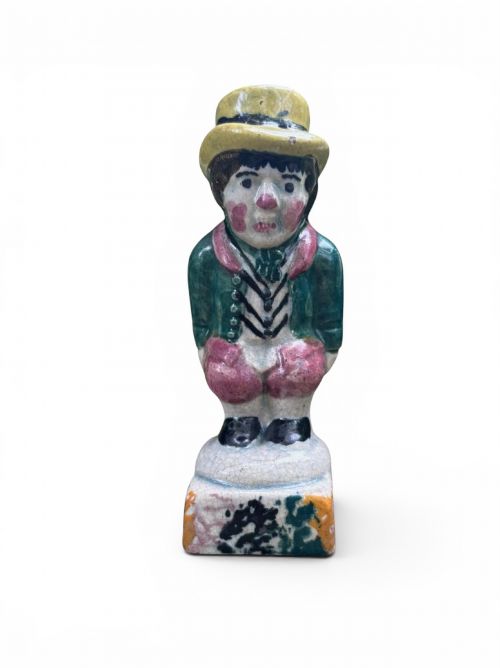
You will most commonly encounter earthenwares and pearlwares decorated with distinct ceramic glazes, often capturing subjects ranging from cottage models and animal figures to literary scenes like The Blind Fiddler and cricket memorabilia. These pieces reflect English folk art traditions of the nineteenth century through lively modelling and distinct regional pottery styles.
The objects vary from small commemorative items and half pint mugs to larger jugs and pairs of pate jars dated to the mid-nineteenth century. Each piece carries the characteristic palette and surface finish associated with nineteenth century production methods.
Materials and construction
Makers shaped these items from earthenware and pearlware bodies, employing ceramic glaze to seal the clay and provide a smooth surface for painting or transfer printing. The use of terracotta forms the base for specific figures and vessels before the application of coloured glazes.
Decoration often involved underglaze colours combined with transfer printing techniques, allowing workshops to produce detailed scenes such as plaques and commemorative jugs efficiently. Occasional gilt highlights and gold leaf add subtle contrast to the finished ceramic body.
The listings here span the nineteenth century, covering Georgian, Regency and Victorian periods through earthenwares, pearlwares and transfer printed ceramics.
Judging quality
The clarity of transfer printed scenes and the harmonious distribution of colours across the glaze separate standard domestic wares from more ambitious commemorative pieces. Strong preservation of the original surface finish and minimal disruption to the glaze determine the desirability of each piece.
Mexborough·Clarke Philch and Box·Sir David Wilkie
The 19th Century Prattware Glossary
- Prattware
- A type of nineteenth century English earthenware known for its multi-coloured underglaze decoration. It encompasses figures, jugs and plaques produced by various potteries.
- Pearlware
- A refined earthenware developed in the late eighteenth century featuring a subtle bluish tinge in the glaze. It served as a smooth canvas for the colourful decoration seen on many nineteenth century pieces.
- Transfer printing
- A method of applying a detailed design to ceramic surfaces by pressing paper from an engraved copper plate onto the bisque body. This technique allowed for consistent pictorial scenes on mugs and jugs.
- Earthenware
- A porous pottery body fired at lower temperatures than stoneware or porcelain. It requires a glaze to become waterproof and forms the structural basis of most items in this category.
- Pate jar
- A small ceramic container originally used for holding pastes or preserves. Surviving examples often feature moulded decoration and date markings from the mid-nineteenth century.
19th Century Prattware: Frequently Asked Questions
What is prattware?
Prattware is a distinct type of nineteenth century English pottery decorated with characteristic underglaze colours, typically blues, ochres, browns and greens.
It includes a wide variety of domestic and decorative objects such as jugs, mugs, plaques and figures produced across the Georgian and Victorian periods.
How were these pieces used?
Many items served practical daily functions in the home as creamers, pepper pots, mugs and jugs for serving liquids at the table.
Other pieces, such as pottery cottages, plaques and decorative figures, were intended purely for display on mantelpieces and shelves.
How do I date a piece?
Dating relies on stylistic markers, manufacturing techniques, and occasional specific date marks or inscriptions recorded on the objects.
Changes in body composition, from early pearlware to later Victorian earthenware, help narrow down the period of production.
How do I clean them?
These ceramic items require gentle maintenance using warm water and a mild detergent applied with a soft cloth.
Avoid harsh abrasives or soaking, as nineteenth century glazes and any supplementary gilding can be sensitive to aggressive cleaning.