




Vintage Earthenware Decor
Vintage earthenware decor brings warmth and rich texture to a room, offering tactile pieces shaped from clay across centuries.
Vintage Earthenware Decor
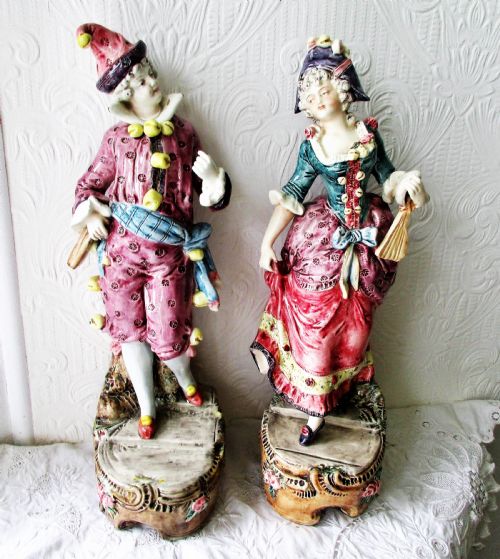
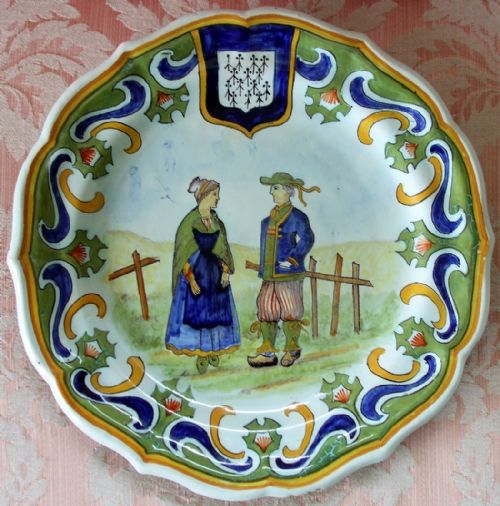
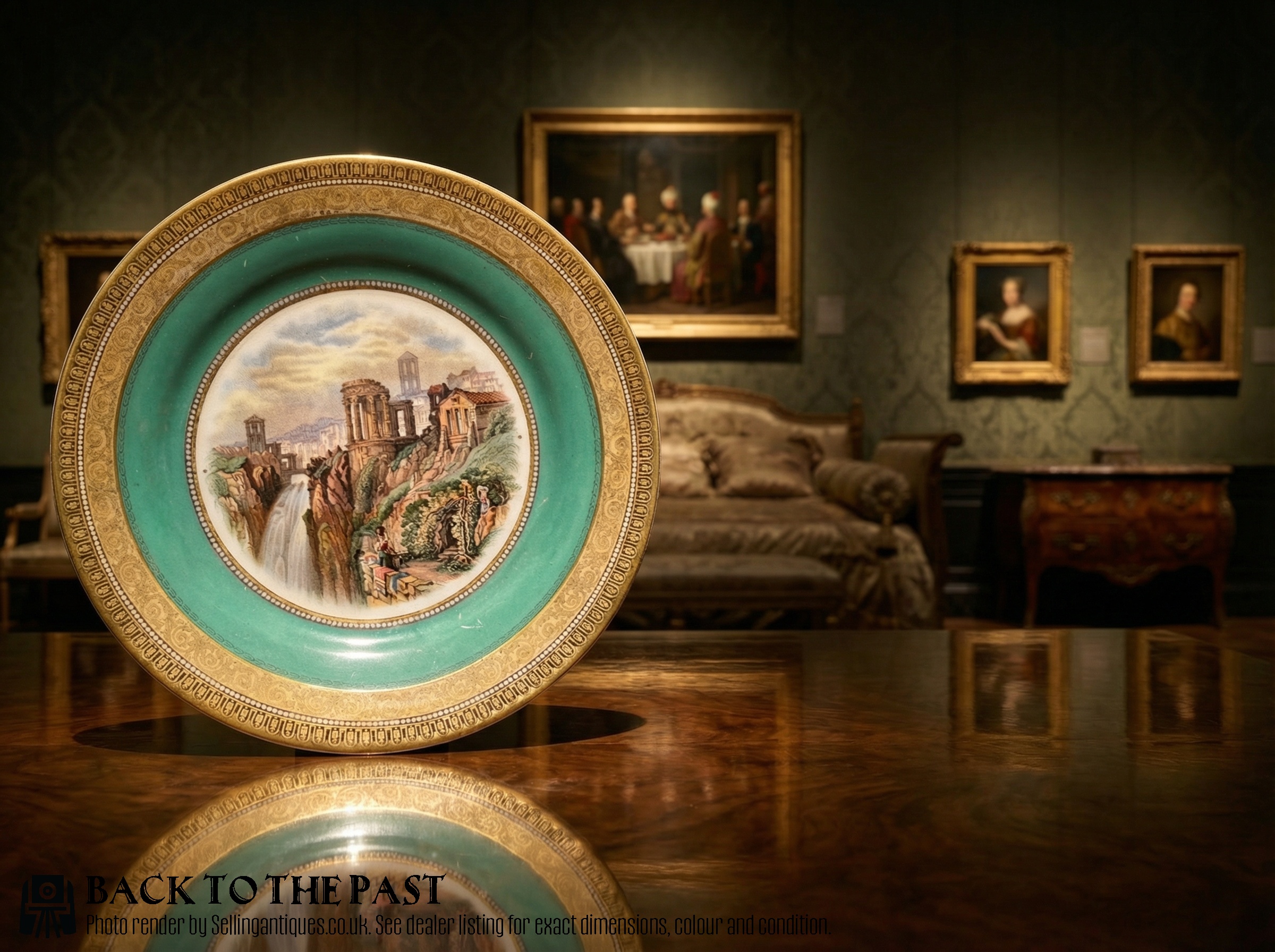
Vintage earthenware decor encompasses a varied selection of ceramic objects designed for display, ranging from decorative plates and chargers to figurative sculptures, bookends, and inkwells. When searching for vintage earthenware decor, buyers encounter domestic and continental pieces spanning from the mid-eighteenth century through the mid-twentieth century.
Vessels and ornaments form the core of the offerings, with specialised items like Japanese Satsuma vases and Italian ceramic tiles by Gio Ponti expanding the scope beyond traditional tableware and figures. Each object displays the characteristic porosity and heavy body typical of fired clay decorated with glazes or enamels.
Materials and production methods
The pieces rely on porous clay bodies shaped by hand or pressed into moulds, as seen in the nineteenth century jelly moulds and sculptural figures. Once formed, the clay undergoes firing to create a durable substrate ready to receive surface decoration.
Glazes and enamels provide the protective and decorative surfaces, utilising tin-glaze techniques in faience production or sancai lead glazes in Tang Dynasty style pottery. Some works incorporate hand-painted enamel details over the fired glaze to build intricate pictorial scenes and floral motifs.
Listings feature earthenware objects from the 1750s through the 1950s, utilising tin-glaze, sancai glaze, and enamel techniques across multiple forms.
Distinctions in quality
Quality rests upon the crispness of the modelled form and the control evident in the application of glaze or enamel. Superior examples exhibit sharply defined details in figures, moulds, and tiles, whereas lesser pieces suffer from blurred outlines and muddy pigment application.
The reputation of the maker or workshop influences distinction, with signed works by known entities such as Wedgwood, Hakusan, or Gio Ponti demonstrating superior design execution. Preservation of the original glazed surface without extensive restoration elevates the standing of an item within its period.
Hakusan·Wedgwood·Gio Ponti·Richard Ginori
The Vintage Earthenware Decor Glossary
- Earthenware
- A type of pottery made from clay that is fired at relatively low temperatures and remains porous unless sealed by glaze. It forms the primary material basis for the majority of decorative plates, figurines, and moulds on this page.
- Faience
- Tin-glazed earthenware originating in Europe, historically associated with French and Italian production centres. This technique provides a smooth white opaque background suitable for painted enamel decoration.
- Charger
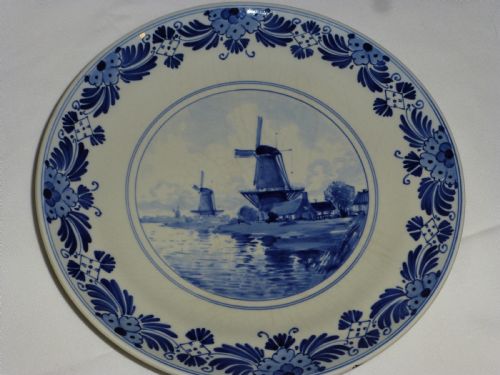
- A large decorative plate intended for display rather than for serving food. Chargers often feature elaborate hand-painted scenes or Delft blue and white designs.
- Sancai
- A three-colour glaze tradition originating in China, characterised by amber, green, and cream-white tones that run and merge during firing. It appears here on Tang Dynasty style pottery statues.
- Jelly mould
- A rigid culinary vessel shaped on the interior to impart a decorative design to jellies or aspics upon unravelling. Nineteenth-century examples in earthenware frequently double as kitchen display items.
Vintage Earthenware Decor: Frequently Asked Questions
How do I clean antique earthenware?
Dust the surface gently with a soft, dry brush to remove particulate matter without disturbing fragile glazes.
Avoid submerging porous pieces in water, particularly those with historical repairs or unglazed areas, as moisture can penetrate the clay body.
Are these ceramic items waterproof?
Many earthenware pieces feature interior glazes that hold water adequately for short periods, but older porous bodies can seep moisture.
Utilise a discreet glass or plastic liner inside antique vases and vessels if you intend to display fresh cut flowers.
How can I date a piece of faience?
Examine the base and glaze characteristics for manufacturing clues, comparing the palette and tin-glaze opacity to known historical periods.
Maker marks, impressed registry numbers, and stylistic markers such as Edwardian or 1930s motifs help narrow the timeline.
Where should I display decorative plates?
Support heavy plates and chargers using stable wall brackets or dedicated plate stands designed for secure weight distribution.
Keep earthenware away from direct, prolonged sunlight to prevent fading in hand-painted enamels and surface pigments.