


Staffordshire Ceramic Pair
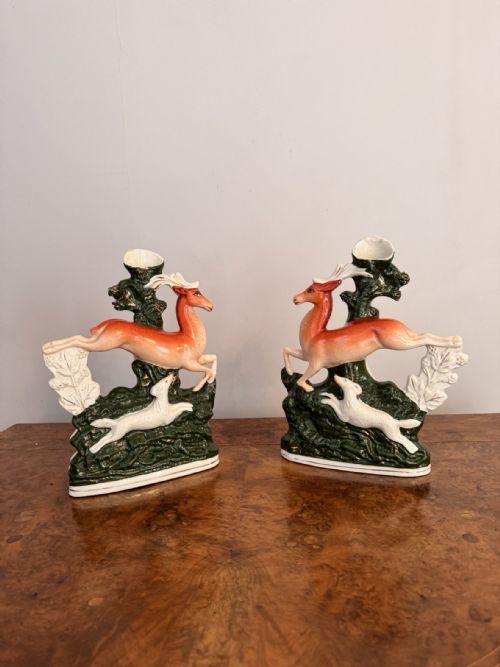
A Staffordshire ceramic pair brings the character of the nineteenth-century mantelpiece directly into a room, offering matched figures modelled for symmetry.
Staffordshire Ceramic Pair
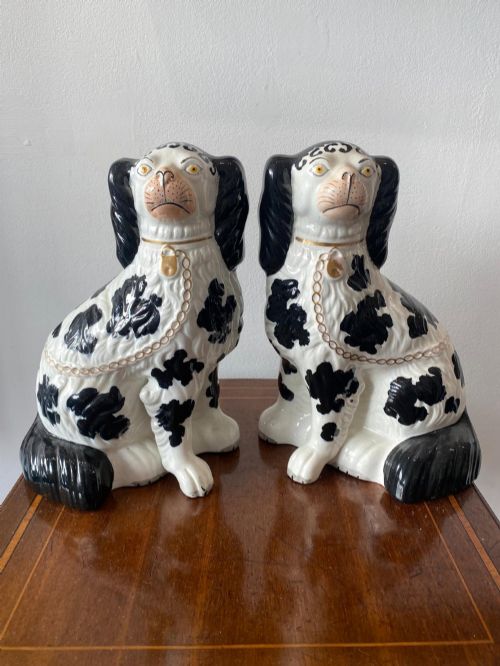
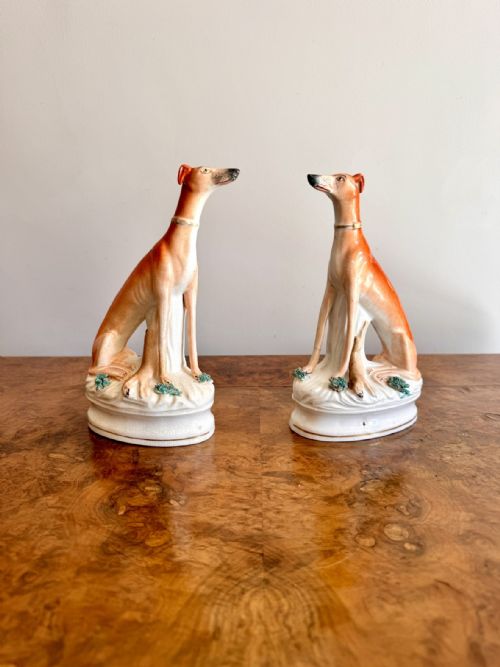
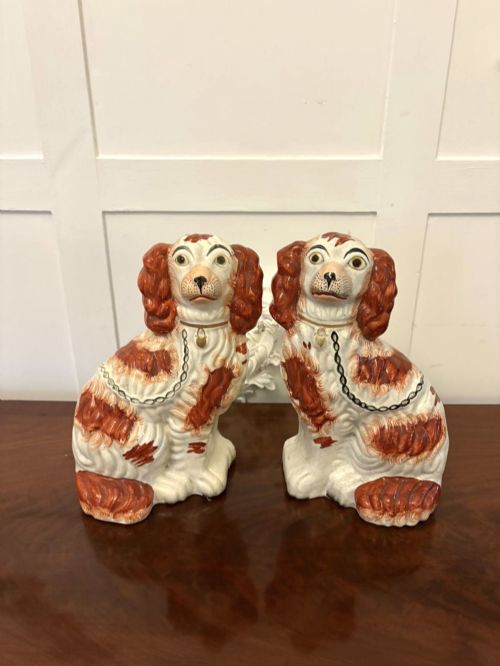
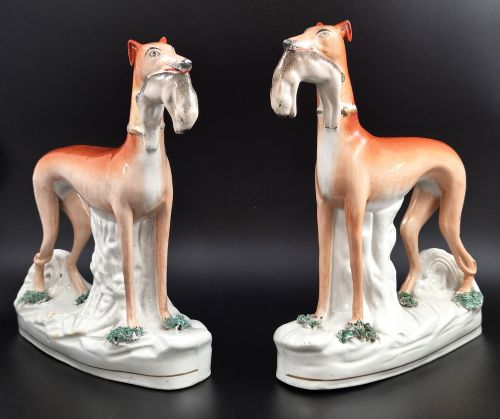
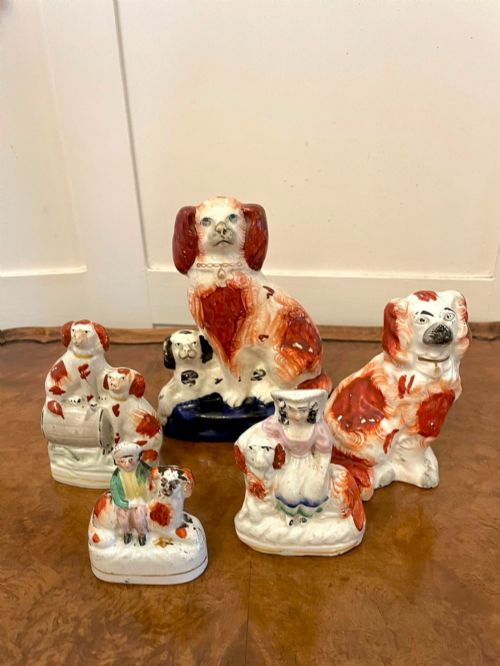
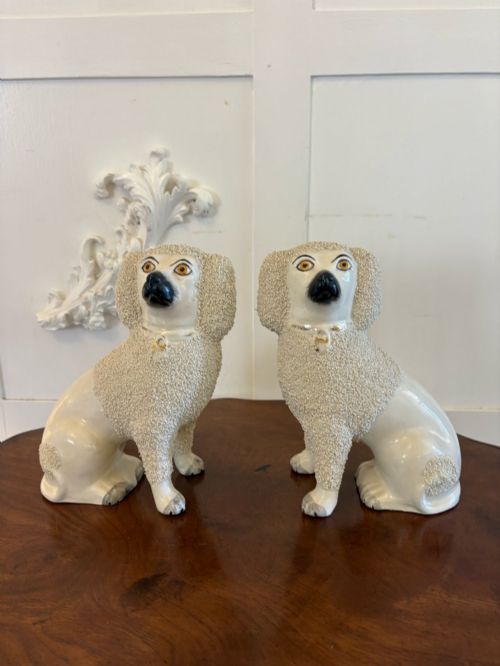
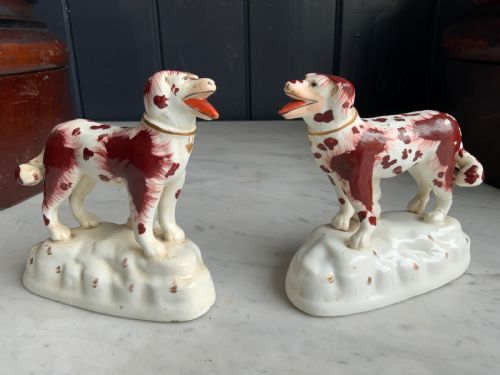
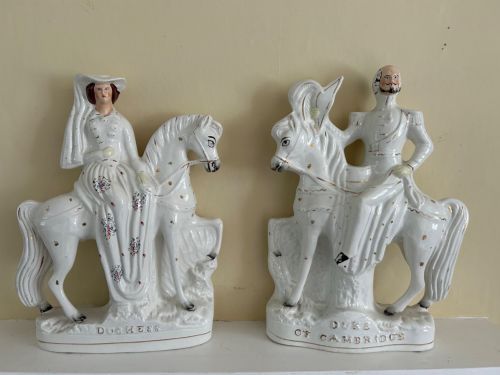
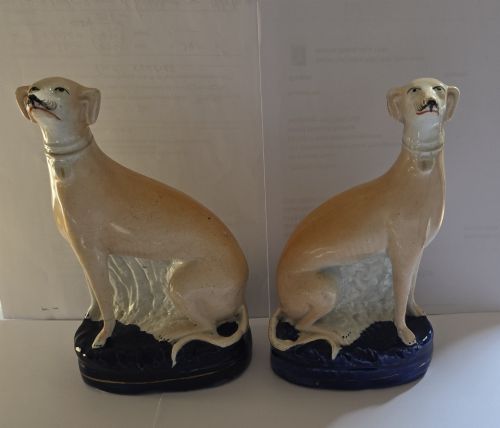
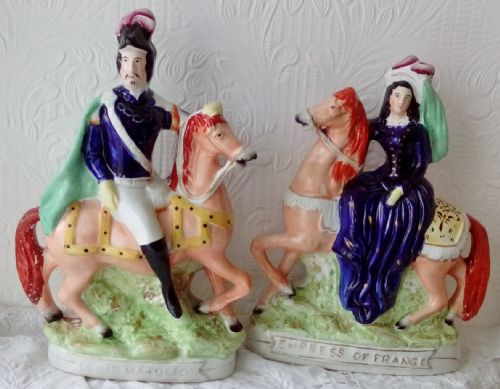
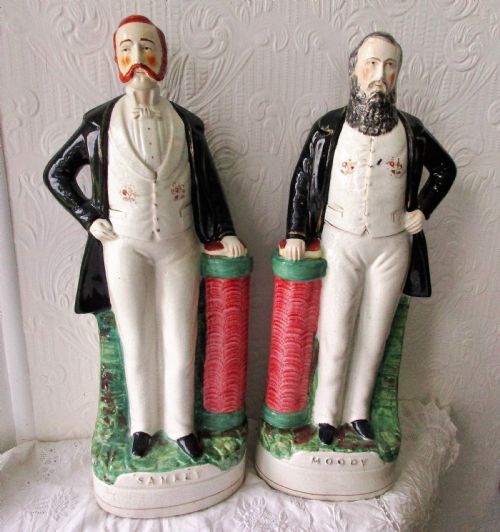
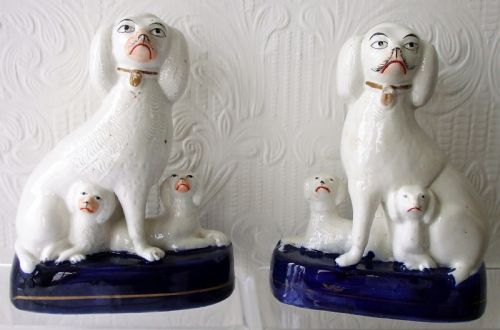
A Staffordshire ceramic pair comprises matching earthenware figures designed to sit at either end of a shelf or mantelpiece, often taking the form of spaniels, greyhounds, lions, or theatrical subjects. These symmetrical arrangements were a staple of nineteenth-century domestic interiors across Britain.
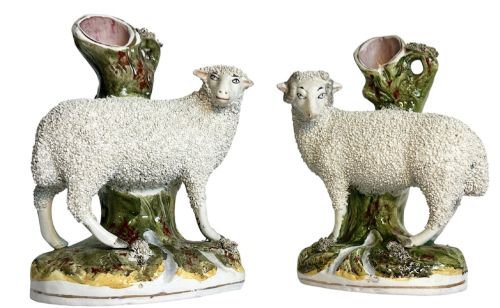
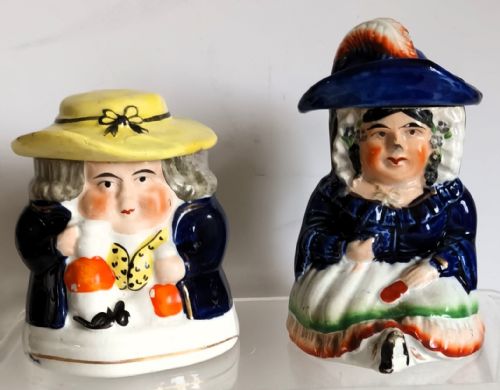
The most common version met on this page is the Victorian spaniel or hound, frequently modelled as a seated pair facing one another. Alongside these animal subjects, collectors encounter spill vases, historical portrait figures, and literary characters produced in matching sets.
How they were made
Potters shaped these figures from earthenware and pearlware using slip-casting or pressing into multi-part moulds. Once dried and fired, the pottery received its primary glaze and underglaze or overglaze enamel colours.
Makers applied hand-painted details, gold leaf, and gilt highlights before a final low-temperature firing to set the colours. Some pieces also feature lead glaze and treacle glaze finishes to achieve deep surface sheens.
Staffordshire Ceramic Pair Retail Price Guide 2026
Typical asking prices for staffordshire ceramic pair among the pieces listed under this phrase on Sellingantiques today, from the lower quarter to the upper quarter. They describe what is for sale here now, not the wider market.
Listings show earthenware and pearlware as the primary ceramic bodies, decorated with enamel paint, gold leaf, and lead glaze.
What varies in quality
Glazing quality also dictates worth, where smooth, even surfaces without excessive pitting or firing cracks indicate better kiln management. The application of gold leaf and rich enamel paint adds depth that flat, uniform decoration lacks.
Thomas Parr·Sutherland & Sons·Hicks and Meigh
The Staffordshire Ceramic Pair Glossary
- Flatback
- A figure moulded with a detailed front and a flat, unglazed or minimally finished back designed to sit flush against a wall.
- Spill vase
- A hollow cylindrical holder incorporated into the figure's design, intended to hold wooden spills for lighting fires.
- Pearlware
- A fine-grained earthenware developed in the late eighteenth century featuring a subtle bluish glaze that pooled in recesses.
- Treacle glaze
- A rich, translucent brown lead glaze applied over earthenware to create a dark, glossy finish resembling molasses.
Staffordshire Ceramic Pair: Frequently Asked Questions
What are Staffordshire ceramic pairs?
Staffordshire ceramic pairs are matched sets of earthenware figures produced in nineteenth-century Britain for domestic display. They typically depict animals, historical figures, or literary characters designed to sit symmetrically on a mantelpiece.
These pieces reflect the popular tastes of the Victorian era, ranging from common comforter spaniels to elaborate theatrical groups and portrait figures.
How were they used in homes?
Pairs of figures served primarily as decorative ornaments on fireplace mantels, arranged facing each other at either end of the shelf. Spill vase variants also functioned as practical holders for wooden taper matches used to light candles and hearth fires.
Larger pairs occasionally functioned as bookends or decorative shelf supports, bringing colour and formal symmetry to Victorian living spaces.
How can I tell the periods apart?
Earlier pieces from the Regency period often utilise pearlware bodies with a faint bluish tint in the glaze. Victorian examples shift toward heavier earthenware with bolder enamel colours and glossier lead finishes.
Later nineteenth-century figures frequently feature flatter backs and more mechanised painting styles compared to the softer, hand-finished modelling of earlier decades.
How should I care for ceramic pairs?
These ceramic figures require gentle dusting with a soft, dry brush to protect fragile enamel paint and gilt highlights from damage. Moisture should be kept away from unglazed areas on the flat backs to prevent staining.
Placement away from direct sunlight preserves the vibrant enamel colours and prevents the glazes from fading over time.