

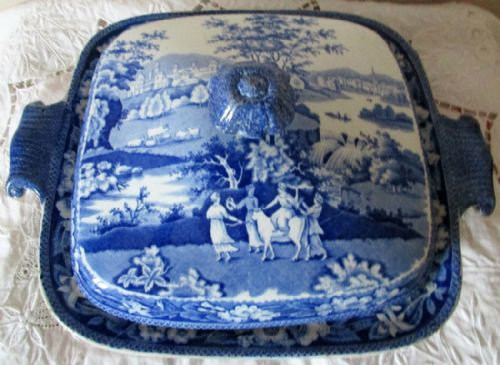


Staffordshire Blue White Dish
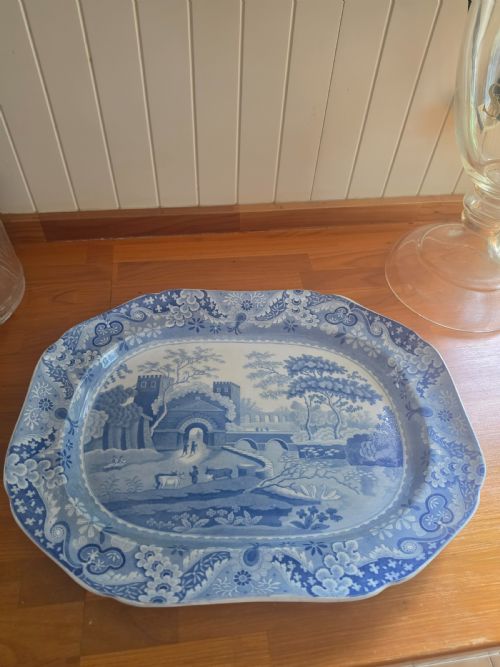
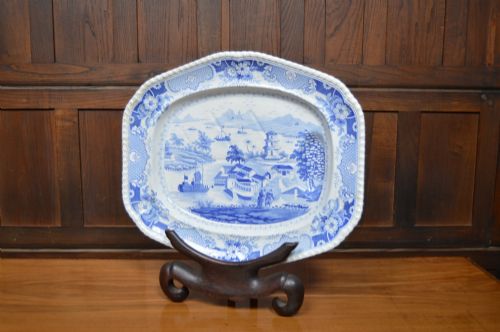
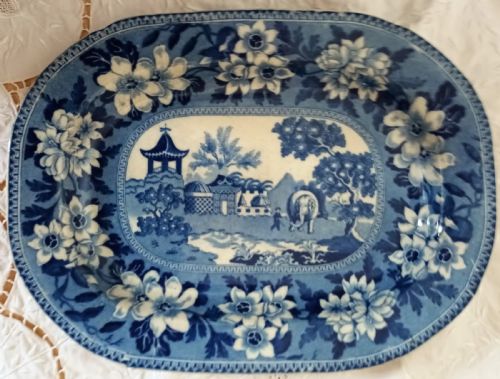
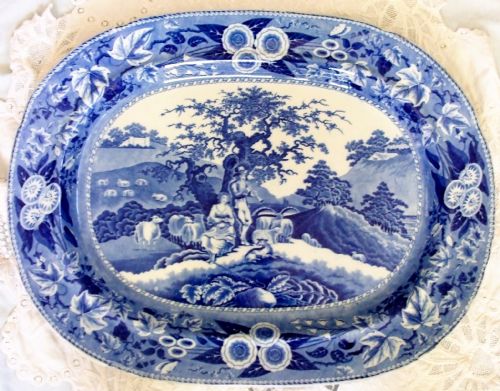
Staffordshire blue white dish pieces bring deep cobalt scenes onto earthenware platters, baskets, and tureens for a traditional table display.
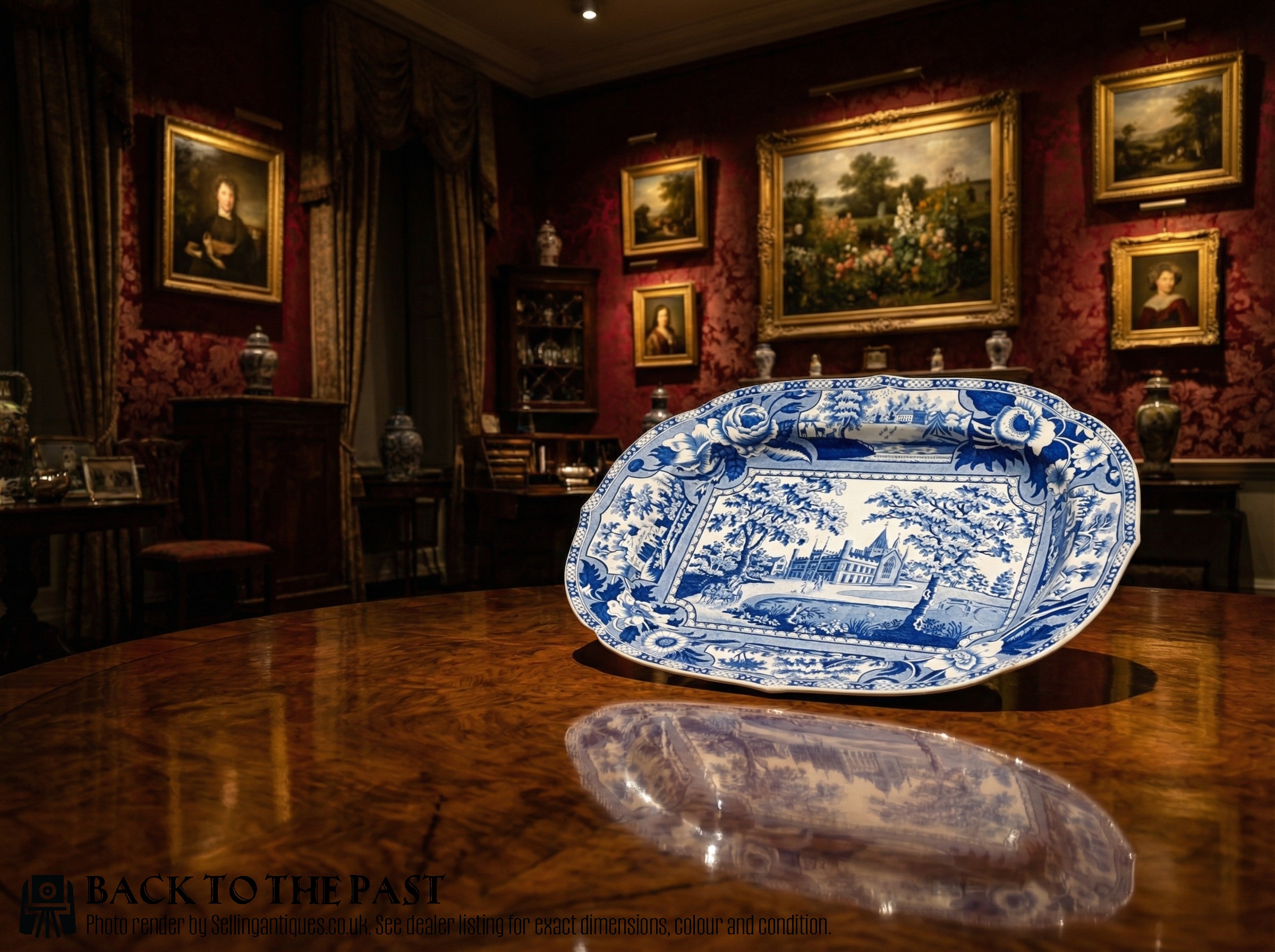
Staffordshire Blue White Dish
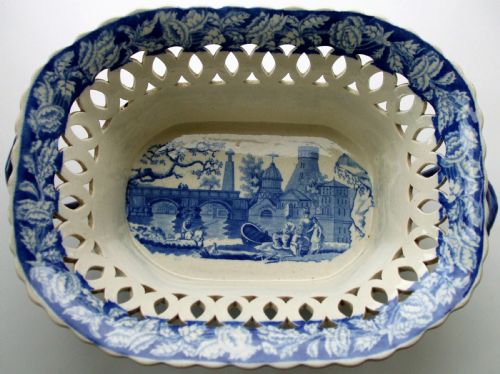
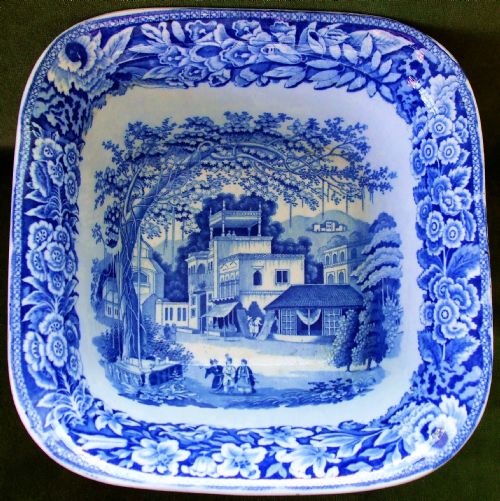
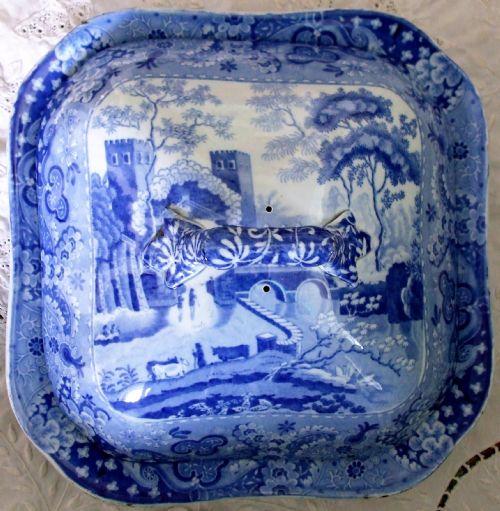
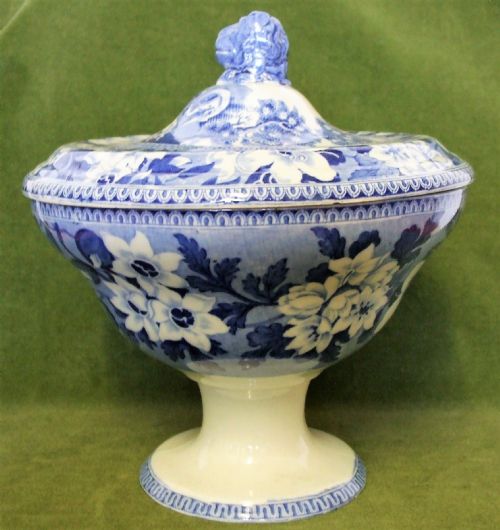
A Staffordshire blue white dish comprises a range of ceramic forms including large meat platters, vegetable tureens, chestnut baskets, and serving plates.
Most examples date from the Georgian and Victorian periods, utilising earthenware, pearlware, and ironstone bodies.
Visual motifs on these items include transfer-printed topographical views, pastoral scenes, and Chinoiserie patterns rendered in cobalt pigment.
Materials and production methods
Potters shaped earthenware, pearlware, or ironstone bodies before applying cobalt pigment designs via copperplate transfer printing.
A transparent ceramic glaze covered the surface prior to firing, protecting the blue transfer print and giving the piece its characteristic gloss.
The documented forms span the nineteenth century, covering Georgian and Victorian periods through meat plates, tureens, and chestnut baskets.
Assessing the work
Quality rests in the clarity of the transfer print and the crispness of the cobalt pigment against the white ceramic ground.
Thicker ironstone bodies and well-modelled forms like tureens with fitted covers or draining wells demonstrate greater ambition in the kiln.
Spode·J. & R. Clews·John Rogers & Son·John Davenport·Stubbs·William Adams
The Staffordshire Blue White Dish Glossary
- Transferware
- A pottery decoration technique where an engraved copperplate transfers a design onto paper and then onto the ceramic body before glazing.
- Pearlware
- A refined earthenware developed in the late eighteenth century featuring a subtle bluish glaze that pooled in recesses to mimic Chinese porcelain.
- Ironstone
- A heavy, durable type of feldspathic earthenware patented in the nineteenth century for robust household use.
- Comport
- A pedestal dish or bowl used for serving fruit or sweetmeats at the table.
- Chinoiserie
- European artistic styles reflecting Chinese motifs and landscapes, frequently seen on early nineteenth-century ceramics.
Staffordshire Blue White Dish: Frequently Asked Questions
How do I date a Staffordshire blue white dish?
Dating relies on the ceramic body, such as pearlware pointing to the early nineteenth century and ironstone appearing from the middle decades onward. Transfer patterns and maker marks help narrow the production window.
Style names and registration marks also assist in placing the piece within the Georgian or Victorian eras.
Can I use these antique dishes for serving food?
Most of these ceramic pieces remain structurally sound for serving dry foods or bread at the table. Hand washing protects the historical glaze from modern detergents.
Avoid thermal shock by keeping them away from microwaves and ovens.
What is the difference between pearlware and ironstone?
Pearlware is a lighter earthenware developed to imitate Chinese porcelain with a characteristic bluish glaze. Ironstone is a much denser, heavier ceramic created for durability.
Both materials carry the blue transfer prints typical of nineteenth-century production.
How should I display a heavy meat platter?
Large meat platters require sturdy plate hangers or stable wall brackets designed for substantial ceramics. Flat displays on sideboard ledges benefit from secure grooves.
Weight distribution matters greatly when mounting larger pieces.