
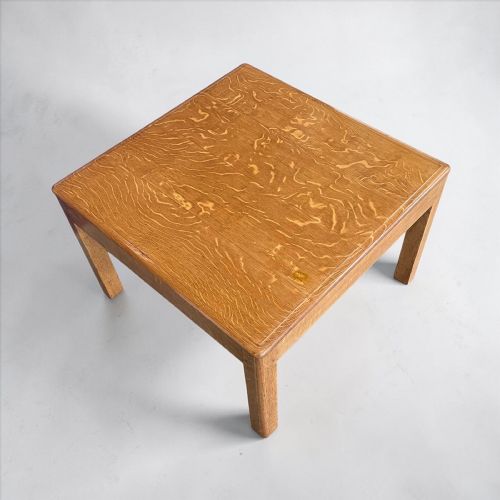
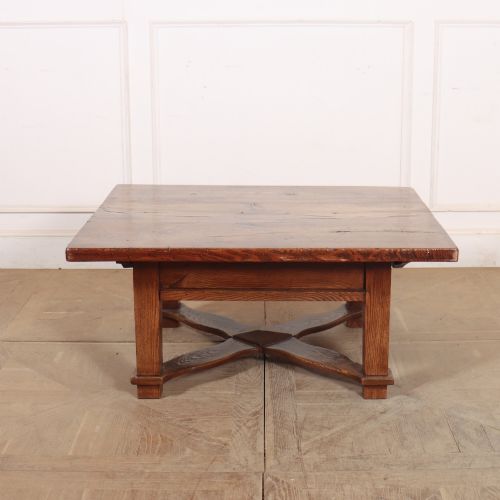


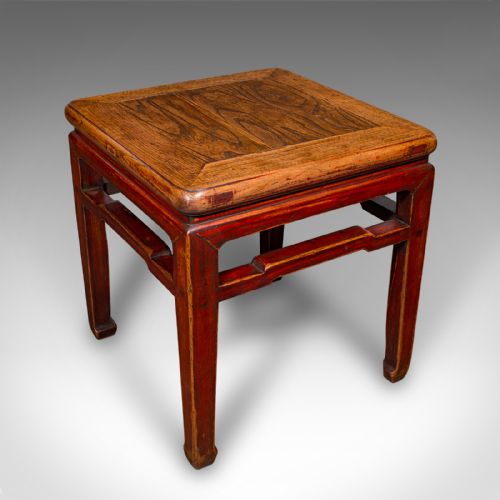


Square Wooden Low Table
A square wooden low table brings versatile surface space and grounded presence to a room, drawing on periods from the eighteenth century onward.
Square Wooden Low Table
When you search for a square wooden low table, you encounter low-slung surfaces adapted from various global traditions and domestic forms. The selection includes coffee tables, side tables, and repurposed stools built for lower seating arrangements.
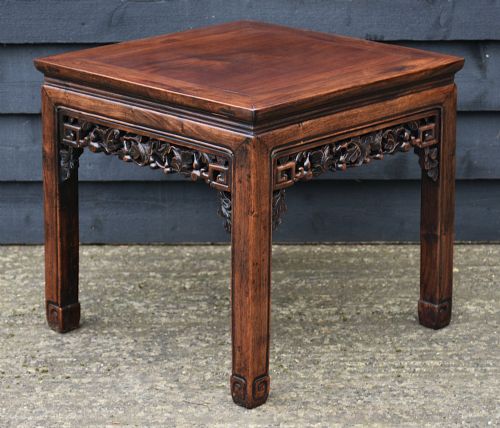
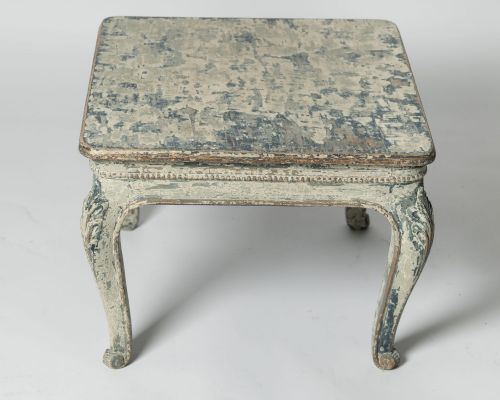
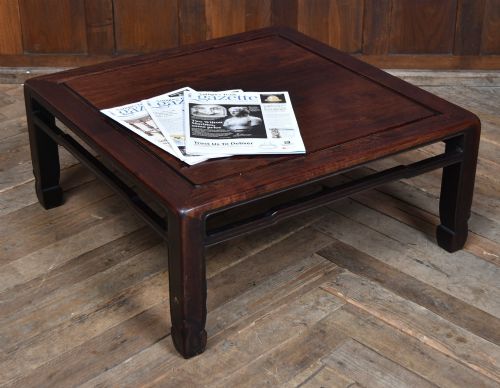
You are most likely to meet nineteenth-century examples and twentieth-century interpretations on this page. These pieces span rustic country farmhouse styles, Chinese Qing aesthetics, and European provincial designs.
Materials and Construction
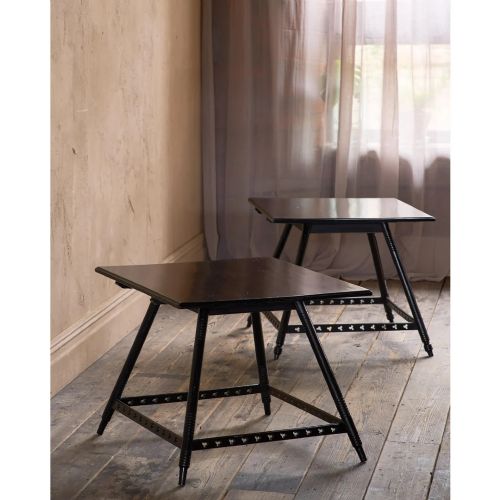
Craftsmen built these low tables using a variety of hardwoods and softwoods including oak, elm, walnut, rosewood, padouk, pine, and fruit wood. Some surfaces feature painted finishes or ebonised treatments while others show the natural grain of the timber.
Joinery methods range from traditional pegged joints in joint stools to refined cabinetmaking techniques found in pieces by established makers. The construction balances structural stability with the low profile required for tea serving, seating, or daily domestic use.
Current listings feature pieces spanning the eighteenth, nineteenth, and early twentieth centuries, constructed from oak, elm, walnut, and rosewood.
Factors of Quality
The distinction between standard domestic items and finer examples lies in the selection of timber and the precision of the joinery. Dense hardwoods such as rosewood and padouk or finely figured walnut elevate a piece above basic pine or utility timber.
Design integrity and proportion separate workshop-produced tables from simpler vernacular items. Maker attribution, balanced joinery, and thoughtful surface finishing distinguish superior examples.
Betty Joel·Gillows of Lancaster
The Square Wooden Low Table Glossary
- Joint stool
- A sturdy wooden stool with pegged mortise and tenon joints, frequently repurposed as a low table. These pieces demonstrate robust early carpentry.
- Chabudai
- A short-legged traditional Japanese table used for partaking in meals or tea while kneeling on tatami mats. They offer a distinct low-profile aesthetic.
- Padouk
- A heavy, durable tropical hardwood prized for its reddish hue and stability. It appears in fine nineteenth-century Chinese furniture.
- Ebonised
- Wood finished to resemble ebony through staining or painting. This technique creates a dense, dark surface popular in nineteenth-century design.
Square Wooden Low Table: Frequently Asked Questions
What are square wooden low tables?
These pieces are low-surface furniture items including coffee tables, side tables, and adapted stools. They serve functional roles in living spaces while displaying traditional craftsmanship from various periods.
They originate from diverse traditions, ranging from European country workshops to Chinese Qing cabinetmakers and Japanese domestic forms. Each type reflects the specific cultural use of low seating and entertaining.
How were low tables used?
Historically, many of these low forms served specialised domestic purposes such as tea preparation, kneeling tasks, or casual seating in vernacular interiors. Over time, many function as central coffee tables in modern reception rooms.
Their low stature makes them suitable for positioning in front of sofas or within open spaces where standard height tables would disrupt sightlines.
How do I live with one?
Integrating a low table into a room involves pairing its timber tone and style with existing furniture. Rustic pine and oak suit casual country interiors, while rosewood and walnut complement more formal settings.
Regular care depends on the finish, requiring simple dusting for natural wood grains and gentle cleaning for painted or ebonised surfaces to preserve the original patina.
How do I tell periods apart?
Dating relies on observing construction methods, timber choices, and stylistic markers associated with specific eras. Eighteenth-century pieces often display hand-worked surfaces and vernacular joinery, whereas nineteenth-century examples may incorporate exotic hardwoods and distinct regional carving.
Twentieth-century pieces, including those from the 1920s or 1910s, sometimes show transitional modernist influences or bear workshop marks from known cabinetmakers.