


Square Dial Clock
A square dial clock brings mechanical precision and quiet presence into a room, spanning centuries of cabinetmaking and horology.
Square Dial Clock
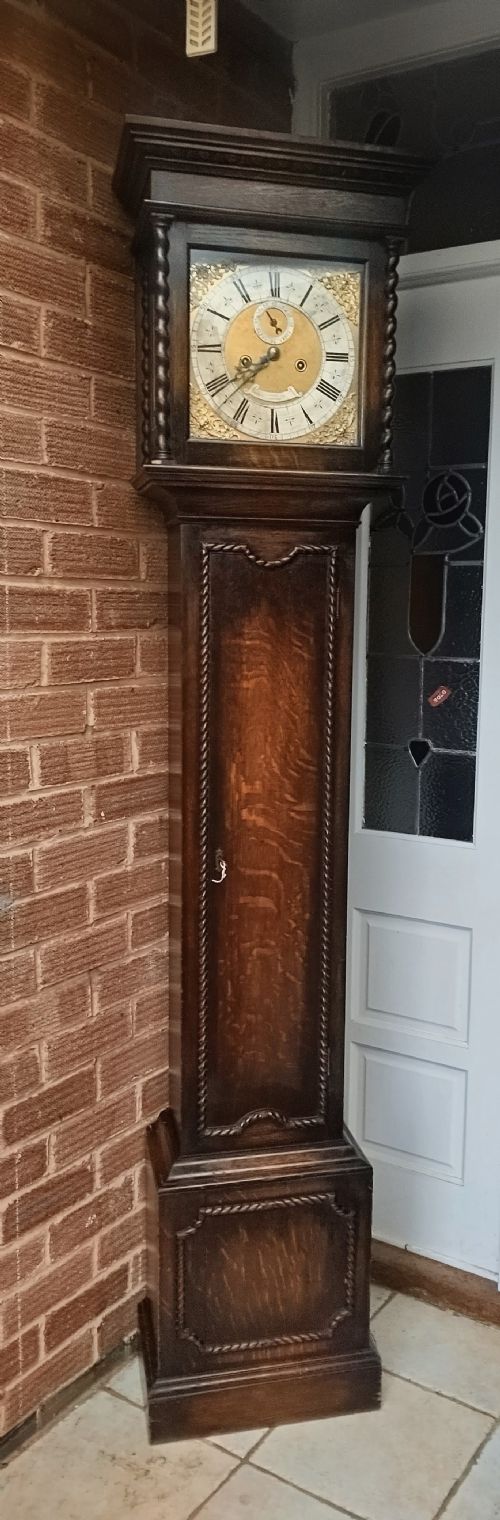
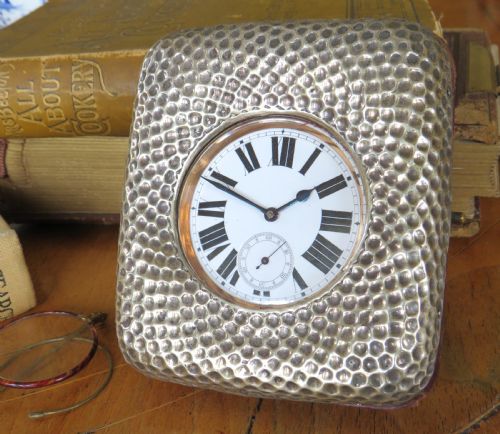
A square dial clock encompasses tall case pieces, mantel timepieces, and desk designs featuring angular faces rather than circular ones. The selection ranges from early longcase examples housed in oak and walnut to later mantel and travel pieces executed in mahogany, brass, and gold.
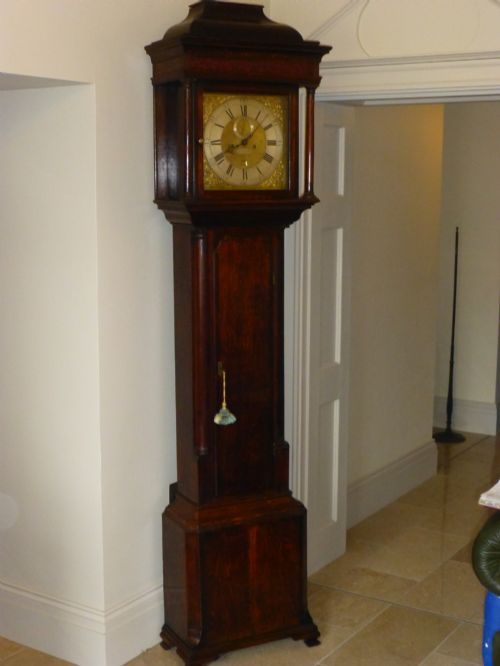
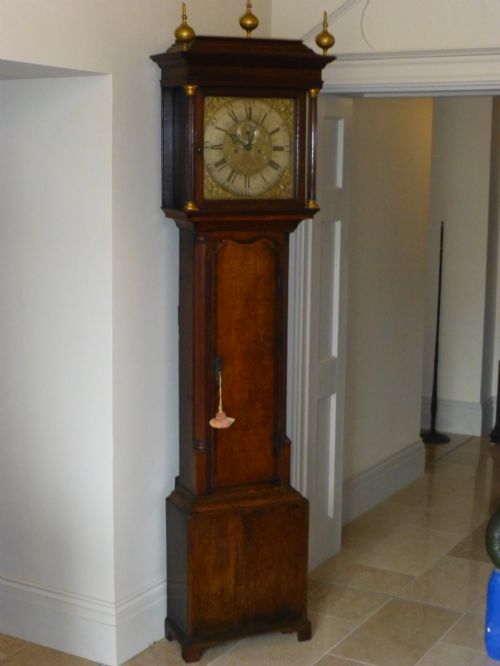
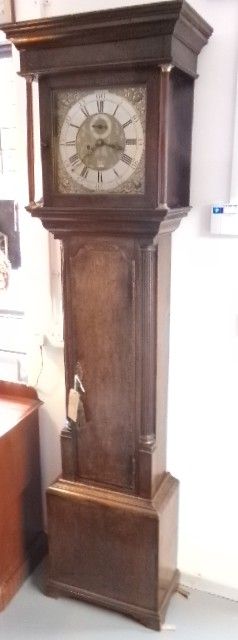
The version most commonly encountered on this page is the 18th century longcase clock, frequently constructed in oak and walnut with brass or painted faces. These tall floor-standing pieces dominate the record alongside compact mantel variants and travel watches from later decades.
Makers from various regions, including London, Chester, and Stockport, shape the regional characteristics of these items. Buyers encounter provincial English craftsmanship alongside continental turret mechanisms and Swiss desk pieces.
Materials and Technique
Makers utilised dense native timbers such as oak, walnut, and mahogany to build durable floor cases and desk housings. Cross banding and panelled ebony frequently decorate the primary structural woods to add visual depth.
Metal components combine brass for the chapter rings and dial plates with iron and steel for the internal gear trains. Gilt ormolu and silver casing appear on select luxury travel and mantel iterations.
Movements rely on weight or spring propulsion, incorporating fusee mechanisms or striking systems operating on bells. Painted metal or engraved brass provide the foundation for the visible time indicators.
One promotional desk clock once kept time inside a garage.
Quality Variations
The refinement of the cabinetwork dictates much of the standing, separating simple country carcases from sophisticated London workshop production. Select veneers, tight joinery, and finely figured walnut or mahogany elevate the architectural presence of the piece.
Dial execution reveals the hand of the maker through the depth of engraving, the clarity of the brass work, and the precision of the painted numerals. Retaining original movements and authentic hands contributes significantly to the integrity of the object.
Signature placement by known makers provides a marker of workshop standard, linking provincial craftsmanship or metropolitan trade to documented horological history.
Richard Corless of Stockport·Smith of Chester·Vogel Swiss·John Rainsford·Smiths·Elliott of London·John Drew·Henry Berkeley·John Bishop of Sherborne·Jaeger Le Coultre·Ed Hemmins of Bicester·Daniel Lawrence·Campbell
The Square Dial Clock Glossary
- Fusee
- A conical pulley used in clock movements to maintain an even pull as the mainspring unwinds. This device helps the timepiece maintain consistent accuracy over its running period.
- Longcase clock
- A tall pendulum clock enclosed in a wooden case that rests on the floor. These instruments are often referred to colloquially as grandfather clocks.
- Ormolu
- Gilt bronze applied to decorative mounts and clock cases. The technique gives a rich gold appearance to metallic decorative elements.
- Chapter ring
- The outer ring on a clock face that bears the hour numerals. It is traditionally made of silvered or engraved brass.
- Strut clock
- A portable timepiece supported by a hinged prop or stand attached to the rear. They are typically designed for desks or dressing tables.
Square Dial Clock: Frequently Asked Questions
How do I wind a longcase clock?
Winding requires raising the weights inside the trunk using a winding key, taking care not to pull the cord too abruptly. Ensure the pendulum remains undisturbed during the process to keep the beat even.
Most 18th century examples require weekly attention, while thirty-hour models need winding daily or slightly less often depending on the specific train layout.
Where should I place a mantel clock?
Select a stable, level surface away from direct heat sources and damp external walls. A sturdy mantelpiece or heavy sideboard provides the necessary support for heavier wood and slate cases.
Keep the piece out of direct sunlight to protect polished mahogany and walnut surfaces from fading over time.
How do I distinguish 18th century dials?
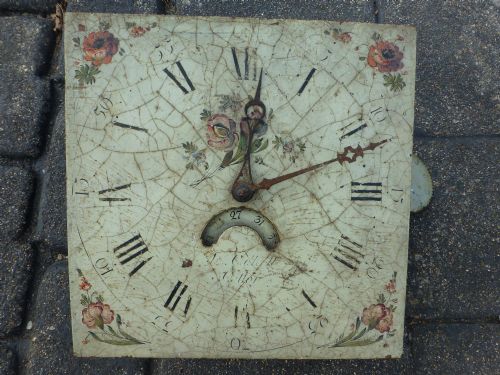
Early examples rely on engraved brass chapter rings and cast corner spandrels that reflect the prevailing decorative tastes of the period. Painted iron dials become more common towards the end of the century and into the Georgian era.
Examine the mounting pins and engraving style to understand whether the dial matches the age of the underlying movement.
What is a single fusee movement?
A single fusee mechanism uses a conical drum and a cord to equalise the declining power of the mainspring. This ensures uniform force reaches the escapement throughout the running cycle.
Found frequently in better quality mantel and desk clocks, this system improves timekeeping consistency without needing a weight-driven drop.