
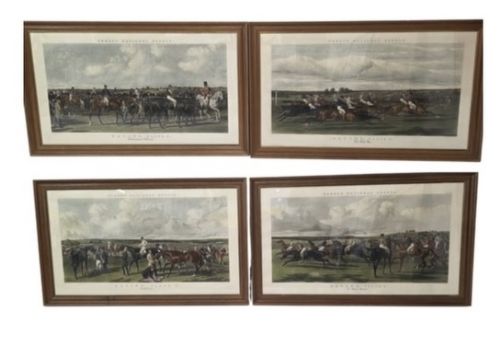


Sporting Picture Print
A sporting picture print captures horses, hounds and field sports on paper, offering a direct window into nineteenth and twentieth-century equestrian life.
Sporting Picture Print
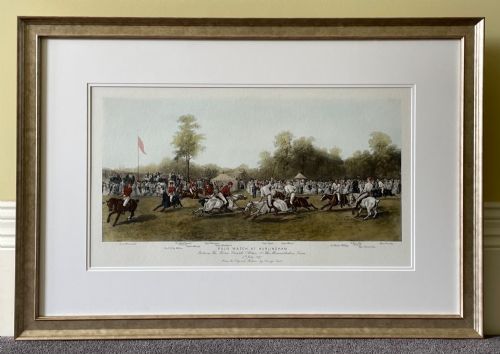
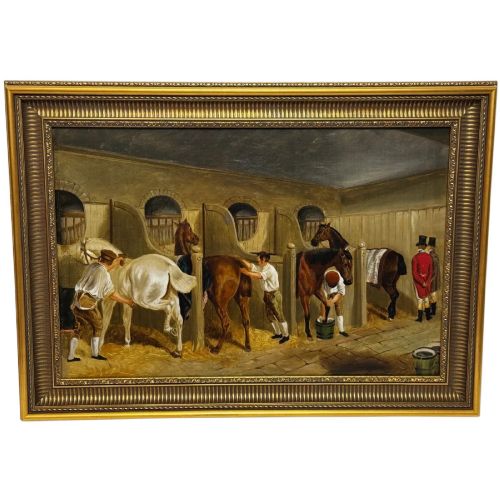
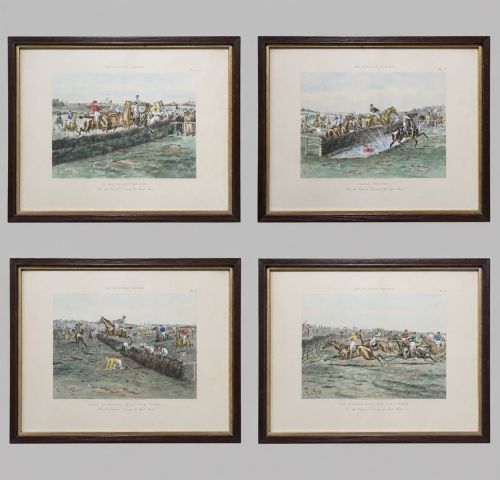
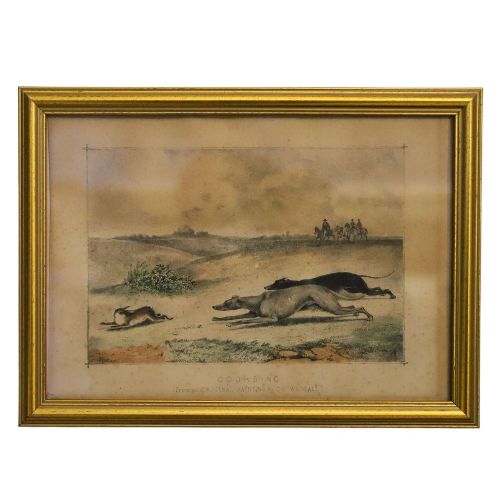
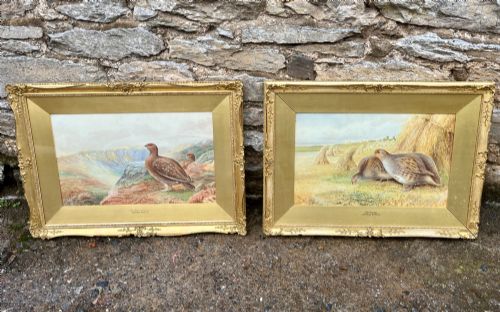
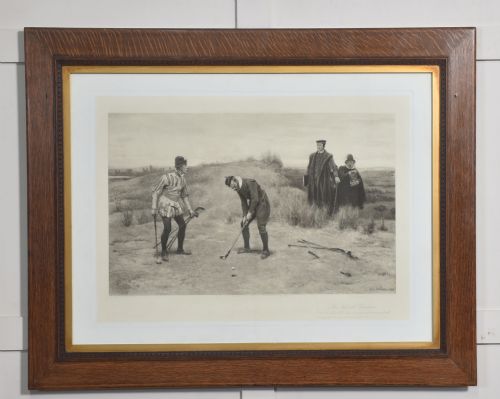
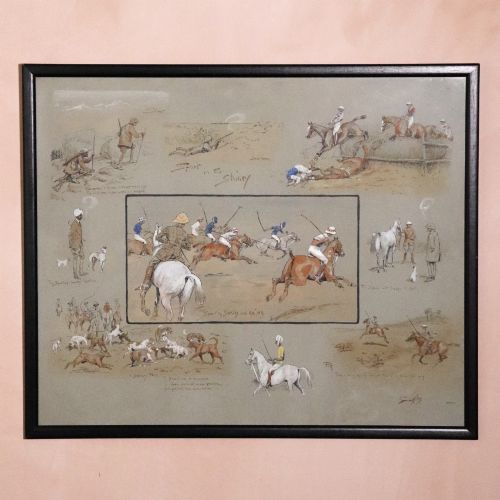
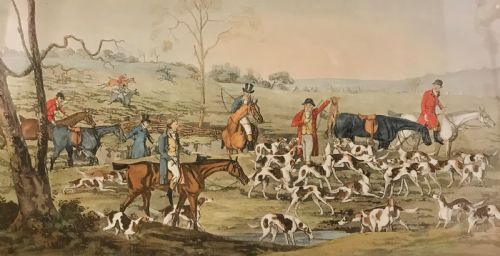
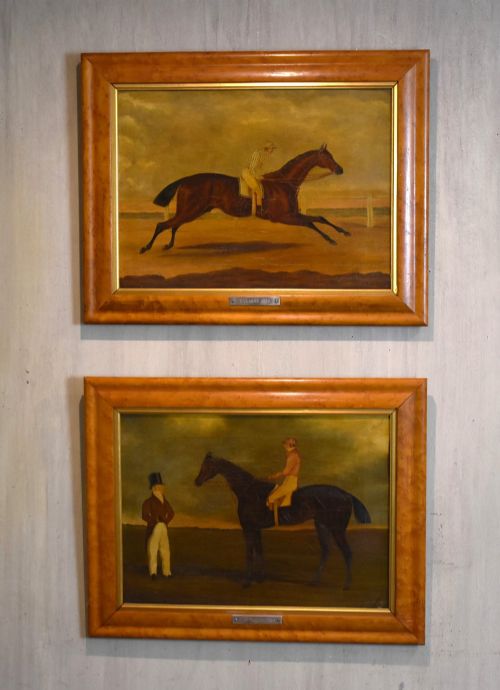
A sporting picture print encompasses nineteenth-century lithographs, engravings, aquatints and twentieth-century etchings focused on racing, hunting and field sports. Buyers encounter framed prints alongside original watercolours and oil paintings depicting polo, horse racing and game birds.
The material record spans the Victorian and Edwardian eras, with works dating from the Georgian period through the mid twentieth century. Makers and artists recorded include George Finch Mason, C. H. Weigall, George Rankin, J. C. Dollman, Snaffles, Abraham Cooper, John Atkinson, James Dobie and Tom Carr.
How They Were Made
Publishers produced these works using paper sheets combined with ink, lithography, engraving plates and aquatint techniques. Many early examples received hand-colouring applied directly over the printed lines to heighten the visual detail of horses and riders.
Framing utilised traditional materials such as wood, oak, gilt and giltwood alongside glass protection. Certain editions incorporated eglomise glass panels or protective mounting to preserve the delicate paper surfaces.
Listings feature paper, ink, wood, glass, oak, gilt and watercolour across Victorian, Edwardian and Georgian periods.
What Varies in Quality
The fidelity of the impression separates stronger print runs from worn plates, as early strikes retain crisp lines and precise detailing. Hand-colouring depth and the preservation of original paper tones also distinguish finer examples.
Period framing choices, from substantial giltwood surrounds to simple oak frames, influence the overall character. Signatures by established artists or noted military and sporting figures add distinction to individual sheets.
George Finch Mason·C. H. Weigall·George Rankin·J. C. Dollman·Snaffles·Abraham Cooper·John Atkinson·James Dobie·Tom Carr
The Sporting Picture Print Glossary
- Aquatint
- A printmaking technique that produces tonal areas resembling watercolour washes. It allowed publishers to render atmospheric hunting scenes with subtle shading.
- Lithograph
- A planographic printing method using stone or metal plates. This process captured the energetic motion of polo matches and racing fields.
- Engraving
- A method of cutting design lines directly into a metal plate with a burin. It yielded sharp, enduring lines suited to detailed animal portraits.
- Eglomise
- A technique of applying gold or silver leaf to the reverse of glass. It provided a decorative, reflective border for specific commemorative portraits.
- Etching
- A process where acid bites lines into a metal plate protected by a ground. Artists utilised this method for expressive, linear sporting plates.
Sporting Picture Print: Frequently Asked Questions
What is a sporting picture print?
A sporting picture print is an antique or vintage graphic work depicting horses, hounds, racing, hunting or field sports. These pieces record historical equestrian events and rural pastimes.
Publishers created them using various printmaking methods including lithography, engraving and etching on paper supports.
How were these prints used?
Owners traditionally framed these works to display in country houses, studies and sporting clubs. They celebrated specific racehorses, hunt meets and field triumphs.
Many circulated through annual publications, portfolios or dedicated series documenting British field sports.
How should I live with them?
Protect paper works from direct sunlight to prevent fading of the ink and any hand-applied watercolours. Keep them away from damp environments to preserve both the paper and the wooden or gilt frames.
Display them at eye level in rooms with stable ambient temperatures.
How do I tell periods apart?
Georgian and early nineteenth-century examples often feature hand-coloured engravings with muted palettes and classical lettering. Victorian and Edwardian pieces frequently utilise rich lithography or detailed etching techniques.
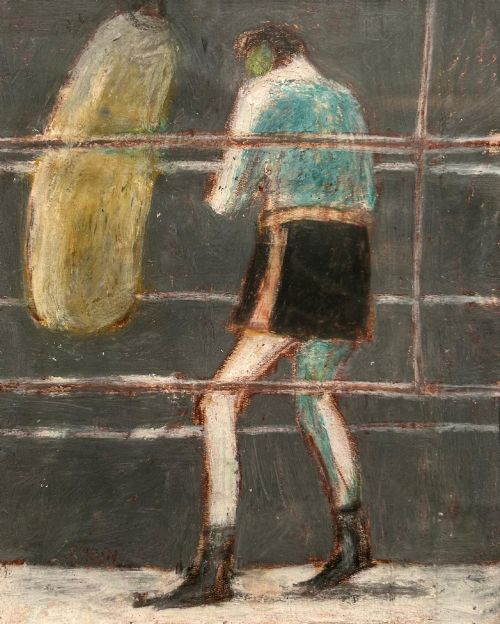
Mid-twentieth-century works show bolder lines and modern signature styles reflecting later sporting artists.