


Sporting Art Wall Picture
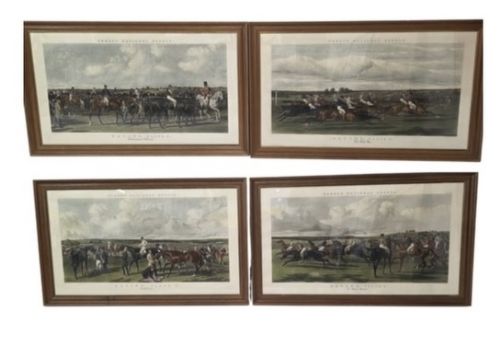
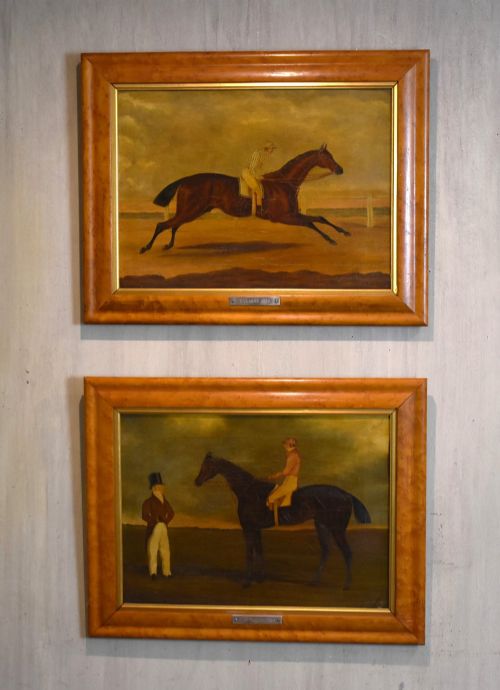
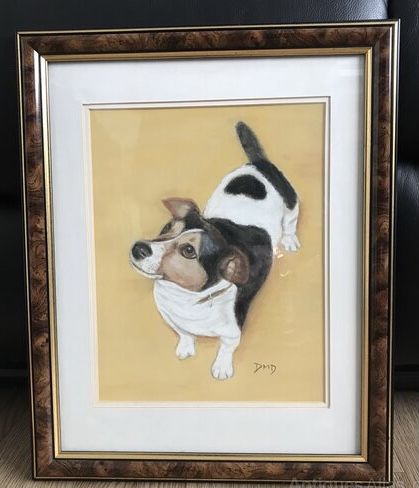
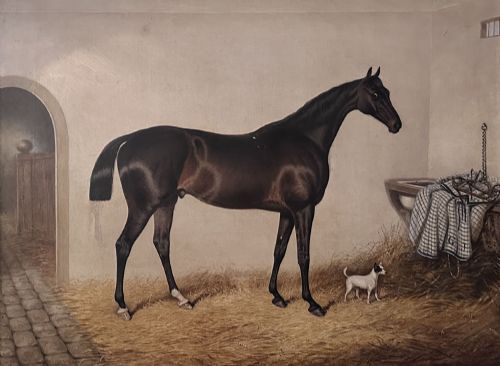
When you search for a sporting art wall picture, you find framed depictions of horses, hounds, racing and field sports intended for interior display.
Sporting Art Wall Picture
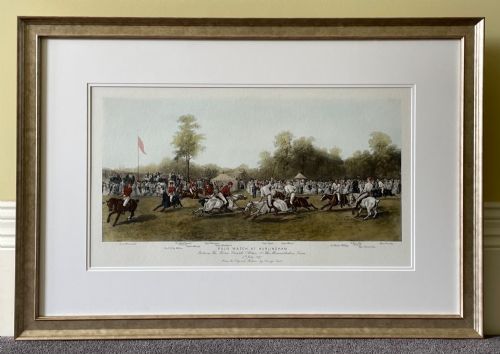
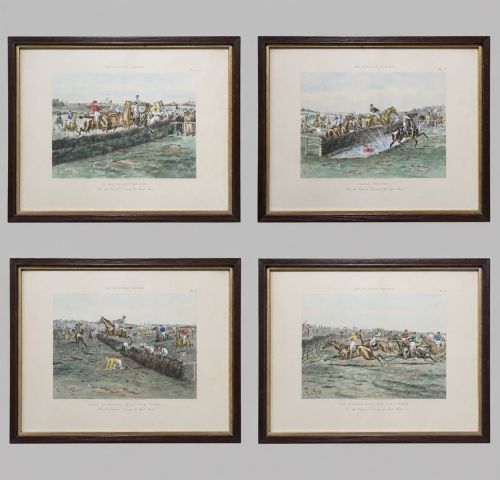
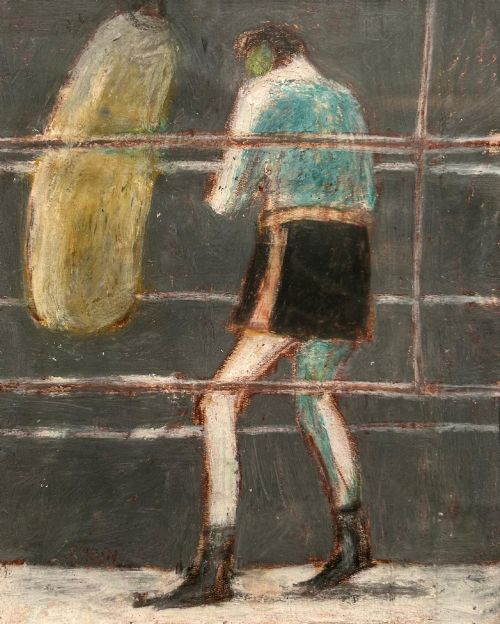
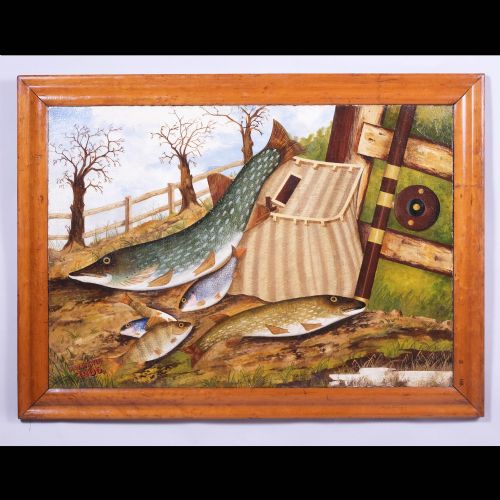
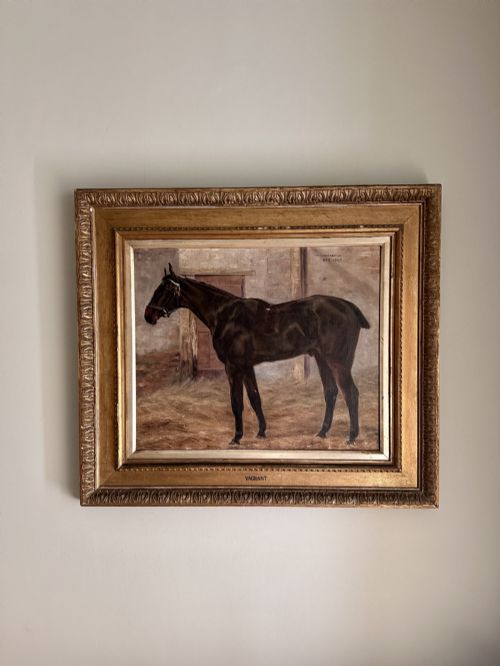
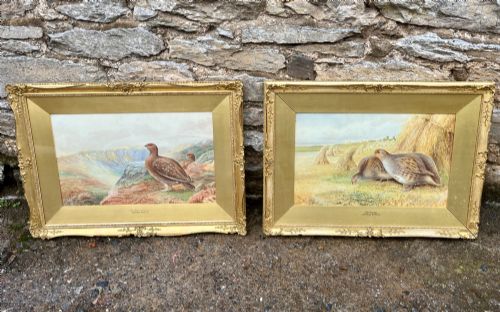
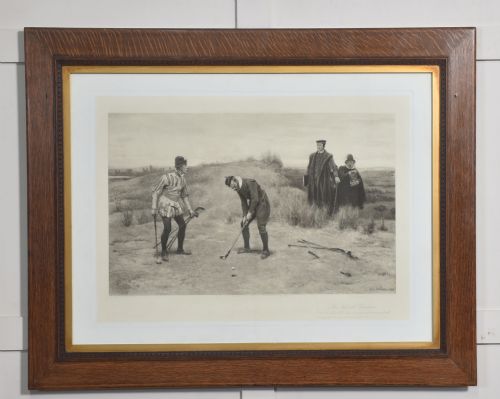
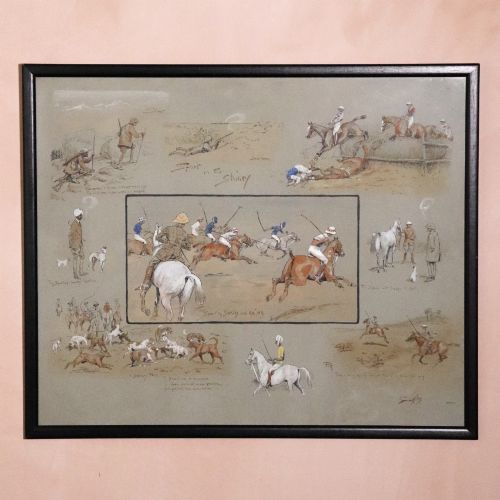
A sporting art wall picture encompasses oil paintings, watercolours, pastels, lithographs and engravings celebrating equestrian subjects, hunting scenes and field sports. You will most frequently encounter nineteenth-century works and Victorian horse portraits, alongside early twentieth-century prints and mid-century watercolours.
The subjects range from solitary equine portraits and racing finishes to foxhounds, gun dogs, polo matches and cricket scenes. These pieces were created to record celebrated animals, notable riders and the dynamic energy of competitive sport within domestic interiors.
How they were made
Artists employed oil paint on canvas or pine panels, watercolour and gouache on paper, and pastel under glass to capture texture and movement. Printmakers utilised lithography, etching, aquatint and engraving, frequently hand-colouring the finished impressions to enhance realism.
Framing utilised wood, often accented with gilt mouldings, protecting the paper, canvas or panel behind glass where appropriate to preserve the pigments and mediums from environmental damage.
Several dogs portrayed in these works outlasted their human owners in fame, securing permanent immortality in oil and pastel.
What varies in quality
Quality rests upon the anatomical precision of the animals, the fluidity of the composition and the specific hand of the artist or printmaker. Master practitioners capture the precise musculature of a galloping horse or the alert posture of a retriever with convincing vitality.
The execution of the background landscape and the condition of the paper, canvas or original frame also influence the overall standard. Works displaying strong provenance or direct association with known handlers and estates command greater attention.
Fred Fitzpatrick·George Rankin·John Frederick Herring Snr·John Rattenbury Skeaping·Cecil Charles Windsor Aldin·John Arthur Lomax·Basil Nightingale·William Williams·Edward Lloyd of Ellesmere·Alfred Wheeler·Charles Faulkner·Michael Lyne·Herbert Dicksee·George Finch Mason·Samuel Rabin·J. C. Dollman·Snaffles·John Ferneley Senior·C W Tuck·Gertrude Halsband·Abraham Cooper
The Sporting Art Wall Picture Glossary
- Aquatint
- An intaglio printmaking technique that produces areas of tone resembling watercolour washes. It was frequently used for reproducing hunting and racing scenes.
- Lithography
- A planographic printing process based on the repulsion of oil and water. It allowed artists and publishers to produce detailed multi-colour prints of sporting subjects.
- Eglomise
- A process of applying gold or silver leaf to the reverse side of glass, creating a reflective decorative border. It often appears on antique framing or commemorative panels.
- Gouache
- An opaque water-based paint consisting of pigment, water, and a binding agent such as gum arabic. It provides heavier coverage than traditional watercolour for highlighting details.
Sporting Art Wall Picture: Frequently Asked Questions
What subjects appear in sporting art wall pictures?
These works feature horses, racing scenes, foxhounds, gun dogs, polo matches, cricket matches and hunting expeditions.
They capture specific animals, notable riders, and the atmosphere of nineteenth and twentieth-century sporting life.
How do I distinguish between an original painting and a print?
Original paintings display visible brushstrokes, layered pigment, and texture on canvas, panel or paper.
Prints exhibit a fine dot matrix, uniform ink application, or plate impressions left by an engraved printing press.
What periods do these pieces represent?
The selection spans from the eighteenth century through the Victorian era and Edwardian period up to the mid-twentieth century.
Victorian horse portraits and Edwardian hunting prints form a substantial portion of the available range.
How should I care for antique paper or canvas pieces?
Keep framed works away from direct sunlight to prevent fading of watercolours, pastels and oil pigments.
Maintain stable indoor humidity levels to protect wooden frames, paper supports, and canvas grounds from warping or degradation.