

Framed Equestrian Picture Art
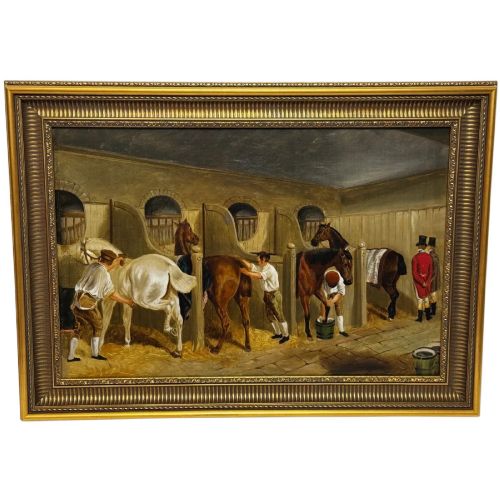
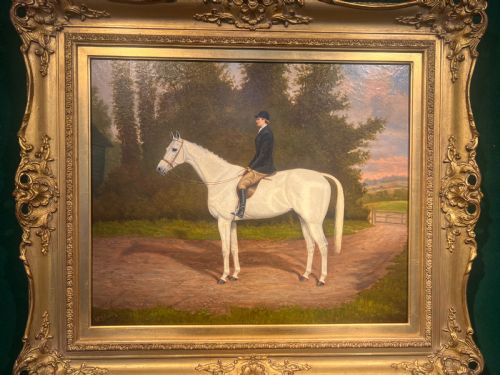
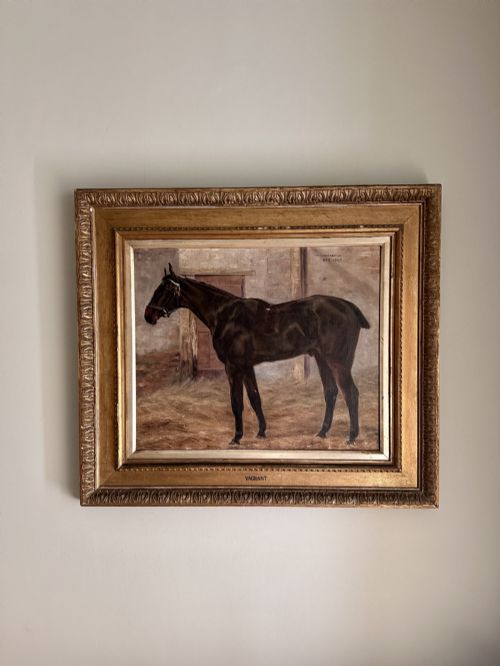
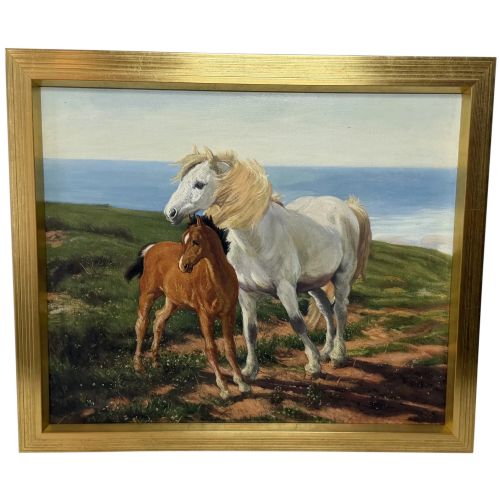
Framed equestrian picture art brings the energy of the stables and the track directly into a room through historic depictions of horses.
Framed Equestrian Picture Art
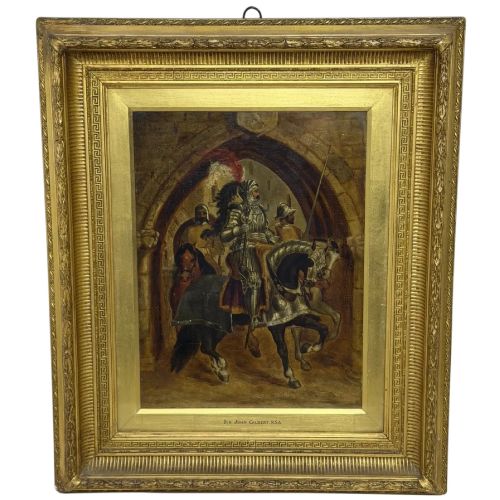
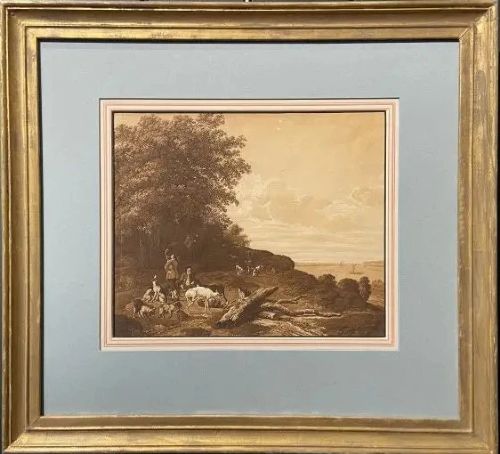
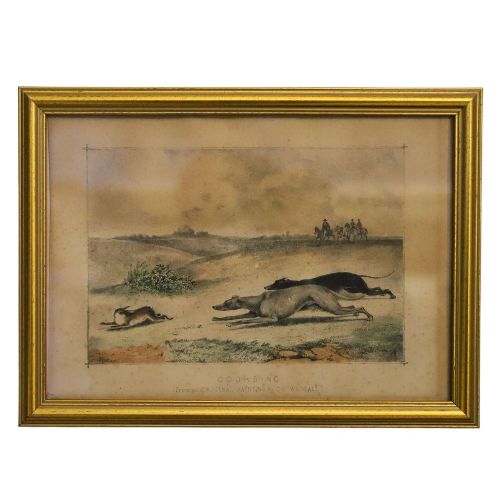
When someone searches for framed equestrian picture art, they encounter a broad selection of historic works dedicated to horses, racing, hunting, and field sports.
The most common examples on this page span the nineteenth and twentieth centuries, incorporating Victorian sporting art alongside mid-century pastels and watercolours.
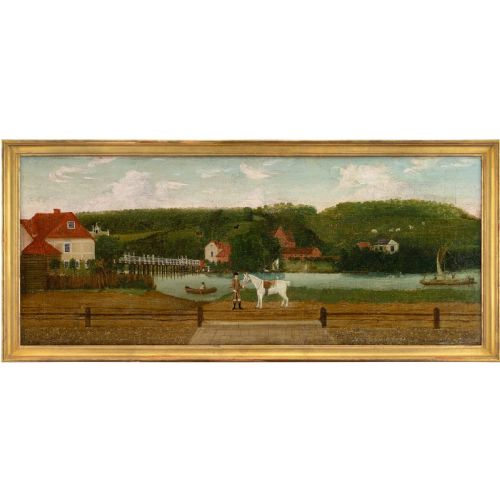
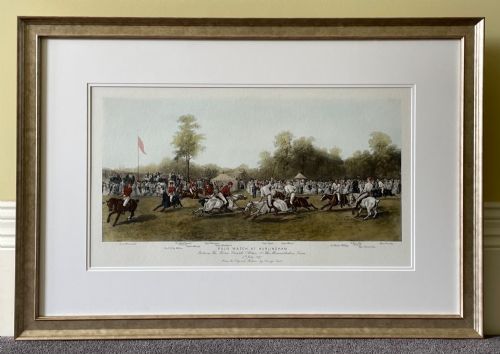
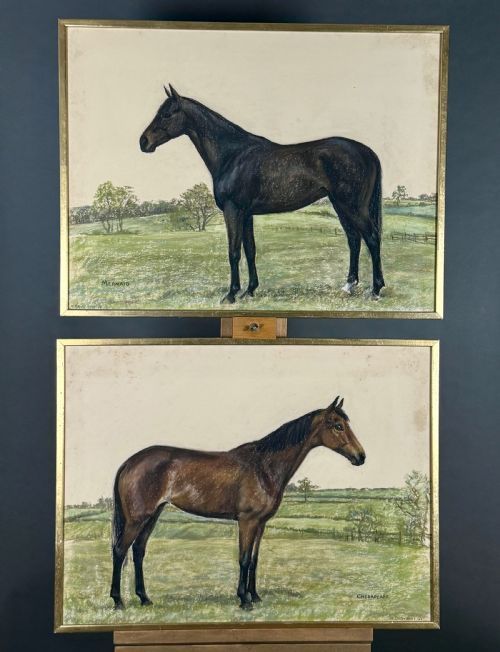
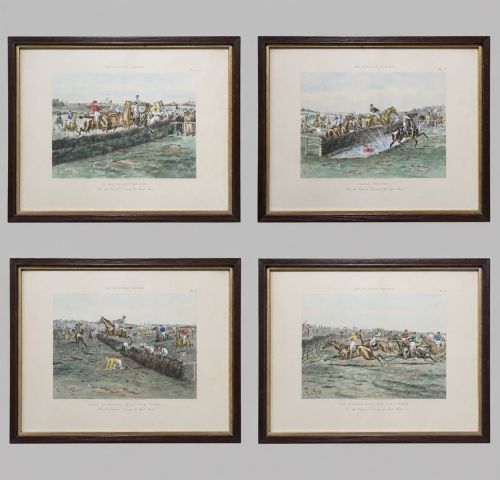
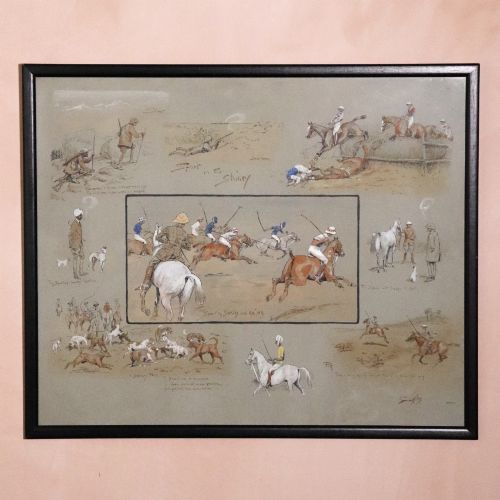
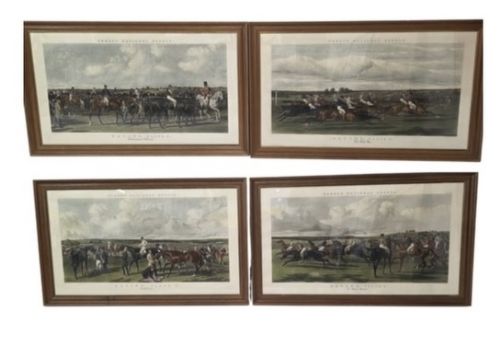
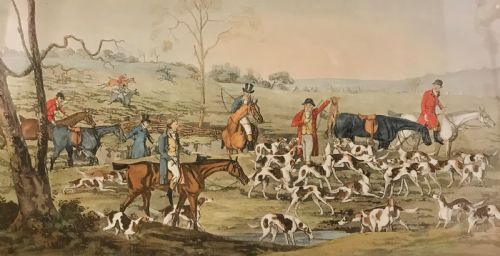
Subjects range from individual equine portraits of prized thoroughbreds to dynamic polo matches, fox hunting scenes, and racing tracks executed in various traditional media.
Materials and techniques
Artists relied heavily on oil on canvas, delicate watercolours, pastels on paper, and chalk drawings to capture the musculature and movement of horses.
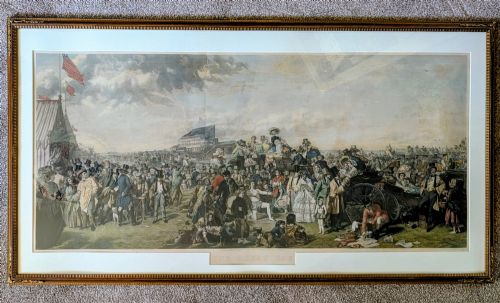
Printmakers contributed lithographs, aquatints, and hand-coloured engravings, often reproducing popular compositions by established sporting painters for a wider audience.
Framing typically involves wood, giltwood, and protective glass, which preserve these paper and canvas works from environmental damage.
Several historic horses depicted in these works were famous thoroughbreds with royal owners and dedicated followings.
Distinctions in quality
Quality rests on the draughtsmanship and the artist's ability to render the correct anatomy, posture, and spirited temperament of the animal.
The sophistication of the secondary materials, such as heavy period gilt frames and well-preserved paper supports under glass, elevates the standing of a piece.
Works carrying direct attribution to known sporting painters or established estates command greater interest than anonymous decorative prints.
Sir John Gilbert·Fred Fitzpatrick·C. H. Weigall·Edwin Henry Landseer·John Frederick Herring Snr·John Ferneley Senior·Alfred Munnings·John Rattenbury Skeaping·Cecil Charles Windsor Aldin·Charles Walter Simpson·John Arthur Lomax·John Frederick Herring Jnr·Basil Nightingale·William Williams·Abraham Cooper
The Framed Equestrian Picture Art Glossary
- Aquatint
- A printmaking technique that produces tonal effects resembling watercolour washes. It was frequently utilised for reproducing sporting scenes.
- Lithograph
- A planographic printing process using a stone or metal plate. Many nineteenth-century racing and hunting prints were produced this way.
- Giltwood
- Wood that has been coated with gold leaf or gold paint. This material is standard for traditional frames housing fine equine portraits.
- Eglomise
- A process of applying design and gilding to the reverse side of glass. This technique appears in decorative reproduction pieces.
- Needlework
- Textile art created with a needle and thread. Silk examples depict historic racing tracks and equestrian themes.
Framed Equestrian Picture Art: Frequently Asked Questions
What subjects are common in equestrian art?
The works primarily feature horses in various settings, including racecourses, hunting fields, farmyards, and portraits of specific named thoroughbreds.
Alongside racing and hunting scenes, viewers will find polo matches and rural landscapes featuring working horses.
How should these framed works be displayed?
These pieces suit traditional studies, libraries, and hallways where sporting art has a natural historical context.
Owners should avoid hanging them in direct sunlight to protect sensitive watercolours, pastels, and paper surfaces from fading.
How can I identify the period of a piece?
Dating relies on examining the framing materials, paper ageing, and any visible signatures, dates, or publisher inscriptions on prints.
Stylistic cues also help, as Victorian sporting art differs distinctly in palette and composition from mid-century modernist interpretations.
Are these pieces original works or prints?
The selection includes both unique original works, such as oil paintings and pastel drawings, alongside period lithographs and engravings.
Listings specify the exact medium used, distinguishing hand-painted oils and watercolours from published print editions.