
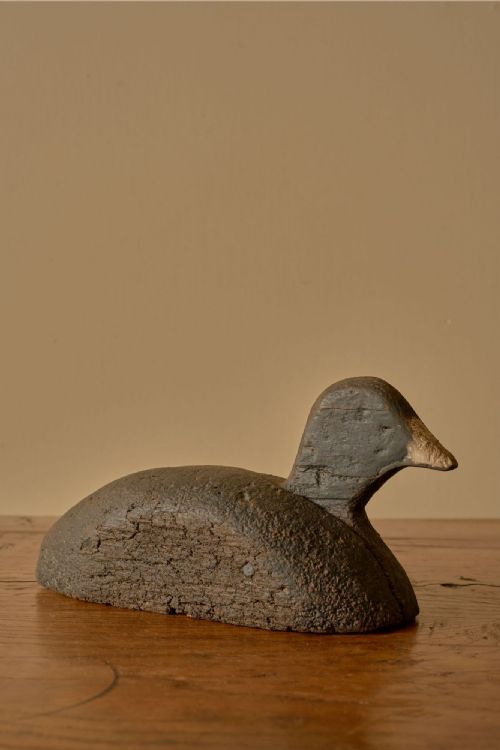
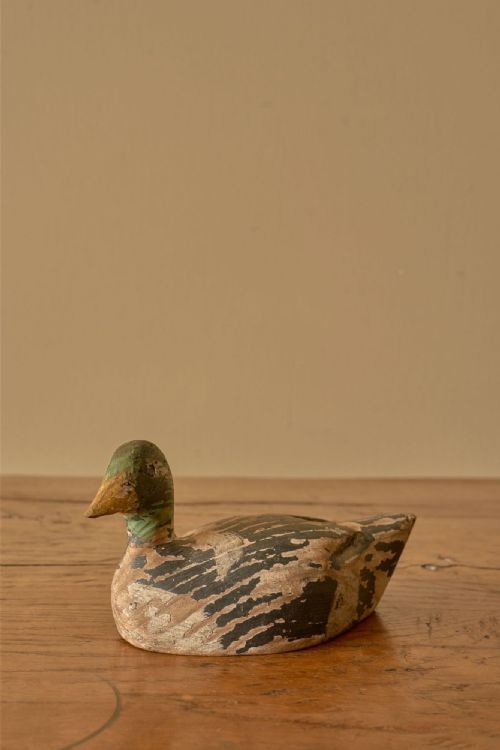
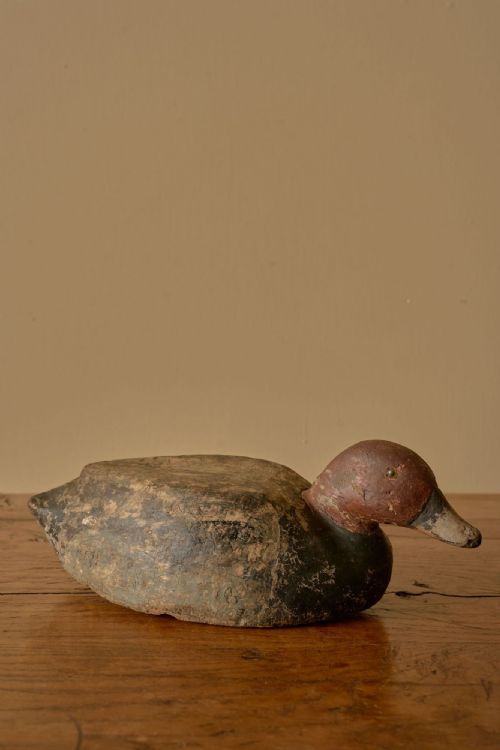
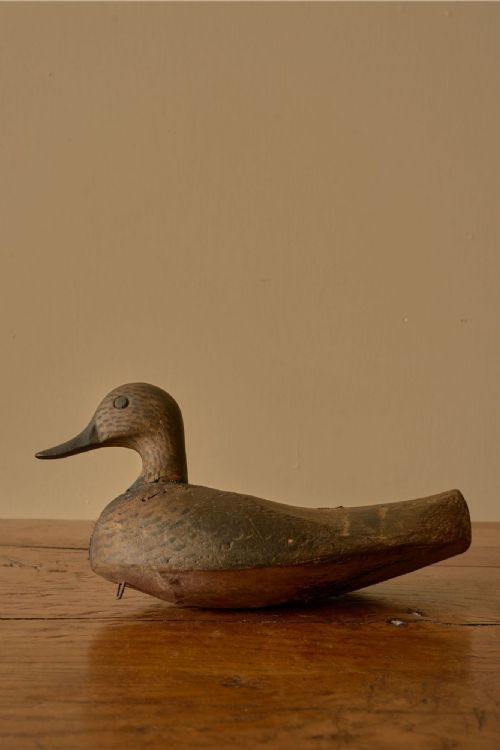


Sporting Duck
These sporting antique duck pieces capture the essence of field sports through carved decoys, oil paintings, and fine jewellery.
Sporting Duck
When you search for sporting antique duck, you encounter a distinct blend of utility and fine art spanning the nineteenth and early twentieth centuries. The selection centres heavily upon carved wooden decoys alongside canvas oil paintings and jewelled brooches.
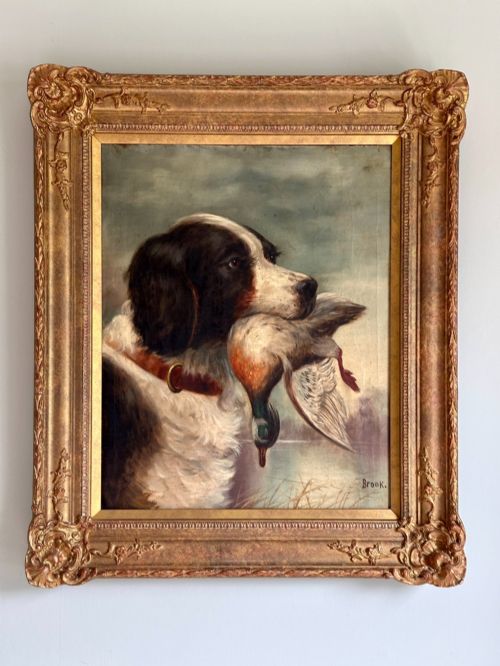
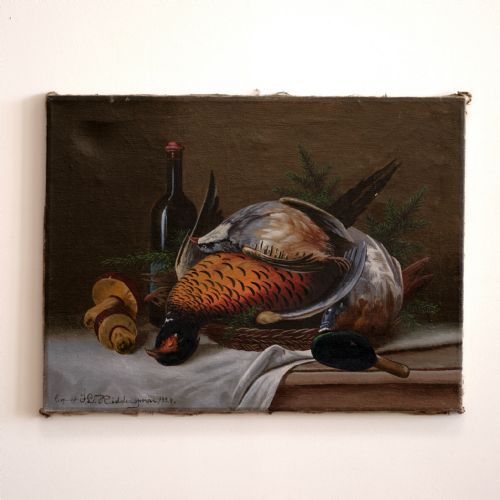
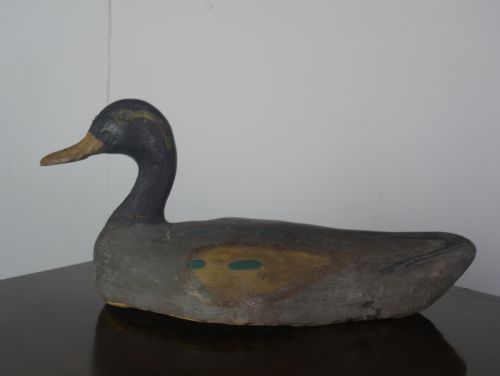
Wooden decoys dominate the items found here, ranging from plain working examples to folk art interpretations. Alongside these carvings, oil paintings depict gundogs with mallard drakes and birds in flight, complemented by Victorian and Edwardian brooches set with pearls, enamel, diamonds, and gold.
How they were made
Decoys utilise solid timber and wood, shaped by hand and finished with layered paint to simulate natural plumage. Artisans relied on traditional carving tools to give each decoy a convincing profile.
Paintings employ oil on canvas, capturing light and texture with oil paint. Meanwhile, jewellery pieces utilise fifteen-carat gold, platinum, enamel, pearls, and diamonds to render delicate flying duck motifs.
Several decoy ducks wear numbered markings on their bases, suggesting they once belonged to a very organised flock.
What varies in quality
The distinction across these pieces lies in the articulation of form and the preservation of original surface finishes. A decoy with untouched, weathered paint holds greater visual character than one with heavy later repainting.
In paintings and jewellery, quality rests upon the precision of the draughtsmanship and the fineness of the precious metals and gemstones. Hand-carved details and balanced composition separate standard items from superior examples.
George Armfield·Thomas Blinks
The Sporting Duck Glossary
- Decoy duck
- A carved or moulded figure used by wildfowlers to attract real ducks. They range from utilitarian working birds to expressive folk art objects.
- Oil on canvas
- Pigments bound in an oil medium applied to stretched woven fabric. This combination provides durability and a rich depth of colour.
- Sporting art
- Artwork depicting field sports, shooting, fishing, and working animals. It forms a specialised genre rooted in rural heritage.
Sporting Duck: Frequently Asked Questions
What is a decoy duck?
A decoy duck is a carved and painted wooden float historically used by hunters to lure wildfowl. Makers shaped timber to mimic the silhouette and posture of resting ducks on the water.
Over time, many working decoys transitioned from active service into decorative folk art objects collected for their rustic charm and tactile appeal.
How old are these items?
The pieces listed span from the nineteenth century through the Edwardian era and into the early twentieth century. Dates generally cover the Victorian period up to the 1930s.
Age is determined by material wear, construction methods, paint patination, and stylistic markers typical of each specific decade.
Where should I display a decoy?
Decoys suit quiet interior spaces where their sculptural form and weathered surfaces can be appreciated up close. They sit comfortably on bookshelves, mantelpieces, or side tables alongside natural history specimens.
Keep wooden carvings away from direct heat sources and strong sunlight to protect the integrity of the timber and painted surfaces.
How do I care for oil paintings?
Oil paintings require stable indoor humidity and shelter from direct sunlight to prevent the canvas from sagging and the pigments from fading. Dust the canvas gently with a soft, dry brush without applying pressure.
Avoid using liquid cleaners or damp cloths on the painted surface, as moisture can damage the delicate oil layers.