
Splayed Leg Table
These splayed leg table examples range from sturdy oak benches to refined mahogany pillar dining tables, offering both everyday utility and period elegance.

Splayed Leg Table
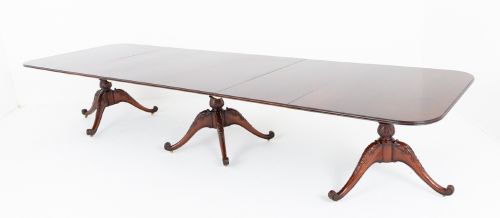
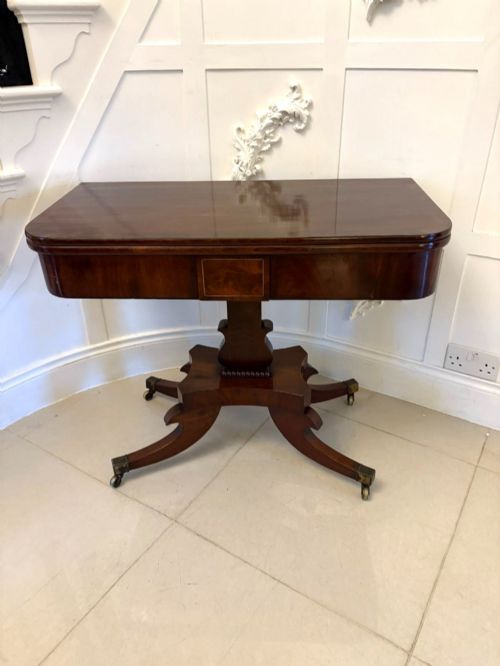
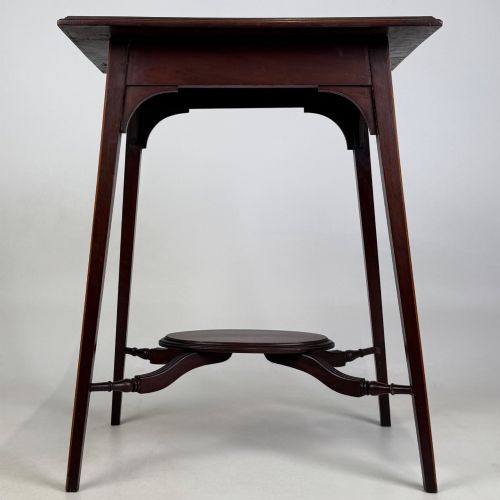
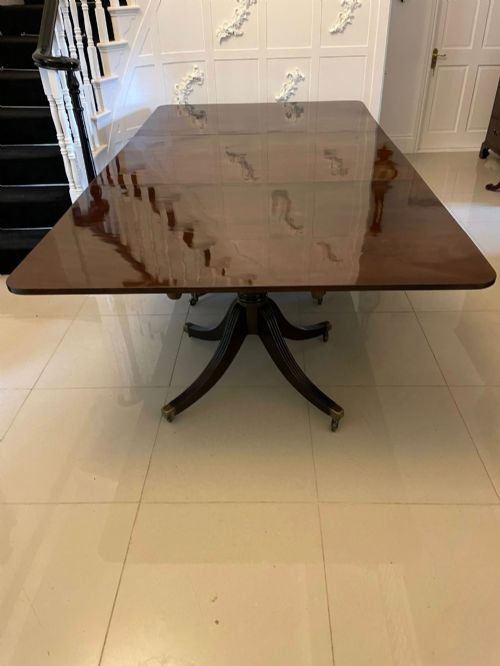
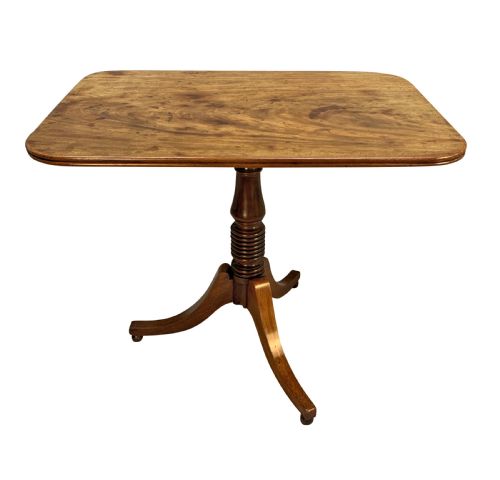
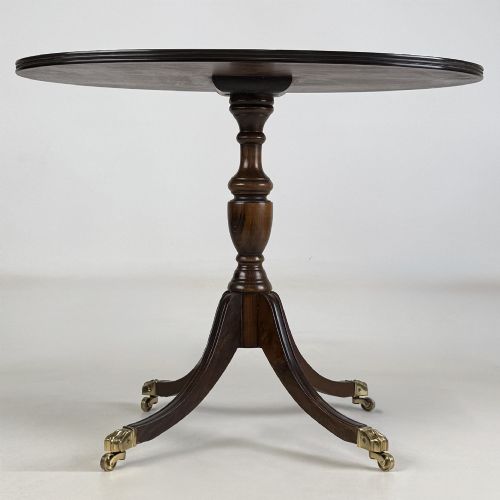
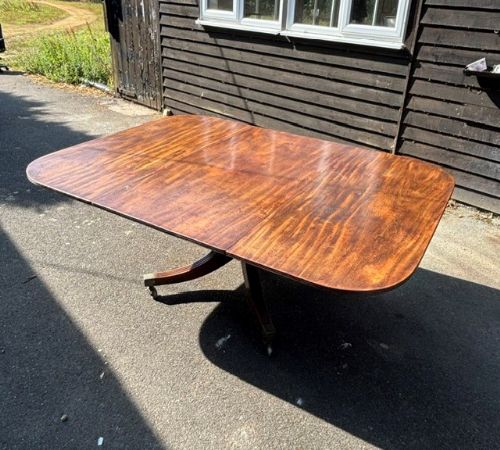
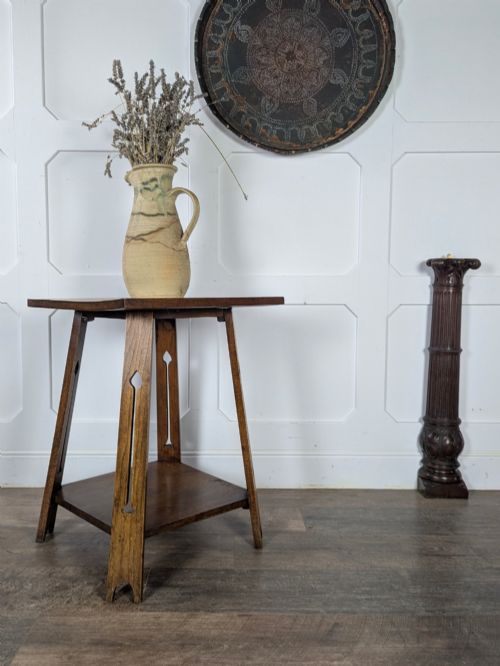
When you search for a splayed leg table, you encounter diverse forms spanning several centuries, including dining tables, side tables, sofa tables, drum tables, and occasional tables. These pieces originate from periods such as the Georgian, Regency, Edwardian, and early twentieth century eras.
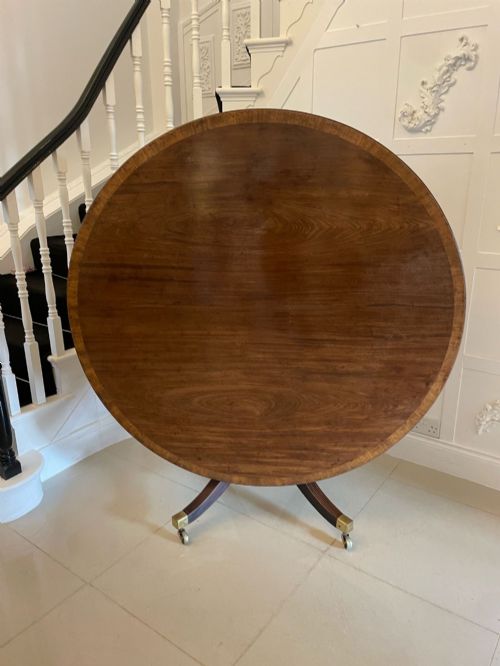
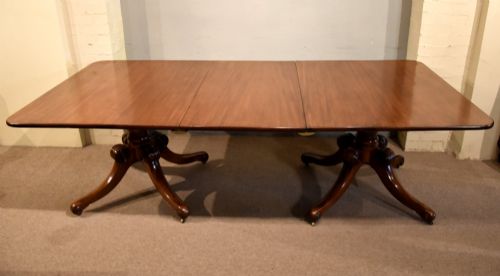
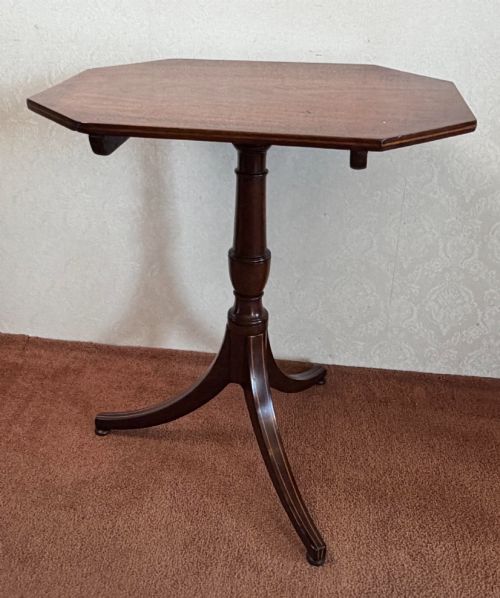
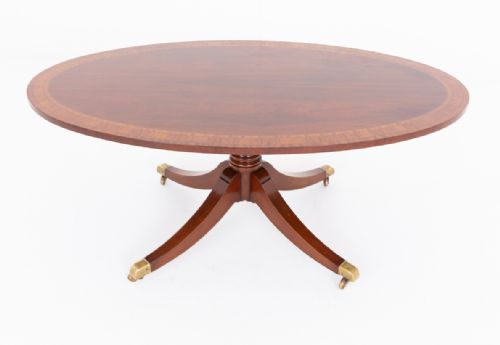
The version you are most likely to meet on this page is a mahogany dining table or a compact side table, often reflecting Regency, George III, or Edwardian design. Such pieces incorporate pillar supports, tilt-top mechanisms, or straightforward wooden frames suited to domestic interiors.
Materials and construction
Joinery techniques ranged from primitive pegged joints on early oak benches to sophisticated pillar and pedestal configurations and tilt-top mechanisms found on Regency and Georgian breakfast and card tables.
Splayed Leg Table Retail Price Guide 2026
Typical asking prices for splayed leg table among the pieces listed under this phrase on Sellingantiques today, from the lower quarter to the upper quarter. They describe what is for sale here now, not the wider market.
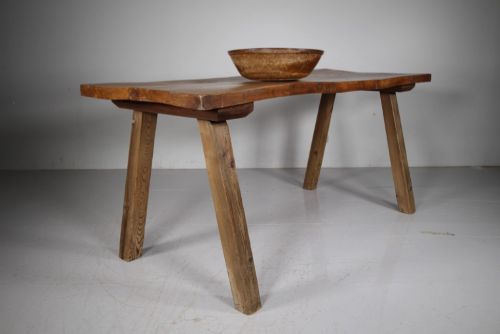
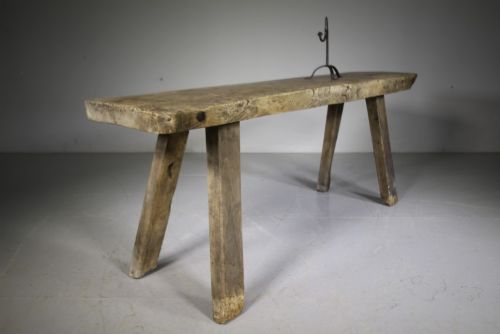
Solid oak pig benches once served practical farm purposes before finding new life as low coffee tables in modern homes.
Distinctions in quality
The refinement of timber selection dictates much of the distinction, separating plain utility pieces from superior examples finished in figured mahogany, burr oak, or burr root maple. Finer pieces demonstrate precise inlay work, such as boxwood stringing, and incorporate quality brass hardware like original casters.
Structural integrity and the fidelity of period styling define the upper tier, where tables by recorded makers or workshops exhibit meticulous craftsmanship in their pedestals, hinges, and extending mechanisms.
Thomas Butler·Whytock & Reid
The Splayed Leg Table Glossary
- Splayed leg
- A support angled outward from the vertical centre of the table for stability and visual balance.
- Tilt-top
- A tabletop hinged to the pedestal, allowing it to tilt vertically for storage against a wall when not in use.
- Sofa table
- A rectangular occasional table traditionally placed before a sofa, typically fitted with small drop leaves and twin pillar supports.
- Drum table
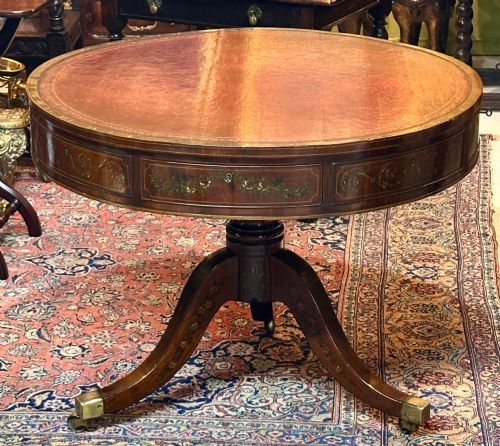
- A circular library table with a deep frieze containing drawers, usually supported by a single central pillar and tripod base.
- Pig bench
- A low, sturdy wooden bench constructed from oak or elm, utilised for domestic or agricultural tasks and repurposed as a coffee table.
Splayed Leg Table: Frequently Asked Questions
What is a splayed leg table?
A splayed leg table is a piece of furniture featuring legs that angle outward from the base. This design provides increased stability and a distinctive profile.
You encounter this form across various dining, occasional, and side table types spanning the Georgian, Regency, and Edwardian periods.
How do I date a mahogany table?
Dating a mahogany table involves examining the timber characteristics, construction methods, and hardware style. Pieces from the Georgian and Regency periods exhibit hand-cut joinery and specific design motifs.
Later Edwardian or twentieth-century revivals often replicate these earlier styles but employ different secondary woods and modern assembly marks.
Were tilt top tables common?
Tilt-top tables were widely used during the Georgian and Regency eras to save floor space. They allowed owners to store the heavy wooden top vertically against a wall when dining or gaming concluded.
Mechanisms typically include a birdcage or a simple block hinge mounted on a pillar and tripod base.
How are sofa tables used?
Sofa tables served as versatile writing or work desks placed directly behind a sofa in nineteenth-century drawing rooms. Their drop leaves permitted compact placement.
Today, they function as console or sofa tables, providing surface area and drawer storage in living spaces.